Strainers are essential components in various industrial systems, particularly in fluid processing and filtration applications. They play a critical role in protecting equipment from debris and contaminants, ensuring optimal performance and longevity. Among the types of strainers available, grid strainers and traditional strainers without overflow are two popular choices. This article provides a comprehensive comparative analysis of these two types, focusing on their design, functionality, advantages, and applications.
Understanding Strainers
Before diving into the specifics of grid strainers and traditional strainers, it’s essential to understand the basic function and importance of strainers in fluid systems. Strainers are designed to remove solid particles from liquids or gases, preventing damage to downstream equipment such as pumps, valves, and heat exchangers.
Types of Strainers

Strainers can be categorized into various types based on their design and operational mechanisms. Two of the most widely used types are:
- Grid Strainers: Characterized by a series of parallel bars or grids that create a filtration barrier.
- Traditional Strainers without Overflow: Typically consist of a mesh or perforated screen that traps particles without allowing for overflow drainage.
Grid Strainers: Design and Functionality
Grid strainers are engineered to handle larger volumes of fluid with varying degrees of particulate matter. They are designed with a grid-like structure that allows for the passage of fluid while capturing solid contaminants. The grid pattern creates multiple points of filtration, which enhances the strainer’s efficiency.
Key Features of Grid Strainers
- High Flow Capacity: The grid design allows for a larger surface area, enabling higher flow rates without significant pressure loss.
- Easy Maintenance: Grid strainers can be easily cleaned and maintained, reducing downtime during operation.
- Durability: Made from robust materials, grid strainers are designed to withstand harsh operating conditions.
Applications of Grid Strainers
Grid strainers are commonly used in various industries, including:
- Water Treatment: They help in removing debris from water sources, improving the quality of treated water.
- Oil and Gas: Used in upstream and downstream operations to protect equipment from solid contaminants.
- Chemical Processing: Essential in preventing pump damage by filtering out particulates in chemical mixtures.
Traditional Strainers without Overflow: Design and Functionality
Traditional strainers without overflow utilize a simpler design, typically featuring a mesh or perforated screen. Unlike grid strainers, these strainers do not have an overflow mechanism, meaning that all collected debris remains within the strainer until it is manually cleaned out.
Key Features of Traditional Strainers
- Simplicity: The straightforward design makes traditional strainers easy to install and operate.
- Cost-Effectiveness: Generally, traditional strainers are less expensive than their grid counterparts, making them a popular choice for budget-conscious projects.
- Compact Size: Their smaller footprint is ideal for applications with limited space.
Applications of Traditional Strainers
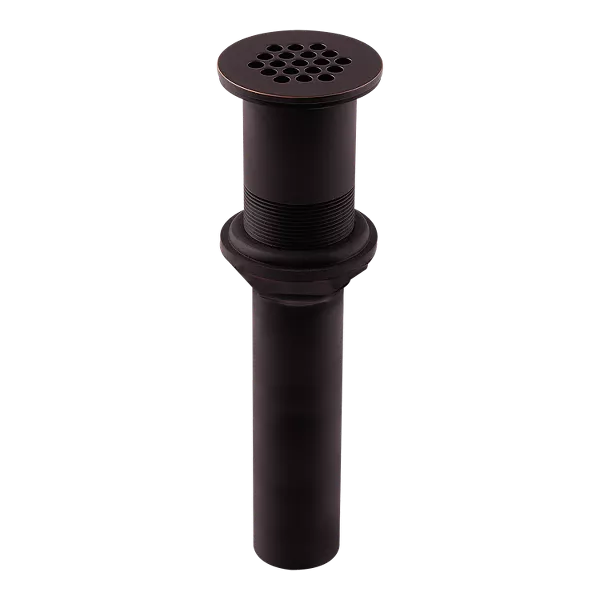
Traditional strainers without overflow are widely used in:
- HVAC Systems: To filter out dust and debris from air handling units.
- Food and Beverage: Used in various stages of production to ensure product quality by removing contaminants.
- Agricultural Irrigation: Protect irrigation systems from soil and plant debris.
Comparative Advantages of Grid Strainers vs. Traditional Strainers
When comparing grid strainers and traditional strainers without overflow, several factors come into play, including efficiency, maintenance, cost, and application suitability. Below is a comparative analysis of these factors:
Efficiency
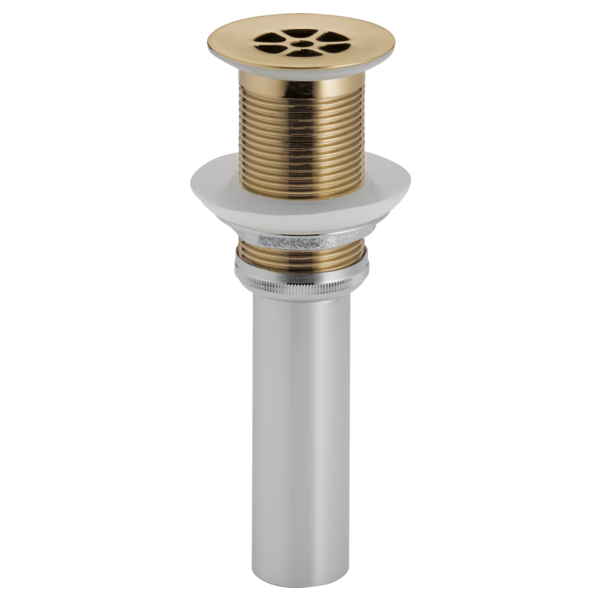
- Grid Strainers: Their high flow capacity and multiple filtration points enhance efficiency, especially in high-volume applications.
- Traditional Strainers: While effective, they may not provide the same level of efficiency in high-flow scenarios, as clogging can occur more quickly.
Maintenance
- Grid Strainers: Easy to clean and maintain, leading to less downtime.
- Traditional Strainers: Require manual cleaning, which can be labor-intensive and may lead to operational delays.
Cost
- Grid Strainers: Generally more expensive due to their complex design and higher durability.
- Traditional Strainers: More budget-friendly, making them suitable for projects with strict cost constraints.
Suitability for Specific Applications
- Grid Strainers: Ideal for industries with higher risks of contamination and where fluid volume is significant.
- Traditional Strainers: Better suited for smaller systems or applications where space and cost are critical factors.
Case Studies: Real-World Applications
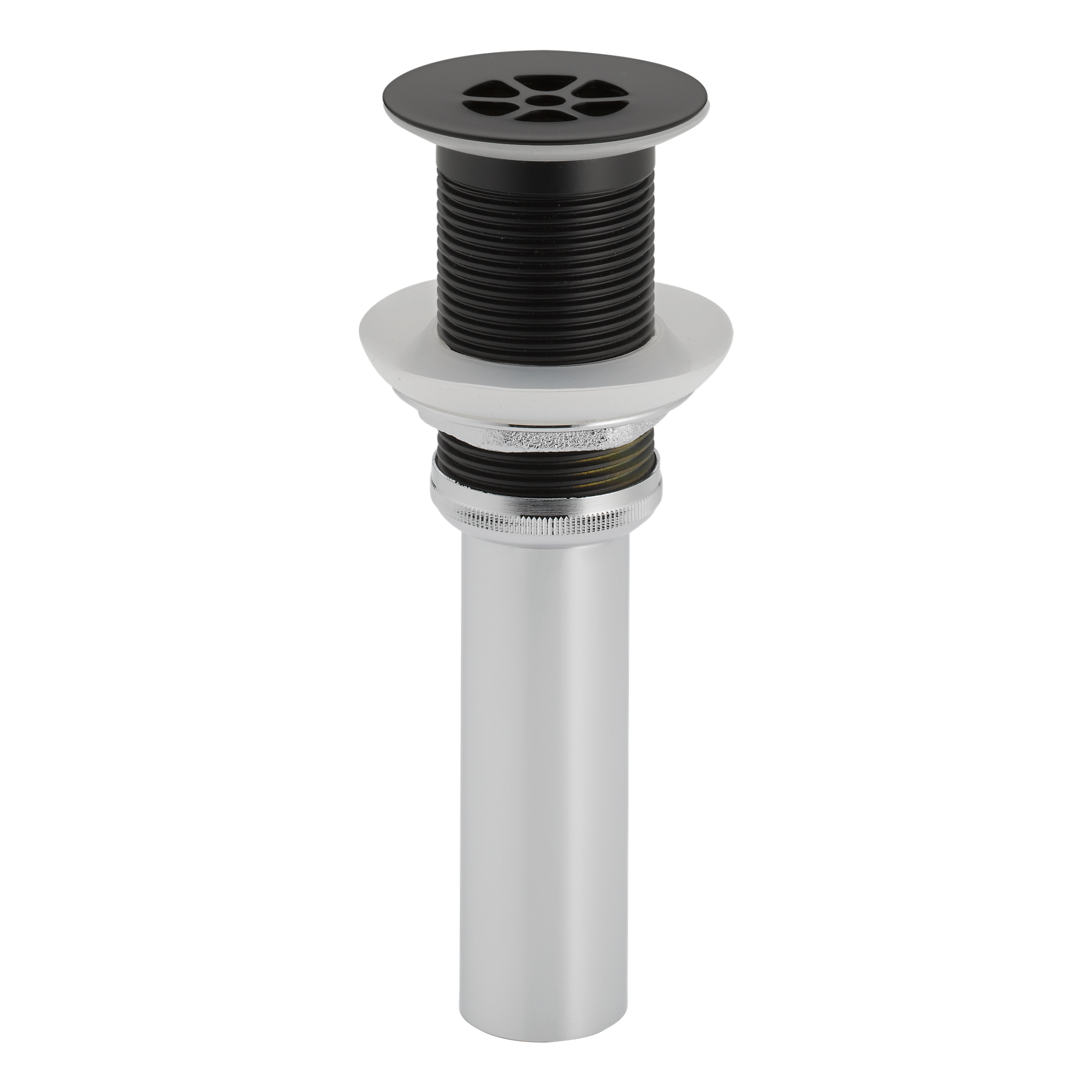
To better illustrate the advantages and disadvantages of grid strainers and traditional strainers without overflow, let’s examine two case studies:
Case Study 1: Water Treatment Facility
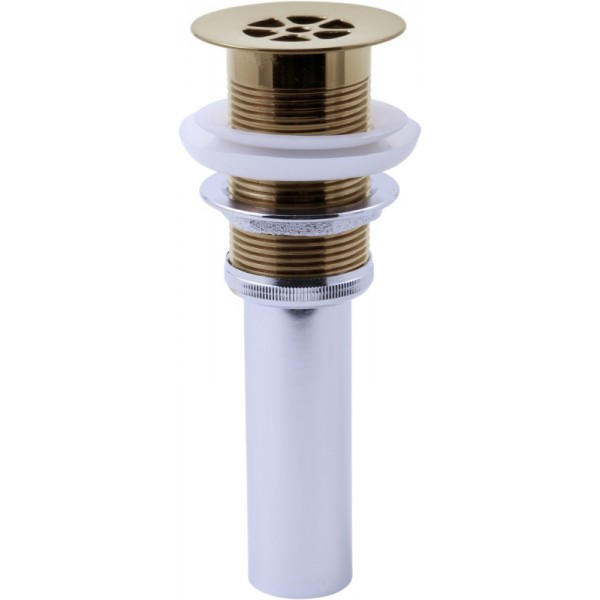
A water treatment facility upgraded its filtration system to improve efficiency and reduce maintenance costs. The facility opted for grid strainers, which allowed for a higher flow rate and minimized clogging. As a result, the facility reported a 30% increase in operational efficiency and a significant reduction in maintenance downtime.
Case Study 2: Food Processing Plant
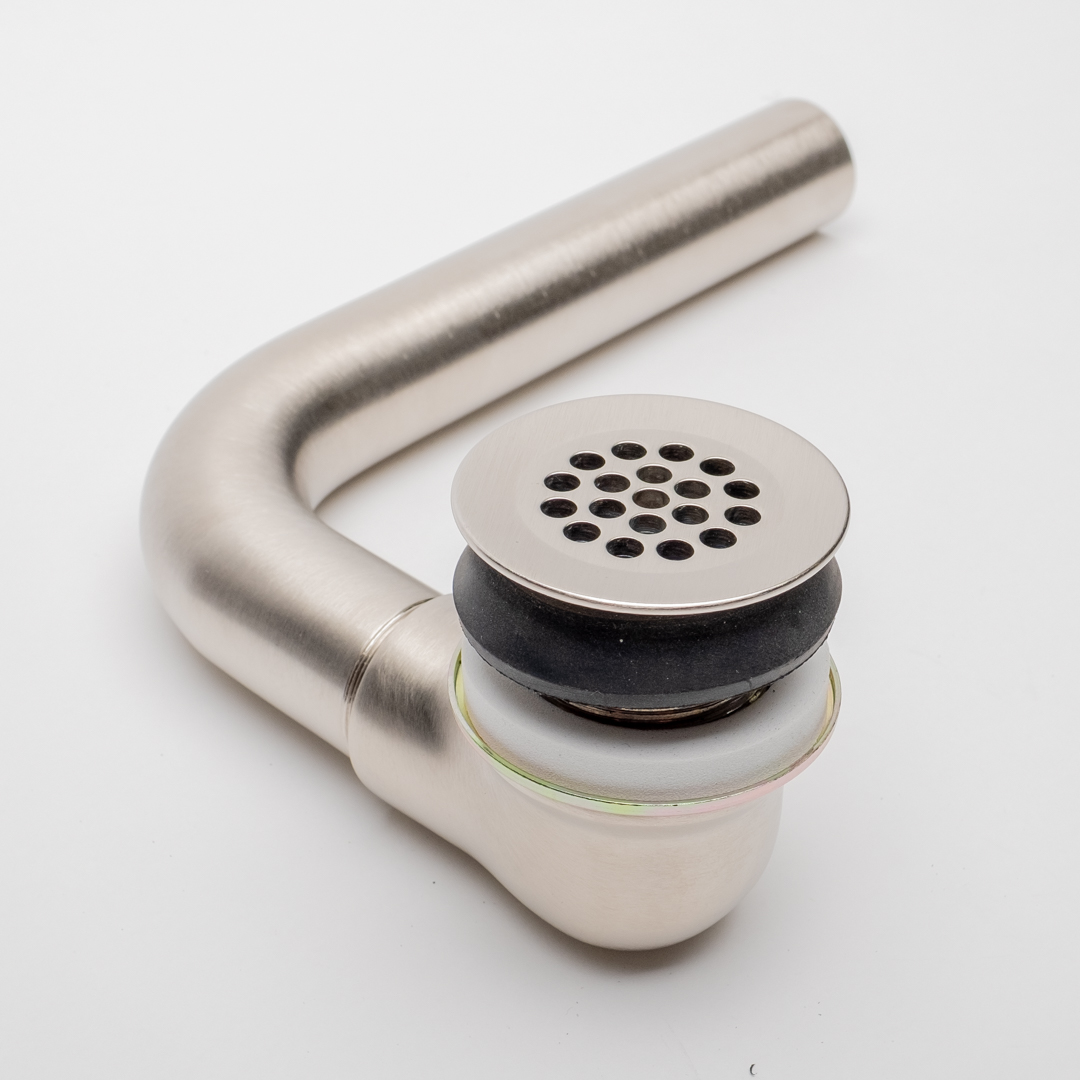
A food processing plant utilized traditional strainers without overflow due to budget constraints. While these strainers effectively filtered contaminants, the plant faced issues with clogging and required frequent manual cleaning, resulting in increased labor costs. The plant eventually transitioned to grid strainers, which improved efficiency and reduced labor costs by 20%.
In conclusion, both grid strainers and traditional strainers without overflow have their unique advantages and applications. Grid strainers excel in high-flow scenarios and are designed for industries where efficiency and durability are paramount. On the other hand, traditional strainers offer simplicity and cost-effectiveness, making them suitable for smaller applications or budget-restricted projects.
As industries continue to evolve, the choice between these two types of strainers will depend on specific operational needs, budget considerations, and the overall importance of efficiency and maintenance. Understanding these factors will enable businesses to make informed decisions that enhance their operational capabilities and protect valuable equipment.
