In a world increasingly saturated with digital experiences and mass-produced goods, there’s a growing yearning for tangible, expressive, and profoundly human endeavors. Among these, the art of crafting animal head masks stands out as a vibrant testament to our innate desire for transformation, storytelling, and connection. Far more than mere costumes, these intricate creations are portals to imagination, allowing individuals to embody the spirit, power, and even the whimsy of the animal kingdom. This article delves into the multifaceted world of animal head mask creation, exploring its artistic merits, cultural significance, and the boundless potential for unleashing creativity.
The Allure of the Animal Persona
Why are animal head masks so captivating? The answer lies deep within our collective consciousness. Animals have been symbols and totems across cultures for millennia, representing diverse traits: the wisdom of the owl, the ferocity of the lion, the agility of the fox, the playful nature of the monkey. Donning an animal mask allows us to tap into these archetypal energies, offering a temporary escape from our everyday selves and an opportunity to explore different facets of our personalities.
Beyond the Costume: A Journey of Self-Expression

For many creators, the process of making an animal head mask is a deeply personal and cathartic experience. It involves observation, empathy, and a meticulous attention to detail. This journey of creation is as significant as the final product. Artists often spend hours studying the anatomy, textures, and characteristic expressions of their chosen animal. This deep dive fosters a profound appreciation for the natural world and translates into masks that are not just visually striking but also imbued with a sense of authentic spirit.
- Observation: Artists meticulously study animal behavior, anatomy, and natural habitats to capture their essence.
- Empathy: Understanding the animal’s perceived temperament and characteristics allows for a more believable and impactful representation.
- Materiality: The selection of materials – from felt and fur to wire and plaster – plays a crucial role in conveying texture and form.
- Storytelling: Each mask can tell a story, whether it’s about the animal’s mythical significance or the artist’s personal connection to it.
Materials and Techniques: A Canvas for Innovation

The creation of animal head masks is a testament to ingenuity and resourcefulness. A wide array of materials can be employed, each offering unique possibilities for texture, form, and durability. The techniques employed range from traditional sculpting and sewing to more contemporary methods involving molding and 3D printing.
Traditional Craftsmanship: The Enduring Charm of Hand-Made
Many of the most compelling animal head masks are born from traditional crafting methods that have been passed down through generations. Felt, with its soft texture and malleability, is a popular choice for creating the base of the mask, allowing for subtle shaping and detailing. Faux fur adds a touch of realism, mimicking the natural coats of animals. Wire armatures provide structural support, enabling the creation of dynamic shapes like antlers or flowing manes. Papier-mâché, a time-honored technique, offers a versatile and cost-effective way to build up form and create intricate details.
A Case Study: The Venetian Influence
The historical tradition of Venetian mask-making, while often associated with elaborate human-like disguises, also features a rich lineage of animalistic representations. The “Medico della Peste” (Plague Doctor), with its distinctive bird-like beak, is a prime example of a functional mask that took on an animalistic aesthetic. Modern artisans, inspired by these traditions, often incorporate elements of historical mask-making into their contemporary animal designs, blending heritage with innovation.
Modern Innovations: Pushing the Boundaries
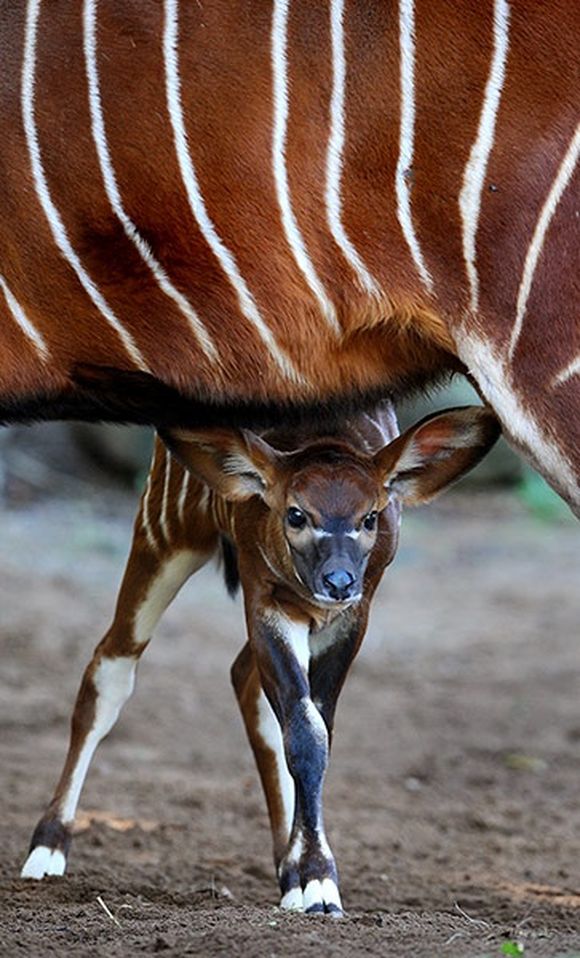
The advent of new technologies has opened up exciting avenues for mask creation. 3D printing, for instance, allows for the creation of incredibly complex and precise forms, enabling artists to reproduce intricate bone structures or unique facial features with remarkable accuracy. Digital sculpting software can be used to design and refine mask shapes before they are brought into the physical realm. Lightweight, durable plastics and advanced foams are also becoming increasingly popular, allowing for more comfortable and resilient masks suitable for performance or extended wear.
- 3D Printing: Enables intricate designs and precise anatomical replication.
- Foam Fabrication: Lightweight and flexible, ideal for performance masks.
- Laser Cutting: For precise shapes and intricate patterns in materials like leather or acrylic.
- Digital Sculpting: Allows for detailed design refinement before physical creation.
The Psychological and Cultural Impact of Animal Masks
The use of animal head masks extends far beyond mere aesthetics. They hold significant psychological and cultural weight, serving as powerful tools for ritual, performance, and social commentary.
Ritual and Performance: Embracing the Spirit of the Wild
Across indigenous cultures worldwide, animal masks are central to spiritual rituals, ceremonies, and storytelling. These masks are not seen as mere objects but as conduits through which the wearer can embody the spirit of the animal, communing with nature and the supernatural. In shamanic practices, masks can facilitate altered states of consciousness and healing. In more contemporary contexts, animal masks are integral to theatrical productions, parades, and festivals, bringing characters to life and creating immersive experiences.
Statistical Insight: The Growth of Festival Culture
The increasing popularity of themed festivals and costume events globally, such as Halloween, masquerade balls, and cultural celebrations, has fueled a significant demand for creative costumes, including animal head masks. Market research indicates a steady growth in the global costume and accessories market, with a significant portion attributed to unique and artisan-crafted items. This suggests a societal desire for more personal and expressive forms of adornment.
Therapeutic Applications: Finding Your Inner Beast
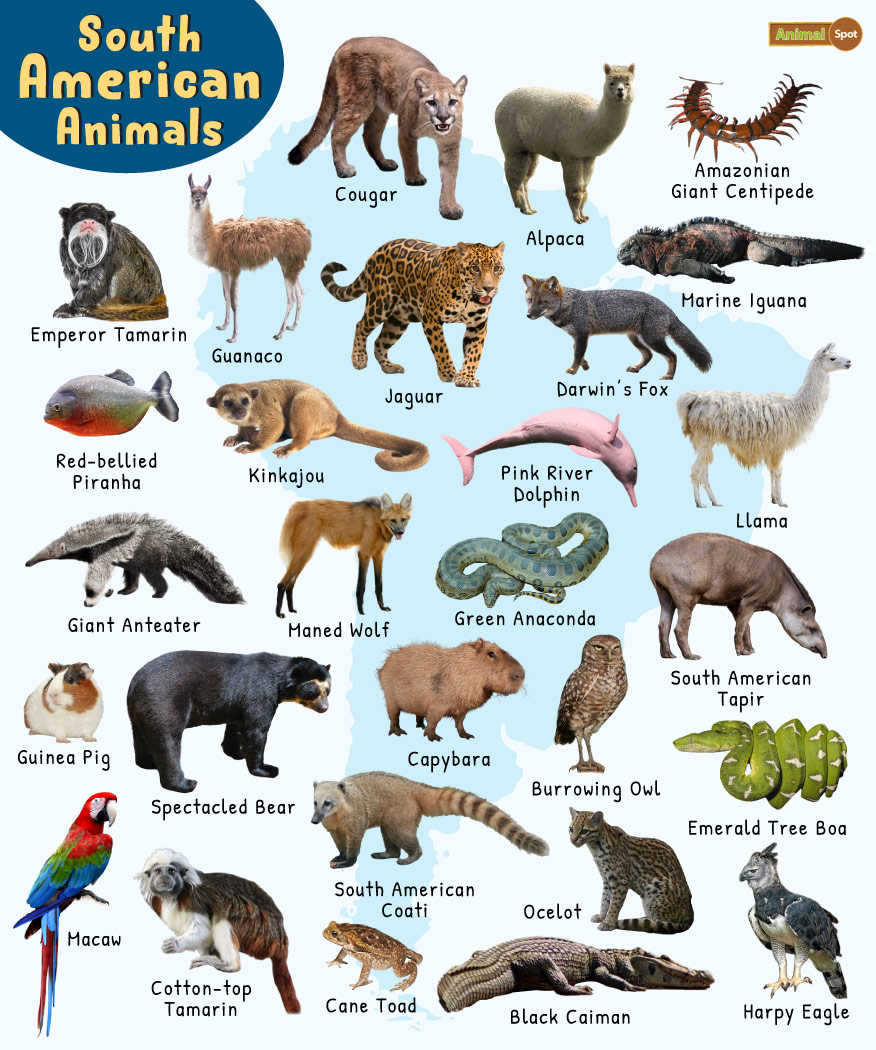
The act of wearing an animal mask can also have therapeutic benefits. For individuals struggling with shyness or social anxiety, embodying an animal can provide a sense of empowerment and liberation. The mask acts as a shield, allowing them to express themselves more freely without the constraints of their everyday persona. This process of transformation can be incredibly liberating and contribute to building self-confidence.
Unleashing Your Inner Artisan: Getting Started
For those inspired to embark on their own animal head mask-making journey, the process is accessible and deeply rewarding. It requires a blend of artistic vision, technical skill, and a willingness to experiment.
Choosing Your Animal: Inspiration and Intention
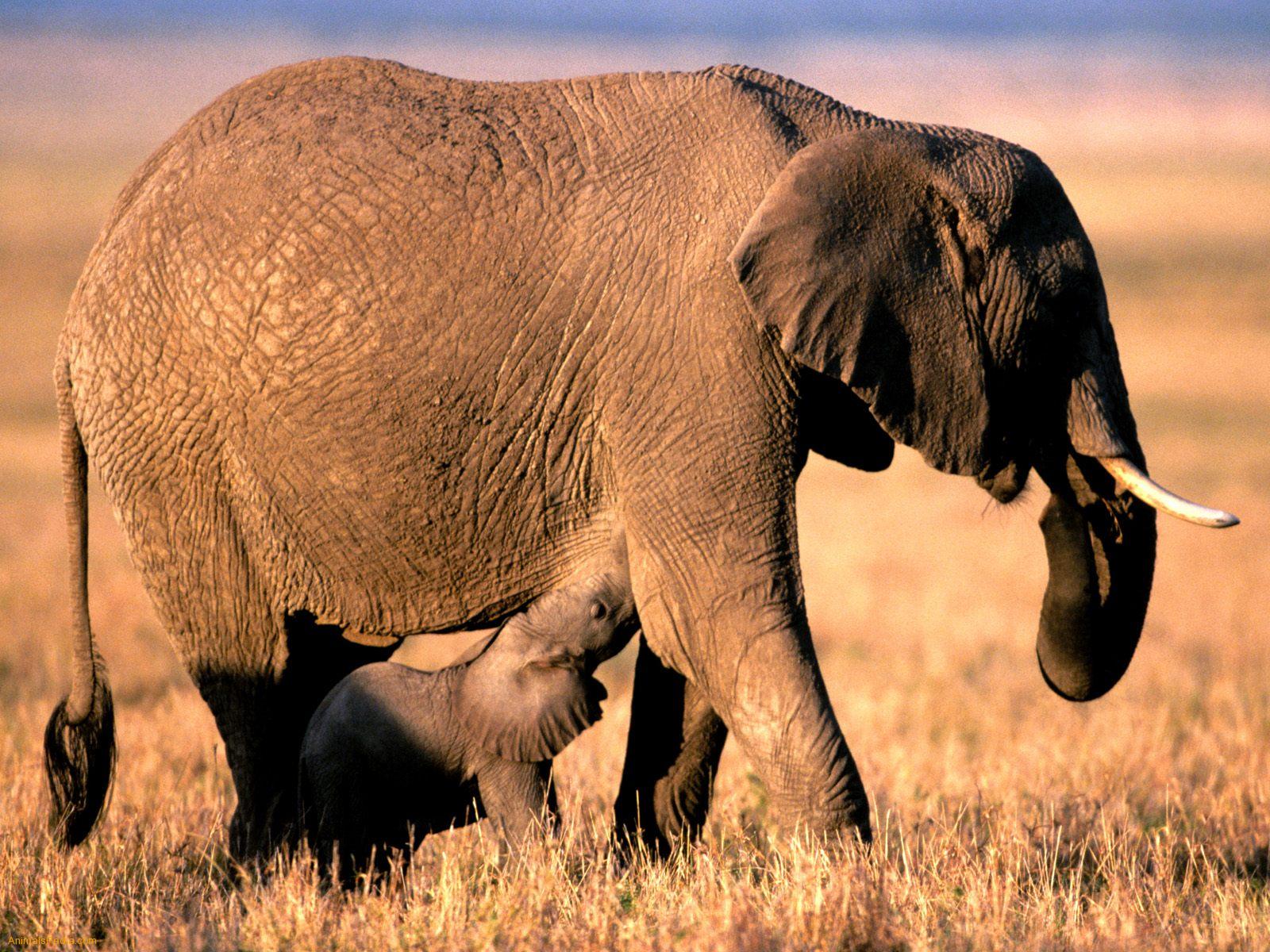
The first step is to choose your animal. Consider what resonates with you. Is it a creature of grace, strength, or mystery? Research the animal’s characteristics, both physically and symbolically. Look at reference images, study its movements, and think about how you want to translate its essence into a tangible form. Your intention behind creating the mask will also guide your design choices.
Sketching and Planning: Laying the Foundation
Before you pick up any tools, it’s essential to sketch out your ideas. Create detailed drawings from different angles, focusing on the proportions and key features of the animal’s head. Consider how the mask will fit, how the wearer will see, and how it will be worn. This planning phase will save time and prevent costly mistakes later in the process.
Building and Detailing: Bringing Your Vision to Life
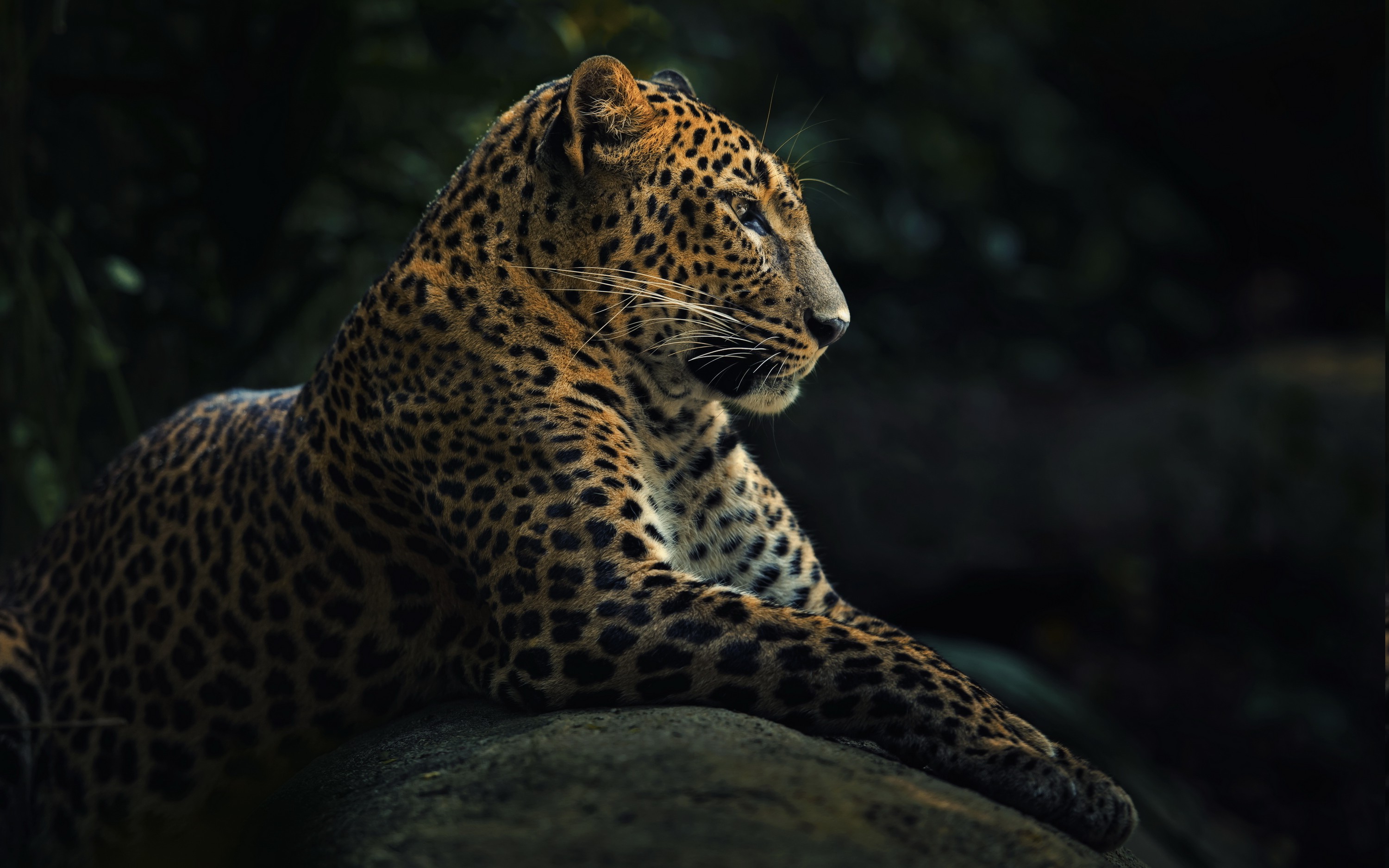
Once you have a solid plan, you can begin building. Start with the foundational structure, using your chosen materials. Gradually add layers and details, paying close attention to capturing the animal’s unique features. Experiment with different textures and colors to bring your mask to life. Don’t be afraid to iterate and refine as you go.
- Start simple: For beginners, choose an animal with a less complex anatomy.
- Gather your tools: Ensure you have appropriate scissors, glue, needles, and any specialized tools for your chosen materials.
- Patience is key: Creating a detailed mask takes time. Enjoy the process.
- Seek inspiration: Look at existing animal masks for ideas on techniques and aesthetics.
The Enduring Magic of Transformation
The art of animal head mask creation is a powerful reminder of our capacity for imagination, our deep connection to the natural world, and our innate desire for self-expression. Whether crafted for ritual, performance, or personal exploration, these masks transcend mere adornment. They are intricate sculptures that embody spirit, tell stories, and allow us to step into the shoes – or rather, the paws, claws, or hooves – of another. In unleashing our creativity through the art of animal head masks, we not only craft tangible wonders but also discover new dimensions within ourselves, embracing the wild, the wonderful, and the transformative power of imagination.
