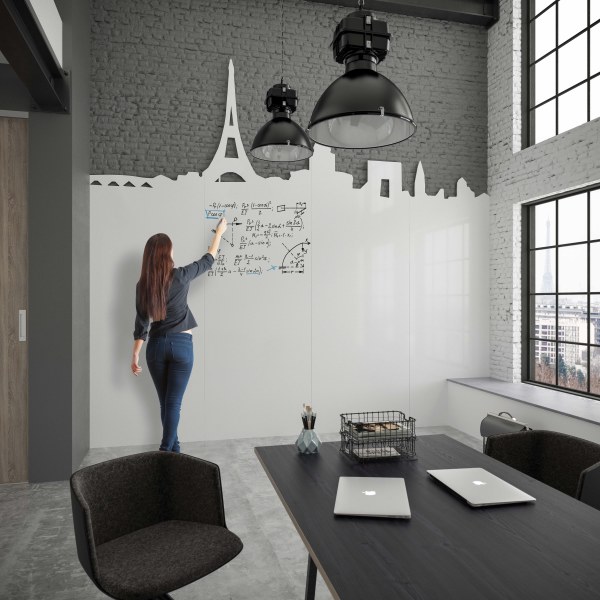
In today’s fast-paced work environment, collaboration is key to success. As teams increasingly lean towards open and flexible workspaces, innovative tools are essential for maximizing productivity. One such tool that has gained popularity in recent years is whiteboard walls. These versatile surfaces offer an array of benefits that can enhance teamwork, creativity, and overall workplace efficiency. This article explores how whiteboard walls can transform collaborative workspaces and provide insights on how to make the most of them.
The Rise of Collaborative Workspaces
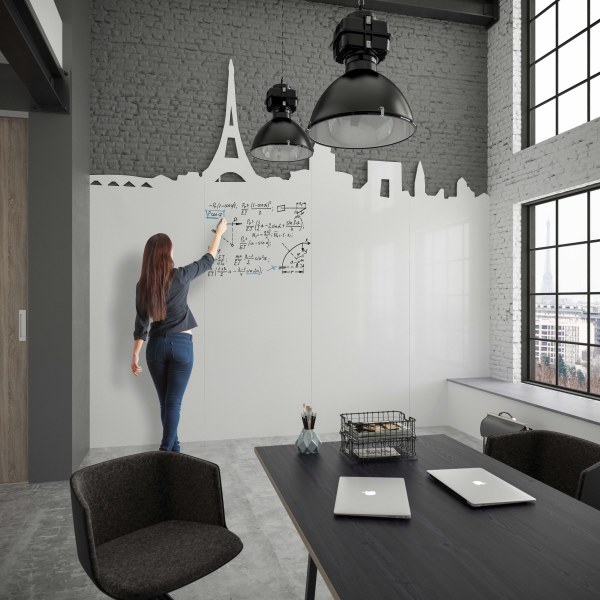
As organizations evolve, so do their workspaces. Traditional cubicles are being replaced with open layouts that encourage interaction and teamwork. According to a study by the International Facility Management Association, about 70% of offices now feature open spaces designed for collaboration. However, changing the physical environment is only part of the equation; the tools within these spaces can significantly affect productivity.
What Are Whiteboard Walls?
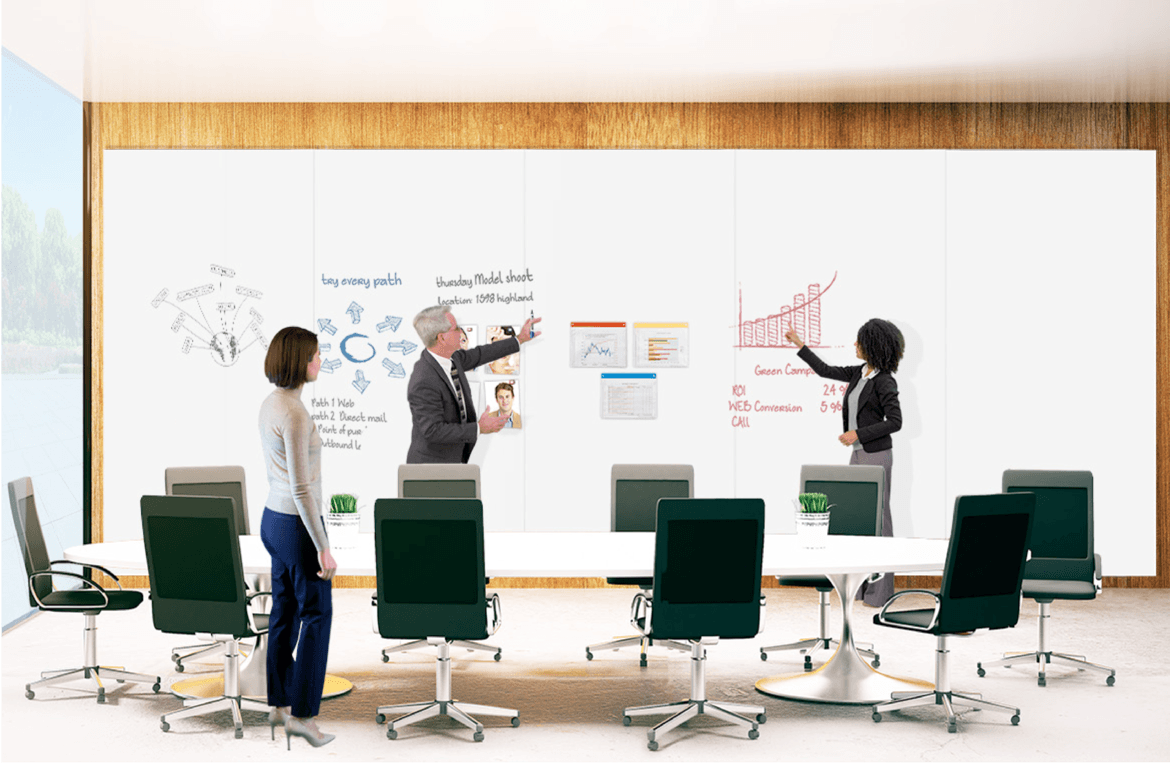
Whiteboard walls are essentially large, writable surfaces that can be used for brainstorming, project planning, and note-taking. They can be installed in conference rooms, team areas, or even as part of individual workstations. Made from materials like melamine or glass, whiteboard walls offer a smooth writing surface that can easily be wiped clean, making them practical for ongoing discussions and ideas.
Benefits of Whiteboard Walls
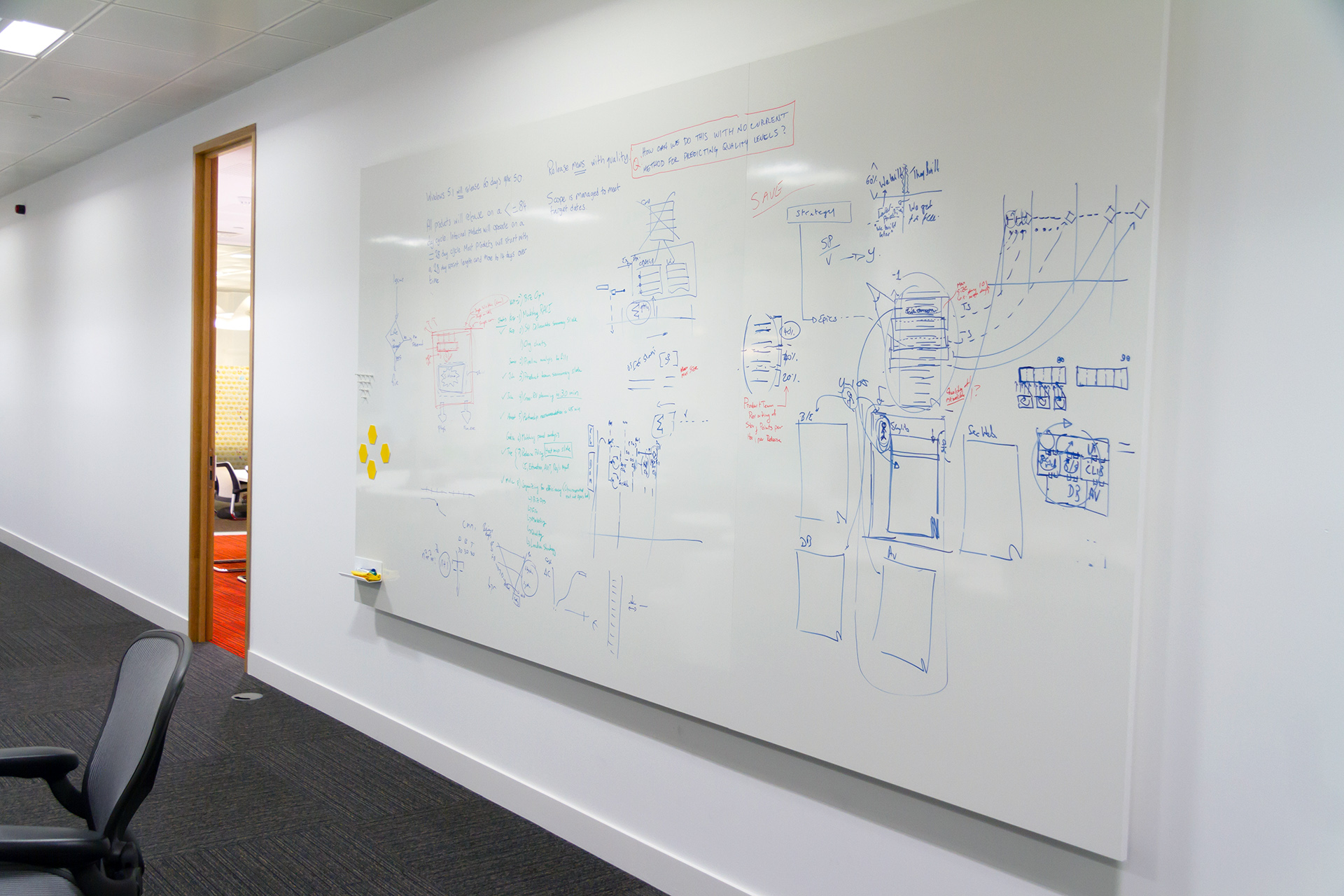
Incorporating whiteboard walls into collaborative workspaces can provide several advantages:
- Enhanced Creativity: Whiteboard walls encourage free-thinking and brainstorming. Team members can visualize their ideas and build on each other’s contributions, leading to more innovative solutions.
- Improved Communication: With a writable surface, teams can jot down notes, diagrams, and plans in real-time, allowing for better communication and understanding among team members.
- Increased Engagement: The interactive nature of whiteboard walls keeps team members engaged and active in discussions, reducing the likelihood of distractions common in traditional meeting settings.
- Visual Learning: Many people are visual learners. Whiteboard walls cater to this learning style by allowing ideas to be represented graphically, making it easier to grasp complex concepts.
Case Studies: Real-World Examples

Several organizations have successfully integrated whiteboard walls into their collaborative workspaces, leading to measurable improvements in productivity.
Case Study 1: Google
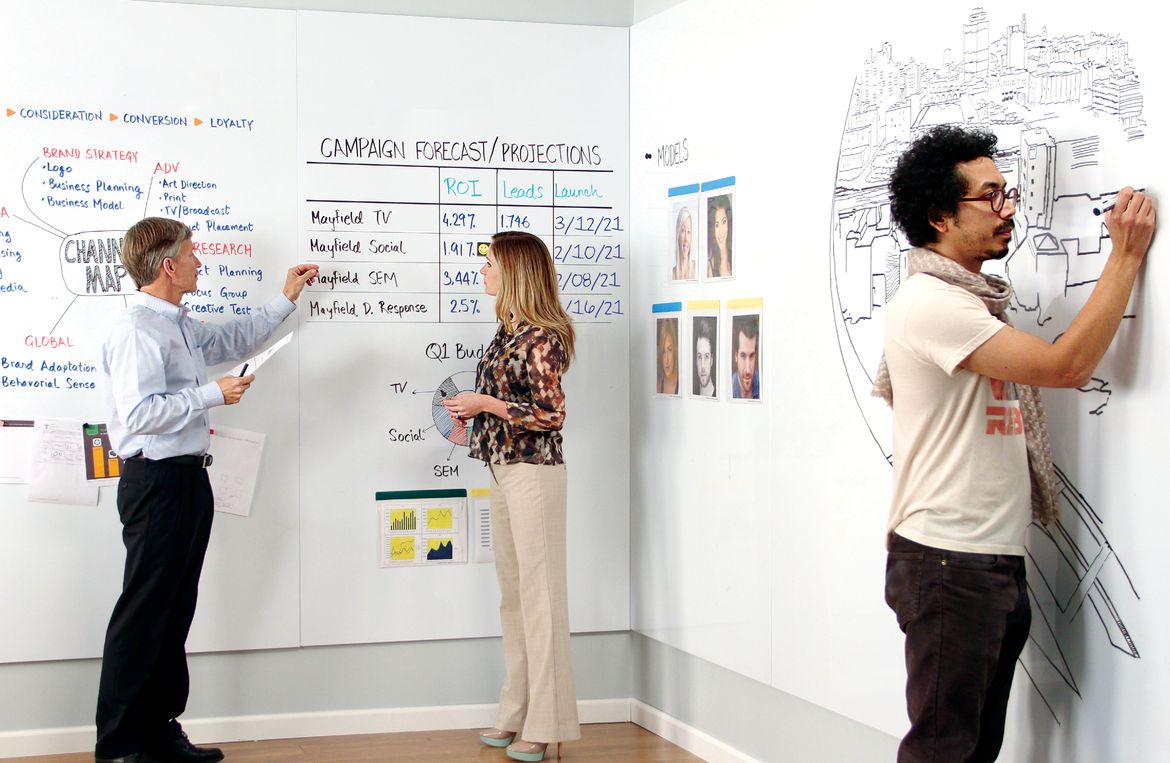
Google is known for its innovative workspace designs, and its use of whiteboard walls is no exception. In their offices, employees frequently utilize these surfaces for brainstorming sessions and project planning. According to a report, teams that used whiteboard walls reported a 20% increase in project completion rates, attributing this to enhanced collaboration and idea generation.
Case Study 2: IDEO
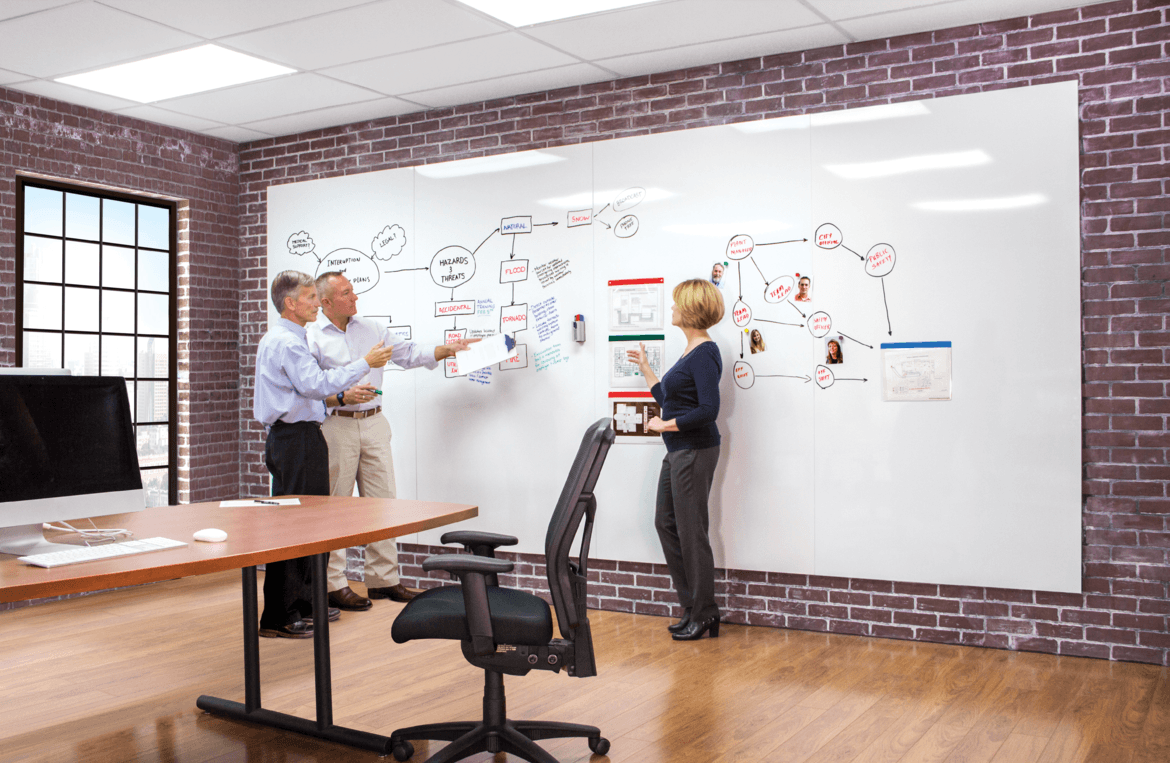
Design and consulting firm IDEO embraces creativity and collaboration as part of its core values. They have integrated whiteboard walls throughout their offices, allowing teams to visualize their design processes. As a result, IDEO has seen a 15% increase in client satisfaction scores, linked directly to the more collaborative and engaging environment fostered by these writable surfaces.
How to Maximize Productivity with Whiteboard Walls
While whiteboard walls offer numerous benefits, their effectiveness relies on how they are utilized. Here are some strategies for maximizing productivity in collaborative workspaces:
- Designate Specific Areas: Identify zones within the workspace that are dedicated to brainstorming, project management, or presentations. This helps in organizing thoughts and discussions more effectively.
- Encourage Regular Use: Foster a culture where team members feel comfortable using the whiteboard walls. Regularly scheduled brainstorming sessions or team meetings can help normalize their use.
- Use Color-Coding: Utilize different colored markers for various themes or topics. This visual differentiation can aid in organizing information and making it easier to follow discussions.
- Incorporate Digital Tools: Consider integrating digital whiteboard applications that can save and share ideas. This allows for continuity and reference beyond the physical workspace.
- Rotate Ideas: Regularly refresh the content on whiteboard walls. Old ideas can be erased to make room for new thoughts, keeping the creative energy flowing.
Potential Challenges and Solutions
While the advantages of whiteboard walls are considerable, some challenges may arise:
- Overcrowding: If not managed well, whiteboard walls can become cluttered with too much information. Establish guidelines for how to organize content effectively.
- Marker Quality: Low-quality markers can lead to poor visibility. Invest in high-quality, erasable markers to ensure clear writing.
- Maintenance: Regular cleaning is essential to keep the surfaces functional. Set a schedule for maintenance to ensure the whiteboard remains a practical tool.
The Future of Collaborative Workspaces
As remote work and hybrid models become more prevalent, the role of collaborative workspaces will continue to evolve. Whiteboard walls can play a significant role in bridging the gap between in-person and remote collaboration. Virtual whiteboard applications are already gaining traction, and integrating these with physical whiteboards can create a seamless experience for teams, regardless of their location.
Whiteboard walls are more than just a trendy addition to collaborative workspaces; they are powerful tools that can enhance productivity, creativity, and communication among teams. By fostering an environment that encourages the regular use of these surfaces, organizations can unlock the full potential of their teams. As the workspace continues to evolve, the integration of both physical and digital collaborative tools will be essential in driving success. Embracing the versatility of whiteboard walls today can pave the way for a more engaged and productive workforce tomorrow.
