The allure of a beautifully styled home goes beyond the furniture and paint colors. For many, a well-curated bookshelf is the finishing touch, adding personality, warmth, and intellectual depth. But what if your bookshelves are a chaotic jumble of mismatched spines, clashing with your carefully crafted aesthetic? This article delves into the art of selecting real books that not only enrich your mind but also elevate your interior design. We’ll explore how to transform your reading collection from a potential design faux pas into a deliberate and visually stunning element of your home décor.
The Psychology of Color in Interior Design and How Books Can Contribute
Color plays a profound role in shaping our perception of a space and influencing our emotions. From calming blues to energizing reds, each hue evokes a different feeling. When it comes to interior design, understanding color psychology is paramount. For instance, a study published in the *Journal of Environmental Psychology* found that the presence of green hues can reduce stress and improve focus. Similarly, warm colors like yellow and orange are associated with happiness and creativity.
Your bookshelves, filled with books, offer a unique opportunity to introduce and subtly reinforce these desired color palettes. Instead of seeing books as mere content delivery systems, we can reimagine them as vibrant decorative elements. This shift in perspective allows for a more integrated approach to design, where functionality and aesthetics seamlessly blend. Think of your book collection as an ever-evolving art installation, with each cover contributing to the overall mood and visual harmony of your room.
Harmonizing with Your Palette: The Art of Color Matching
The most direct way to integrate your book collection with your interior design is through color matching. This doesn’t mean creating a monochromatic shelf, but rather selecting books whose colors complement or enhance your existing palette.
1. The Foundation: Identifying Your Dominant Hues
Before you start pulling books off shelves, take stock of your room’s dominant colors. This includes:
- Wall color
- Sofa and accent chair upholstery
- Rugs and carpets
- Large decorative pieces (e.g., curtains, artwork frames)
Once you have a clear understanding of your primary and secondary colors, you can begin to identify books that will either echo these tones or provide a pleasing contrast.
2. Echoing the Excellence: Complementary Colors
The simplest approach is to select books that share similar color families with your décor. If your living room features a serene navy blue sofa, consider books with:
- Deep blues
- Oceanic greens
- Touches of silver or grey
- Rich purples for a sophisticated contrast
Conversely, if your space is adorned with warm neutrals like beige and cream, books with earthy tones such as:
- Terracotta
- Ochre
- Soft greens
- Caramel browns
can create a cozy and inviting atmosphere. This method ensures a sense of cohesion and prevents the bookshelves from feeling like an unrelated element.
3. The Power of Contrast: Juxtaposing for Impact
While complementary colors create harmony, strategic contrast can add visual interest and dynamism. If your room is predominantly cool-toned, introducing books with pops of warm colors can create a captivating focal point. Imagine a minimalist white living room suddenly brought to life by shelves filled with:
- Vibrant red thrillers
- Bold orange art books
- Sunny yellow fiction titles
The key here is balance. You don’t want the books to overwhelm the space, but rather to offer a playful and intentional counterpoint to the established palette.
Beyond Color: Texture, Theme, and Arrangement
While color is a primary consideration, other elements can further enhance the integration of your book collection into your interior design.
The Tactile Dimension: Books as Textural Elements

The materials of book covers offer a rich tapestry of textures that can add depth and interest to your shelves. Consider the:
- Smooth, glossy finishes of modern art books
- Rough, linen textures of vintage novels
- Embossed or foiled lettering on classic editions
- The supple feel of leather-bound volumes
Mixing these textures can create a more engaging visual and tactile experience. For a minimalist or Scandinavian-inspired home, opt for books with clean lines and understated textures. In a bohemian or eclectic space, embrace the richness and variety of materials.
Thematic Cohesion: Curating for Conversational Appeal
Beyond aesthetics, the content of your books can also contribute to your interior design narrative. Consider arranging books by:
- Subject: Grouping travel books together, or art books with photography collections, can create visual clusters of interest.
- Author: A collection of a particular author’s works, especially those with visually distinct cover designs, can form a cohesive unit.
- Genre: While this might seem purely functional, certain genres lend themselves to specific visual styles. Think of the classic, often subdued covers of literary fiction versus the bold, graphic designs of modern sci-fi.
This thematic approach can spark conversations and reveal your passions, making your bookshelves a more personal and engaging part of your home.
The Art of Arrangement: Creating Visual Flow

How you arrange your books is just as important as the books you choose. Consider these arrangement strategies:
- Horizontal and Vertical Stacking: Breaking up rows of upright books with carefully chosen stacks can add visual rhythm and break the monotony.
- Varying Heights: Mixing books of different sizes and heights prevents a rigid, uniform look.
- Negative Space: Don’t feel compelled to fill every inch of your shelves. Strategic use of empty space can highlight individual books and create a sense of calm.
- Incorporating Objects: Interspersing books with decorative objects – like small sculptures, framed photos, or plants – can add personality and visual interest. A study by the University of Hertfordshire found that displaying personal items, including books, can enhance feelings of belonging and well-being in a home.
Case Study: The Eclectic Urban Apartment

Consider an apartment with a modern, industrial aesthetic, characterized by exposed brick, metal accents, and a neutral color palette of greys, blacks, and whites. To complement this, the resident could curate a collection of books with:
- Covers in shades of charcoal, slate, and deep forest green to echo the industrial elements.
- Bold, graphic novel covers in black and white for a contemporary edge.
- Photography books featuring striking black and white imagery or architectural subjects.
- Vintage books with distressed leather covers to add a touch of history and texture.
- Strategic pops of vibrant color through art books or specific fiction titles to prevent the space from feeling too somber.
The arrangement would likely involve a mix of vertical and horizontal stacking, with ample negative space and perhaps a few minimalist metallic decorative objects interspersed among the books.
Practical Tips for Selecting Your Colorful Collection
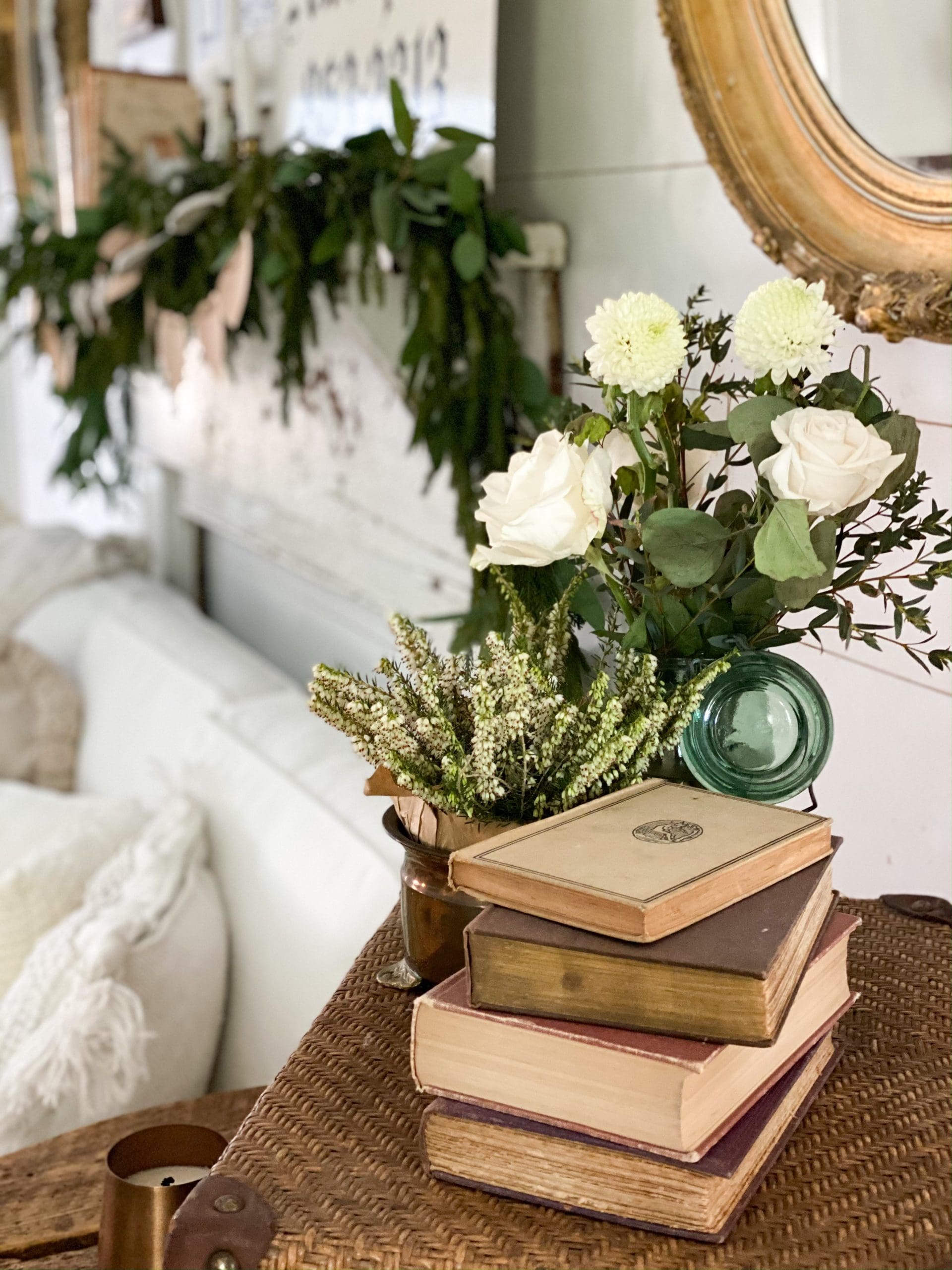
Transforming your existing library or starting a new collection with interior design in mind requires a thoughtful approach.
1. Audit Your Current Collection
Begin by assessing what you already own. Pull out books that have covers that either:
- Already align with your home’s color scheme.
- You love for their aesthetic appeal, regardless of color.
- Are visually interesting and could serve as decorative accents.
2. Strategic Thrifting and Used Bookstores
Second-hand bookstores and online used book platforms are treasure troves for aesthetically pleasing books. Often, you can find beautiful editions of classic literature or art books at significantly lower prices. This is an excellent way to build a visually cohesive collection without breaking the bank. You might even find books with the exact color palette you’re seeking.
3. Consider the “Coffee Table Book” Strategy
Large, visually striking coffee table books are often designed with aesthetics in mind. They can be a fantastic way to introduce bold colors and interesting imagery to your shelves. Look for books on subjects you genuinely enjoy, ensuring both visual appeal and intellectual satisfaction.
4. Embrace Dust Jackets and Their Potential

Many contemporary books come with dust jackets that can be removed or even reversed to reveal a simpler, often more elegant, cover underneath. This provides an extra layer of customization and allows you to adapt the book’s appearance to your décor.
5. The Power of Organization Apps

While not directly about selection, tools like Goodreads or LibraryThing allow you to catalog your books and even sort them by cover color or dominant hues. This can help you visualize your collection’s potential before physically rearranging your shelves.
Your Library as a Living Canvas
Your bookshelf is more than just a storage unit for books; it’s a dynamic element of your home’s décor. By thoughtfully selecting books based on their color, texture, theme, and by employing strategic arrangement, you can transform your library into a visually stunning and personalized extension of your interior design. This approach moves beyond mere functionality, allowing your reading collection to become a conversation starter, a mood enhancer, and a testament to your unique style. Embrace the power of the colorful cover and let your books paint a more beautiful picture of your home.
