In a world increasingly saturated with mass-produced goods, there’s a growing desire for authenticity, self-expression, and a touch of the untamed. The DIY animal head mask movement taps directly into this zeitgeist, offering individuals a unique opportunity to embody their chosen spirit animal, make a bold fashion statement, or simply indulge in a playful exploration of identity. Beyond mere costume accessories, these masks have become powerful tools for self-discovery, creative outlet, and even social commentary. This article delves into the fascinating world of crafting your own wild identity through DIY animal head masks, exploring their cultural significance, the creative process, and the unexpected benefits they offer.
The Allure of the Animal Spirit: Why Masks Resonate

Throughout history and across cultures, masks have played a pivotal role in rituals, celebrations, and storytelling. They are potent symbols that allow individuals to transcend their everyday selves and tap into different archetypes. Animals, in particular, hold a deep-seated fascination for humanity. They represent primal instincts, untamed beauty, and diverse characteristics that we often admire or relate to. From the strength of a lion to the wisdom of an owl, the fluidity of a snake to the playful energy of a fox, animal spirits offer a rich tapestry of traits that individuals can symbolically adopt.
Consider the long-standing tradition of tribal masks used in shamanic ceremonies. These masks were not merely decorative; they were believed to facilitate communication with the spirit world, allowing wearers to embody the power and essence of the animal they represented. In modern contexts, this same principle of transformation and symbolic embodiment is at play. A study by the University of Toronto found that wearing a mask can lead to a sense of “deindividuation,” reducing self-consciousness and encouraging more spontaneous and uninhibited behavior. This psychological effect is a significant contributor to the allure of animal head masks, allowing wearers to shed societal expectations and embrace a more liberated version of themselves.
The Crafting Journey: From Concept to Creation
The creation of a DIY animal head mask is a journey of imagination, skill, and resourcefulness. The process can range from incredibly simple to remarkably complex, depending on the desired level of detail and the materials used. For many, the joy lies in the tactile experience and the satisfaction of bringing a vision to life with their own hands.
Choosing Your Spirit Animal: More Than Just a Pretty Face
The first, and perhaps most crucial, step is selecting the animal that resonates with you. This can be driven by:
- Personal Connection: Do you feel a kinship with a particular animal? Does its behavior or characteristics mirror your own or aspirations?
- Symbolic Meaning: Research the symbolism associated with different animals. Are you seeking strength, wisdom, freedom, or something else entirely?
- Aesthetic Appeal: Sometimes, it’s as simple as being drawn to the visual form and features of an animal.
For example, someone embarking on a new creative project might choose an owl for its association with wisdom and intuition. Conversely, an individual preparing for a challenging physical endeavor might opt for a powerful predator like a wolf or a bear.
Materials and Methods: A World of Possibilities
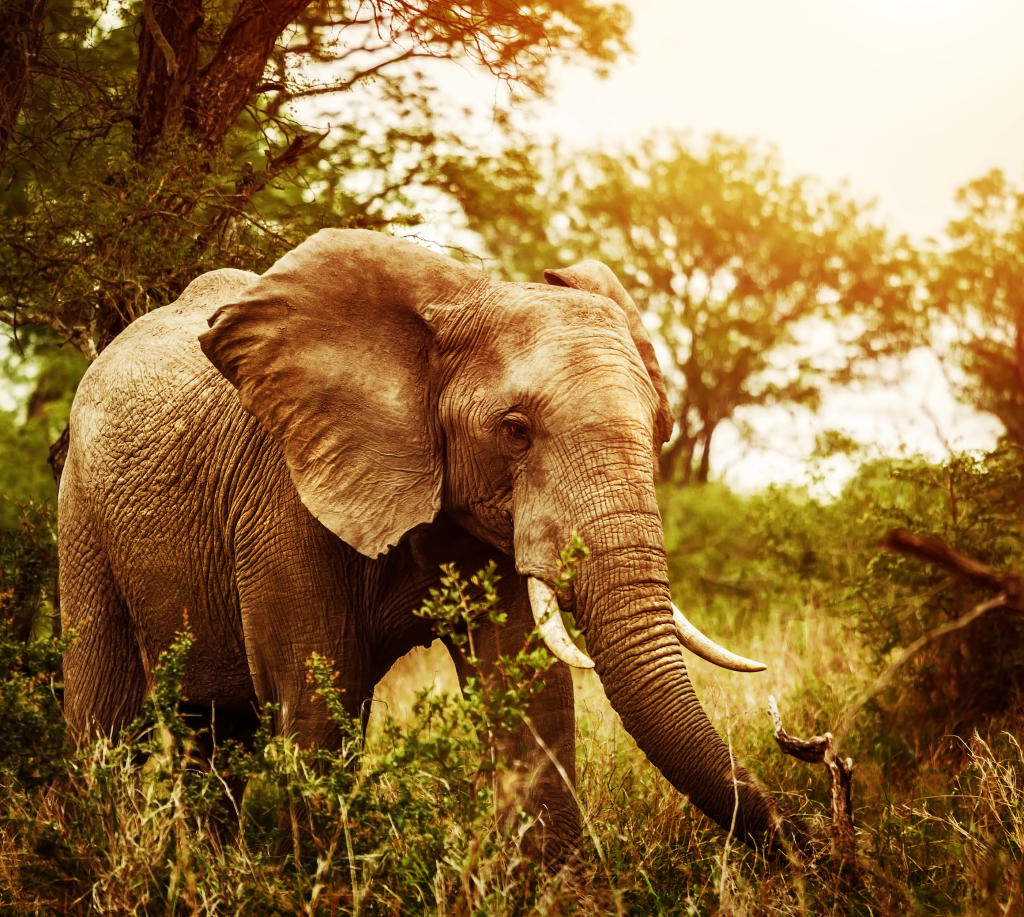
The materials available for DIY mask making are as diverse as the animal kingdom itself. Common choices include:
- Cardboard and Paper Mache: This is a popular and accessible option. Cardboard provides structure, while paper mache (strips of paper soaked in a paste) allows for shaping and smoothing. It’s budget-friendly and environmentally conscious, often utilizing recycled materials.
- Felt and Fabric: Soft and pliable, felt and fabric are excellent for creating plush, whimsical, or more realistic textured masks. They are also relatively easy to sew or glue.
- Foam: EVA foam is a versatile material that can be cut, shaped, and glued to create detailed and lightweight masks with sharp lines or curved surfaces.
- Clay: For a more sculptural approach, air-dry or polymer clay can be used to create intricate details and a solid form. However, this method can be more time-consuming and requires proper ventilation.
- Found Objects: For the truly adventurous, incorporating recycled items like bottle caps, twigs, or even old electronics can add unique textures and a sustainable edge to the mask.
The method of construction often dictates the final aesthetic. Paper mache allows for organic, rounded shapes, ideal for animals with soft features. Foam can be meticulously carved and layered for sharp, angular designs, perfect for reptiles or birds of prey. The choice of materials also influences the mask’s durability, weight, and the ease of wearability.
The Design Process: Sketching, Sculpting, and Refining
Once the animal and materials are chosen, the design process begins. This often involves:
- Reference Images: Gather numerous photos of the chosen animal from different angles to capture its distinctive features – snout shape, ear placement, eye structure, mane or fur patterns.
- Sketching: Create preliminary sketches to work out the proportions and overall form. This is where you can experiment with exaggerating certain features for dramatic effect.
- Building the Structure: For cardboard or foam masks, this involves cutting out pieces and assembling them to create the basic head shape. For paper mache, you’ll likely build a base form from wire or cardboard.
- Adding Details: This is where the mask truly comes to life. Ears, horns, teeth, fur textures, and eye details are added using layers of material, paint, or embellishments.
- Painting and Finishing: The final stage involves painting to bring the animal to life. Acrylic paints are a popular choice for their vibrancy and versatility. Details like shading, highlights, and unique markings are crucial for realism or artistic interpretation. A sealant can be applied to protect the paint and add a desired sheen.
For instance, a crafter creating a fox mask might start by building a basic conical shape from cardboard for the muzzle, attaching it to a more rounded head form. They would then cut out triangular ears and glue them in place. Layers of painted paper mache could be used to create a furry texture, and the muzzle would be painted a warm orange with black accents for the nose and whiskers. The eyes would be meticulously painted green with a glint of light to give them a lifelike appearance.
Beyond the Hobby: The Deeper Impact of DIY Masks

The act of creating and wearing a DIY animal head mask extends far beyond a fleeting creative whim. It taps into deeper psychological and social benefits:
Embracing a New Persona: The Power of Play and Transformation
In adulthood, opportunities for genuine, uninhibited play can be scarce. DIY masks offer a safe and accessible avenue for this. By stepping into the guise of an animal, individuals can explore different facets of their personality without judgment. This can be particularly liberating for those who feel constrained by societal roles or expectations. A shy individual might find courage in embodying a lion, while someone feeling bogged down by routine might embrace the playful energy of a monkey.
A case study published in the “Journal of Applied Psychology” explored the benefits of role-playing and taking on new identities. Participants who engaged in imaginative role-playing activities reported increased creativity, improved problem-solving skills, and a greater sense of psychological well-being. Wearing an animal mask can be seen as a form of embodied imagination, allowing individuals to experience these benefits firsthand.
A Form of Self-Expression and Artistry
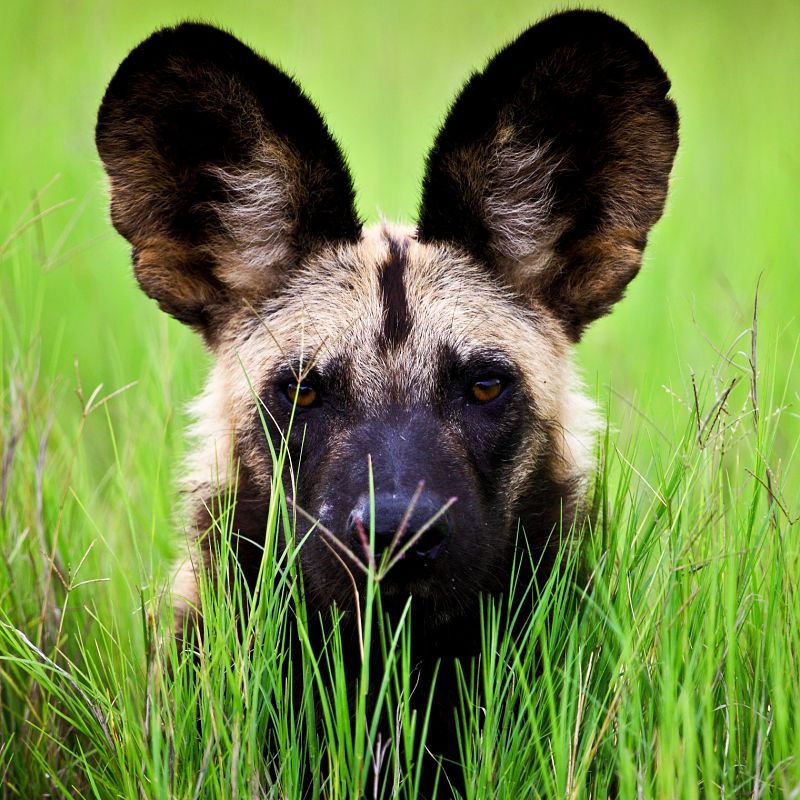
DIY masks are inherently artistic. They are a tangible expression of an individual’s creativity, skill, and aesthetic sensibilities. The process allows for complete artistic control, from the choice of colors and textures to the exaggeration or simplification of features. This personalized approach to art fosters a sense of ownership and pride in the final creation.
Statistics from the craft industry reveal a consistent upward trend in DIY projects, with a significant portion attributed to wearable art and costume creation. This indicates a growing societal appreciation for handcrafted items that allow for unique personal expression. People are seeking ways to stand out and to imbue their lives with a sense of individuality.
Social Connection and Community
While a solitary creative pursuit, the act of making and displaying animal masks can also foster social connections. Mask-making workshops or online communities dedicated to the craft provide platforms for sharing inspiration, techniques, and the finished products. Furthermore, wearing these masks at events like festivals, parades, or themed parties creates opportunities for interaction and shared experiences.
Imagine the vibrant visual spectacle at a music festival where attendees are adorned with a kaleidoscope of fantastical animal masks. These masks become conversation starters, icebreakers, and visual landmarks that connect individuals who might otherwise remain strangers. The shared experience of embracing a wilder, more expressive identity can forge unexpected bonds.
Mindfulness and Stress Relief
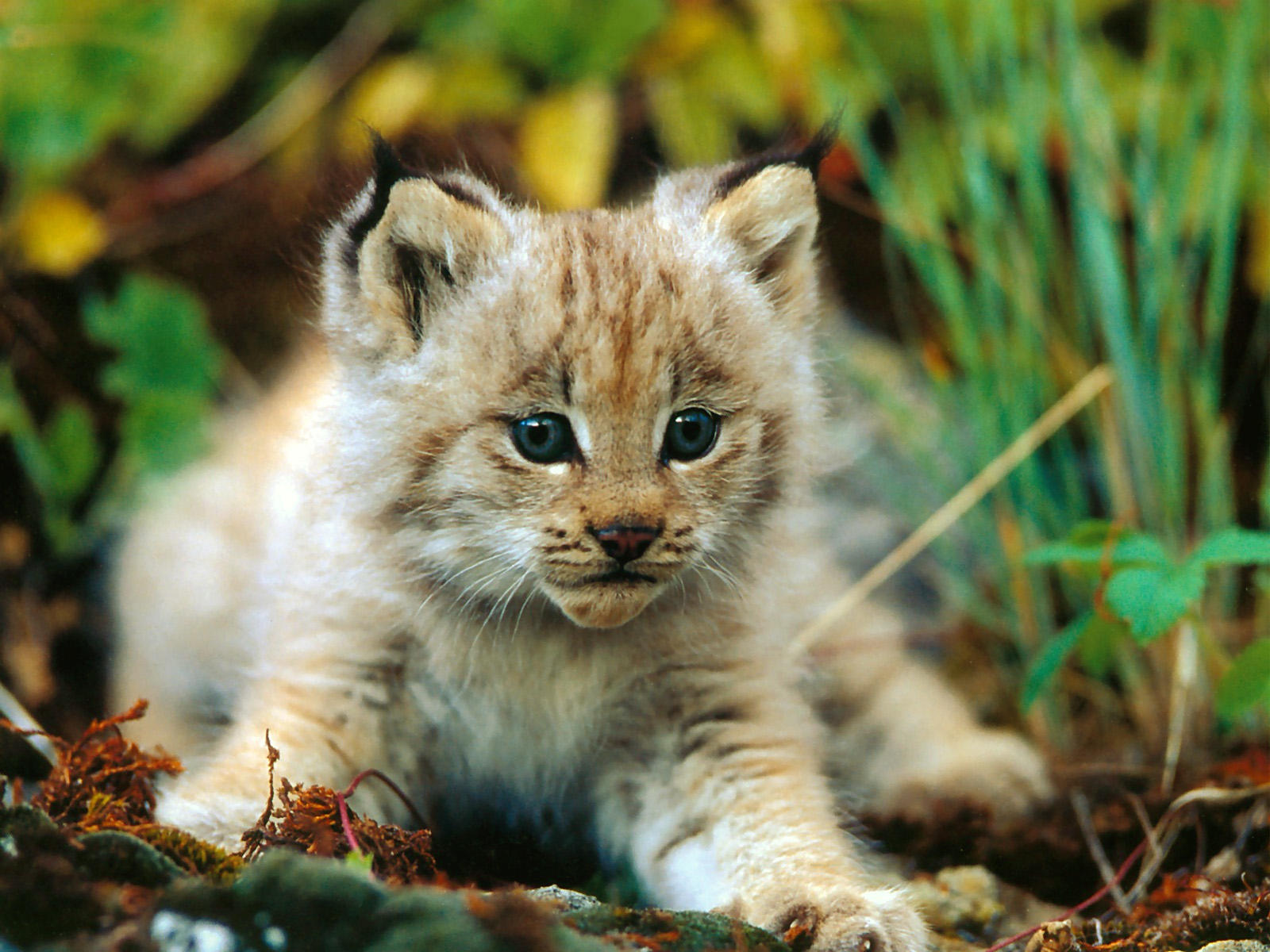
The focused nature of crafting can be a powerful form of mindfulness. The repetitive motions of cutting, gluing, or painting can induce a state of flow, drawing the crafter’s attention away from everyday stressors and anxieties. The tangible progress and the satisfaction of completing a project can also provide a significant boost to mood and self-esteem.
Research from the University of Sussex has shown that engaging in creative activities, even for short periods, can reduce levels of the stress hormone cortisol. The meticulous nature of mask making, requiring concentration and attention to detail, can act as a meditative practice, offering a welcome respite from the demands of modern life.
Unleash Your Inner Beast
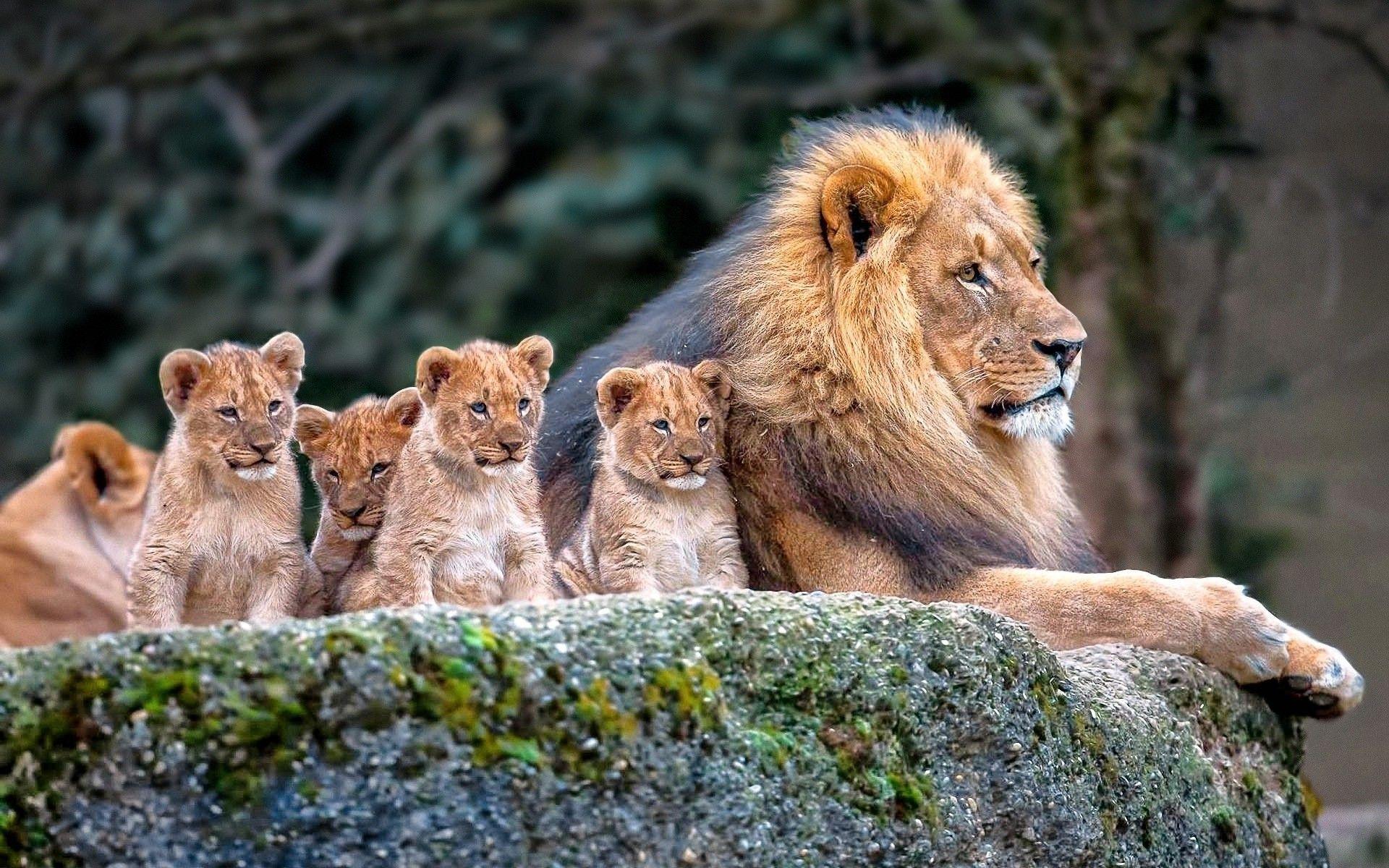
The DIY animal head mask movement is more than just a trend; it’s a testament to the enduring human need for self-expression, creativity, and a connection to the primal. By venturing into the world of crafting your own wild identity, you not only create a unique wearable art piece but also embark on a journey of personal discovery and empowerment. Whether driven by symbolism, aesthetics, or the sheer joy of creation, these masks offer a potent and playful way to shed your everyday skin and embrace a more liberated, imaginative, and ultimately, authentic self. So, gather your materials, choose your spirit animal, and unleash your inner beast – the wild is waiting to be worn.
