In an era where environmental consciousness is no longer a niche concern but a mainstream imperative, homeowners are increasingly scrutinizing their purchasing decisions. The pursuit of sustainability extends beyond renewable energy and organic produce; it now encompasses the very furniture that graces our living spaces. Among the myriad of options, mango wood coffee tables are emerging as a compelling choice for eco-conscious individuals seeking to blend style with ethical responsibility. This article delves into why mango wood is a sustainable marvel and how it can elevate your home décor while minimizing your environmental footprint.
The Rise of Sustainable Furniture
The furniture industry, historically, has relied heavily on resource-intensive materials and manufacturing processes. The demand for exotic hardwoods, often sourced from rainforests with questionable logging practices, has contributed to deforestation and biodiversity loss. Moreover, the use of toxic chemicals in finishes and adhesives can negatively impact indoor air quality. Consequently, a growing movement towards sustainable furniture has gained momentum, driven by consumers who are actively seeking alternatives that are:
- Made from renewable or recycled materials.
- Sourced ethically and with minimal environmental impact.
- Manufactured using eco-friendly processes.
- Durable and long-lasting, reducing the need for frequent replacement.
- Free from harmful chemicals.
This paradigm shift has opened the door for materials like mango wood, which offer a unique combination of aesthetic appeal, durability, and environmental benefits.
Mango Wood: A Sustainable Treasure

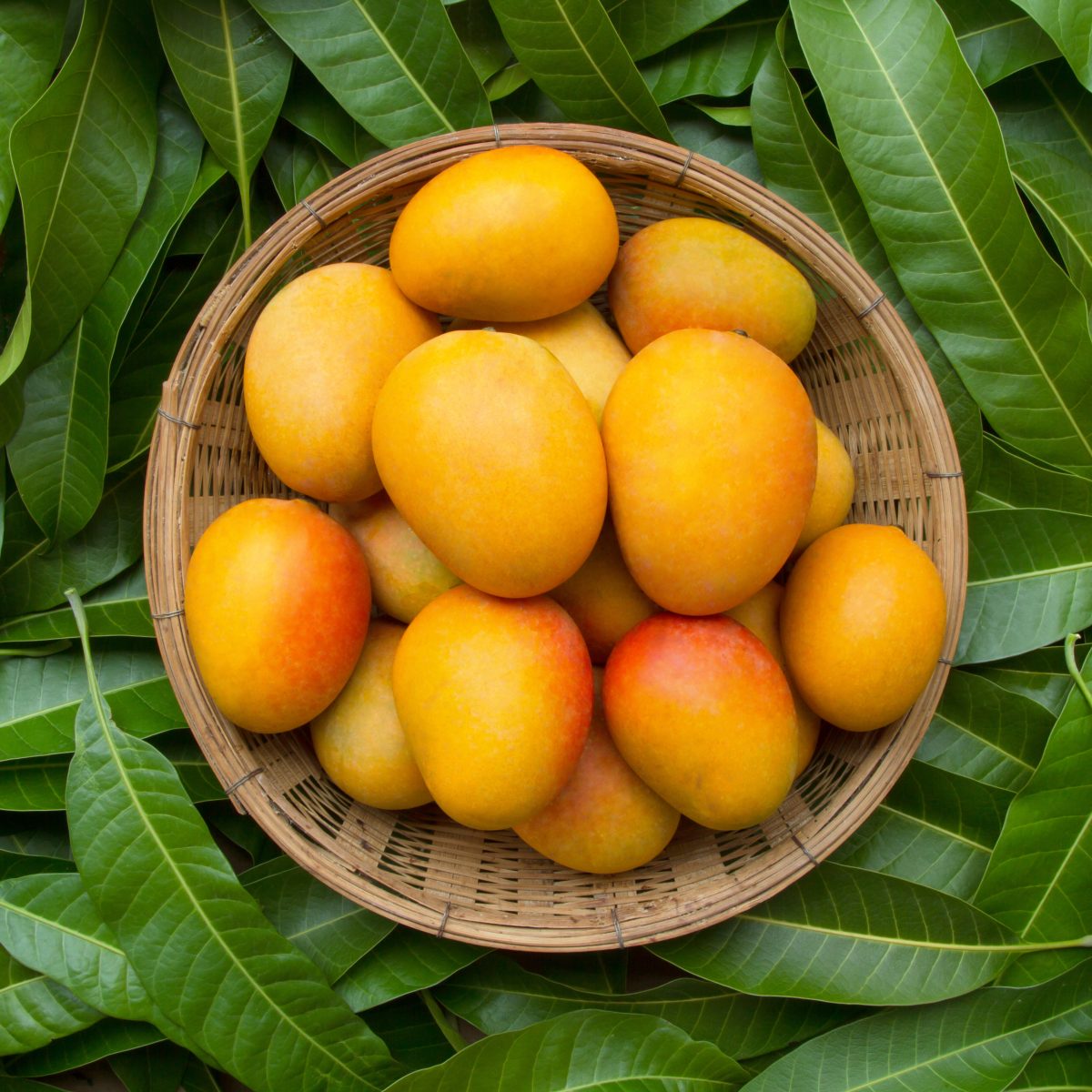
Mango wood, derived from the mango tree (Mangifera indica), is a testament to the fact that beautiful and functional materials can also be environmentally sound. Unlike traditional hardwoods that require decades or even centuries to mature, mango trees are primarily cultivated for their fruit. Once a mango tree reaches the end of its productive fruit-bearing life, typically after 15-20 years, it is harvested. This inherent lifecycle makes mango wood a highly sustainable resource. Here’s why:
- Renewable Resource: Mango trees are a renewable resource. As they are replanted for fruit production, there’s a continuous supply of wood available without depleting natural forests.
- Waste Utilization: Harvesting mango wood utilizes trees that would otherwise be cut down and discarded after their fruiting period. This repurposing prevents waste and maximizes the value of the agricultural resource.
- Faster Growth Cycle: Compared to many hardwoods, mango trees grow relatively quickly, making their wood a more readily available and less resource-intensive option.
- Reduced Deforestation Pressure: By utilizing wood from cultivated mango trees, the demand for timber from endangered or slow-growing forests is reduced, helping to protect vital ecosystems.
According to the Food and Agriculture Organization of the United Nations (FAO), the mango fruit industry is a significant agricultural sector globally, with countries like India, China, and Indonesia being major producers. This widespread cultivation ensures a consistent and ethical supply of mango wood.
The Aesthetic Allure of Mango Wood Coffee Tables

Beyond its sustainability credentials, mango wood coffee tables are highly sought after for their unique and captivating aesthetic qualities. The wood itself boasts a rich, warm, and inviting color palette, ranging from light golden hues to deeper browns with hints of red or green. Its grain patterns are often distinctive, featuring swirling lines, knots, and natural variations that lend each piece a sense of individuality and character.
Diverse Styles to Complement Any Décor
Mango wood’s versatility allows it to be fashioned into a wide array of coffee table designs, catering to diverse interior design preferences:
- Rustic and Farmhouse: With its natural imperfections and warm tones, mango wood is perfect for creating a cozy, rustic, or farmhouse-inspired ambiance. Think chunky, solid designs with visible grain and minimal embellishments.
- Mid-Century Modern: Clean lines, tapered legs, and a focus on the natural beauty of the wood make mango wood a fantastic choice for mid-century modern aesthetics.
- Bohemian and Eclectic: The organic nature of mango wood lends itself beautifully to bohemian and eclectic styles, often paired with other natural materials or vibrant textiles.
- Industrial: Mango wood can be juxtaposed with metal elements, such as iron legs or frames, to create a striking industrial-chic coffee table.
- Contemporary and Minimalist: Smooth finishes and streamlined silhouettes can highlight the inherent elegance of mango wood in more contemporary settings.
Consider, for example, the increasing popularity of live-edge mango wood coffee tables. These pieces showcase the natural, unfinished edge of the wood, celebrating its organic form and adding a statement piece to any living room.
Craftsmanship and Durability

Mango wood is known for its durability and strength, making it an excellent material for furniture that will withstand the rigard of daily use. It is a hardwood, offering good resistance to dents and scratches. Its dense structure ensures longevity, meaning a well-crafted mango wood coffee table can be a cherished heirloom for generations.
The Importance of Ethical Sourcing and Craftsmanship
When choosing a mango wood coffee table, it’s crucial to consider the ethical sourcing and craftsmanship involved. Reputable manufacturers and retailers will:
- Source their wood from certified sustainable plantations.
- Employ fair labor practices.
- Utilize eco-friendly finishing techniques, such as natural oils and waxes, instead of volatile organic compounds (VOCs) that can harm indoor air quality.
- Prioritize quality craftsmanship to ensure the longevity of the product.
Many furniture companies are now transparent about their supply chains and manufacturing processes, offering certifications or detailed information about the origin of their materials and their commitment to sustainability. For instance, some brands collaborate directly with artisan communities in mango-growing regions, ensuring that local craftspeople are fairly compensated and that traditional woodworking skills are preserved.
Case Study: The Growing Demand for Sustainable Mango Wood Furniture

Several furniture brands have recognized the potential of mango wood and are championing its use in sustainable furniture collections. For example, brands specializing in eco-friendly home décor often feature extensive ranges of mango wood coffee tables, highlighting their commitment to ethical sourcing and sustainable practices. These brands actively promote the narrative of “waste-to-wood” and the agricultural origins of their products, educating consumers about the environmental benefits. Online retailers are also playing a significant role, making it easier for consumers to discover and purchase sustainable mango wood furniture from a variety of sources.
Caring for Your Mango Wood Coffee Table
To ensure the longevity and beauty of your mango wood coffee table, proper care is essential. Mango wood is relatively low maintenance, but a few simple practices can make a big difference:
- Regular Cleaning: Dust your coffee table regularly with a soft, dry cloth. For spills or stains, use a slightly damp cloth and dry immediately.
- Avoid Harsh Chemicals: Never use abrasive cleaners or harsh chemicals on your mango wood furniture, as they can damage the finish and the wood itself.
- Use Coasters and Placemats: Protect the surface from heat, moisture, and scratches by using coasters for drinks and placemats for hot dishes.
- Maintain Humidity Levels: Extreme fluctuations in humidity can cause wood to expand or contract. Aim for a consistent indoor humidity level.
- Occasional Oiling: Depending on the finish, you might consider occasionally applying a natural wood oil or wax to nourish and protect the wood, enhancing its natural luster.
By following these simple care tips, your mango wood coffee table will remain a beautiful and functional centerpiece in your home for years to come.
The Future of Sustainable Coffee Tables
As consumer awareness and demand for sustainable products continue to grow, materials like mango wood are poised to play an even more significant role in the furniture industry. The circular economy principles, which advocate for reducing waste and maximizing resource utilization, align perfectly with the inherent sustainability of mango wood. We can expect to see further innovation in mango wood furniture design and manufacturing, with an increasing focus on eco-friendly finishes, modular designs for repairability, and a greater emphasis on transparency in supply chains.
Statistics from market research firms indicate a steady rise in the global sustainable furniture market, with a projected compound annual growth rate that bodes well for materials like mango wood. This trend signifies a positive shift towards a more responsible and environmentally conscious approach to home décor.
A Stylish Statement for a Greener Home
Mango wood coffee tables offer a compelling fusion of style, durability, and environmental responsibility. Their origin as a byproduct of a renewable agricultural resource, coupled with their inherent aesthetic beauty and strength, makes them an ideal choice for eco-conscious homeowners. By selecting a mango wood coffee table, you are not only investing in a beautiful piece of furniture but also supporting sustainable practices, reducing waste, and contributing to a greener future. Embrace the warmth, character, and ethical appeal of mango wood and transform your living space into a sanctuary of sustainable style.
