When it comes to weighing objects, a reliable scale is essential, especially for those that require precision and accuracy. Whether you are in a commercial setting, a laboratory, or just looking to weigh heavy items at home, a 500 lb scale can be a great investment. This guide will help you navigate the various options available, understand key features, and make an informed decision when selecting the right scale for your needs.
Understanding the Importance of a 500 lb Scale
Choosing the right scale is crucial for various reasons, including:
- Accuracy: A good scale ensures that you are weighing items correctly, which can be critical in industries like shipping and pharmaceuticals.
- Durability: A high-quality scale can withstand heavy use and last longer than cheaper alternatives.
- Ease of Use: User-friendly interfaces and features enhance efficiency, especially in busy environments.
Types of 500 lb Scales

There are several types of 500 lb scales available on the market, each designed to meet different needs. Here are the most common types:
- Digital Scales: These scales provide a digital readout, making them easy to read and often more precise than analog scales.
- Mechanical Scales: These scales use a system of springs and levers to measure weight. They are often more robust but may not offer the precision of digital scales.
- Industrial Scales: Designed for heavy-duty use in warehouses or manufacturing settings, these scales are built to withstand rigorous conditions.
- Portable Scales: Lightweight and easy to transport, these scales are ideal for on-the-go weighing needs.
Key Features to Consider
When choosing a 500 lb scale, consider the following features:
- Capacity: Ensure that the scale can handle the maximum weight you will be weighing. A scale rated for 500 lbs may be suitable for most applications, but if you expect to weigh heavier items, consider a scale with a higher capacity.
- Accuracy: Look for scales that provide precise measurements. The accuracy is usually indicated in the specifications (e.g., ±0.1 lb).
- Display: A clear, easy-to-read display is crucial for quick and accurate readings. Consider scales with backlit displays for use in low-light conditions.
- Platform Size: The size of the weighing platform should accommodate the items you plan to weigh. Ensure that larger items can fit comfortably on the scale.
- Power Source: Some scales are battery-operated, while others are plug-in. Consider your needs and environment when selecting a power source.
- Calibration: Scales should be easy to calibrate to maintain accuracy over time. Look for models with simple calibration procedures.
- Price: While it might be tempting to choose a cheaper model, investing in a high-quality scale can save you money in the long run.
Popular Brands and Models
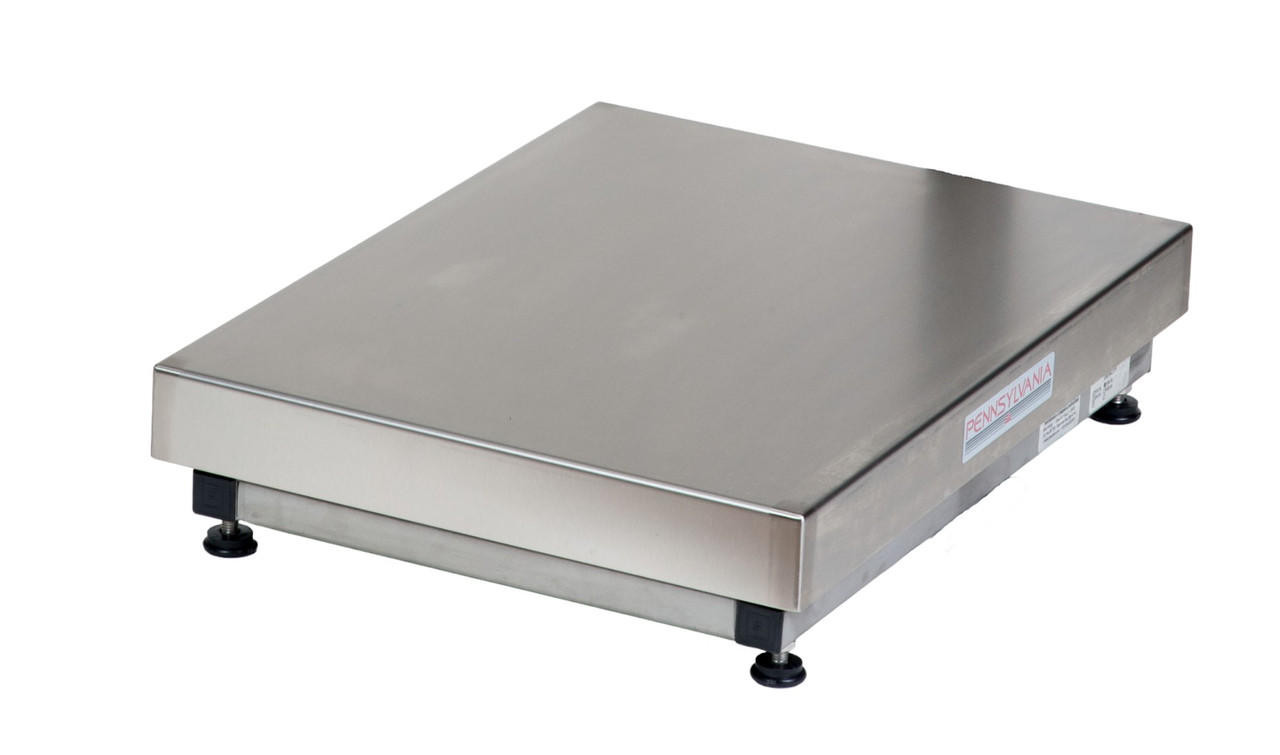
Here are some popular brands and models that offer reliable 500 lb scales:
- Ohaus: Known for precision and durability, Ohaus scales are widely used in both commercial and scientific settings.
- My Weigh: This brand offers a variety of scales including portable and digital options, known for their reliability.
- AccuWeight: AccuWeight scales are budget-friendly while still providing good accuracy and durability.
- Detecto: A trusted name in the industry, Detecto scales are ideal for industrial applications and provide excellent accuracy.
Case Studies: Real-World Applications
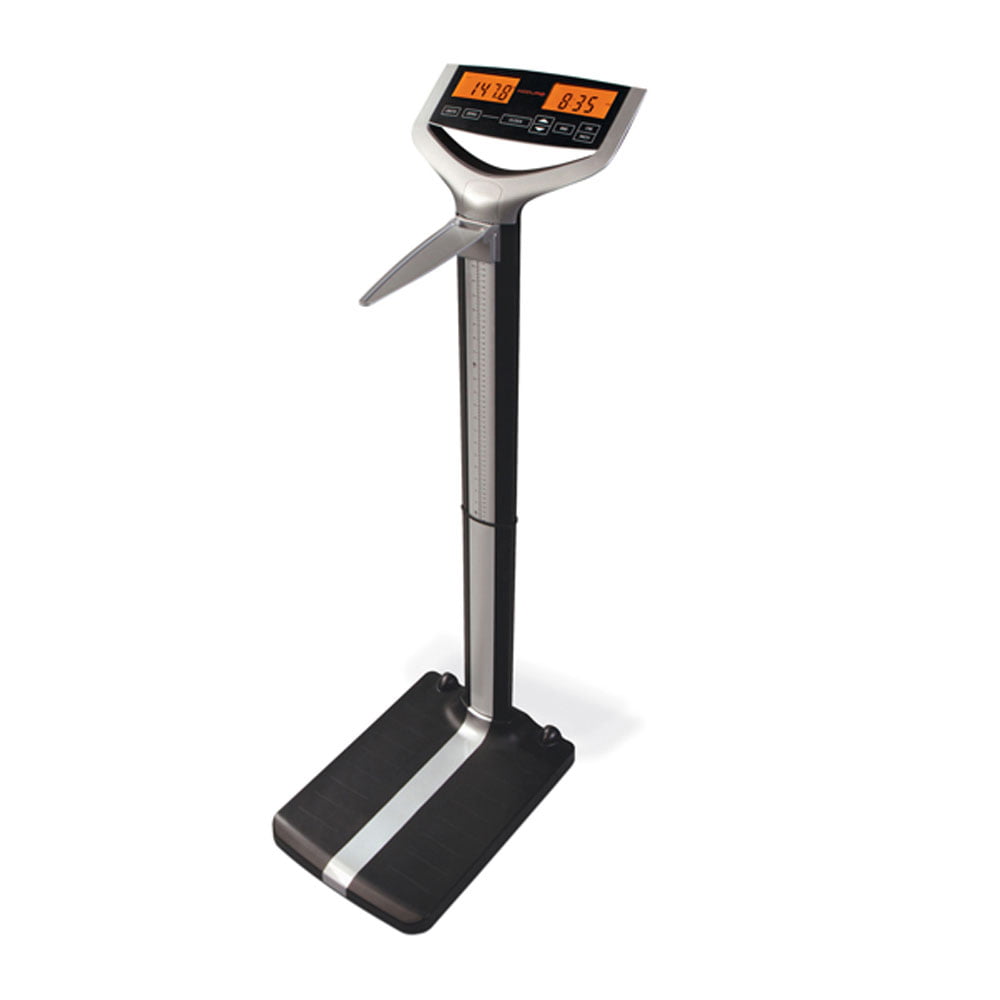
Understanding how different sectors utilize 500 lb scales can give insight into their functionality and importance:
Case Study 1: Shipping and Logistics
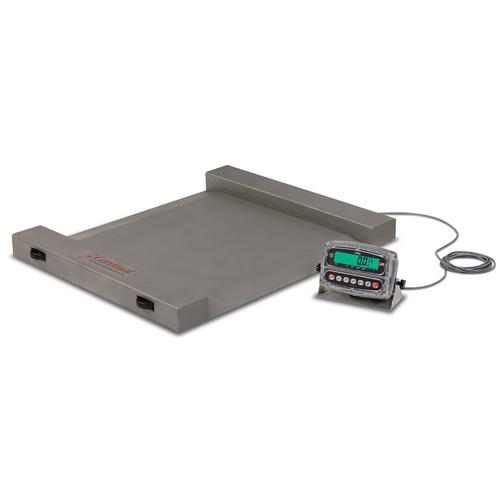
In the shipping industry, accurate weight measurement is crucial for cost efficiency and compliance with regulations. A logistics company implemented digital 500 lb scales to streamline their shipping process. By using these scales, they were able to:
- Reduce shipping errors by 30%.
- Improve loading efficiency, saving an average of 2 hours per day.
- Ensure compliance with weight regulations to avoid fines.
Case Study 2: Food Industry
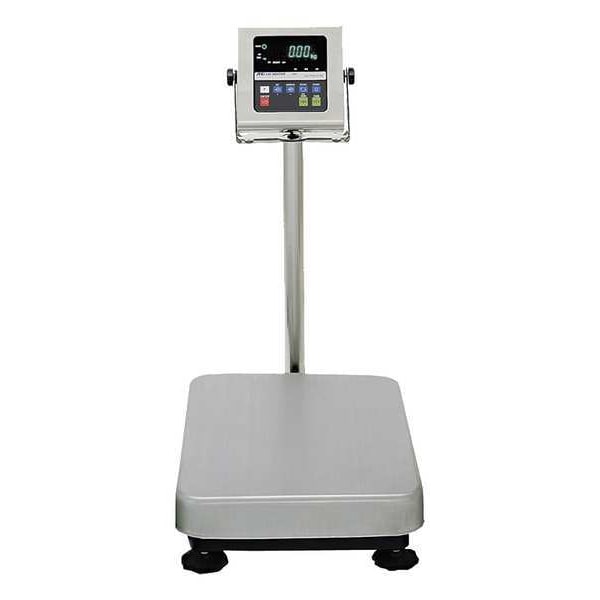
A restaurant supply company utilized a heavy-duty 500 lb scale to weigh bulk ingredients. By investing in a high-quality scale, they achieved:
- Increased accuracy in ingredient measurement, improving food quality.
- Enhanced cost control by reducing ingredient waste.
- Faster preparation times due to efficient weighing processes.
Maintenance Tips for Longevity
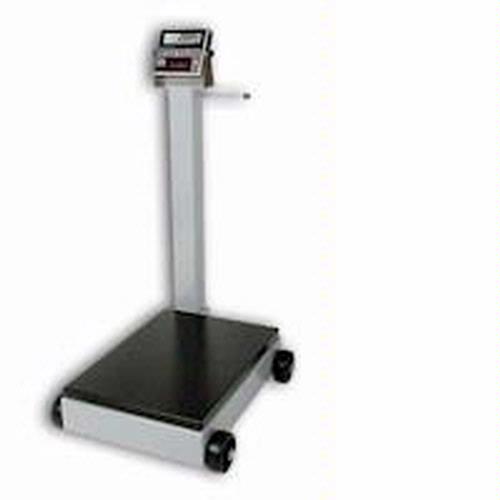
To ensure your 500 lb scale lasts as long as possible, consider these maintenance tips:
- Regular Calibration: Calibrate your scale regularly to maintain accuracy.
- Cleanliness: Keep the scale clean and free from debris that could affect its performance.
- Proper Storage: Store the scale in a dry, stable environment to prevent damage.
- Battery Care: If battery-operated, replace batteries as needed and store with fresh batteries when not in use.
Choosing the right 500 lb scale involves careful consideration of your specific needs, the types of scales available, and the key features that will provide the precision and durability required for your applications. By understanding the importance of accuracy, exploring various types, and evaluating popular brands, you can make an informed decision that will enhance your efficiency and productivity. Remember to maintain your scale properly to ensure longevity and reliability. Whether you are in shipping, food service, or any other industry, investing in a quality 500 lb scale is crucial for your operational success.
