In the world of luxury accessories, often the smallest details dictate the perceived value and enduring appeal of an item. While the exquisite leather, the intricate stitching, and the polished hardware of a designer pocketbook command immediate attention, the handle – the very point of connection between owner and object – often holds a subtler, yet equally crucial, significance. Among the pantheon of materials used for pocketbook handles, wood stands apart, offering a unique blend of natural beauty, tactile warmth, and artisanal craftsmanship that can elevate a simple accessory into a true work of art. This article delves into the captivating realm of crafting wooden pocketbook handles that don’t just serve a function, but truly stand out, imbuing each piece with a story and an unmistakable character.
The Unrivaled Allure of Wood: Beyond the Ordinary

While metal, resin, and acrylic handles have their place, wood possesses an inherent elegance that resonates deeply. Its organic grain patterns, varied hues, and the subtle warmth it offers to the touch create a sensory experience unmatched by synthetic alternatives. Furthermore, wood allows for a degree of personalization and artistry that is difficult to replicate. The diversity of wood species alone provides a vast palette for designers and craftspeople.
A Symphony of Species: Choosing the Right Wood
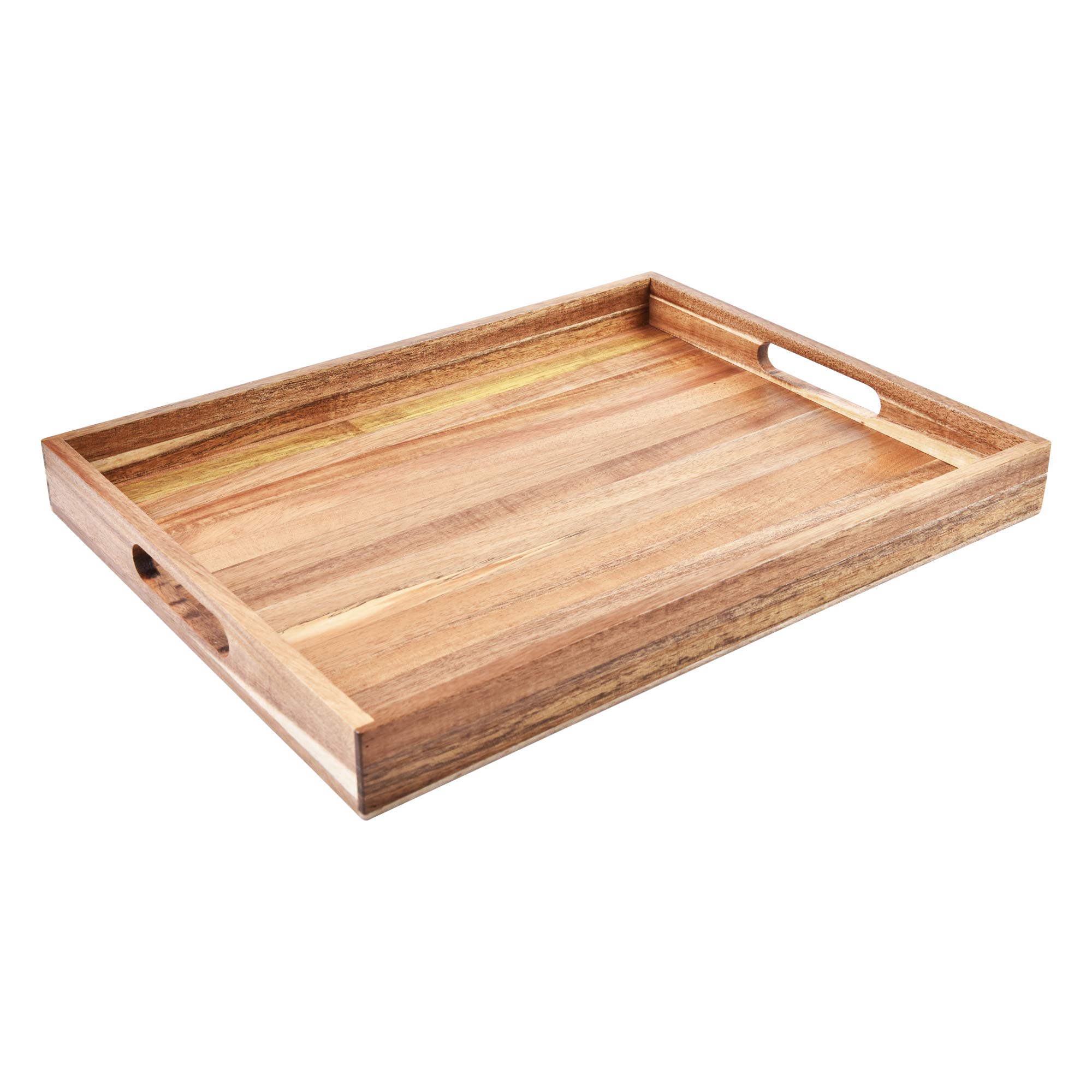
The selection of wood is paramount to the success of a wooden pocketbook handle. Each species brings its own distinct characteristics, influencing both the aesthetic and the tactile qualities of the final product. Some of the most favored woods include:
- Walnut: Renowned for its rich, deep brown color and beautiful, often complex, grain patterns, walnut offers a luxurious and sophisticated feel. It is also relatively hard and durable, making it suitable for daily use.
- Mahogany: With its reddish-brown hue and fine, straight grain, mahogany exudes a classic and timeless elegance. It’s known for its stability and resistance to warping.
- Maple: Offering a lighter, creamy color and a smoother, more uniform grain, maple provides a contemporary and versatile option. Bird’s eye or curly maple can add a unique visual texture.
- Cherry: Cherry wood deepens in color with age, developing a warm, reddish-brown patina over time. Its fine, straight grain is subtle and refined.
- Exotic Woods (e.g., Rosewood, Ebony): For truly exceptional pieces, exotic woods like rosewood with its striking dark streaks or ebony with its deep black intensity can command a premium and offer unparalleled visual drama.
The choice of wood is not merely aesthetic; it also influences the weight, durability, and even the scent of the handle. A skilled artisan understands these nuances, selecting the wood that best complements the overall design and intended use of the pocketbook.
The Craftsmanship: Where Artistry Meets Precision
The creation of a truly outstanding wooden pocketbook handle is a testament to meticulous craftsmanship and a deep understanding of the material. It is a process that bridges traditional woodworking techniques with contemporary design sensibilities.
From Blank to Bespoke: The Sculpting Process

The journey of a wooden handle begins with a carefully selected block of wood. The process typically involves:
- Selection and Preparation: Choosing a piece of wood with desirable grain, free from knots or defects. The wood is then seasoned to ensure stability.
- Shaping and Carving: Using a combination of hand tools (chisels, gouges, planes) and power tools (band saws, routers, sanders), the artisan meticulously shapes the wood to the desired form. This can range from simple, ergonomic curves to intricate, sculptural designs.
- Sanding and Polishing: Achieving a silky-smooth finish is crucial. This involves a multi-stage sanding process, gradually moving from coarser grits to ultra-fine grits.
- Finishing: A protective and enhancing finish is applied. This could be a natural oil, a wax, or a high-gloss lacquer, depending on the desired look and feel. The finish not only protects the wood but also accentuates its natural beauty.
Consider the case of a bespoke handbag designer who commissions custom wooden handles from a woodturner. The designer might request a specific ergonomic curve to fit the palm perfectly, or perhaps a handle carved with subtle floral motifs that echo the embroidery on the bag itself. This level of collaboration and artisanal skill is what transforms a functional component into a signature element.
Standing Out: Design Elements that Captivate
Beyond the inherent beauty of the wood itself, several design elements can make a wooden pocketbook handle truly exceptional and memorable.
1. Sculptural Form and Ergonomics
A well-designed wooden handle is not just visually appealing; it should also feel good in the hand. This involves considering the natural contours of the palm and the way the handle will be held. Handles can be:
- Ergonomically Shaped: Gently curved to fit the hand comfortably for extended periods.
- Sculptural: Featuring abstract shapes, organic forms, or even stylized animal or floral motifs. These can become conversation starters and focal points of the bag.
- Asymmetrical: Deliberately designed with slight variations to add visual interest and a handcrafted feel.
One notable example is the work of certain independent handbag designers who commission handles from sculptors, resulting in pieces that resemble flowing art rather than mere accessories. These might feature spiraling forms or the gentle undulation of a wave.
2. Inlay and Embellishment: Adding Layers of Luxury

The surface of a wooden handle provides a canvas for further artistic expression. Inlay work, the art of embedding different materials into the wood, can add significant depth and opulence.
- Metal Inlays: Thin strips of brass, copper, or silver can be inlaid to create geometric patterns, monograms, or delicate lines that complement the wood’s grain.
- Mother-of-Pearl or Abalone Inlay: These iridescent materials catch the light beautifully, adding a shimmering contrast to the wood.
- Stone Inlay: Small, precisely cut gemstones or semi-precious stones can be incorporated for a touch of color and luxury.
- Wood Inlay: Contrasting wood species can be used to create intricate marquetry designs, showcasing exceptional skill and patience.
High-end jewelry brands often incorporate precious metals or gemstones into their wooden watch cases and accessories. This same principle can be applied to pocketbook handles, creating pieces that are as much fine jewelry as they are functional components.
3. Unique Finishes and Treatments

The finish applied to a wooden handle plays a critical role in its final appearance and tactile quality. Beyond standard lacquers, artisans explore a variety of treatments:
- Textured Finishes: Techniques like distressing, wire brushing, or even Shou Sugi Ban (Japanese charred wood) can create unique tactile and visual textures.
- Patina Development: Allowing the wood to age naturally or using specific treatments to accelerate patina development can result in a rich, aged look that adds character.
- Color Stains and Dyes: While preserving the wood grain, stains and dyes can be used to achieve bolder or more unconventional colors, expanding the design possibilities.
Imagine a pocketbook with a handle finished in a deep, matte black ebony with subtle streaks of silver inlay – the contrast and tactile experience would be extraordinary. Or consider a burl wood handle with a natural, oil-based finish that accentuates its wild, organic patterns.
The Market and Consumer Appeal: Why Wood Endures

The appeal of wooden pocketbook handles is not a fleeting trend; it is rooted in a consumer desire for authenticity, craftsmanship, and sustainable luxury. Statistics suggest a growing appreciation for artisanal products.
- A report by Statista indicated a steady growth in the luxury goods market, with consumers increasingly valuing unique, handcrafted items over mass-produced goods.
- The rise of sustainable fashion has also contributed to the appeal of natural materials like wood, which can be sourced responsibly.
- Online marketplaces dedicated to handmade and artisanal goods have seen significant growth, demonstrating a demand for unique, handcrafted accessories.
Brands that successfully incorporate beautifully crafted wooden handles often tap into a niche market of discerning consumers who appreciate the story behind the product, the skill involved in its creation, and the unique character that wood brings. These consumers are often willing to pay a premium for such artisanal quality.
Challenges and Considerations in Crafting Wooden Handles
While the rewards of crafting exceptional wooden handles are significant, there are also inherent challenges:
- Durability: Wood can be susceptible to scratches, dents, and moisture damage. Careful selection of wood species and robust finishing techniques are crucial for longevity.
- Consistency: Natural wood grain is unique, meaning that no two handles will be exactly alike. While this is often a desired characteristic, maintaining a consistent aesthetic across a collection can be a challenge.
- Cost: High-quality wood and the skilled labor required for intricate carving and finishing can increase production costs.
- Maintenance: Some wooden handles may require occasional re-oiling or waxing to maintain their luster.
However, these challenges are often what lend to the exclusivity and perceived value of wooden handles. The very imperfections and unique characteristics of wood are part of its charm.
A Timeless Statement of Style and Craft
In an era dominated by mass production and fleeting trends, the art of crafting wooden pocketbook handles stands as a powerful testament to enduring elegance, meticulous craftsmanship, and the timeless beauty of natural materials. From the careful selection of exquisite wood species to the intricate sculpting, inlay, and finishing techniques, each step in the creation of a wooden handle is a deliberate act of artistry. These handles are not merely functional components; they are miniature sculptures that speak of heritage, skill, and a discerning appreciation for the tactile and visual richness that only wood can provide. For the discerning consumer, a pocketbook adorned with a meticulously crafted wooden handle is more than just an accessory; it is a statement of personal style, a connection to artisanal tradition, and a piece of functional art designed to be cherished for years to come.
