Hermit crabs, with their endearing personalities and fascinating behaviors, have captivated the hearts of many pet enthusiasts. While their care requirements are relatively straightforward, providing them with the right accessories and supplies is paramount to ensuring their health, happiness, and longevity. This comprehensive guide will delve into every essential element needed to create a thriving miniature ocean environment for your beloved hermit crabs, from the foundational habitat to enriching enrichment items. We’ll explore the science behind their needs, offer practical advice, and equip you with the knowledge to become a responsible and successful hermit crab parent.
Understanding Your Hermit Crab’s Needs: The Foundation of Proper Care
Before diving into specific accessories, it’s crucial to understand the natural habitat and behavioral patterns of hermit crabs. These terrestrial crustaceans, despite their name, require access to both freshwater and saltwater. They are social creatures and thrive in groups, and their exoskeleton necessitates molting – a vulnerable period where they shed their old shell and grow a new one. This understanding will guide your purchasing decisions and ensure you’re providing an environment that mimics their natural world as closely as possible.
The Importance of a Suitable Enclosure
The tank, often referred to as a “terrarium” or “crabitat,” is the cornerstone of your hermit crab’s home. Size matters, and it’s generally better to err on the side of too big rather than too small. A good rule of thumb is at least 10 gallons for every two small hermit crabs, and larger tanks are always preferable to allow for ample space for exploration, digging, and molting.
Choosing the Right Tank Material and Lid
- Glass Tanks: These are the most common and easiest to clean. They offer excellent visibility, allowing you to observe your crabs’ activities.
- Plastic Tanks: While often more affordable, plastic tanks can be harder to clean and may scratch over time, affecting visibility. Ensure they are specifically designed for small pets and are non-toxic.
- Secure Lid: Hermit crabs are escape artists! A tight-fitting, secure lid is non-negotiable. Mesh lids are common, but ensure they have small enough openings to prevent escape and allow for proper ventilation. Some owners prefer solid lids with ventilation holes to help maintain humidity.
Substrate: The Unsung Hero of the Crabitat

The substrate is the material that lines the bottom of your hermit crab’s tank. It plays a vital role in maintaining humidity, allowing for digging and burrowing (essential for molting), and providing a comfortable surface for your crabs.
Essential Substrate Components
- Playsand: This is a readily available and cost-effective option. However, it’s crucial to use pure play sand, free from additives, chemicals, or dyes.
- Coconut Fiber (Eco Earth): This is a highly recommended substrate. It holds moisture exceptionally well, aiding in humidity control, and provides a soft, burrowable texture. It’s also biodegradable.
- Crab-Specific Substrate Mixes: Many pet stores offer pre-mixed substrates formulated for hermit crabs. While convenient, always check the ingredients to ensure they are natural and free from harmful additives.
Ideal Substrate Depth: A minimum depth of 6 inches is recommended, but deeper is always better. This allows your hermit crabs ample room to burrow completely for molting, a critical process for their survival. A depth of 10-12 inches is ideal for larger crabs or for those who enjoy extensive digging.
Temperature and Humidity: Mimicking the Tropics

Hermit crabs are tropical creatures and require specific temperature and humidity levels to thrive. Failure to maintain these conditions can lead to lethargic behavior, molting problems, and even death.
Maintaining Optimal Temperature
- Temperature Range: The ideal temperature for hermit crabs is between 75°F and 85°F (24°C to 29°C).
- Heating Methods:
- Under-Tank Heater (UTH): This is the most common and effective method. Attach it to the side or back of the tank (never the bottom, as it can dry out the substrate). Use a thermostat to regulate the temperature precisely.
- Heat Lamp: While less common for hermit crabs, a low-wattage heat lamp can be used in conjunction with a UTH, especially in larger enclosures, but requires careful monitoring to avoid overheating.
Controlling Humidity Levels
- Humidity Range: The ideal humidity level is between 70% and 85%.
- Measuring Humidity: A digital hygrometer is essential for accurate readings.
- Increasing Humidity:
- Deep Substrate: As mentioned, a deep substrate, especially coconut fiber, helps retain moisture.
- Water Bowls: Providing two water sources – one freshwater and one saltwater – is crucial. Use deep, stable bowls that your crabs can easily access but not get trapped in.
- Misting: Regular misting of the tank walls and substrate with dechlorinated water can help maintain humidity.
- Moss: Sphagnum moss, placed in a corner or within a hide, is excellent at retaining moisture and can significantly boost humidity.
- Decreasing Humidity (less common but important): If humidity is too high, ensure adequate ventilation and consider removing any stagnant water sources temporarily.
Case Study: The Impact of Incorrect Humidity. A common scenario for new hermit crab owners is a crab that becomes lethargic and eventually dies. Often, the root cause is insufficient humidity. Without the proper moisture, their gills dry out, making it difficult to breathe. This highlights the critical importance of a hygrometer and consistent efforts to maintain the correct humidity.
Essential Accessories for a Functional Crabitat
Beyond the foundational elements, several accessories are vital for the day-to-day well-being and stimulation of your hermit crabs.
Water Sources: The Lifeline of Your Hermit Crab

Access to both freshwater and saltwater is non-negotiable for hermit crabs. These are not just for drinking; they are essential for maintaining their internal moisture balance and for flushing their gills.
Freshwater and Saltwater Bowls
- Type of Water:
- Freshwater: Use only dechlorinated water. Tap water contains chlorine and chloramines, which are toxic to hermit crabs. You can achieve this by using a reptile water conditioner or by letting tap water sit out for at least 24-48 hours to allow the chlorine to evaporate (though this doesn’t remove chloramines).
- Saltwater: Use marine salt specifically designed for saltwater aquariums. Never use table salt. Mix the salt with dechlorinated water according to the product’s instructions to achieve a specific gravity of 1.024-1.026.
- Bowl Depth and Accessibility: Bowls should be deep enough for your crabs to submerge but should have ramps or natural materials (like pebbles or sponges) to allow them to get in and out easily. This prevents drowning.
- Filtration: While not strictly necessary for small setups, some owners choose to add a small, gentle filter to the water bowls to keep them clean. Frequent water changes are crucial regardless of filtration.
Food and Feeding Dishes

Hermit crabs are scavengers and omnivores, meaning they eat a varied diet. Providing the right food and a suitable feeding dish is essential.
Dietary Essentials
A balanced diet for hermit crabs should include:
- Protein Sources: Cooked chicken, turkey, beef (plain, unseasoned), eggs, fish flakes, dried insects (mealworms, crickets), and commercial hermit crab food specifically formulated with high protein content.
- Fruits and Vegetables: Mango, banana, coconut, papaya, apple, berries, broccoli, spinach, carrots. Ensure all fruits and vegetables are organic and pesticide-free. Avoid citrus fruits and onions.
- Calcium Sources: Cuttlebone, crushed eggshells (baked and finely ground), oyster shells.
- Chitin: Found in insect exoskeletons, providing them with essential nutrients.
Foods to Avoid: Anything with added sugar, salt, artificial colors or preservatives, onions, garlic, avocado, and nuts.
Feeding Dish Considerations
- Material: Ceramic or glass dishes are best as they are easy to clean and won’t leach chemicals.
- Depth: The dish should be shallow enough for your crabs to access food easily without tipping.
- Multiple Dishes: Having separate dishes for wet and dry food can help prevent spoilage and maintain hygiene.
Hides and Climbing Structures: For Security and Stimulation
Hermit crabs are natural explorers and often seek out safe, enclosed spaces. Providing hides and climbing opportunities enriches their environment and caters to their behavioral needs.
Hides for Security
- Coconut Shells: Natural coconut shells offer a cozy and natural hiding spot.
- Ceramic Hides: Many pet stores offer ceramic hides designed for reptiles and small animals.
- Wooden Hides: Ensure any wooden hides are made from safe, untreated woods.
Climbing Opportunities
- Driftwood: Provides excellent climbing surfaces and adds a natural aesthetic.
- Cholla Wood: A porous wood that offers great climbing and burrowing opportunities.
- Sea Shells: Besides being homes, larger, stable shells can be used as climbing elements.
- Artificial Plants: Ensure they are made from non-toxic materials and are securely anchored.
- Ropes and Ladders: Specially designed climbing accessories made from natural fibers are a great addition.
The Importance of Variety: Offering a diverse range of textures and climbing challenges encourages physical activity and mental stimulation, leading to healthier and more engaged hermit crabs.
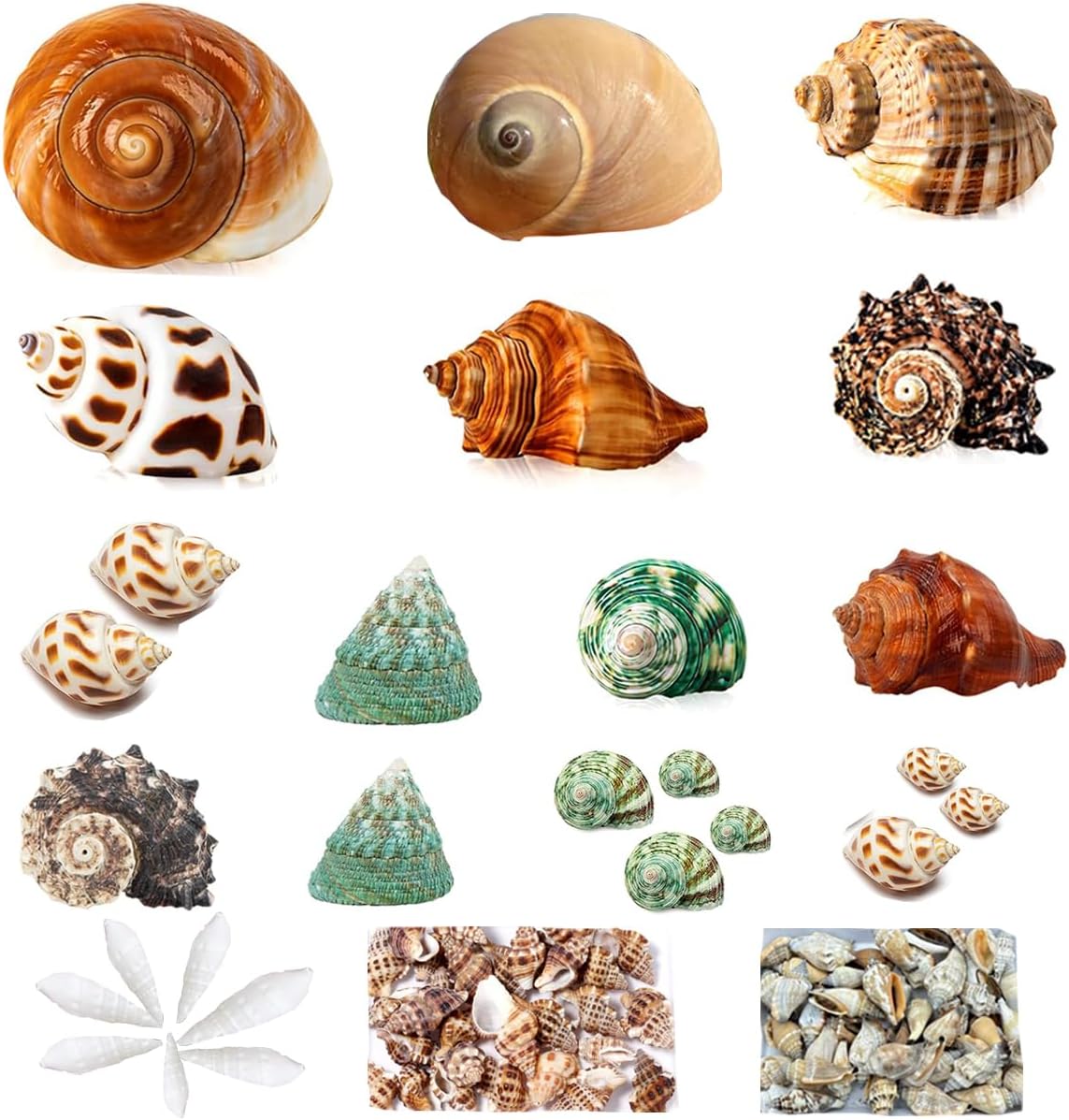
Shells: The Hermit Crab’s Mobile Home
As hermit crabs grow, they need to find larger shells to inhabit. Providing a variety of suitable spare shells is one of the most crucial aspects of their care.
Choosing the Right Spare Shells
- Shell Type: Turbans and murex shells are generally the most preferred by common hermit crab species.
- Opening Size: The opening of a spare shell should be slightly larger than your crab’s current shell opening.
- Shell Interior: The interior of the shell should be smooth. Avoid shells with jagged edges or excessive debris inside.
- No Painted or Varnished Shells: These are toxic and can harm your hermit crabs.
- Variety is Key: Offer shells of different shapes, sizes, and opening diameters to accommodate your crabs’ growth and preferences.
Statistic: Shell Scarcity Impact. Studies have shown that in some wild hermit crab populations, the availability of suitable shells is a significant limiting factor for population growth. This emphasizes the importance of providing ample spare shells in captivity.
Enrichment and Entertainment: Keeping Your Crabs Happy and Active
Beyond basic survival needs, enrichment items contribute significantly to a hermit crab’s quality of life, preventing boredom and encouraging natural behaviors.
Toys and Playthings

- Tunnels and Mazes: Provide opportunities for exploration and hiding.
- Swinging Toys: Small, lightweight toys that hang can encourage playful interaction.
- Natural Items: Smooth stones, pieces of bark, and other natural, non-toxic items can be incorporated into their environment for exploration.
Sand Baths and Moss Pits
These provide an additional layer of enrichment and cater to their natural instincts.
- Sand Baths: A separate shallow dish filled with moist sand can be a fun place for crabs to roll and clean themselves.
- Moss Pits: A designated area filled with damp sphagnum moss can be used for burrowing, hiding, and moisture absorption.
Maintenance and Hygiene: A Clean Home is a Healthy Home
Regular cleaning and maintenance are crucial to prevent the buildup of harmful bacteria and parasites, ensuring a healthy environment for your hermit crabs.
Daily Tasks
- Remove uneaten food.
- Check water levels and clean/refill water dishes.
- Spot clean any visible waste.
- Check temperature and humidity levels.
Weekly Tasks
- Thoroughly clean and disinfect water bowls.
- Clean feeding dishes.
- Wipe down tank walls.
- Turn or refresh the top layer of substrate.
Monthly Tasks
- Perform a partial substrate change (replacing about a third of the substrate).
- Deep clean the entire tank and all accessories.
- Sterilize spare shells.
Important Note: Never use harsh chemicals or soaps to clean the crabitat. Use hot water and a mild, pet-safe disinfectant or a vinegar and water solution. Rinse thoroughly.
Building a Thriving Ecosystem for Your Hermit Crabs
Creating the ultimate hermit crab habitat is an ongoing process of observation, adaptation, and dedication. By understanding their fundamental needs for a humid, warm environment, providing a varied and nutritious diet, and offering a wealth of stimulating accessories, you are well on your way to ensuring your hermit crabs lead healthy, happy, and fulfilling lives. Remember, a well-equipped crabitat is not just a home; it’s a miniature ecosystem that allows these fascinating creatures to express their natural behaviors and thrive. Investing in quality supplies and dedicating the time to proper maintenance will reward you with years of enjoyment watching your tiny adventurers explore their world.
