Table leg mounting plates are critical components in furniture design, playing a vital role in the stability, aesthetics, and functionality of tables. As consumers and manufacturers alike demand higher standards for durability and design, understanding the various materials and designs of these mounting plates becomes essential. This article aims to provide a comprehensive review of the materials and designs used in table leg mounting plates, comparing their advantages and disadvantages, and offering insights into their applications.
Understanding Table Leg Mounting Plates
Table leg mounting plates are metal or plastic fixtures that connect the table legs to the tabletop. They serve as the foundation for the table’s stability and strength. The choice of material and design directly influences the overall performance and longevity of the table. Key factors to consider include:
- Durability
- Weight capacity
- Aesthetic appeal
- Ease of installation
- Cost-effectiveness
Materials Used in Table Leg Mounting Plates
The materials used to manufacture table leg mounting plates vary widely, each offering unique properties. Below, we explore some common materials, examining their pros and cons.
1. Steel
Steel is one of the most popular materials for mounting plates due to its strength and durability. It can support significant weight and resist deformation over time.
- Advantages:
- High weight capacity
- Resistance to bending and breaking
- Long lifespan
- Disadvantages:
- Heavier compared to other materials
- Can rust if not properly coated
- May require more complex installation
2. Aluminum
Aluminum is a lightweight alternative to steel that offers good strength-to-weight ratios. It is often used in modern furniture designs.
- Advantages:
- Lightweight and easy to handle
- Corrosion-resistant
- Often available in various finishes
- Disadvantages:
- Lower weight capacity compared to steel
- Can be more expensive
- Softness may lead to scratches and dents
3. Plastic
Plastic mounting plates are often used in lightweight furniture and children’s tables. They can be molded into various shapes and designs easily.
- Advantages:
- Inexpensive
- Lightweight and easy to install
- Available in numerous colors and designs
- Disadvantages:
- Lower durability and weight capacity
- Susceptible to damage from heat and UV light
- Less aesthetic appeal compared to metal options
Designs of Table Leg Mounting Plates
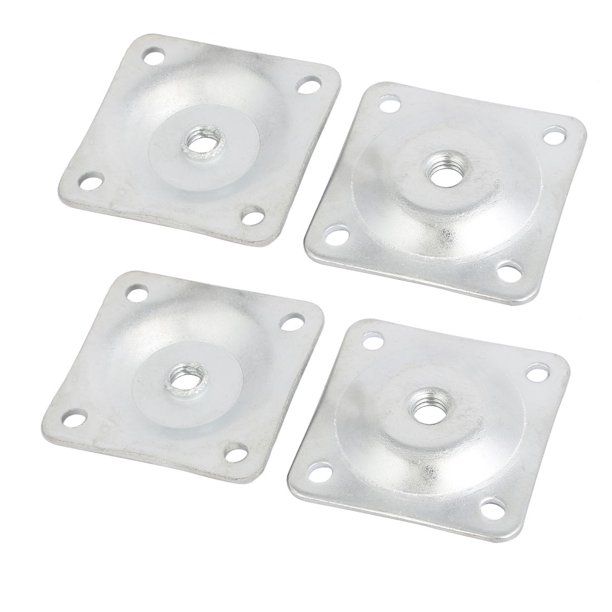
The design of a mounting plate can significantly affect its functionality and appearance. Here are some common designs used in the industry:
1. Flat Mounting Plates
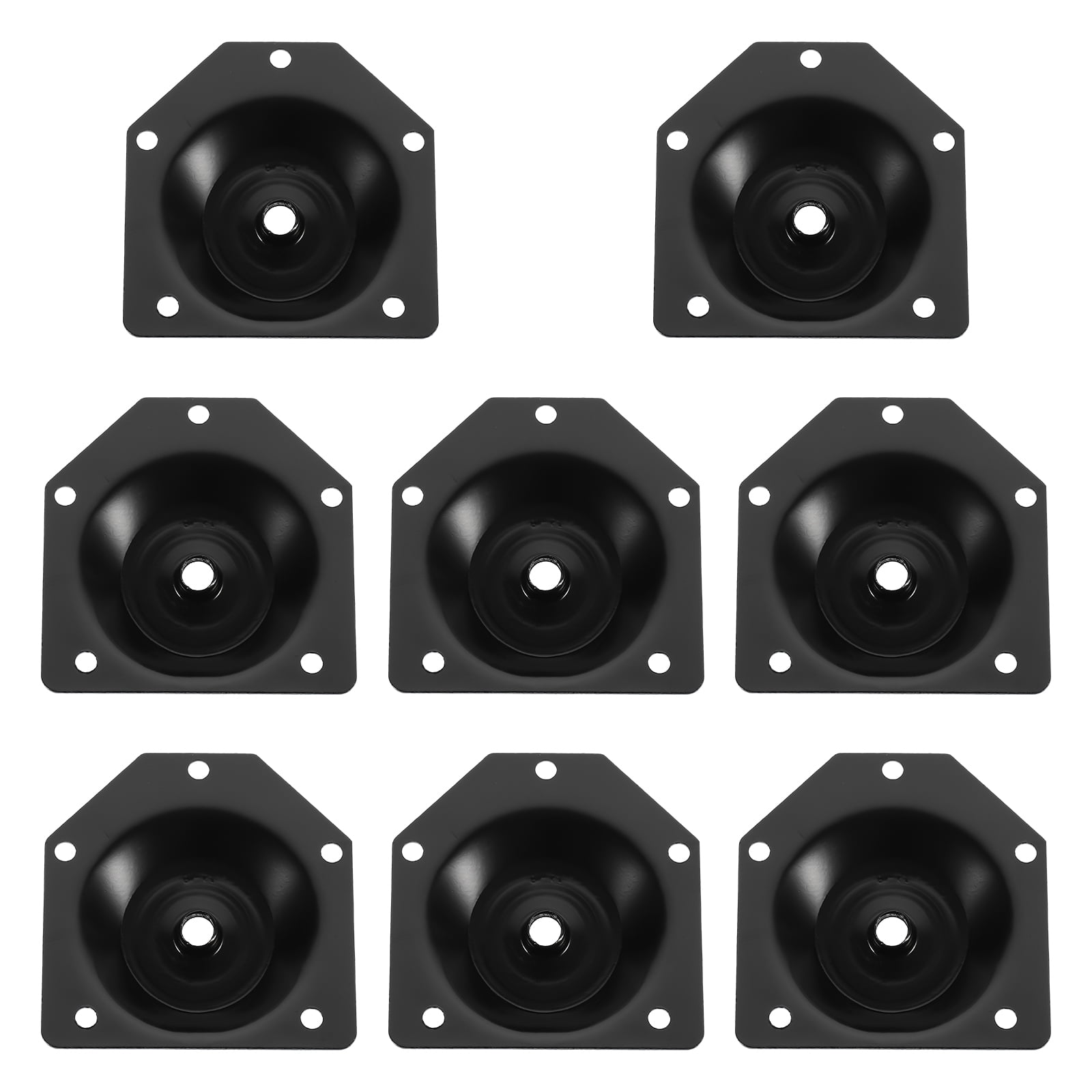
Flat mounting plates are the most common design, featuring a simple, flat surface that attaches directly to the tabletop and legs. They are versatile and easy to install.
- Pros:
- Simple installation
- Wide compatibility with different leg styles
- Cost-effective
- Cons:
- May require additional support for heavy tables
- Less visually appealing in high-end designs
2. Angled Mounting Plates
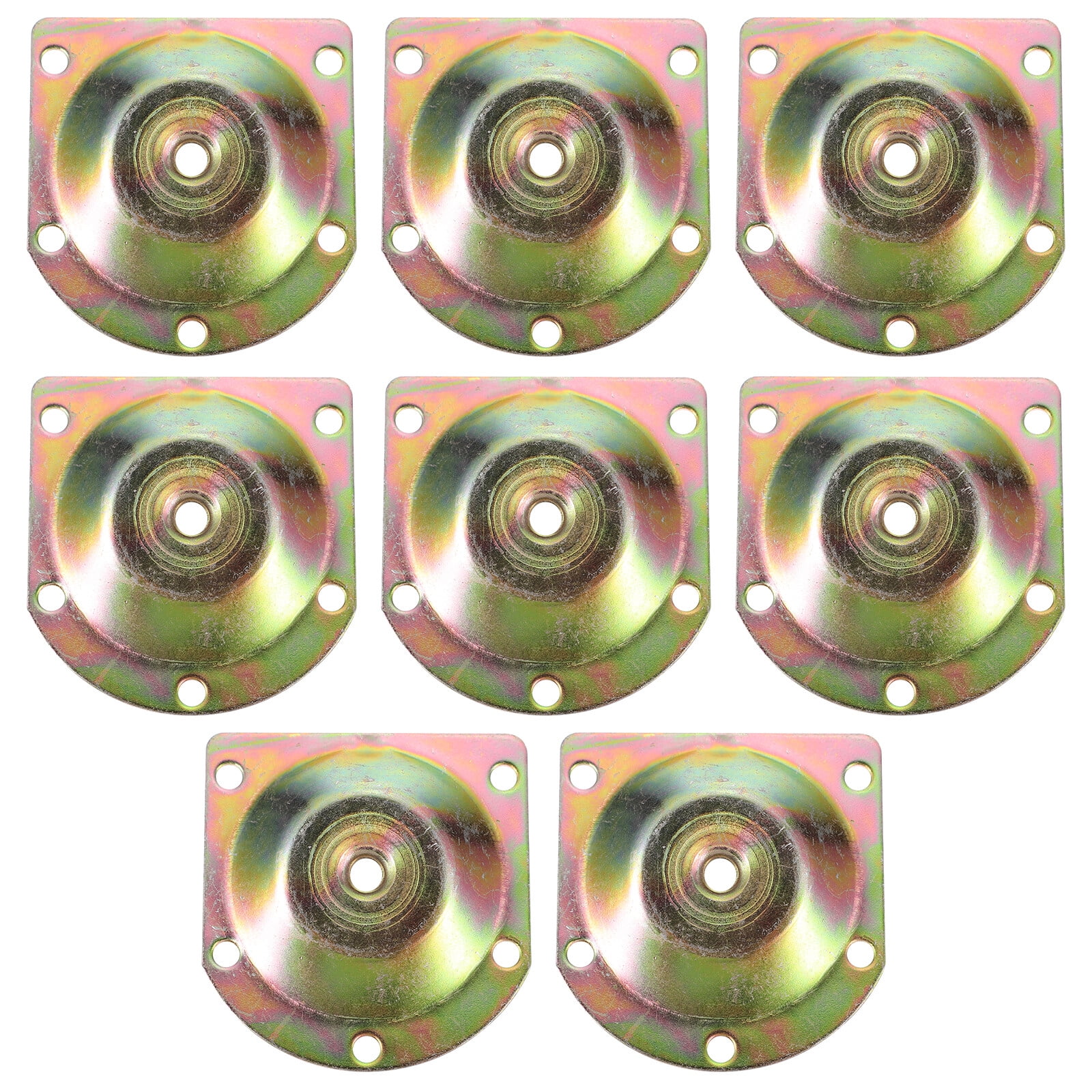
These plates are designed with a slight angle to better distribute weight, providing improved stability for heavier tables.
- Pros:
- Increased stability under stress
- Better weight distribution
- Cons:
- More complex installation
- May not be compatible with all table leg styles
3. Decorative Mounting Plates
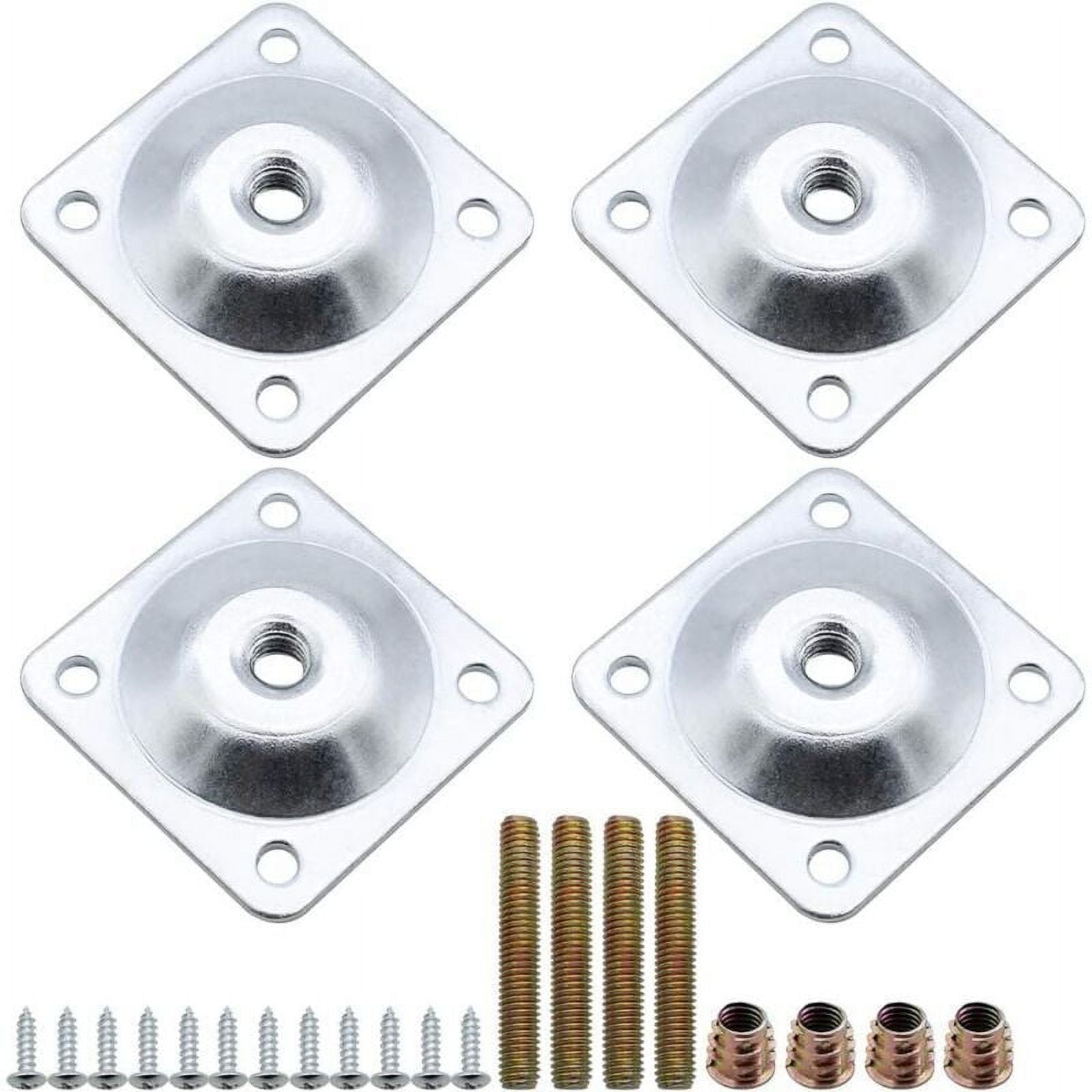
Decorative mounting plates prioritize aesthetics, often featuring intricate designs or finishes that enhance the overall look of the table.
- Pros:
- Enhances the visual appeal of furniture
- Can serve as a design statement
- Cons:
- May be more expensive
- Can compromise on strength and durability
Case Study: The Impact of Material Choice on Table Performance

To illustrate the importance of material and design in mounting plates, consider a case study involving two companies, A and B, that manufacture similar tables. Company A uses steel flat mounting plates, while Company B opts for plastic decorative plates.
After a year of consumer testing, the results were revealing:
- Company A’s tables showed minimal wear and maintained structural integrity even under heavy use.
- Company B’s tables experienced several reports of leg instability and aesthetic degradation due to wear and tear.
This case study underscores the need for careful consideration of materials and designs in table leg mounting plates to ensure longevity and customer satisfaction.
Statistics on Consumer Preferences

According to a 2022 survey conducted by the Furniture Manufacturers Association, 68% of consumers prioritize durability when selecting furniture, while 52% consider aesthetics equally important. This highlights a growing trend where consumers are not just looking for functional pieces but also for those that enhance their living spaces.
Table leg mounting plates are more than just functional components; they are integral to the overall performance and aesthetic of tables. As we’ve explored, the choice of material—be it steel, aluminum, or plastic—impacts durability, weight capacity, and cost. Similarly, the design of the mounting plates—whether flat, angled, or decorative—affects stability and visual appeal.
Understanding the comparative advantages and disadvantages of these materials and designs is crucial for manufacturers and consumers alike. By making informed decisions based on the specific needs of the table and its intended use, it is possible to achieve a balance between functionality and aesthetic appeal. In conclusion, prioritizing quality materials and thoughtful designs not only enhances the longevity of furniture but also contributes to a more satisfying consumer experience.
