The tactile delight of a well-worn book, the comforting weight of its pages, the immersive stories that transport us to different realms – these are experiences many of us cherish. But what if we could imbue this beloved medium with an even richer sensory dimension? Enter the captivating world of cloth book fabric panels. These are not just decorative additions; they are gateways to a unique crafting journey, allowing for the creation of personalized, durable, and deeply engaging books that appeal to all ages. This article will delve into the multifaceted appeal of cloth book fabric panels, exploring their versatility, the crafting process, and the profound benefits they offer to creators and recipients alike.
The Allure of Fabric Books: Beyond Paper and Print
Traditional books, while timeless, are inherently bound by the limitations of paper. Cloth book fabric panels, on the other hand, unlock a universe of textures, colors, and possibilities. Imagine a story about a fluffy cloud brought to life with soft minky fabric, or a brave knight’s armor crafted from shimmering metallic cotton. This inherent tactility transforms reading into a multi-sensory experience, particularly beneficial for young children developing their fine motor skills and sensory perception.
Consider the developmental benefits. Studies have consistently shown the importance of sensory exploration in early childhood development. A cloth book, with its varied textures, can stimulate touch receptors, aiding in cognitive development and language acquisition. For instance, a panel depicting a farm animal made from corduroy could be labeled “cow” while a velvety smooth patch represents “milk,” associating the tactile sensation with the word and concept.
Why Fabric Panels? The Advantages Over Traditional Sewing

While experienced quilters and sewers might be adept at cutting and piecing fabric from scratch, pre-printed fabric panels offer a distinct advantage, especially for those embarking on their first fabric book project or seeking a more streamlined approach. These panels are often designed with specific themes or storylines in mind, featuring ready-made illustrations that become the heart of the book’s pages.
- Ease of Use: The primary benefit is the significant reduction in design and preparation time. Instead of painstakingly drawing or printing onto fabric, the artwork is already present.
- Consistent Quality: Professionally printed panels ensure a high-quality, vibrant, and durable image that won’t easily fade or crack.
- Variety of Themes: The market for fabric panels is vast, catering to every imaginable interest, from alphabet books and fairy tales to educational themes and abstract designs.
- Focus on Construction: This allows crafters to concentrate their efforts on the sewing and assembly aspects, honing their skills in turning a beautiful panel into a functional book.
A Crafting Journey: From Panel to Page

The creation of a cloth book from fabric panels is a rewarding endeavor that combines artistic vision with practical sewing skills. It’s a journey that can be as simple or as complex as the crafter desires, offering room for both beginners and seasoned artisans to shine.
Choosing Your Fabric Panel: The Foundation of Your Story
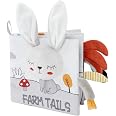
The selection of the fabric panel is the crucial first step. This decision will dictate the theme, aesthetic, and overall narrative of your book. Consider the intended recipient:
- For babies and toddlers: Look for panels with high contrast, simple shapes, and varied textures. Soft, chewable fabrics like cotton flannel or even minky (for specific elements) are ideal.
- For preschoolers: Panels with recognizable characters, alphabet themes, or simple stories are excellent choices. Durability is still key.
- For older children or adults: More intricate designs, educational themes, or even personalized narrative panels can be explored.
Many fabric manufacturers offer entire lines dedicated to book panels, often accompanied by coordinating fabrics for borders, backing, and embellishments. Websites like Spoonflower, Robert Kaufman, and Riley Blake Designs are excellent resources for discovering a wide array of options.
The Sewing Process: Bringing the Pages to Life
Once a panel is chosen, the sewing begins. The typical process involves:
- Cutting the Panel: Carefully cut the fabric panel into individual pages, following any pre-marked lines or guidelines. Precision is important here to ensure pages align correctly.
- Adding Interfacing (Optional but Recommended): For added structure and durability, consider fusing a lightweight interfacing to the back of each page. This also helps prevent fraying.
- Adding Embellishments: This is where the true artistry comes in. Fabric panels can be enhanced with:
- Appliqué: Adding small fabric shapes (e.g., buttons for eyes, felt for flowers) to create dimension and detail.
- Embroidery: Stitching details like outlines, facial features, or decorative patterns.
- Puff Paint: Adding tactile elements like dots, lines, or textures.
- Ribbons and Trims: Incorporating loops for turning pages or adding decorative edges.
- Constructing the Pages: Each page is typically constructed as a “sandwich” with a front and back fabric layer. The embellished panel forms the front.
- Binding the Book: There are several methods for binding cloth books:
- Simple Stitching: Pages can be stacked and stitched together along one edge, similar to a traditional booklet.
- Ring Binding: Holes can be punched along the edge of each page, and book rings are used to hold them together. This allows for easy addition or removal of pages.
- Fabric Spine: A more professional approach involves creating a fabric spine that holds the pages securely.
Case Study: The “My First ABCs” Fabric Book
Sarah, a stay-at-home mother with a passion for crafting, decided to create a custom alphabet book for her toddler. She discovered a vibrant fabric panel featuring large, colorful illustrations for each letter of the alphabet. For the letter ‘A’ for Apple, the panel showed a red apple. Sarah decided to:
- Appliqué a small green leaf onto the apple using felt.
- Lightly stitch around the apple’s shape for definition.
- On the reverse side of the page, she used a contrasting fabric and added a small loop of grosgrain ribbon for her toddler to grasp.
She repeated this process for each letter, adding different textures and embellishments – a fuzzy bee for ‘B’, a smooth blue circle for ‘C’ (representing the sky), a bumpy corduroy texture for ‘D’ (for Dinosaur). The finished book was not only a learning tool but a beloved toy that sparked her child’s imagination and love for reading.
Beyond the Pages: The Lasting Impact of Fabric Books
The creation and gifting of cloth book fabric panels extend far beyond the immediate crafting experience. They foster a sense of connection, preserve memories, and offer a sustainable alternative to mass-produced toys and books.
Sentimental Value and Heirloom Potential

Unlike fleeting digital content or mass-produced toys that can break or be outgrown, a handmade cloth book holds immense sentimental value. It’s a tangible representation of time, effort, and love poured into its creation. These books can become cherished heirlooms, passed down through generations, carrying with them the stories of those who made them and those who enjoyed them.
Educational and Developmental Benefits in Practice

As mentioned earlier, the sensory aspect is paramount. The varied textures of fabric books provide crucial tactile input for infants and toddlers, aiding in sensory integration and cognitive development. For children with special needs, particularly those on the autism spectrum or with sensory processing disorders, a cloth book can be an invaluable tool for exploration and learning. The predictability and familiarity of a well-loved cloth book can also provide comfort and reduce anxiety.
Consider the statistics: According to a report by the National Association for the Education of Young Children (NAEYC), play-based learning, which incorporates sensory exploration, is vital for developing problem-solving skills, creativity, and social-emotional competence in young children. Fabric books seamlessly integrate into this model.
Sustainability and Eco-Consciousness
In an era where environmental consciousness is paramount, choosing to craft with fabric panels offers a more sustainable option. Fabric, especially if sourced from pre-loved textiles or made from natural fibers like cotton, can be a more eco-friendly choice than the materials used in many mass-produced plastic toys or paper books that have a shorter lifespan.
A Tapestry of Creativity and Connection

The world of cloth book fabric panels is a vibrant and accessible realm for crafters of all skill levels. It’s a journey that begins with a simple panel of fabric and blossoms into a unique, personalized creation brimming with tactile delights and narrative charm. From the developmental benefits for children to the enduring sentimental value and the sustainable aspect, fabric books offer a rich tapestry of creative expression and meaningful connection. Whether you’re a seasoned sewer or a complete beginner, the magic of transforming a printed panel into an interactive, cherished book awaits. Embrace the stitches, the textures, and the stories, and embark on your own captivating crafting journey.
