Art has always been a reflection of society, culture, and technological advancement. As we progress, the boundaries of artistic expression continue to expand. One of the most striking developments in contemporary art is the rise of metal abstract sculptures. These works not only challenge traditional art forms but also redefine the ways in which we perceive and engage with art. This article explores how metal abstract sculptures break barriers, their historical context, and their impact on the art world today.
The Evolution of Sculpture: From Classical to Abstract
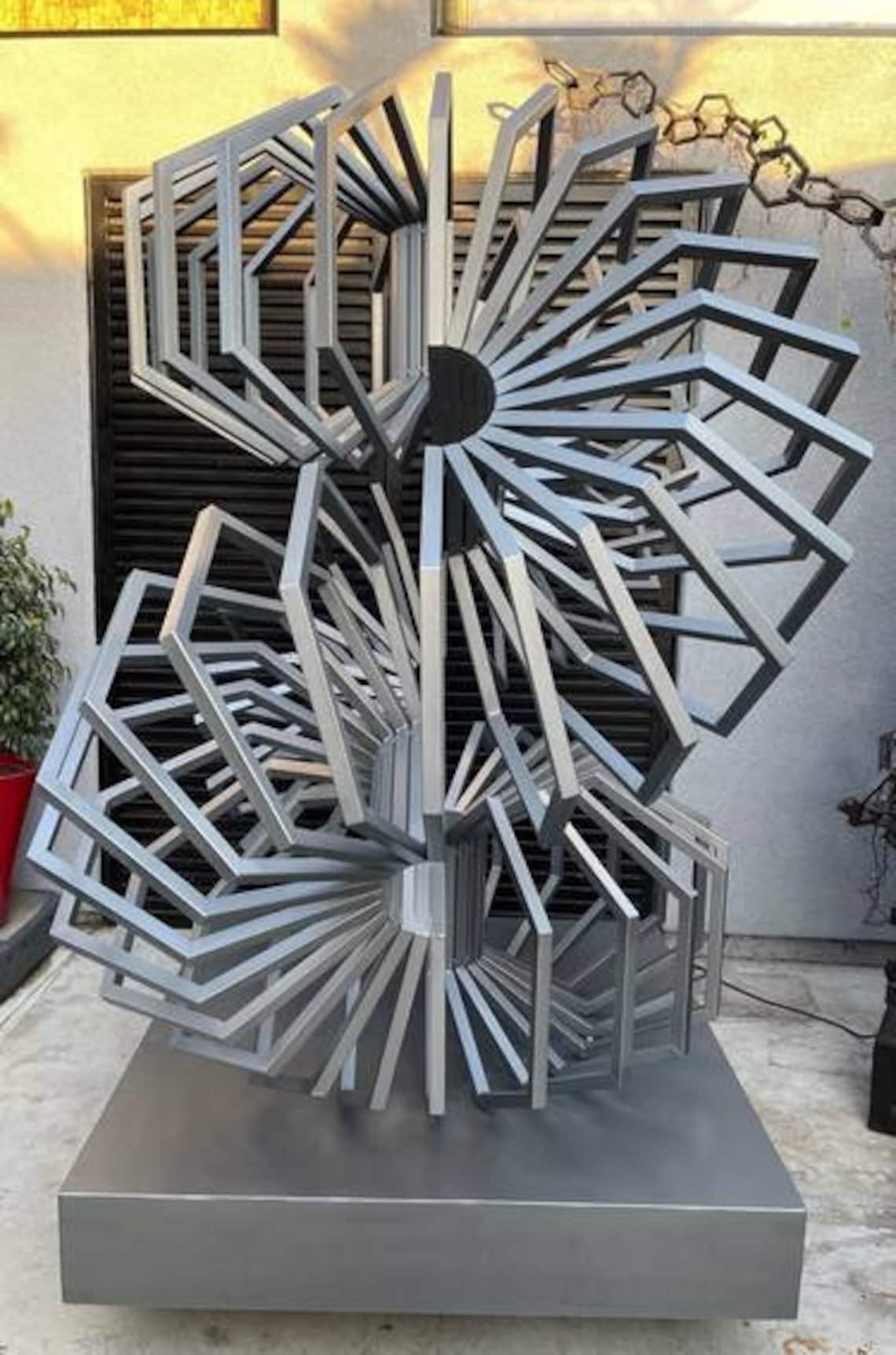
The journey of sculpture has been tumultuous and transformative. Historically, sculptures were predominantly representational, aiming to depict the human form and naturalistic elements. From the classical marble statues of Ancient Greece to the intricate wood carvings of the Renaissance, sculpture was primarily a medium for realism and narrative.
However, the 20th century brought forth a wave of innovation with movements such as Cubism, Futurism, and Surrealism. These movements encouraged artists to break away from the constraints of realism and explore abstract forms. Metal abstract sculptures emerged as a significant medium within this context, providing artists with new opportunities for expression.
Material Matters: The Allure of Metal in Sculpture
Metal as a material for sculpture has unique properties that contribute to its allure:
- Durability: Metal sculptures can withstand the elements, making them suitable for outdoor installations as well as indoor displays.
- Versatility: Various metals, including bronze, steel, and aluminum, allow for a wide range of textures, finishes, and colors.
- Manipulation: Techniques such as welding, casting, and forging enable artists to create intricate and dynamic forms that challenge traditional perceptions of sculpture.
Notable artists like Richard Serra and Anish Kapoor have harnessed these properties to create monumental works that invite viewer interaction and reinterpret the space around them.
Challenging Perceptions: The Impact of Abstract Sculpture

Metal abstract sculptures challenge traditional art forms in several significant ways:
1. Redefining Aesthetic Value
Traditional art often adheres to established standards of beauty and representation. In contrast, metal abstract sculptures prioritize form, texture, and spatial relationships over conventional aesthetics. This shift allows for a broader interpretation of what constitutes “art.” For instance, Serra’s massive steel sculptures, such as “Tilted Arc,” compel viewers to engage with the work physically and emotionally, rather than merely appreciating its beauty.
2. Encouraging Viewer Interaction

Many metal abstract sculptures are designed to invite viewer participation, breaking down the barriers between art and audience. This interactivity can take various forms:
- Physical Engagement: Sculptures can be large enough for viewers to walk through or around, creating an immersive experience.
- Emotional Response: Abstract forms can evoke feelings and thoughts, prompting viewers to question their perceptions and interpretations.
- Social Commentary: Artists often embed political or social messages within their abstract forms, encouraging dialogue and reflection.
For example, Kapoor’s “Cloud Gate” in Chicago is a polished stainless-steel sculpture that reflects the city skyline and engages passersby, inviting them to see themselves within the art.
3. Expanding the Concept of Space

Metal abstract sculptures often challenge the traditional confines of space in which art is displayed. They can occupy public spaces, parks, and urban environments, transforming the way we interact with art in our daily lives. This democratization of art allows broader access and fosters a sense of community.
Statistically, public art installations have been shown to enhance community identity and pride. A study conducted by the National Endowment for the Arts found that public art can lead to increased community engagement and economic revitalization.
Case Studies: Influential Metal Abstract Sculptures

Several metal abstract sculptures have gained prominence for their innovation and impact on both art and society:
1. “The Gates” by Christo and Jeanne-Claude
Installed in Central Park, New York City, in 2005, “The Gates” consisted of 7,503 saffron-colored fabric panels suspended from steel frames. This temporary installation transformed the park into a vibrant landscape, challenging the notion of permanence in sculpture and inviting viewers to experience art in a new context.
2. “The Large Blue Horse” by Franz Marc
Though a painted piece, the sculpture’s influence can be seen in contemporary metal abstract works. Marc’s vibrant use of color and abstraction encourages artists to explore non-representational forms, paving the way for future innovations in sculpture.
3. “Cocoon” by Yoko Ono
This interactive installation, made from a series of interconnected metal structures, invites viewers to enter and reflect on their experiences. Ono’s work showcases the potential for metal abstract sculptures to create spaces for introspection and dialogue.
Conclusion: Embracing the Future of Art

The rise of metal abstract sculptures marks a significant evolution in the art world, challenging traditional forms and pushing the boundaries of artistic expression. By redefining aesthetic value, encouraging viewer interaction, and expanding the concept of space, these sculptures invite us to rethink our relationship with art.
As society continues to evolve, so too will the art that reflects it. Metal abstract sculptures stand as a testament to the power of creativity and innovation, reminding us that art is not confined to the past but is an ever-changing dialogue that reflects our contemporary world.
In summary, metal abstract sculptures are not just artistic creations; they are powerful statements that challenge conventions, engage audiences, and redefine the landscape of art. Through their unique properties and interactive nature, they break down barriers and invite us to explore the limitless possibilities of creative expression.
