As urban areas continue to grow and develop, the need for effective and aesthetically pleasing landscaping solutions is more critical than ever. One of the most innovative approaches to urban landscaping that has gained traction in recent years is the use of large artificial tree branches. These structures not only enhance the beauty of urban spaces but also offer a range of practical benefits. This article explores the reasons behind the rise of large artificial tree branches, their applications, and the future of this trend in urban environments.
Understanding the Concept of Artificial Tree Branches
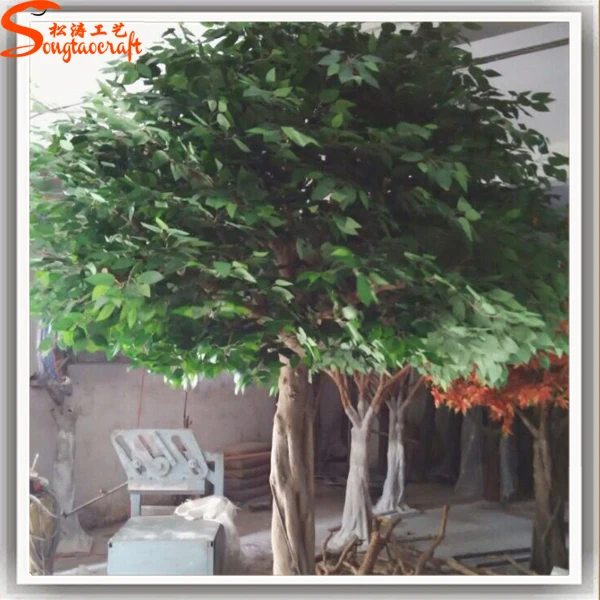
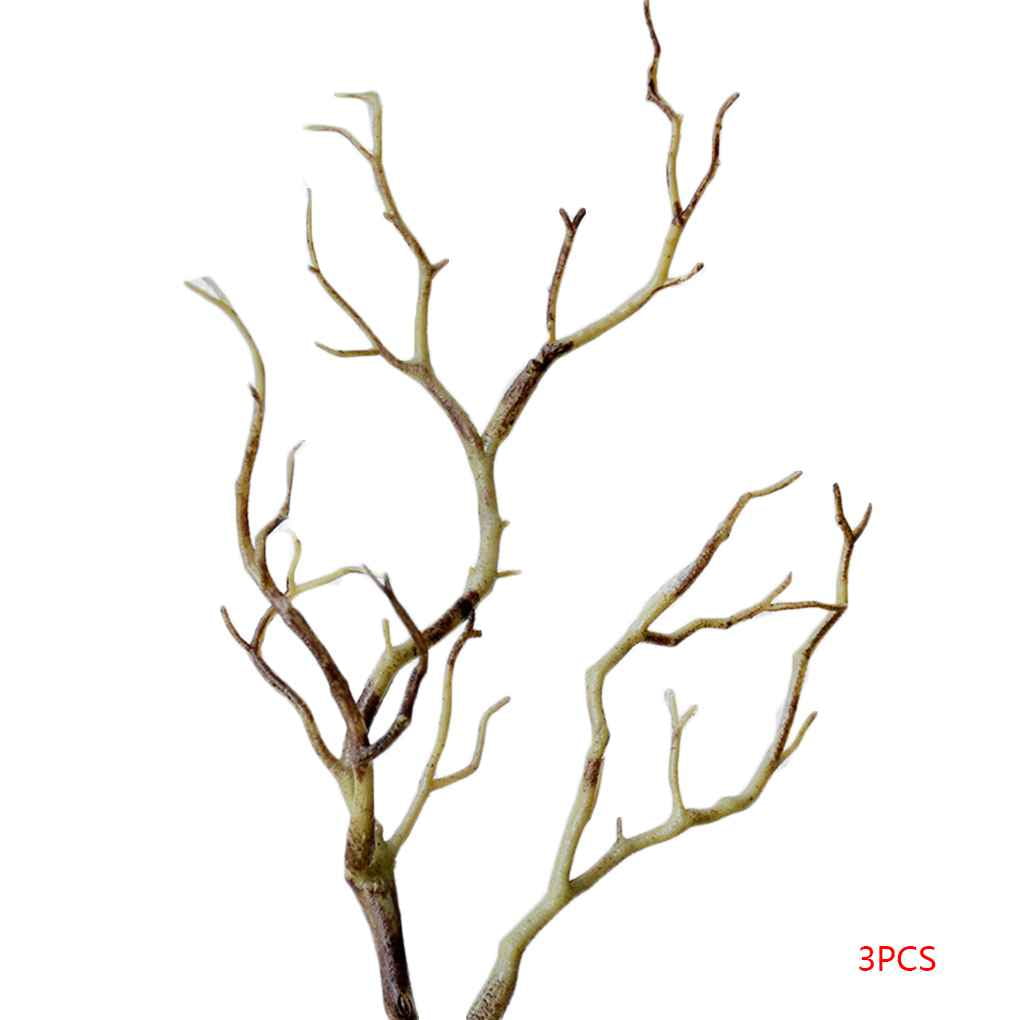
Artificial tree branches are synthetic replicas of natural tree branches made from durable materials such as fiberglass, metal, or high-density polyethylene. They can be designed to mimic various tree species, providing a realistic appearance while offering the following advantages:
- Durability: Unlike natural wood, artificial branches are resistant to weather conditions, pests, and decay.
- Maintenance: They require minimal upkeep compared to living trees, making them ideal for urban settings.
- Design Flexibility: Available in various shapes and sizes, they can be customized to fit any landscape design.
Benefits of Large Artificial Tree Branches in Urban Landscaping
The integration of large artificial tree branches in urban landscapes offers numerous benefits, including:
- Aesthetic Appeal: They enhance the visual appeal of urban areas, providing a natural look without the challenges of maintaining real trees.
- Space Optimization: In crowded cities, large artificial branches can be used to create green spaces without requiring significant ground area.
- Environmental Advantages: While they are not living plants, artificial branches can still contribute to the urban ecosystem by providing habitats for birds and insects.
- Safety: Large artificial structures can be designed to withstand high winds and other extreme weather conditions, ensuring safety in public spaces.
Case Studies: Successful Implementations

Several cities around the world have successfully integrated large artificial tree branches into their landscapes. Here are a few notable examples:
1. The Urban Arboretum in San Francisco, USA
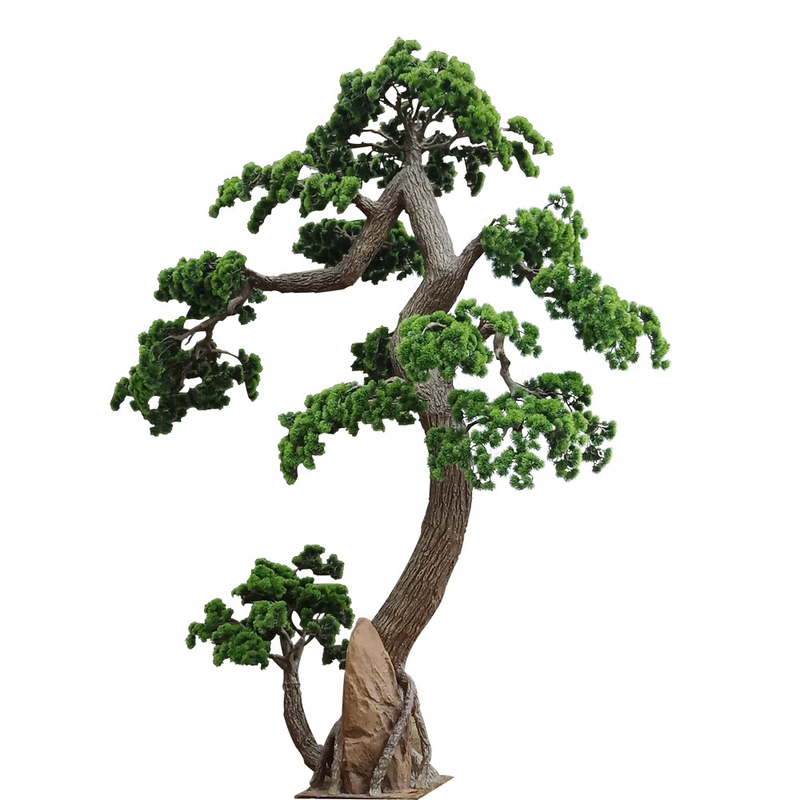
The Urban Arboretum project in San Francisco showcases a collection of large artificial tree branches that serve as both art installations and functional elements in the city’s green spaces. These structures simulate the canopies of native tree species, providing shade and enhancing the aesthetic value of the surroundings. The project has received positive feedback from residents, with a reported 30% increase in park visitation since its implementation.
2. The Green Roof of the CaixaForum in Madrid, Spain
Madrid’s CaixaForum features a stunning green roof adorned with large artificial branches that create a unique urban habitat. Designed by renowned architect Herzog & de Meuron, the branches are not only visually striking but also play a crucial role in the building’s sustainability efforts. They help manage rainwater runoff and provide insulation, contributing to the overall energy efficiency of the structure.
3. The High Line in New York City, USA
New York City’s High Line is an elevated linear park that incorporates large artificial tree branches as part of its landscape design. These structures serve as focal points along the pathway, encouraging visitors to explore and engage with the space. The High Line attracts millions of visitors each year, demonstrating the positive impact of integrating artificial elements into urban landscapes.
Challenges and Considerations
While the benefits of large artificial tree branches are significant, several challenges must be addressed:
- Initial Costs: The installation of artificial structures can be more expensive than planting real trees, which may deter some municipalities.
- Public Perception: Some residents may prefer natural landscaping and view artificial elements as inauthentic.
- Environmental Concerns: While artificial branches can mimic natural forms, they do not provide the same ecological benefits as living trees, such as carbon sequestration.
The Future of Urban Landscaping with Artificial Tree Branches

The trend of incorporating large artificial tree branches into urban landscaping is likely to grow as cities seek innovative solutions to meet the challenges of urbanization. Several factors will contribute to this trend:
- Increased Urbanization: As cities continue to expand, there will be a growing demand for creative landscaping solutions that can fit into limited spaces.
- Sustainability Efforts: Urban planners are increasingly focused on sustainability, and artificial structures can aid in creating functional green spaces without the resource demands of maintaining living trees.
- Technological Advancements: Innovations in materials and design will lead to more realistic and environmentally friendly artificial branches, enhancing their appeal.
The rise of large artificial tree branches in urban landscaping represents a fascinating intersection of art, technology, and sustainability. As cities around the world grapple with the challenges of urbanization, these structures offer a viable solution that balances aesthetic appeal with practical benefits. Case studies from San Francisco, Madrid, and New York City highlight the successful integration of these elements into urban environments, showcasing their potential to enhance public spaces.
While challenges remain, particularly regarding cost and public perception, the future of urban landscaping with artificial tree branches looks promising. As more cities recognize the advantages of these innovative designs, we can expect to see a continued rise in their adoption, leading to greener, more visually appealing urban landscapes that meet the needs of residents and visitors alike.
