The allure of virtual reality (VR) has captured imaginations worldwide, promising immersive experiences that blur the lines between the digital and physical realms. While high-end VR headsets like the Meta Quest 3 or PlayStation VR2 offer unparalleled fidelity, they come with a significant price tag and often require powerful gaming PCs. Fortunately, a more accessible entry point into the world of VR exists: smartphone-powered VR glasses. These ingenious devices leverage your existing smartphone to drive virtual experiences, offering a budget-friendly and portable way to explore virtual worlds, play games, and consume immersive content.
This comprehensive guide will delve into the top 5 VR glasses designed for smartphones, providing you with the insights needed to make an informed purchase. We’ll explore their features, pros, cons, and what makes each stand out, ensuring you can embark on your VR journey with confidence.
Understanding Smartphone VR Glasses
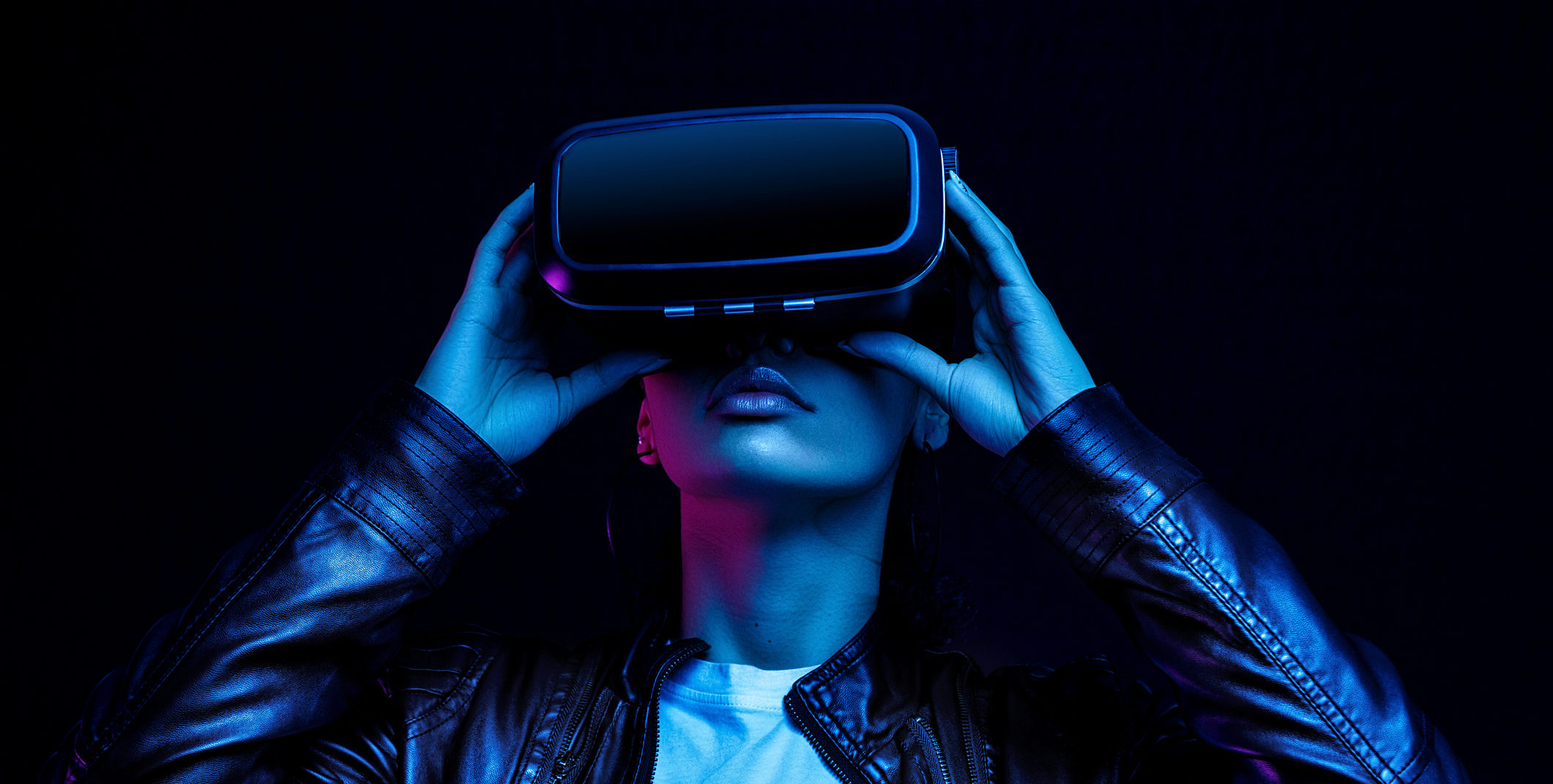
Before we dive into the specific models, it’s crucial to understand how smartphone VR glasses work. Essentially, these devices are sophisticated housings that hold your smartphone in front of your eyes. The smartphone’s screen is split into two images, one for each eye, creating a stereoscopic effect. Special lenses within the glasses then magnify and adjust these images to create the illusion of depth and immersion. Motion tracking is typically handled by the smartphone’s internal sensors (gyroscope and accelerometer), translating your head movements into the virtual environment.
Key Features to Consider

- Compatibility: Ensure the VR glasses are compatible with your smartphone’s size and operating system (iOS or Android).
- Lens Quality: The lenses are critical for image clarity and minimizing distortion. Look for high-quality, adjustable lenses.
- Field of View (FOV): A wider FOV offers a more immersive experience, making you feel more “in” the virtual world.
- Comfort and Fit: You’ll be wearing these for extended periods, so a comfortable and adjustable head strap is essential.
- Ergonomics and Build Quality: A well-built device will feel more premium and last longer.
- Additional Features: Some glasses include built-in headphones, ventilation systems, or controllers for enhanced interaction.
The Top 5 Smartphone VR Glasses
The market for smartphone VR glasses has evolved significantly, with several excellent options catering to different needs and budgets. Here are our top picks:
1. Google Cardboard
While not a “glass” in the traditional sense, Google Cardboard deserves an honorable mention as the pioneer and budget champion of smartphone VR. It’s a DIY-friendly, foldable viewer made from cardboard that uses basic lenses. Despite its simplicity, it laid the groundwork for accessible VR and boasts a vast library of compatible apps through the Google Play Store and Apple App Store.
Pros:
- Extremely affordable, often available for free or very low cost.
- Lightweight and portable.
- Easy to assemble and use.
- Vast library of compatible content.
Cons:
- Basic lens quality, leading to potential distortion and reduced immersion.
- Limited field of view.
- No built-in audio or advanced tracking.
- Durability can be an issue.
Best For:
Beginners, budget-conscious users, and those wanting to dip their toes into VR without a significant investment. It’s a fantastic way to introduce yourself and others to the basic concept of VR.
2. Samsung Gear VR (Discontinued but influential)

Although officially discontinued, the Samsung Gear VR was a powerhouse in the smartphone VR space for a long time. It offered a significantly more refined experience than Google Cardboard, with dedicated controllers, better optics, and a comfortable design. Many of its features and the ecosystem it fostered influenced subsequent smartphone VR headsets. If you can find one used in good condition and have a compatible Samsung phone, it’s still a viable option for its quality and controller support.
Pros:
- Excellent optics for its time, offering clear visuals.
- Included a responsive controller for interaction.
- Comfortable and ergonomic design.
- Dedicated app store with a good selection of content.
Cons:
- Discontinued, making new purchases difficult and support limited.
- Only compatible with specific Samsung Galaxy devices.
- Requires a relatively high-end Samsung phone to perform optimally.
Best For:
Existing Samsung users with compatible devices who can find a good deal on a used unit. It offers a step up in immersion and interaction from basic viewers.
3. DESTEK V5 VR Headset
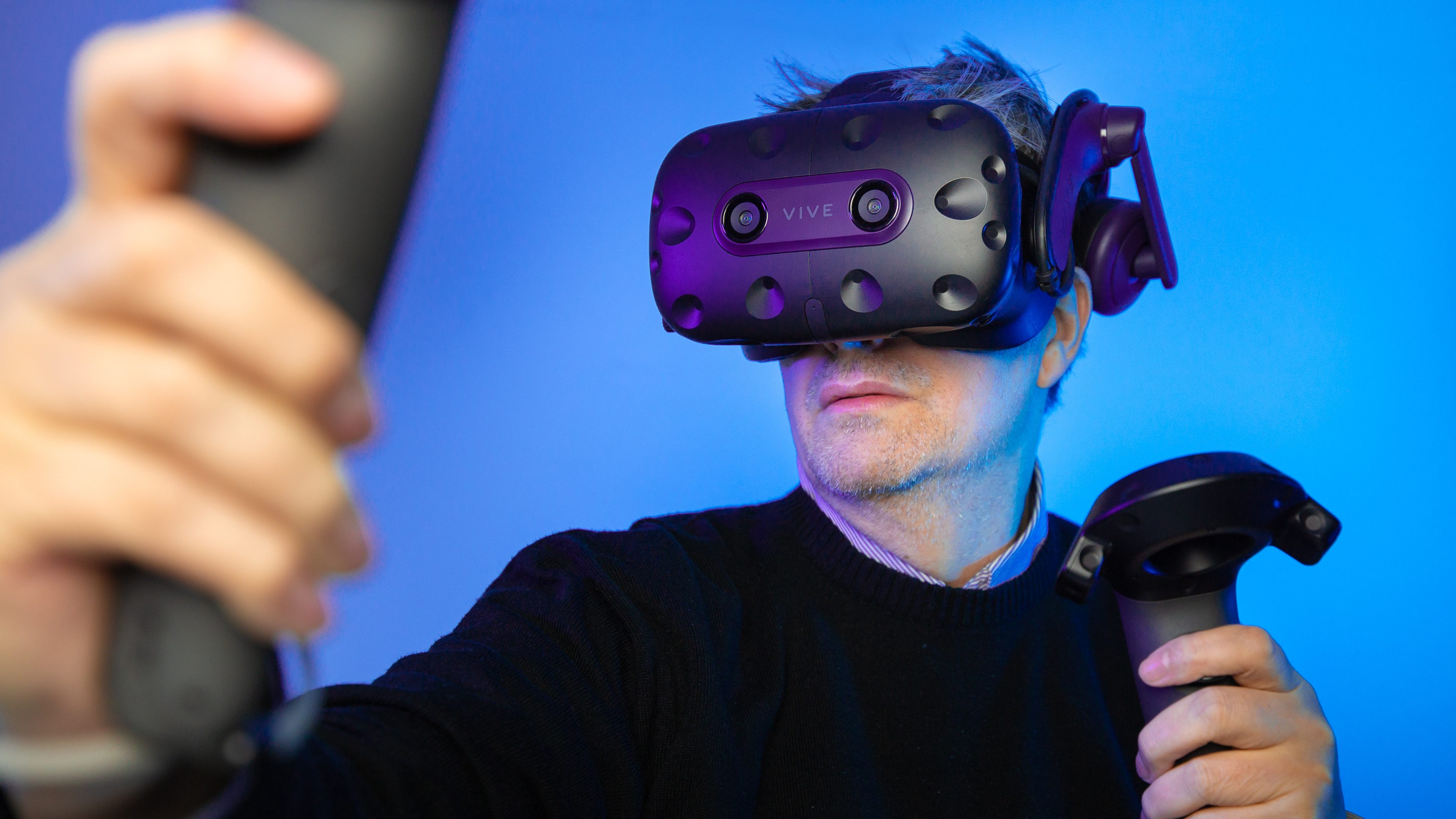
The DESTEK V5 stands out as a strong contender for those seeking a well-rounded and affordable smartphone VR headset. It offers a comfortable fit, a decent field of view, and compatibility with a wide range of smartphones. The addition of a detachable controller enhances interactivity, making it suitable for gaming and exploring VR applications.
Pros:
- Comfortable design with adjustable straps and good weight distribution.
- Wide compatibility with most smartphones (4.7-6.5 inches).
- Includes a Bluetooth controller for interactive experiences.
- Good value for money.
- Decent lens quality and adjustable IPD (interpupillary distance).
Cons:
- Field of view, while decent, isn’t as wide as some higher-end options.
- Controller functionality can be basic for complex games.
- May get warm during extended use, though ventilation is present.
Best For:
Everyday users looking for a comfortable and versatile VR headset that bridges the gap between basic viewers and more premium options. It’s a great all-rounder for casual VR exploration and gaming.
4. Pansonite VR Headset
The Pansonite VR Headset is another excellent choice that prioritizes user comfort and visual clarity. It features adjustable lenses, a soft facial interface, and a design that minimizes pressure points. Its compatibility with a broad spectrum of smartphones and the inclusion of a Bluetooth remote make it a compelling package for immersive entertainment.
Pros:
- Ergonomic design with ample padding for comfort.
- High-quality lenses that reduce eye strain and offer clear visuals.
- Adjustable IPD and focal distance for personalized viewing.
- Comes with a wireless Bluetooth controller.
- Supports smartphones with screen sizes from 4.7 to 6.5 inches.
Cons:
- The field of view is good but not exceptional.
- The controller may not be robust enough for highly demanding VR games.
- Some users report minor light leakage if not fitted perfectly.
Best For:
Users who prioritize comfort and visual quality for extended VR sessions, such as watching 360-degree videos or playing less demanding VR games. It’s a solid choice for those seeking an immersive yet comfortable experience.
5. FIIT VR 2S/2N (or similar models from established brands like Baofeng Mojing)

Brands like FIIT and Baofeng Mojing (which often have rebranded models available internationally) represent a more premium tier of smartphone VR. These headsets often feature higher-quality optics, wider fields of view, and more advanced build materials. Some models might even include integrated headphones or a more sophisticated head strap system. While they might be slightly more expensive than the entry-level options, they offer a noticeable improvement in the overall VR experience.
Pros:
- Often boasts superior lens quality for sharper and clearer images.
- Wider field of view for enhanced immersion.
- More robust build quality and premium materials.
- May include additional features like integrated audio or better ventilation.
- Potentially better weight distribution for comfort.
Cons:
- Higher price point compared to basic cardboard viewers or some other options.
- Compatibility might be more specific to certain phone sizes or models.
- Availability can vary depending on region and specific model.
Best For:
Enthusiasts who want the best possible smartphone VR experience without investing in a dedicated VR headset. If you’re looking for a significant step up in visual fidelity and immersion, these premium smartphone VR glasses are worth considering.
The Future of Smartphone VR
While the popularity of standalone VR headsets continues to grow, smartphone VR glasses still hold a valuable place in the market. They offer an incredibly low barrier to entry, allowing millions to experience VR for the first time. As smartphone technology advances, so too will the capabilities of these glasses. We can anticipate improvements in display resolution, processing power, and sensor accuracy, leading to even more compelling virtual experiences driven by your pocket-sized device. Furthermore, the development of accessible AR (Augmented Reality) experiences through smartphone-powered viewers is also an exciting avenue.
Embarking on your virtual reality adventure doesn’t require a hefty investment. Smartphone VR glasses offer a diverse range of options, from the ultra-budget Google Cardboard to more refined headsets like the DESTEK V5 and Pansonite, and even premium offerings from brands like FIIT. By considering factors like compatibility, lens quality, comfort, and desired features, you can find the perfect VR glasses to unlock a world of immersive entertainment, gaming, and exploration right from your smartphone. The accessibility and evolving technology ensure that smartphone VR will continue to be a vibrant and exciting segment of the virtual reality landscape for years to come.
