Rope swings are a classic addition to any backyard, offering endless fun for children and adults alike. Among the various materials used for swings, polyester rope stands out due to its durability, resistance to UV light, and minimal stretch. However, like any outdoor equipment, polyester rope swings require proper care and maintenance to ensure longevity and safety. In this article, we will explore effective tips and maintenance practices that can help you keep your polyester rope swing in top condition.
Understanding Polyester Rope
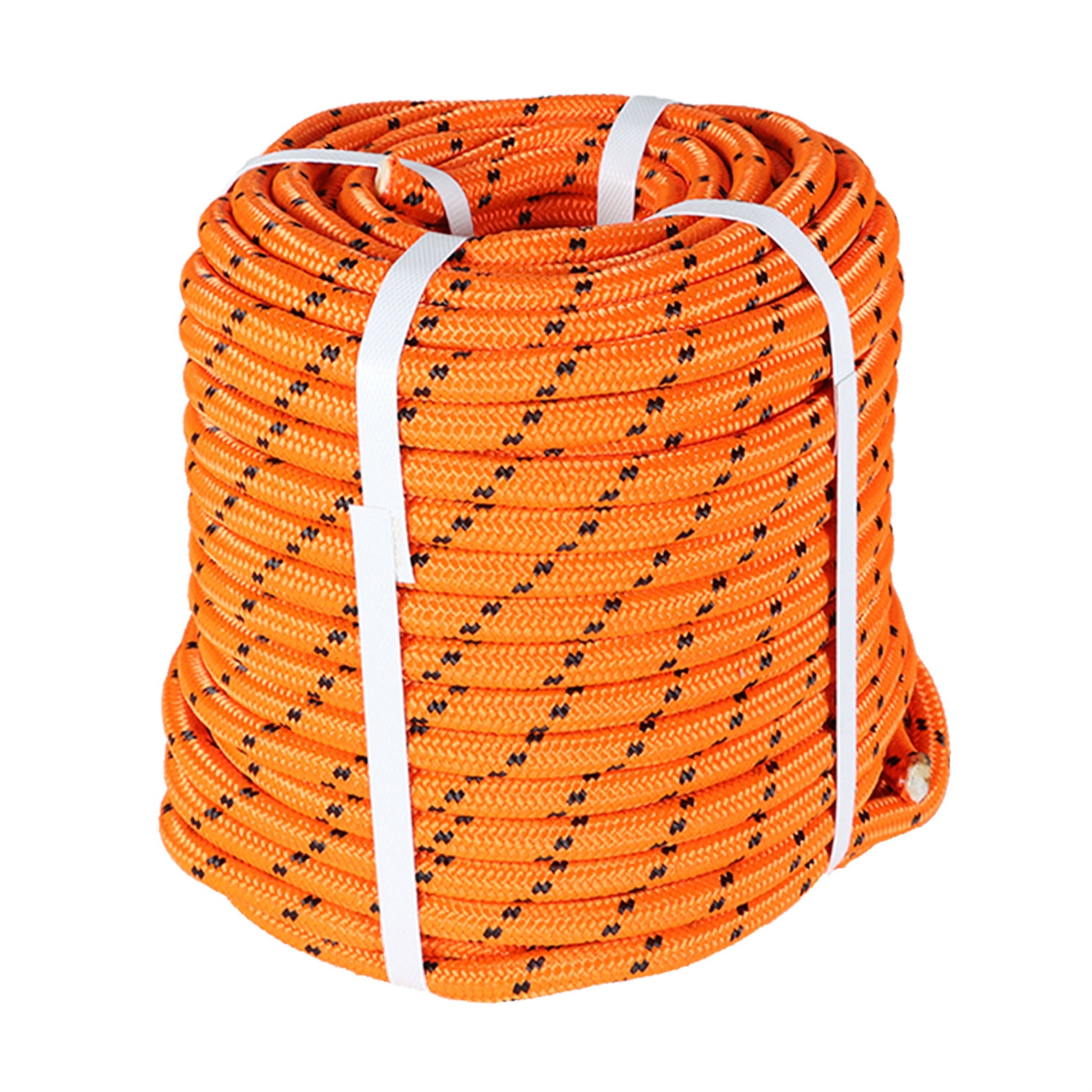
Before diving into maintenance tips, it’s important to understand why polyester is a popular choice for rope swings. Polyester rope has several key characteristics:
- Durability: Polyester is known for its strength and resilience, making it suitable for outdoor use.
- UV Resistance: Unlike other materials, polyester does not degrade quickly when exposed to sunlight.
- Low Stretch: Polyester rope maintains its shape and does not stretch excessively under load.
- Water Resistance: It resists moisture absorption, which reduces the risk of mildew and rot.
Routine Inspections: The First Step in Maintenance
Regular inspections are critical for identifying wear and tear before it leads to failure. Here’s how to conduct a thorough inspection:
- Visual Check: Look for fraying, discoloration, or any signs of damage along the length of the rope.
- Knots and Connections: Examine knots and connections for signs of wear. Ensure that all knots are secure and free from slipping.
- Attachment Points: Inspect the points where the rope is attached to the swing and the support structure. Look for rust or corrosion if metal hardware is used.
Conduct these inspections at least once a month, and more frequently if the swing is used heavily.
Cleaning Your Polyester Rope Swing

Keeping your polyester rope swing clean not only maintains its aesthetic appeal but also extends its lifespan. Here are some effective cleaning methods:
- Remove Debris: Regularly clear away leaves, dirt, and other debris that may accumulate on the swing and rope.
- Wash with Mild Soap: For a more thorough cleaning, use a mixture of mild soap and warm water. Scrub the rope gently using a soft brush to remove grime.
- Rinse Thoroughly: After washing, rinse the rope with clean water to remove any soap residue, which can weaken the fibers over time.
- Dry Completely: Allow the rope to dry completely before using the swing again to prevent mold and mildew growth.
Protecting Against the Elements

Weather can take a toll on your polyester rope swing. Here are some tips to protect it from the elements:
- Shade the Swing: If possible, place the swing in a shaded area to minimize sun exposure. Alternatively, consider using a UV-resistant cover when the swing is not in use.
- Store During Off-Season: If you live in an area with harsh winters, consider removing the swing and storing it indoors to protect it from snow and ice.
Proper Usage Guidelines
How the swing is used can greatly impact its longevity. Here are some guidelines to ensure safe and proper usage:
- Weight Limit: Adhere to the manufacturer’s recommended weight limit to prevent damage to the rope and swing.
- Limit Swinging Force: Avoid excessively vigorous swinging, as this can put undue stress on the rope and attachment points.
- Supervise Children: Always supervise children while they are using the swing to prevent accidents and ensure safe play.
Repairing Your Polyester Rope Swing
Despite your best efforts, wear and tear can occur over time. Here’s how to handle repairs:
- Replace Damaged Sections: If a section of the rope is frayed, consider cutting out the damaged section and re-knotting the rope.
- Re-Knotting Techniques: Learn basic knot-tying techniques such as the bowline or double fisherman’s knot to ensure secure repairs.
- Consult Professionals: For more extensive damage or if you’re unsure about repairs, consult a professional for assistance.
Case Studies: Longevity through Maintenance

Several case studies highlight the effectiveness of proper maintenance. For instance, a family in Oregon reported that their polyester rope swing lasted over ten years with regular inspections and cleanings. They followed a strict maintenance schedule, including:
- Monthly visual inspections
- Bi-annual deep cleans
- Storing the swing during winter months
This commitment to maintenance significantly extended the swing’s life, demonstrating the value of proactive care.
Statistics on Outdoor Play Equipment Safety
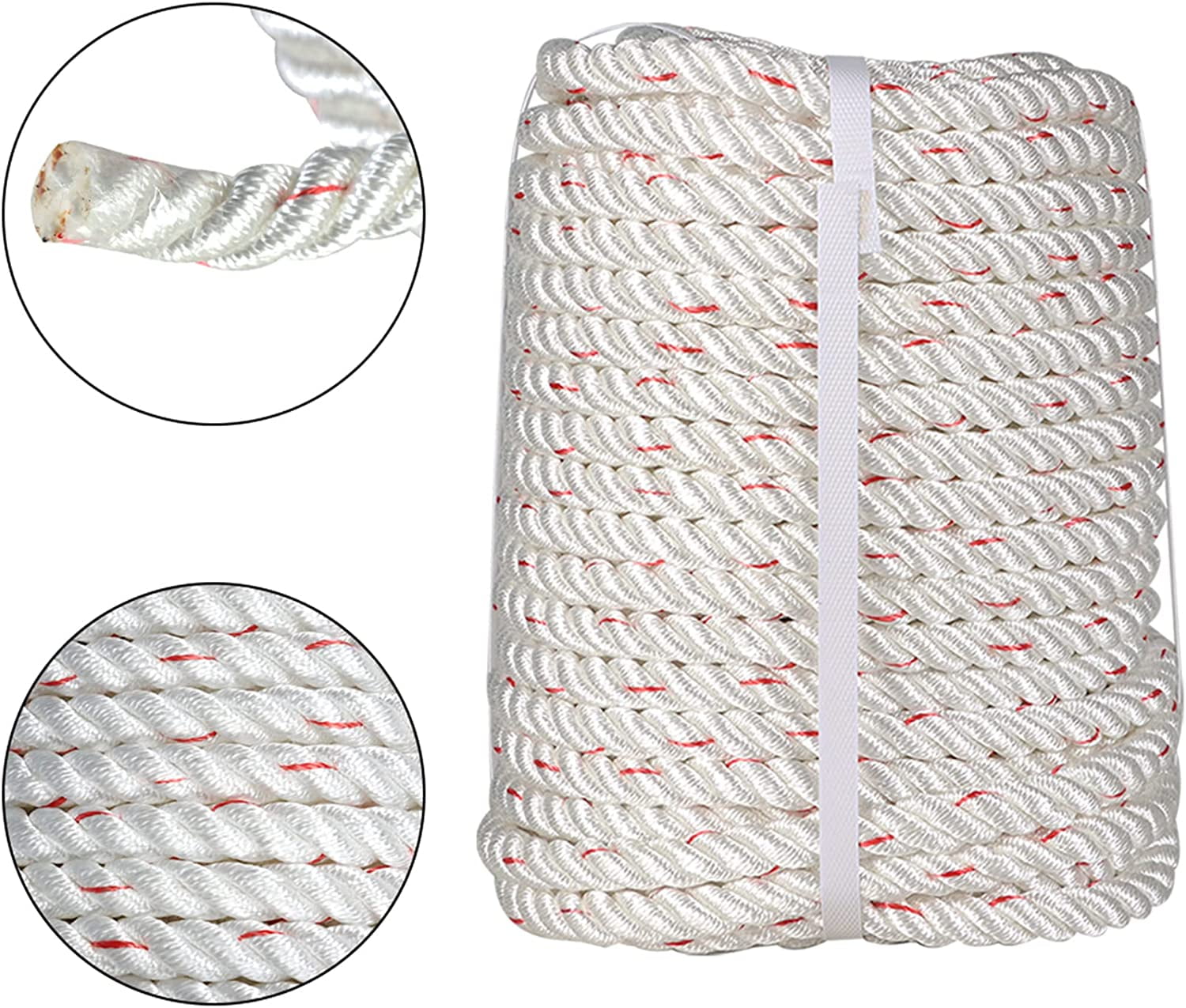
According to the Consumer Product Safety Commission (CPSC), over 200,000 children visit emergency rooms each year due to injuries related to playground equipment. Many of these accidents can be attributed to poorly maintained equipment. By following proper maintenance practices, you can not only prolong the life of your polyester rope swing but also enhance safety for its users.
Conclusion: Key Takeaways for Your Polyester Rope Swing

Caring for your polyester rope swing is crucial for ensuring safety, prolonging its lifespan, and maintaining its aesthetic appeal. By conducting routine inspections, cleaning properly, protecting against the elements, adhering to proper usage guidelines, and engaging in timely repairs, you can enjoy countless hours of fun with minimal risk of injury.
Remember, a well-maintained rope swing not only enhances the backyard experience but also fosters safe play for children and adults alike. Make maintenance a regular part of your outdoor care routine, and you’ll reap the benefits for years to come.
