In an era where hygiene has become paramount, the humble bottle of hand sanitizer has transformed from a niche travel accessory to an everyday essential. Among the myriad of brands vying for shelf space, one name consistently rises to the top: Purell. But is this ubiquitous presence merely a result of clever marketing, or does Purell truly possess qualities that elevate it above its competitors? This article delves deep into the world of hand sanitizers, dissecting their core components, examining the science behind their effectiveness, and ultimately, comparing Purell to other options to understand what makes it stand out.
The Science of Clean: Understanding Hand Sanitizers
Before we can compare brands, it’s crucial to understand what hand sanitizers are and how they work. The primary active ingredient in most hand sanitizers is alcohol, typically ethyl alcohol or isopropyl alcohol. The Centers for Disease Control and Prevention (CDC) recommends hand sanitizers with at least 60% alcohol content for optimal germ-killing efficacy. Alcohol works by denaturing proteins within microorganisms, effectively destroying them. However, not all alcohol-based sanitizers are created equal, and the concentration and formulation play a significant role in their performance.
Alcohol Concentration: The Golden Rule

This is arguably the most critical factor determining a hand sanitizer’s effectiveness. While many brands boast alcohol content, a higher percentage doesn’t always translate to superior germ eradication if other formulation aspects are lacking. However, consistently meeting the CDC’s recommended threshold is non-negotiable for effective microbial control. Brands that fall below this mark are, by definition, less effective.
Beyond Alcohol: Other Ingredients and Their Roles

While alcohol is the star of the show, other ingredients are crucial for a hand sanitizer’s overall performance and user experience. These include:
- Moisturizers: Alcohol can be drying to the skin. Ingredients like glycerin, aloe vera, and vitamin E are added to counteract this, preventing chapped hands and improving user comfort.
- Thickeners: Carbomers and other gelling agents give sanitizers their viscous texture, making them easier to apply and control.
- Emollients: These soften and smooth the skin.
- Fragrances: While purely for sensory appeal, some fragrances can be overpowering or irritating to sensitive individuals.
Purell’s Dominance: Decoding the Brand’s Appeal
Purell, a brand owned by GOJO Industries, has achieved remarkable market penetration and brand recognition. Its success isn’t accidental; it’s built on a foundation of perceived efficacy, a commitment to quality ingredients, and strategic brand positioning. Let’s examine the factors that contribute to Purell’s standing:
1. Consistent Efficacy and Broad-Spectrum Kill

Purell products are consistently formulated to contain the recommended alcohol concentration, typically 70% ethyl alcohol. This high concentration is known to be effective against a wide range of bacteria, including E. coli and Salmonella, as well as many viruses. The company often highlights its products’ ability to kill 99.99% of germs, a claim backed by independent laboratory testing. This focus on broad-spectrum efficacy provides consumers with a sense of confidence in its germ-killing power.
2. Skin-Nourishing Formulations
One of the most frequently cited advantages of Purell is its commitment to skin health. Their formulations often include moisturizers like vitamin E and aloe vera. This attention to detail addresses a common complaint with alcohol-based sanitizers – dryness and irritation. Many users report that Purell feels gentler on their hands compared to other brands, leading to a more pleasant and frequent usage experience.
A notable example of this is Purell Advanced Hand Sanitizer, which explicitly touts its moisturizing properties as a key benefit. This focus on user comfort is a significant differentiator in a crowded market.
3. Brand Trust and Recognition

Purell has been a household name for decades, building a strong reputation for reliability and effectiveness. This brand loyalty is cultivated through consistent product quality, prominent placement in public spaces (hospitals, schools, offices), and extensive marketing efforts. When faced with a choice between a familiar brand and an unknown one, consumers often gravitate towards the trusted name, especially when health is concerned.
4. Variety of Formulations and Delivery Systems
Purell offers a diverse range of products to cater to different needs and preferences. This includes:
- Gels: The classic and most common form.
- Foams: Often perceived as lighter and less sticky.
- Wipes: For surface cleaning and hand sanitizing.
- Sprays: For quick and even application.
This variety ensures that consumers can find a Purell product that best suits their lifestyle, whether they prioritize portability, a specific texture, or the convenience of a multi-purpose wipe.
Comparing Purell to the Competition: What Else is Out There?
While Purell holds a strong position, it’s important to acknowledge the competitive landscape. Many other hand sanitizer brands exist, some with their own unique selling propositions.
Budget-Friendly Brands: The Price-Performance Trade-off
Numerous store brands and generic options offer hand sanitizers at significantly lower price points. These often contain the minimum required alcohol concentration. While they can be effective in killing germs, they may fall short in terms of:
- Moisturizing properties: Leading to drier hands with frequent use.
- Scent: Often featuring stronger or less pleasant fragrances.
- Texture: Some can feel stickier or less smooth.
For individuals on a tight budget, these options can serve a purpose, but the long-term impact on skin health and overall user experience might be compromised.
“Natural” and “Organic” Options: A Different Approach
A growing segment of the market offers hand sanitizers marketed as “natural” or “organic.” These often use alternative active ingredients like benzalkonium chloride or essential oils, or they may contain a lower alcohol percentage with added botanical extracts. While these may appeal to consumers seeking to avoid synthetic ingredients, it’s crucial to scrutinize their efficacy claims.
The CDC and other health organizations primarily recommend alcohol-based sanitizers for their proven broad-spectrum germ-killing power. Non-alcohol-based sanitizers may not be as effective against all types of germs, particularly viruses. For instance, studies have shown that benzalkonium chloride is less effective than alcohol against certain viruses like norovirus.
Specialty Formulations: Addressing Specific Needs

Some brands focus on niche markets, offering:
- Fragrance-free options: For individuals with sensitivities.
- Hypoallergenic formulations: Designed for very sensitive skin.
- Sanitizers with added vitamins or antioxidants: Promising additional skin benefits.
These can be excellent choices for specific needs, but their core germ-killing efficacy should still be evaluated based on alcohol content and proven effectiveness.
Case Study: The Hospital Setting
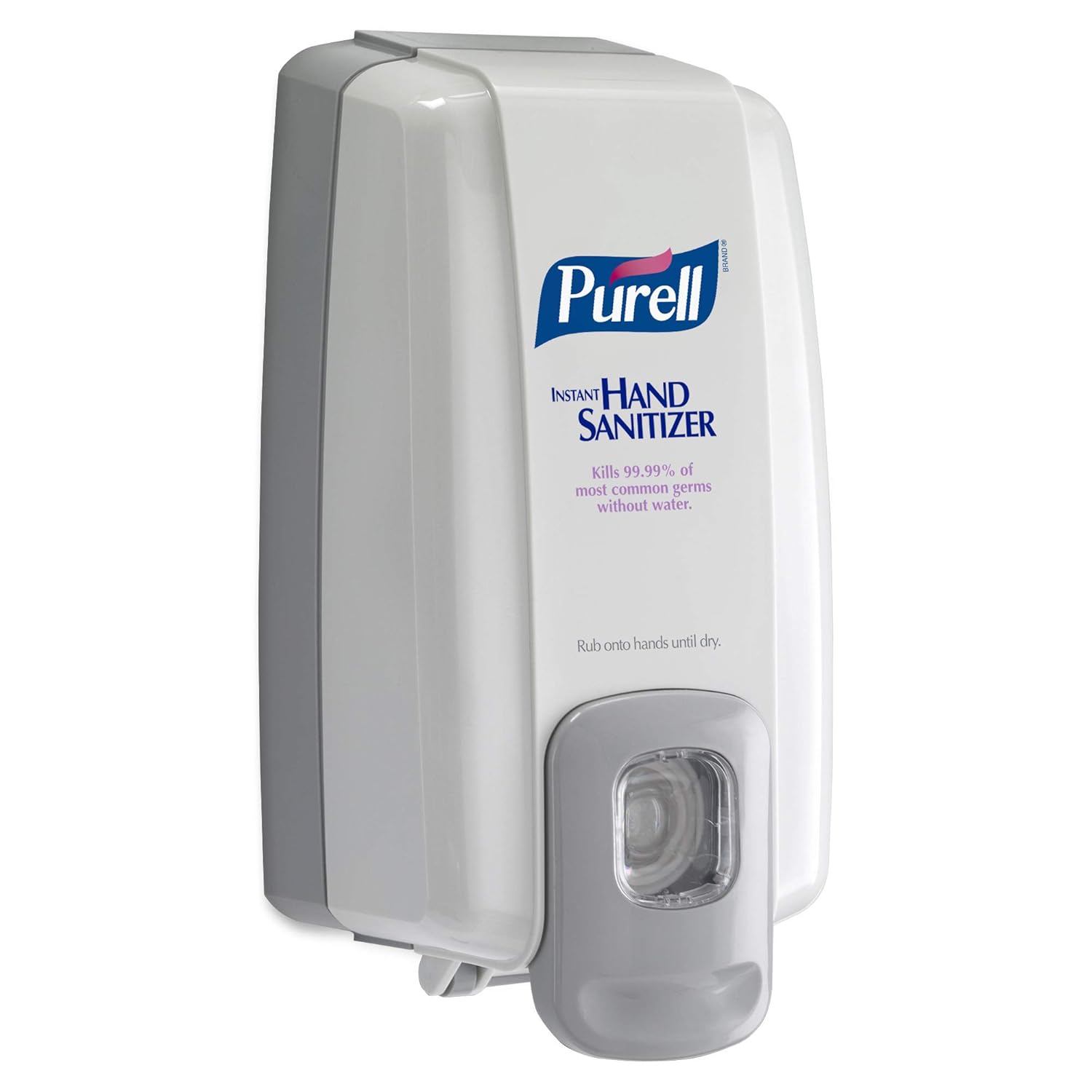
Hospitals and healthcare facilities are prime environments for rigorous hand hygiene. Here, the choice of hand sanitizer is critical, not just for patient safety but also for the well-being of healthcare professionals who use it frequently. Many hospitals opt for Purell or similar high-quality, alcohol-based sanitizers due to their proven efficacy and skin-friendly formulations. The high frequency of use necessitates products that minimize skin irritation to ensure consistent compliance with hand hygiene protocols. The fact that Purell is a staple in these high-stakes environments speaks volumes about its perceived and actual performance.
Statistics and Consumer Perception
Market research consistently shows Purell as a leader in brand recognition and consumer preference within the hand sanitizer category. While specific sales figures fluctuate, surveys frequently indicate that consumers associate Purell with effectiveness and quality. For example, in consumer surveys conducted during periods of heightened public health concern, Purell often emerges as the top-of-mind brand for hand sanitizer.
Purell’s Enduring Edge
While the hand sanitizer market is diverse, Purell’s enduring popularity and strong market position are well-earned. Its effectiveness, rooted in consistently high alcohol concentrations, is the cornerstone of its appeal. However, what truly sets Purell apart is its holistic approach to product development. By prioritizing skin health through the inclusion of effective moisturizers and emollients, Purell transforms a potentially drying necessity into a more comfortable and sustainable hygiene practice. This commitment to user experience, coupled with decades of brand building and trust, solidifies Purell’s status as a leading hand sanitizer. While other brands may offer budget-friendly alternatives or focus on niche ingredients, Purell’s winning formula of proven efficacy, skin-friendly formulations, and established trust makes it a benchmark against which other hand sanitizers are often measured.
