Ceiling fans are a staple in many homes, providing both comfort and aesthetic appeal. They help circulate air, creating a pleasant environment while potentially lowering energy costs. However, like any appliance, ceiling fans require regular maintenance to function optimally. This article will explore essential tips for keeping your traditional ceiling fan with light in top condition, ensuring it remains a reliable part of your home for years to come.
Understanding Your Ceiling Fan
Before diving into maintenance tips, it’s crucial to understand the components of a traditional ceiling fan with light. Generally, these fans consist of:
- Blades: The arms that create airflow.
- Motor: The engine that drives the blades.
- Light fixture: Often integrated into the fan for added illumination.
- Pull chains or remote control: Used to operate the fan and light.
Each of these components requires specific maintenance to ensure the fan operates effectively and efficiently.
Regular Cleaning: The First Step

Dust and dirt can accumulate on the fan blades and light fixture, leading to decreased performance. Regular cleaning is vital for maintaining an efficient ceiling fan. Here are some cleaning tips:
- Frequency: Clean your ceiling fan every month, and more frequently if you live in a dusty area.
- Tools: Use a microfiber cloth or a ceiling fan duster that can reach high places. Avoid using water or cleaning solutions on the blades, as this may create a residue that attracts more dust.
- Light Fixtures: Dust the light fixture regularly and wipe it with a damp cloth to remove any grime or fingerprints.
In a study by the American Cleaning Institute, it was found that regular cleaning can improve air quality and enhance the efficiency of household appliances, including ceiling fans.
Check and Tighten Hardware
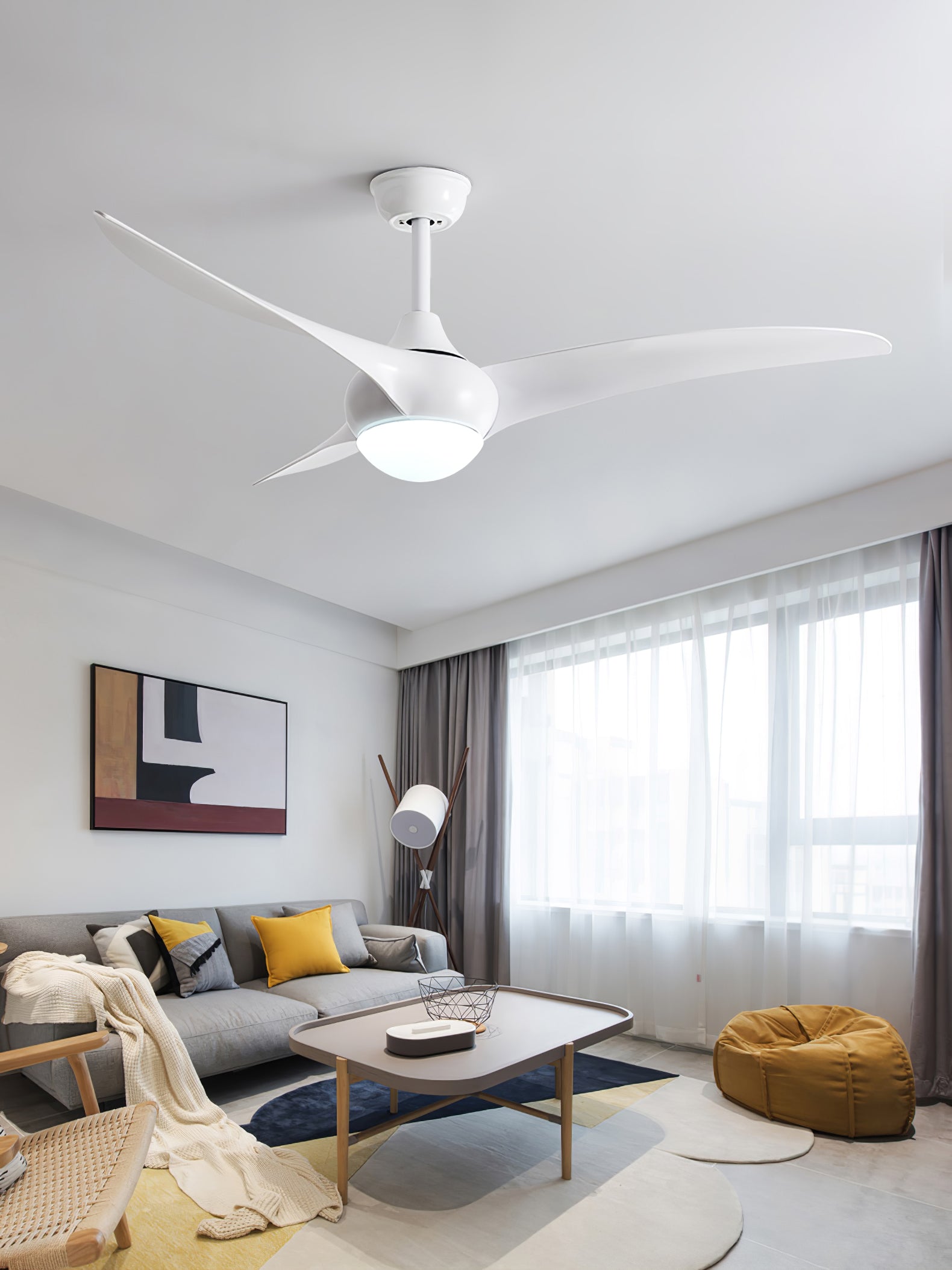
Over time, the screws and bolts that hold your ceiling fan together can loosen. This can lead to wobbling and unwanted noise. Regularly checking and tightening these components is crucial for safety and performance. Here’s how to do it:
- Inspect: Look for any loose screws or bolts on the fan blades, motor, and the mounting bracket.
- Tighten: Use a screwdriver to securely fasten any loose components. Ensure the fan is turned off and has cooled down before doing this.
Failing to address loose hardware could lead to more significant issues down the line, including the risk of the fan falling, which could cause injury or damage.
Lubrication for Smooth Operation
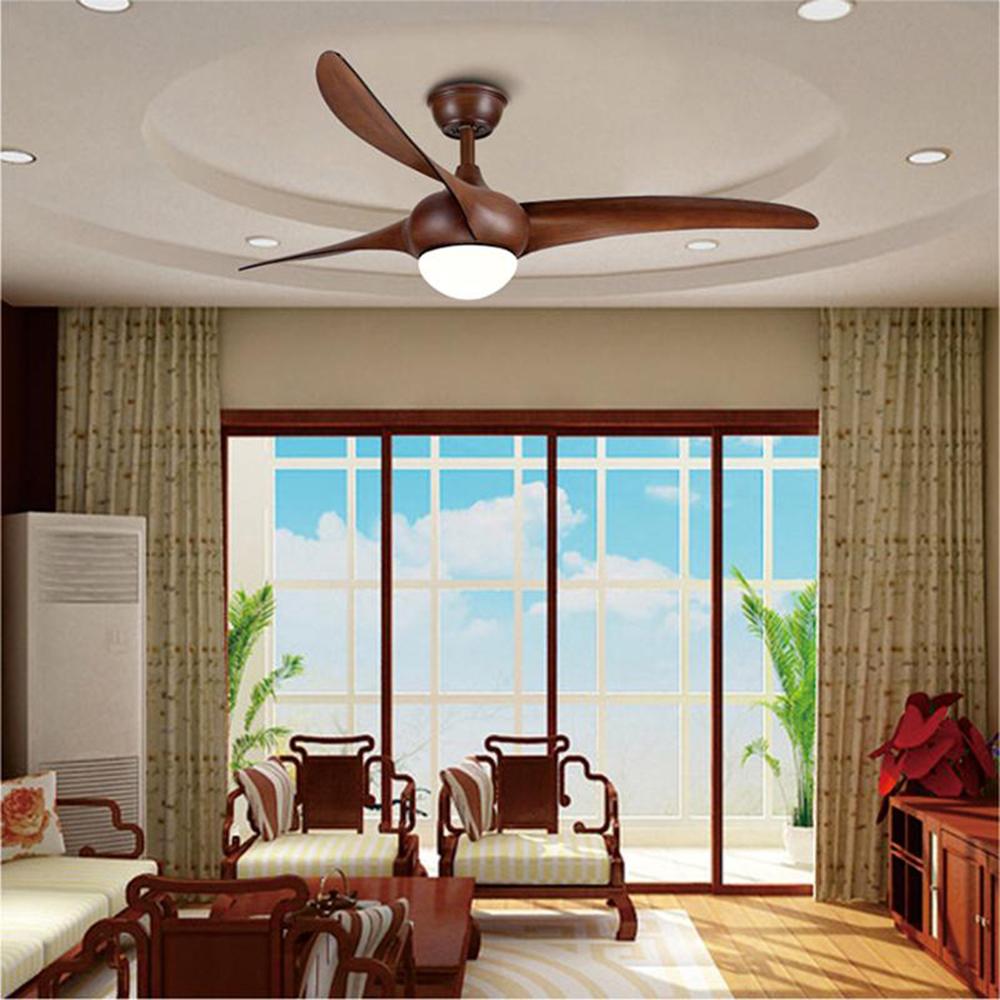
Like any mechanical device, a ceiling fan requires lubrication to function smoothly. Properly lubricated motors and bearings reduce friction and noise, enhancing the fan’s lifespan. Here’s how to lubricate your ceiling fan:
- Motor Oil: Use a light machine oil, such as 3-in-1 oil or a similar lubricant.
- Apply Sparingly: Add a few drops of oil to the motor and any accessible bearings, but avoid over-lubricating, as excess oil can attract dust.
According to the Ceiling Fan Manufacturers Association, proper lubrication can extend the life of your ceiling fan by up to 50%.
Balancing Your Ceiling Fan
If your ceiling fan wobbles while in operation, it may not be properly balanced. A wobbling fan is not only annoying, but it can also cause damage over time. Here are some steps to balance your fan:
- Check Blade Alignment: Ensure all blades are at the same height and aligned properly.
- Use a Balancing Kit: Most ceiling fan manufacturers provide a balancing kit that includes weights you can attach to the blades to achieve a balanced spin.
A well-balanced fan will operate more quietly and efficiently, providing better airflow and reducing wear and tear on the motor.
Seasonal Adjustments
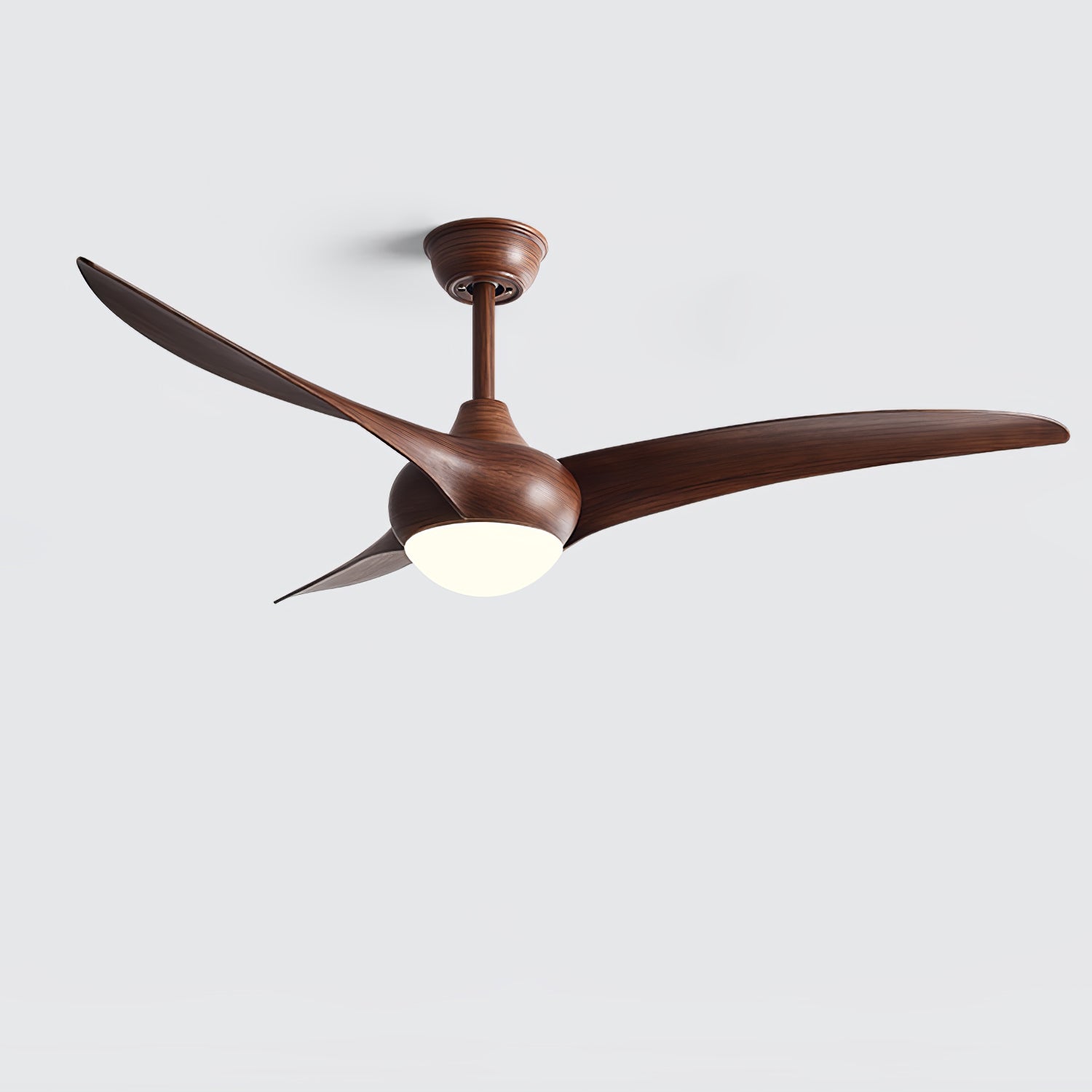
Ceiling fans can be used year-round, but their effectiveness can be improved by adjusting their settings based on the season:
- Summer Setting: Set the fan to rotate counterclockwise to create a wind-chill effect, which helps cool the room.
- Winter Setting: Switch the fan to rotate clockwise at a low speed to circulate warm air that rises to the ceiling.
By making these seasonal adjustments, you can enhance comfort and potentially reduce heating and cooling costs. According to the U.S. Department of Energy, using ceiling fans properly can save you up to 15% on your heating and cooling bills.
Light Bulb Care and Replacement
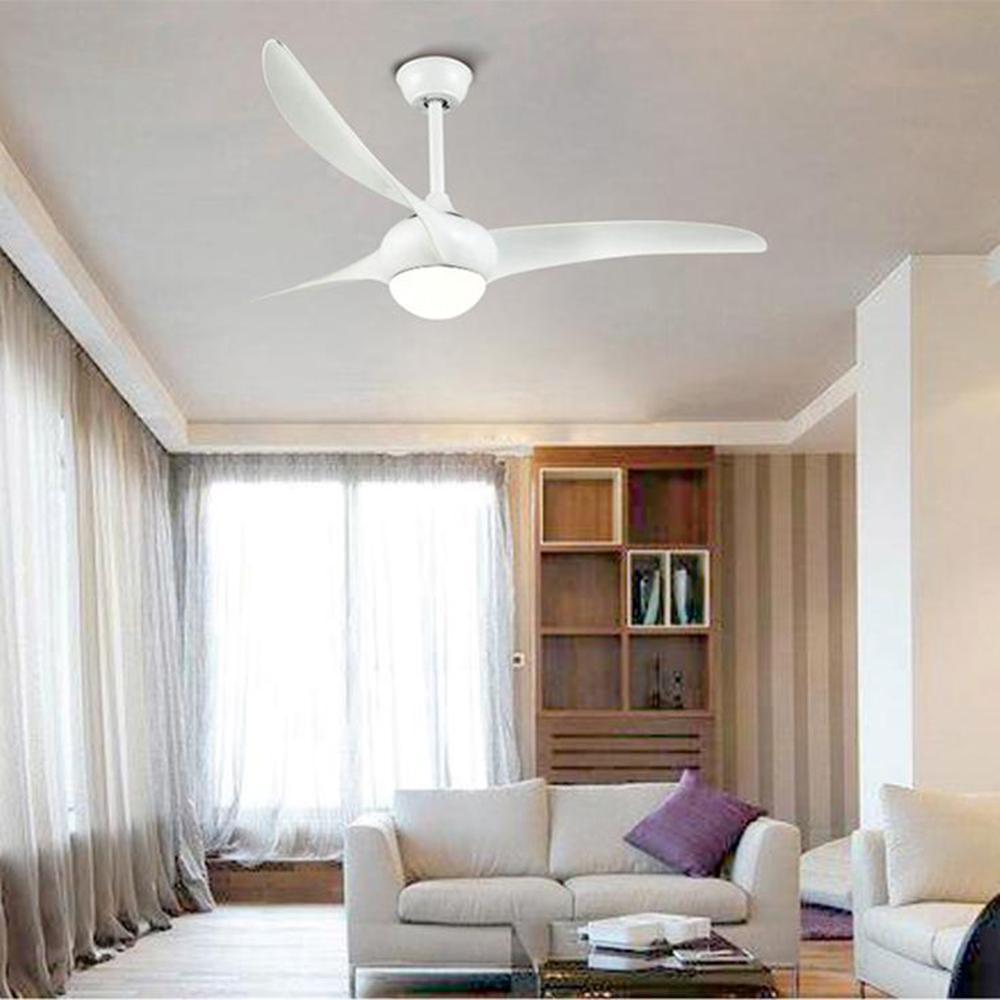
If your ceiling fan includes a light fixture, proper care of the bulbs is essential. Here are some tips:
- Use the Right Bulbs: Ensure you are using the recommended wattage and type of bulbs (LED, CFL, etc.) for your fan’s light fixture.
- Replace Burnt Bulbs Promptly: Turn off the fan and allow it to cool before replacing any burnt-out bulbs to maintain optimal lighting levels.
Using energy-efficient bulbs, such as LED lights, not only extends the life of the bulbs but also reduces electricity consumption, offering long-term savings.
Professional Servicing: When to Call the Experts

While many maintenance tasks can be performed by homeowners, some situations require professional assistance. Consider calling an electrician or a ceiling fan technician if:
- You notice persistent wobbling despite balancing efforts.
- The motor is making unusual noises or not functioning correctly.
- You are unsure about any electrical components or wiring.
Professional servicing can help identify and fix issues that may not be apparent to the average homeowner, ensuring safety and optimal performance.
Maintaining your traditional ceiling fan with light is crucial for ensuring its longevity, efficiency, and safety. Regular cleaning, hardware checks, lubrication, balancing, seasonal adjustments, light bulb care, and knowing when to call a professional are all essential practices for keeping your fan in top condition. By following these maintenance tips, you can enjoy the comfort and aesthetic appeal of your ceiling fan while maximizing its energy efficiency and lifespan.
With the right care, your ceiling fan can continue to be a reliable feature in your home, enhancing air circulation and adding a touch of style to your living space. Remember, a well-maintained ceiling fan not only saves energy but also contributes to a healthier home environment.
