The color blue has long been associated with feelings of calmness, serenity, and happiness. When combined with the playful environment of a ball pit, the result is a unique space that promotes joy, creativity, and physical activity. In this article, we will delve into the multifaceted benefits of incorporating a blue ball pit into play areas, whether at home, in schools, or recreational facilities.
The Psychology of Color: Why Blue Matters

Before we explore the benefits of a blue ball pit, it’s essential to understand the psychological implications of the color blue. Color psychology is the study of how colors affect human behavior and emotions. Blue, in particular, is known for its calming effects and is often associated with:
- Tranquility
- Trust
- Creativity
- Productivity
Research has shown that environments colored in blue can increase feelings of relaxation and reduce anxiety. This is particularly beneficial in play environments where children may need a calming influence to foster imaginative play and social interaction.
The Physical Benefits of a Ball Pit

Ball pits are not just fun; they also offer numerous physical health benefits, especially for children. Here are some key advantages:
- Promotes Physical Activity: Jumping, diving, and swimming through a ball pit encourage kids to be active, helping them build muscle strength and coordination.
- Enhances Motor Skills: Children develop fine and gross motor skills as they navigate through the balls, improving their balance and spatial awareness.
- Encourages Social Interaction: Ball pits serve as social hubs where children can interact, collaborate, and engage in group play, fostering teamwork and communication skills.
A study from the American Academy of Pediatrics highlights the importance of active play in childhood development, reinforcing the idea that environments like ball pits can significantly contribute to a child’s physical health.
The Therapeutic Effects of Play
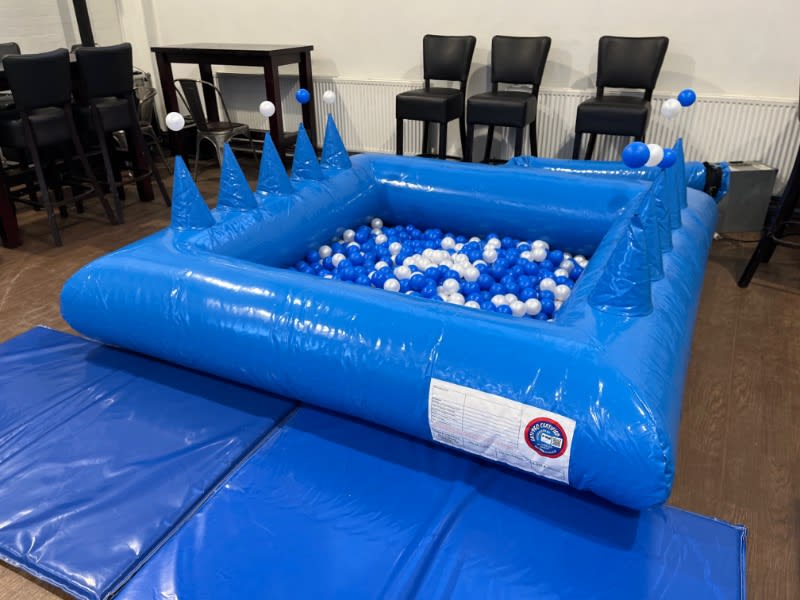
Play is a fundamental aspect of childhood that supports emotional and social development. The therapeutic effects of play are well-documented, particularly in environments designed for fun and exploration. A blue ball pit can provide:
- Anxiety Relief: The soft texture of the balls and the calming color can help reduce anxiety and create a safe space for children to express themselves.
- Sensory Stimulation: The multitude of colors and textures in a ball pit can stimulate a child’s senses, enhancing cognitive development.
- Improved Mood: Engaging in playful activities releases endorphins, the happiness hormones, leading to improved mood and emotional well-being.
For children with sensory processing disorders, a ball pit can serve as a beneficial tool for tactile exploration, allowing them to engage in a safe and controlled manner.
Designing the Perfect Blue Ball Pit
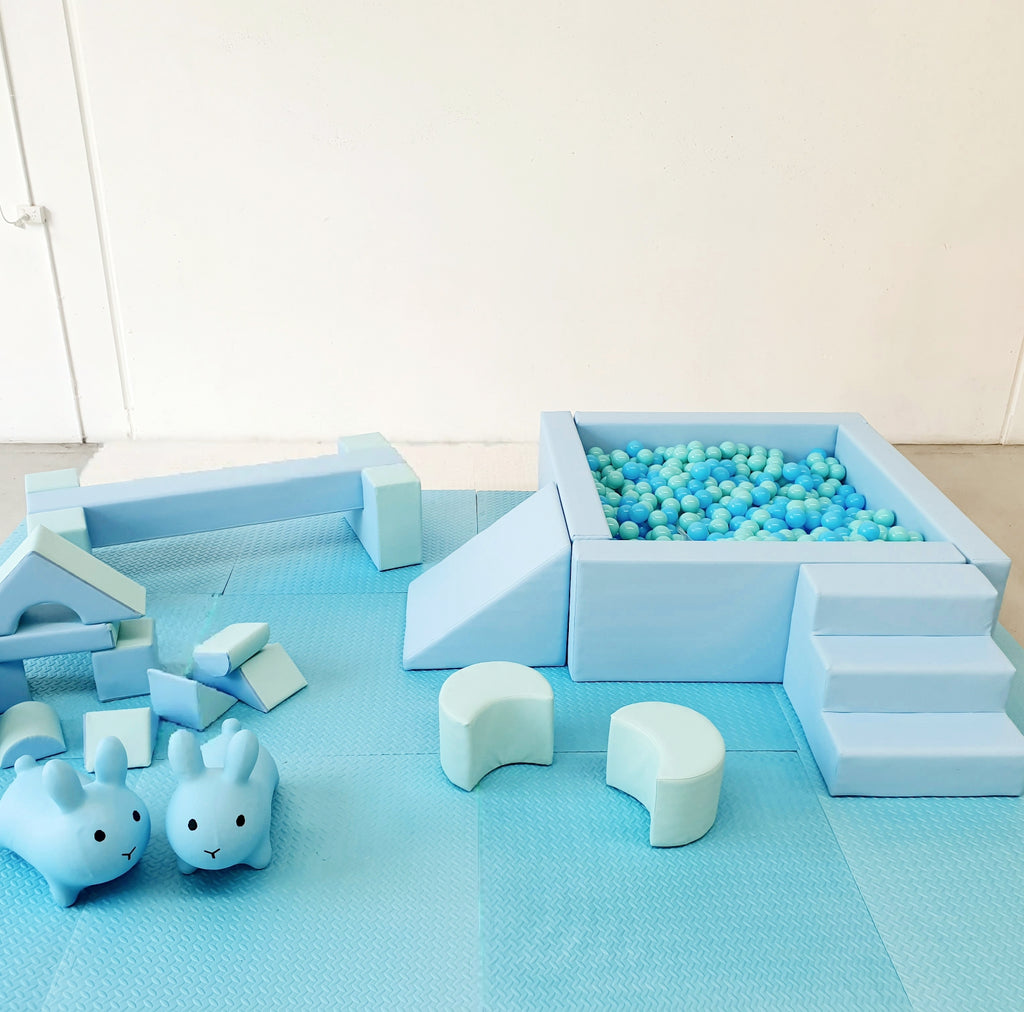
Creating an inviting and effective blue ball pit requires thoughtful design and consideration. Here are some elements to keep in mind:
- Color Selection: Choose varying shades of blue to create visual interest while maintaining a calming atmosphere.
- Ball Size and Material: Opt for soft, lightweight balls made of safe materials to prevent injury and enhance the sensory experience.
- Safety Features: Ensure the pit is enclosed or positioned in a manner that minimizes the risk of falls and injuries.
- Accessibility: Design the ball pit to be accessible for children of all abilities, incorporating ramps or low edges for easy entry and exit.
Incorporating these elements can create a welcoming and safe space that maximizes the benefits of play.
Case Studies: Blue Ball Pits in Action

Numerous facilities have successfully integrated blue ball pits into their play areas, yielding positive results. Here are a few noteworthy examples:
- Community Play Centers: The “Blue Oasis” community center in Seattle introduced a blue ball pit designed with sensory-friendly features. Feedback from parents indicated a significant improvement in children’s social skills and reduced anxiety during playtime.
- Preschool Environments: A preschool in Denver implemented a blue ball pit as part of their outdoor play area. Teachers reported enhanced engagement among students, with children spending more time in collaborative play than before the addition.
- Therapeutic Play Spaces: A children’s therapy clinic in Chicago incorporated a blue ball pit into their sensory integration activities. Therapists noted that children with sensory processing issues showed improved comfort and willingness to engage in therapy sessions.
These case studies illustrate the tangible benefits of blue ball pits in various settings, reinforcing the idea that play is an essential component of healthy development.
Statistics on Play and Child Development
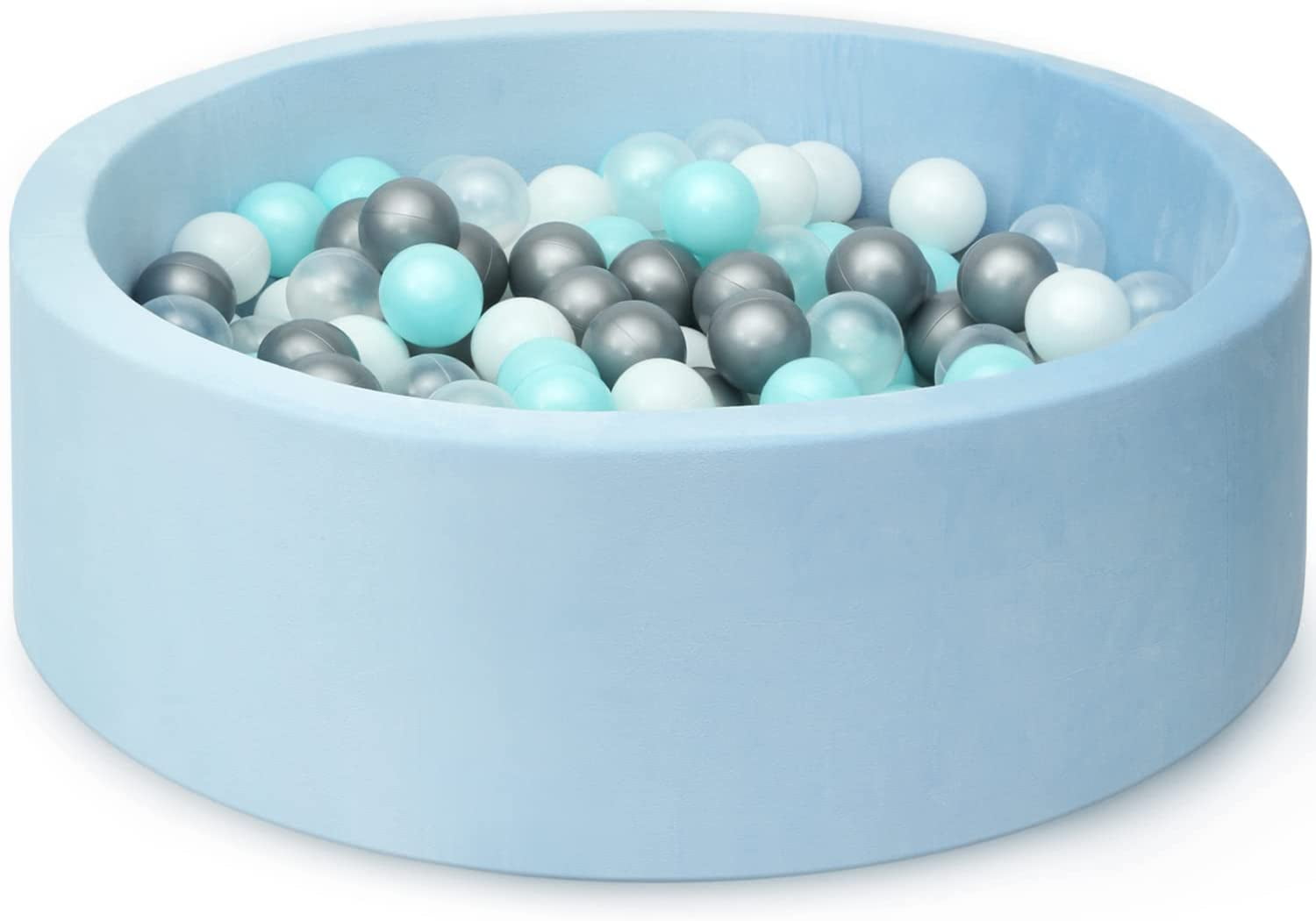
To further emphasize the importance of play, consider the following statistics:
- According to the National Association for the Education of Young Children (NAEYC), 80% of brain development occurs by age three, highlighting the importance of engaging play experiences during early childhood.
- The Centers for Disease Control and Prevention (CDC) report that children aged 2-5 should engage in at least three hours of physical activity per day, which can be facilitated through playful environments.
- A survey conducted by the American Psychological Association found that 75% of parents believe that play is crucial for their child’s emotional health and development.
These statistics underscore the vital role that play, especially in engaging environments like blue ball pits, plays in the overall development and well-being of children.
Conclusion: Embracing the Joy of Blue
In conclusion, the joy of a blue ball pit extends far beyond its playful appearance. By combining the calming effects of the color blue with the physical and emotional benefits of play, a blue ball pit offers a unique sanctuary for children. From promoting physical activity and enhancing motor skills to providing therapeutic benefits and social interaction opportunities, the advantages of a blue ball pit are both profound and far-reaching.
As we continue to recognize the importance of play in childhood development, incorporating elements like a blue ball pit into our educational and recreational spaces is a step towards fostering happier, healthier children. By embracing the joy of blue, we can create environments that stimulate creativity, enhance social skills, and promote well-being, laying a strong foundation for our children’s futures.
