Cloth book fabric panels, often overlooked or discarded after a project is complete, are a treasure trove of potential for the DIY enthusiast. These vibrant, patterned, and often story-rich pieces of fabric offer a unique starting point for a myriad of creative endeavors. Beyond their intended purpose, they can be transformed into stunning decorative items, practical accessories, and even personalized gifts. This article delves into compelling and well-researched creative uses for cloth book fabric panels in DIY projects, offering inspiration and practical guidance for crafters of all skill levels.
The Allure of Fabric Panels: More Than Just a Page
Cloth book fabric panels are typically designed with children in mind, featuring bold illustrations, engaging characters, and often a narrative element. This inherent storytelling quality is what makes them so appealing for DIY projects. Unlike generic fabric scraps, these panels come with a built-in theme and aesthetic, providing a head start in establishing a cohesive design. The tactile nature of cloth books also means the fabric is usually durable and washable, making it suitable for a wide range of applications. The versatility of these panels lies in their ability to be cut, sewn, appliquéd, and embellished, allowing for endless customization.
Why Choose Fabric Panels for DIY?

There are several compelling reasons to repurpose cloth book fabric panels:
- Unique Aesthetic: Each panel tells a story and brings a distinct visual narrative to your project.
- Cost-Effective: Repurposing saves money compared to buying new fabric for smaller projects.
- Sustainable Crafting: Gives a second life to materials that might otherwise go to waste.
- Educational Value: Can be used to teach children about storytelling, sewing, and creative expression.
- Personalization: Allows for the creation of truly one-of-a-kind items.
Transforming Panels into Treasures: Inspiring DIY Projects
The possibilities for transforming cloth book fabric panels are vast. Here, we explore several categories of DIY projects, each offering a unique way to harness the charm of these fabrics.
1. Adorn Your Home: Decorative Accents with a Story
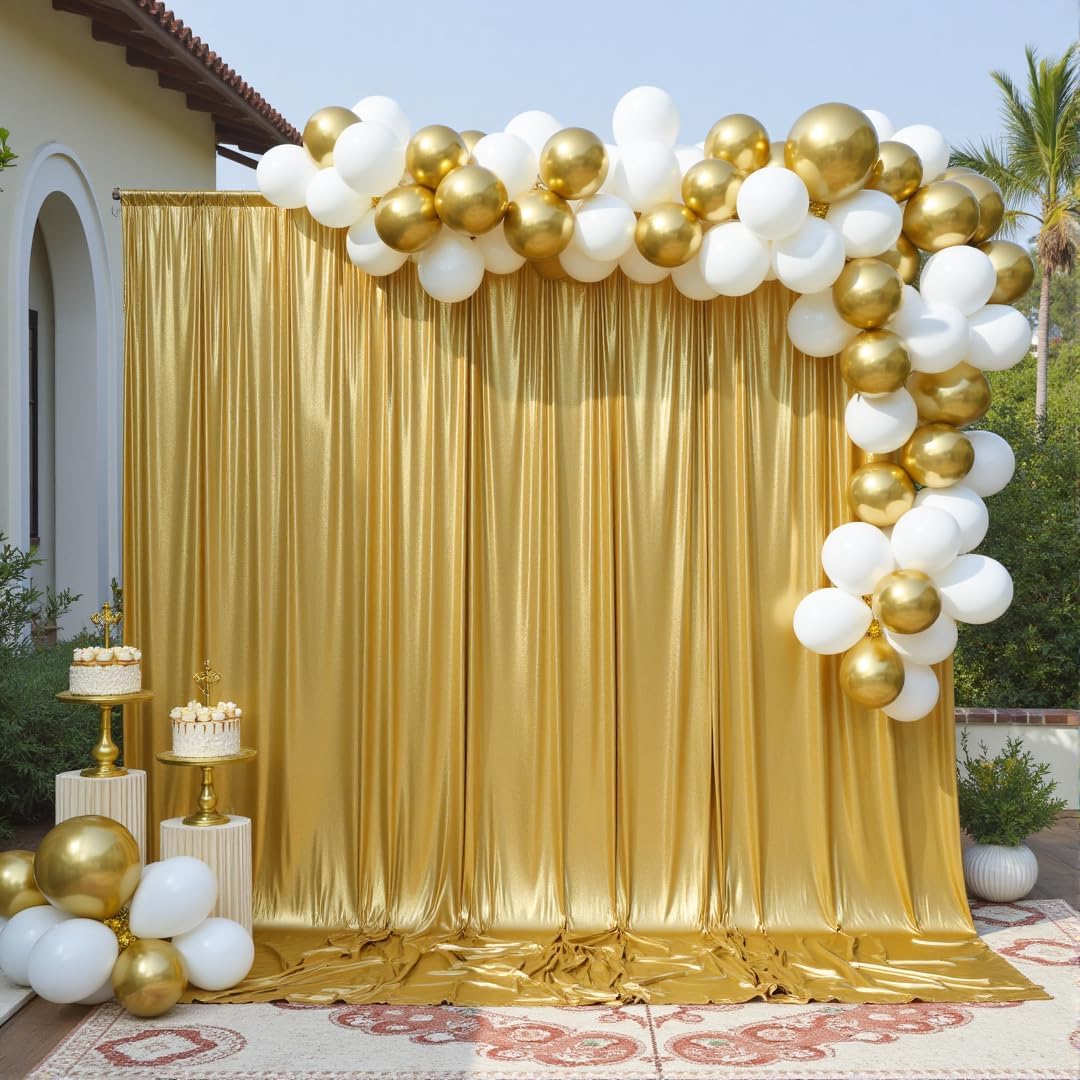
Fabric panels can infuse your living spaces with personality and whimsy. Their inherent narrative quality makes them ideal for creating decorative pieces that spark conversation and joy.
Cozy Cushion Covers:
One of the simplest yet most impactful projects is creating unique cushion covers. Cut out a favorite scene or character from the panel and appliqué it onto a plain cushion cover. Alternatively, use the entire panel as the front of a new cushion, perhaps piecing together multiple panels for a larger statement piece. This is particularly effective for children’s rooms, adding a touch of their favorite stories to their personal sanctuary. For instance, a panel featuring farm animals could be turned into a delightful cushion for a nursery, enhancing the playful atmosphere.
Wall Art and Banners:
Frame a particularly stunning illustration from a fabric panel for a quick and easy piece of wall art. You can also create fabric banners for celebrations or as a permanent decorative element. Hem the edges of the panel, add a casing for a dowel rod or ribbon, and hang it. This is a fantastic way to showcase a larger, more intricate design. Consider a panel depicting a fairy tale for a magical touch in a child’s bedroom or a historical scene for a more sophisticated aesthetic.
Quilting and Patchwork:
For the more ambitious crafter, fabric panels can be incorporated into quilts and patchwork projects. Cut out individual elements or entire scenes to create unique motifs within a larger quilt. This adds a personal and storytelling dimension that standard quilting cottons might not offer. Imagine a memory quilt made with panels from a child’s favorite books, creating a tangible collection of cherished moments.
2. Practicality Meets Playfulness: Functional Accessories
Beyond decoration, cloth book fabric panels can be transformed into practical items that are both useful and visually appealing.
Tote Bags and Pouches:
A durable fabric panel is perfect for creating personalized tote bags or small drawstring pouches. Cut a rectangular panel, fold it in half, sew the sides, and add a handle. The vibrant designs will make your tote bag stand out. Small pouches are ideal for storing art supplies, toys, or travel essentials, making them excellent personalized gifts.
Book Covers and Journal Wraps:
Protect your favorite books or journals with custom fabric covers made from these panels. Measure your book, cut the fabric to size, and create a simple wrap-around cover with pockets to hold the book’s covers in place. This adds a protective layer and a touch of personality to your reading material.
Appliquéd Clothing and Accessories:
Give plain clothing items a unique makeover by appliquéing fabric panel motifs onto them. T-shirts, denim jackets, or even canvas shoes can be transformed. Cut out a character or design and use fabric glue or fusible web for a no-sew option, or stitch it on for added durability. This is a fantastic way to personalize children’s clothing, making them feel more connected to their favorite characters.
3. Creative Play and Learning: Engaging Children with Fabric Panels

Cloth book fabric panels are inherently designed for children, making them ideal for projects that foster creativity and learning.
DIY Soft Books and Play Mats:
Beyond the original cloth book, you can create entirely new soft books or interactive play mats. Sew together multiple panels to create a larger fabric base, then add pockets, flaps, or felt embellishments to create interactive elements. This can be a wonderful way to develop fine motor skills and imaginative play. For example, a panel with woodland creatures could become a play mat where children can hide small toys within the fabric landscape.
Puppet Shows and Storytelling Props:
Cut out characters and scenes to create hand puppets or props for storytelling. Attach them to sticks or sew simple finger puppets. This is a brilliant way to bring stories to life and encourage imaginative play. A panel depicting a castle could be used as a backdrop for a puppet show, complete with character puppets cut from the same fabric.
Craft Kits for Kids:
Break down larger fabric panels into smaller pieces and create DIY craft kits for children. Include fabric scraps, felt, buttons, and simple instructions for creating their own fabric collage or mini-applique project. This provides a structured yet open-ended creative activity.
Case Study: The “Story Patch” Project

Consider the example of the “Story Patch” project initiated by a community craft group. They collected discarded cloth book panels from local libraries and early childhood centers. Their goal was to create a large collaborative quilt for a children’s hospital. Each panel was carefully cut, mended where necessary, and then sewn together by volunteers. The resulting quilt was not just a beautiful piece of fabric art; it was a testament to community spirit and the power of repurposing. The children in the hospital found immense joy in identifying familiar characters and stories within the quilt, bringing a sense of comfort and familiarity to their surroundings. This project demonstrates the profound impact that can be achieved by creatively utilizing these often-underestimated fabric panels.
Tips for Working with Cloth Book Fabric Panels

To ensure a successful DIY experience, keep these tips in mind:
- Pre-washing: Always pre-wash your fabric panels to prevent shrinkage and color bleeding in future washes.
- Sharp Tools: Use sharp fabric scissors for clean cuts.
- Stabilization: For delicate or stretchy panels, consider using a lightweight fusible interfacing to stabilize the fabric before cutting and sewing.
- Embroidery and Embellishments: Enhance your projects with embroidery, beads, or buttons to add texture and detail.
- Thread Matching: Use thread that complements or contrasts with the fabric colors for a polished look.
- Seam Finishes: Consider how you will finish your seams to prevent fraying, especially for items that will be handled frequently.
A Universe of Creative Possibilities Awaits
Cloth book fabric panels are far more than just remnants of a children’s product; they are vibrant canvases brimming with potential for creative expression. From adorning your home with unique decorative accents to crafting practical accessories and engaging children in imaginative play, the applications are as diverse as the designs themselves. By embracing the inherent narrative and visual appeal of these fabrics, DIY enthusiasts can transform them into cherished items that bring joy, personality, and a touch of storytelling to everyday life. The act of repurposing these panels not only fosters a sustainable approach to crafting but also unlocks a universe of creative possibilities, proving that even the smallest scraps can inspire the grandest of projects.
