For millennia, the image of the dragon has captivated the human imagination, soaring through mythologies, legends, and cultural narratives across the globe. More than just fantastical beasts, dragons have served as potent symbols, embodying a complex tapestry of human emotions, societal aspirations, and primal fears. Their enduring presence in our collective consciousness speaks volumes about their deep-seated significance in shaping our understanding of the world and ourselves. This article delves into the multifaceted role of dragons as symbols, exploring their historical evolution and the enduring lessons they offer.
The Dual Nature of the Dragon: A Paradoxical Powerhouse

One of the most striking aspects of dragon symbolism is its inherent duality. Unlike many mythical creatures that lean heavily towards either good or evil, dragons often occupy a liminal space, embodying both destructive potential and protective power, chaos and order, primal instincts and divine wisdom. This paradox is central to their enduring appeal and their ability to resonate with diverse cultural contexts.
Serpents of Chaos and Destruction
In many ancient cultures, dragons were primarily associated with primal forces of chaos, destruction, and the untamed natural world. Their serpentine forms, sharp claws, and fiery breath often represented the terrifying power of storms, floods, and earthquakes – forces that humans felt utterly powerless against. These dragons were often adversaries to be overcome, symbolizing the struggle for order against anarchy.
- Mesopotamian Tiamat: In the Babylonian epic *Enuma Elish*, Tiamat, a primordial saltwater goddess personifying chaos, is depicted as a monstrous sea serpent or dragon. Her defeat by the god Marduk is a foundational myth, establishing cosmic order from primeval chaos. This highlights the dragon as a representation of the untamed, pre-creation state.
- Norse Jörmungandr: The Midgard Serpent, Jörmungandr, is a colossal sea serpent that encircles the world. While not always explicitly called a dragon, its monstrous, world-threatening nature and its role in Ragnarök (the Norse apocalypse) firmly place it within the dragon archetype of destructive power, destined to clash with Thor.
- Greek Hydra: The Lernaean Hydra, with its multiple heads, each capable of regeneration, embodies destructive regeneration and a relentless foe. Its defeat by Hercules is a classic example of a hero conquering a monstrous force of nature.
Guardians of Treasures and Sacred Spaces
Conversely, dragons have also been revered as formidable guardians, protectors of sacred sites, hidden treasures, and ancient wisdom. Their immense power, when channeled positively, could serve to ward off evil and preserve that which is valuable. This benevolent aspect often appears in cultures where dragons are seen as intermediaries between the earthly and divine realms.
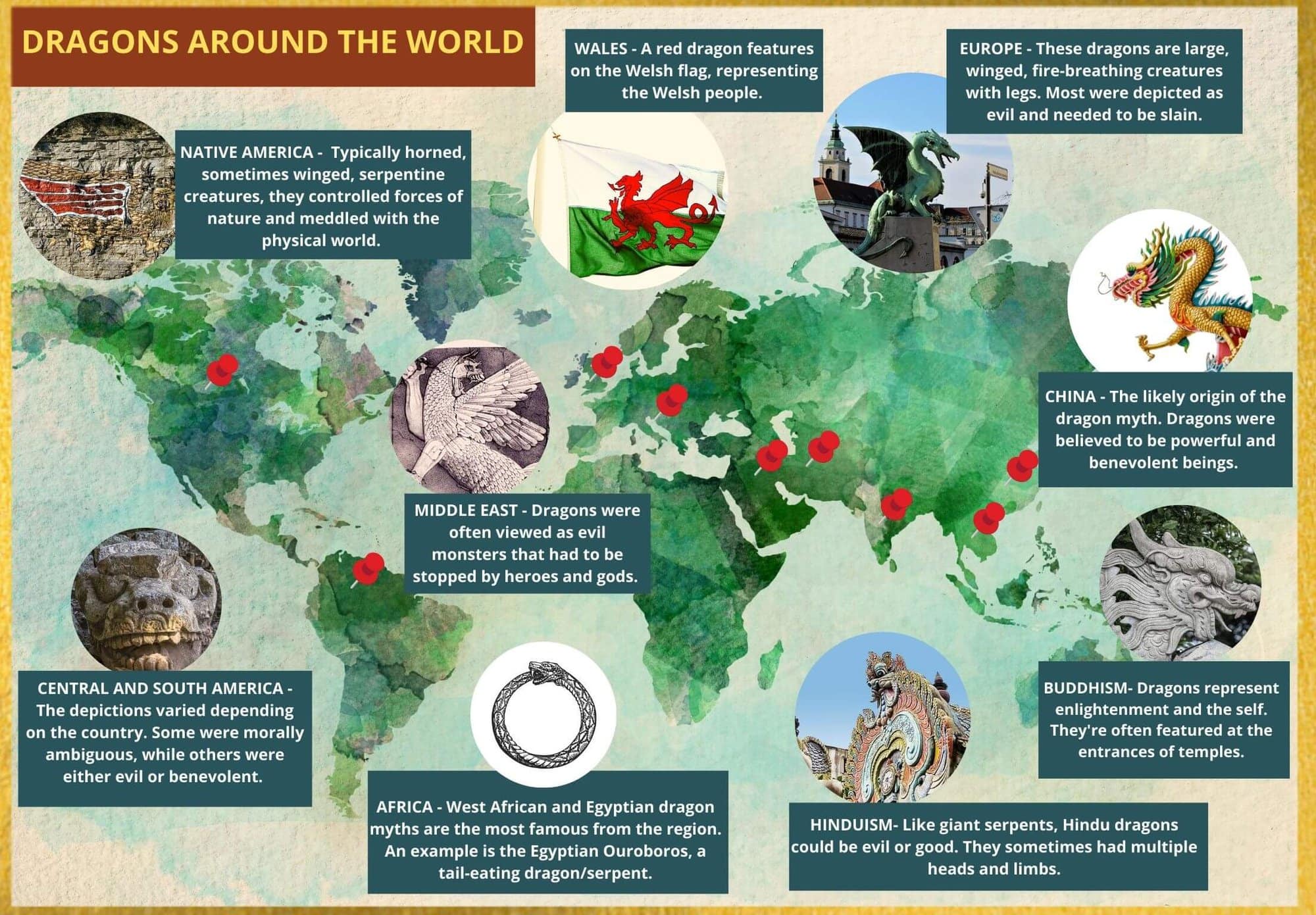
- Chinese Dragons (Long): Perhaps the most iconic benevolent dragons are found in Chinese mythology. The *Long* are celestial beings associated with water, rain, and good fortune. They are seen as wise, benevolent, and bringers of prosperity. Emperors often used the dragon as a symbol of their imperial power, signifying a benevolent ruler guided by celestial mandate. The sheer prevalence of dragon imagery in Chinese art, architecture, and festivals underscores their positive symbolism.
- Welsh Dragon (Y Ddraig Goch): The Red Dragon is the national symbol of Wales, famously depicted on its flag. Legend has it that the red dragon fought and defeated a white dragon, symbolizing the triumph of the Welsh people over invading Saxons. This represents a protective, nationalistic symbolism.
- Greco-Roman Ladon: Ladon was a dragon or serpent who guarded the golden apples of the Hesperides in Greek mythology. While a formidable obstacle, his role was primarily that of a guardian, rather than an inherently malevolent force.
Dragons as Symbols of Transformation and Wisdom
Beyond their roles as forces of destruction or protection, dragons frequently symbolize profound transformation, spiritual awakening, and the accumulation of ancient wisdom. Their ability to endure through ages and their often-associated connection to the elements suggest a deep understanding of cyclical existence and the secrets of the universe.
The Alchemical Dragon: Unity and Wholeness
In alchemy, the dragon, often depicted as an Ouroboros (a serpent eating its own tail), symbolizes the cyclical nature of creation, destruction, and rebirth – a fundamental principle in alchemical processes. It represents the unity of opposites, the completion of a cycle, and the potential for transformation and perfection. This concept is crucial in understanding the dragon’s role in esoteric traditions, where it represents the integration of primal energies into a higher, more refined state.
The Ouroboros, as a dragon symbol, represents:
- The cyclical nature of time and existence.
- The unity of beginning and end.
- The concept of perpetual renewal and regeneration.
- The integration of opposing forces (e.g., life and death, spirit and matter).
Wisdom Embodied: The Ancient Serpent

Dragons are often portrayed as ancient beings possessing immense knowledge. Their long lifespans and their connection to the earth and sky allow them to witness the unfolding of history and accumulate a profound understanding of existence. This makes them figures of wisdom, often sought out by heroes for guidance or counsel. In some traditions, they are keepers of forbidden knowledge or ancient secrets.
Examples of dragons as wisdom figures include:
- The Dragon of Wisdom in various Asian mythologies: Many Eastern dragons are depicted as wise sages, offering counsel and guidance to mortals and deities alike. Their long beards and serene demeanor often contribute to this perception.
- The metaphorical “dragon of self”: In some psychological interpretations, the dragon can represent the subconscious mind or the inner challenges one must confront to achieve personal growth and wisdom.
Cultural Variations: A Global Tapestry of Dragon Lore
The interpretation and depiction of dragons vary significantly across different cultures, reflecting unique historical experiences, religious beliefs, and environmental influences. While the Western dragon is often a winged, fire-breathing serpent, the Eastern dragon presents a vastly different image and set of meanings.
Western Dragons: From Pagan Foes to Christian Adversaries
In Western European traditions, particularly those influenced by Christianity, dragons often embodied evil. They were seen as manifestations of Satan, the serpent of Eden, and a formidable foe for heroic knights and saints.
- Saint George and the Dragon: This iconic legend, popular throughout Christendom, depicts Saint George slaying a dragon that was terrorizing a town and demanding human sacrifices. The dragon here is a clear symbol of evil and paganism overcome by Christian virtue. The widespread popularity of this story, with countless artistic interpretations throughout the medieval period and beyond, highlights the dragon’s role as the ultimate embodiment of evil in this cultural context.
- Medieval Bestiaries: These illustrated compendiums of animals, both real and mythical, often described dragons as ferocious beasts, embodying sin and the devil’s power. Their scales represented impenetrable sin, and their fire the fires of hell.
While the Christian narrative solidified the dragon’s image as a malevolent force, earlier European pagan traditions sometimes depicted them in more ambiguous or even positive lights, often as nature spirits or guardians of the land.
Eastern Dragons: Celestial Beings of Benevolence and Power

In stark contrast to the Western perception, dragons in East Asia, particularly in China, Japan, and Korea, are predominantly benevolent creatures. They are associated with water, fertility, good fortune, and imperial power.
- The Four Dragon Kings of China: These mythical rulers preside over the four seas and control rain and water. They are revered and prayed to for favorable weather conditions for agriculture, which was the backbone of the Chinese economy for centuries. This directly links the dragon to sustenance and prosperity.
- Japanese Dragons (Ryu): Similar to their Chinese counterparts, Japanese dragons are often water deities and symbols of strength and wisdom. They are frequently depicted in temples and shrines, protecting sacred spaces.
The visual differences are also striking. Eastern dragons are typically depicted as long, serpentine creatures without wings (though some possess them), with scales, claws, and often manes. They are more ethereal and majestic than the heavily armored, reptilian Western dragons.
The Enduring Legacy of the Dragon Symbol
Even in our modern, scientifically-driven world, the dragon continues to exert a powerful hold on our collective imagination. Its symbolism has permeated literature, film, art, and popular culture, demonstrating its enduring relevance.
Dragons in Modern Storytelling: From Villains to Allies
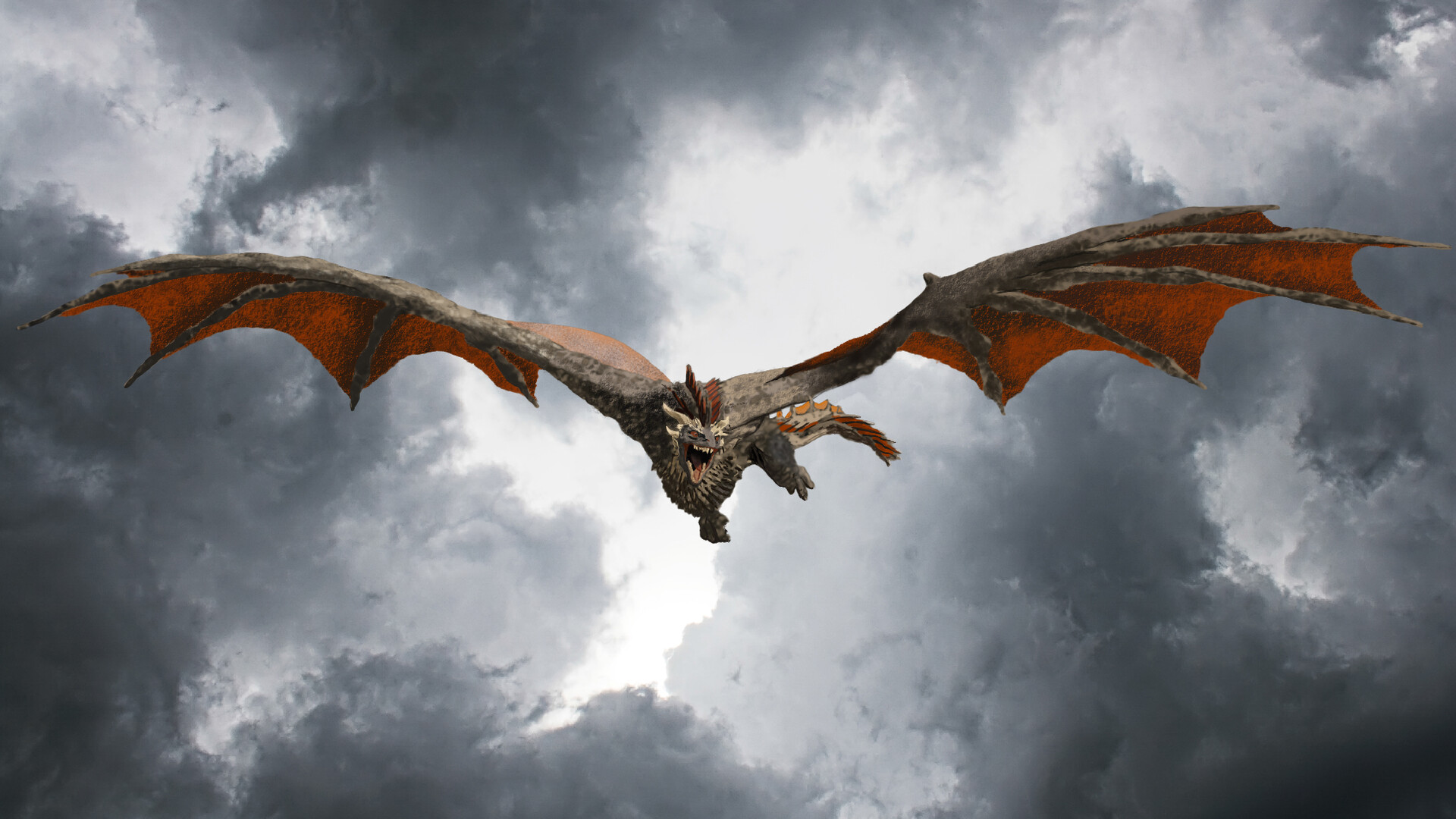
In contemporary fantasy literature and film, dragons continue to play diverse roles. They can be terrifying antagonists, ancient guardians, loyal companions, or even complex characters with their own motivations and histories.
- “Game of Thrones”: The dragons of Daenerys Targaryen embody immense power, a lost lineage, and the potential for both destruction and liberation. Their journey mirrors Daenerys’ own ascent and descent, highlighting the complex nature of power and its consequences.
- “How to Train Your Dragon”: This animated franchise offers a refreshingly different take, portraying dragons as intelligent, emotional beings capable of forming deep bonds with humans, challenging the traditional predator-prey narrative. Hiccup’s relationship with Toothless is a powerful allegory for understanding and empathy.
- Video Games: From ancient beasts to boss encounters, dragons are a staple in the video game industry, often representing ultimate challenges or powerful magical forces.
Psychological and Societal Resonance
The enduring appeal of dragons can be attributed to their ability to tap into fundamental human archetypes and anxieties. They represent:
- The unknown and the sublime: The sheer power and mystery of dragons speak to our fascination with forces beyond our comprehension.
- Inner struggles: Dragons can symbolize our internal demons, the challenges we must overcome to achieve self-mastery and growth.
- The desire for power and transcendence: Their ability to fly and command elemental forces appeals to our yearning for freedom and extraordinary capabilities.
Statistics on the popularity of dragon-themed media, while difficult to quantify definitively, are undoubtedly vast, indicating a sustained public interest. For instance, book sales of fantasy novels featuring dragons, box office revenues of dragon-centric films, and the widespread adoption of dragon imagery in gaming all point to a significant cultural footprint.
From the ancient battlefields of Mesopotamian mythology to the fantastical realms of modern storytelling, dragons have consistently served as powerful and versatile symbols in the human experience. Their dual nature, embodying both terrifying destruction and benevolent protection, chaos and order, has allowed them to resonate across diverse cultures and historical periods. Whether feared as harbingers of doom or revered as celestial guardians, dragons speak to our deepest fears, our grandest aspirations, and our enduring quest for understanding. They represent the untamed forces of nature, the complexities of the human psyche, and the transformative potential of confronting our inner demons. The enduring flame of the dragon’s symbolism continues to burn brightly, a testament to its timeless power to ignite our imaginations and illuminate the profound mysteries of existence.
