As the winter months roll in, many gardeners face the daunting task of protecting their beloved plants from harsh weather conditions. Cold temperatures, frost, and snow can be detrimental to plant health, but with the right protective measures, you can keep your garden thriving even in the depths of winter. One effective method of safeguarding plants is using plastic covers. This article delves into the benefits, types, and best practices for using plastic covers in your winter garden, ensuring your plants remain healthy and vibrant.
The Importance of Winter Protection for Plants
Understanding why winter protection is crucial for plants can help gardeners make informed decisions about their winter gardening strategies. Here are some key reasons:
- Frost Damage: Many plants are susceptible to frost, which can cause cell damage and lead to wilting or death.
- Temperature Fluctuations: Sudden drops in temperature can shock plants, especially those that are not winter-hardy.
- Moisture Retention: Protecting plants helps maintain soil moisture, which is vital during dry winter months.
- Pest Control: Covers can shield plants from pests that are active during the winter season.
Types of Plastic Covers for Winter Gardening
There are various types of plastic covers that gardeners can use to protect their plants during winter. Each type has its unique advantages and suitability for different gardening situations:
1. Plastic Tunnels
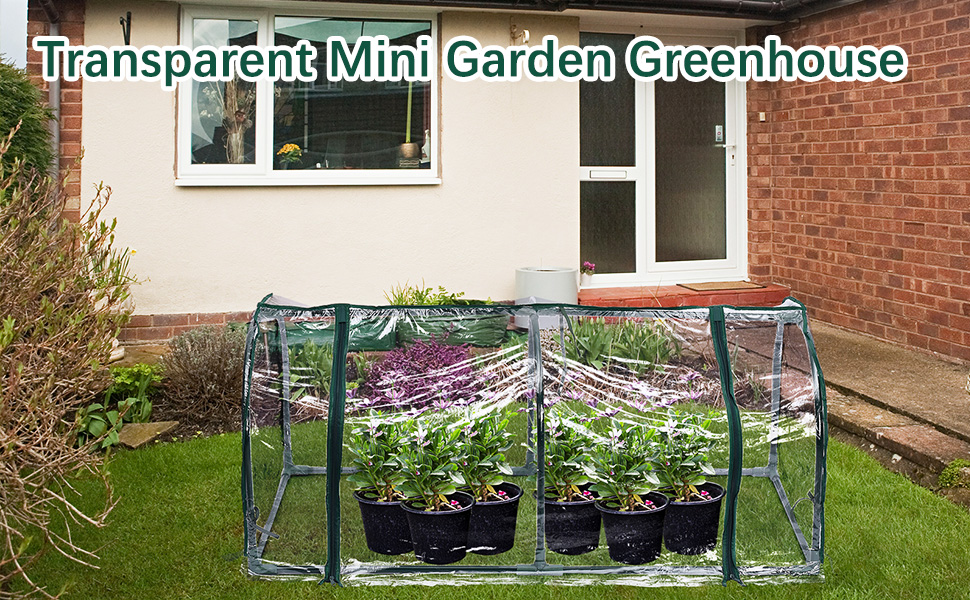
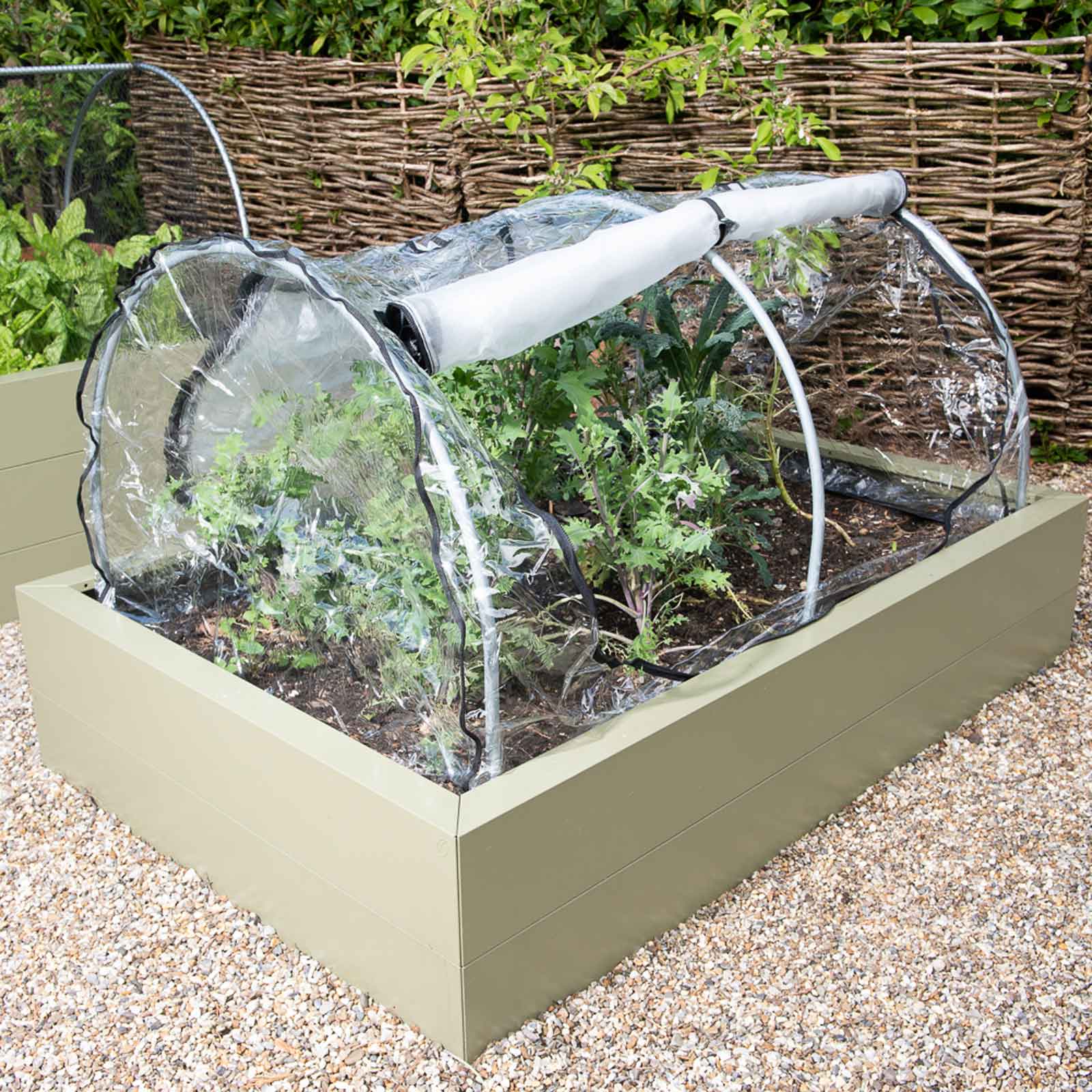
Plastic tunnels, also known as hoop houses, are semi-circular structures covered with plastic. They provide a microclimate for plants, protecting them from cold winds and frost while allowing sunlight to penetrate.
2. Row Covers
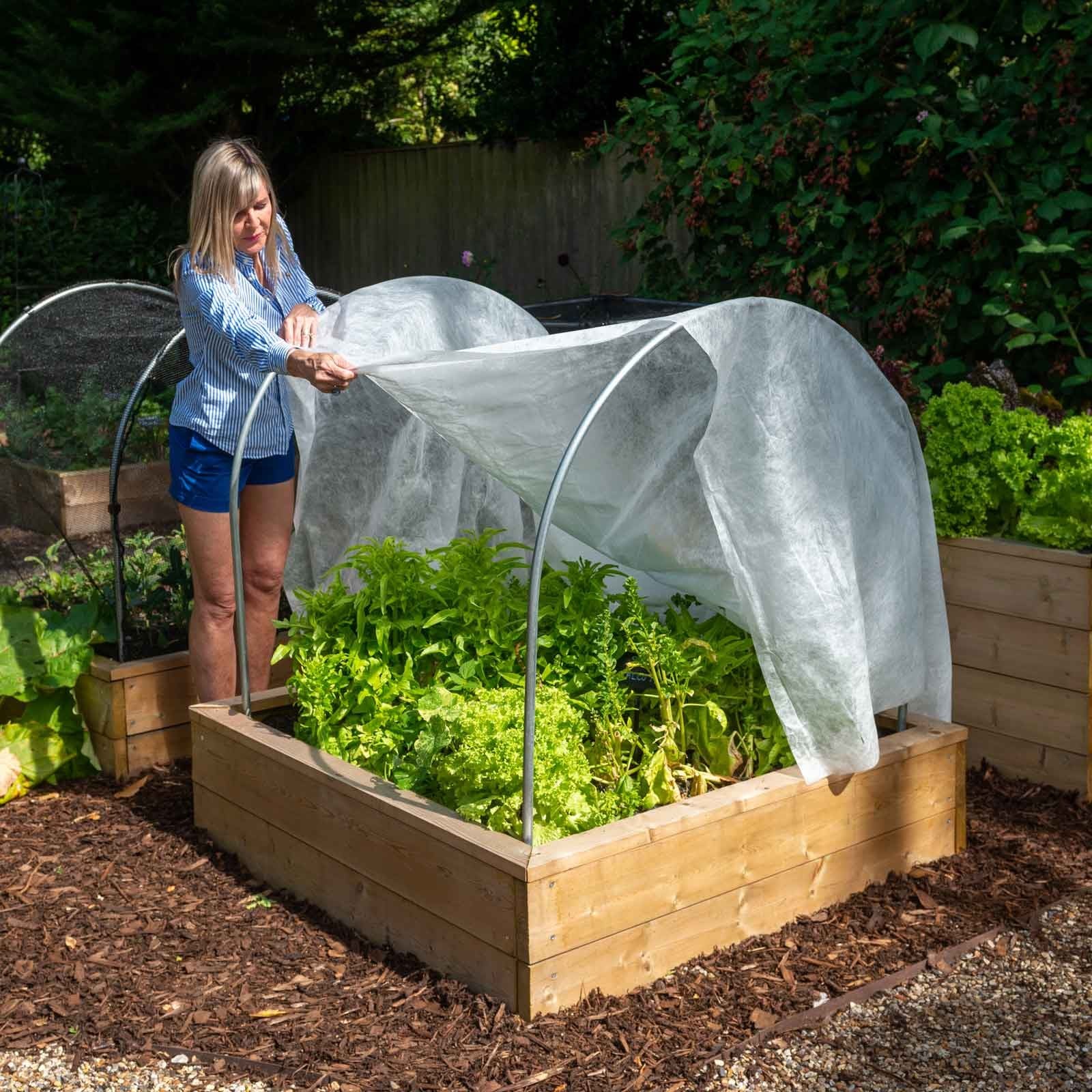
Lightweight row covers made of spun-bonded polypropylene can be laid directly over plants. They provide insulation and protect against frost while allowing moisture and sunlight to reach the plants.
3. Plastic Sheeting
Heavy-duty plastic sheeting can be used to create temporary greenhouses or to cover garden beds. This option is more labor-intensive but can be useful for larger areas.
4. Cold Frames
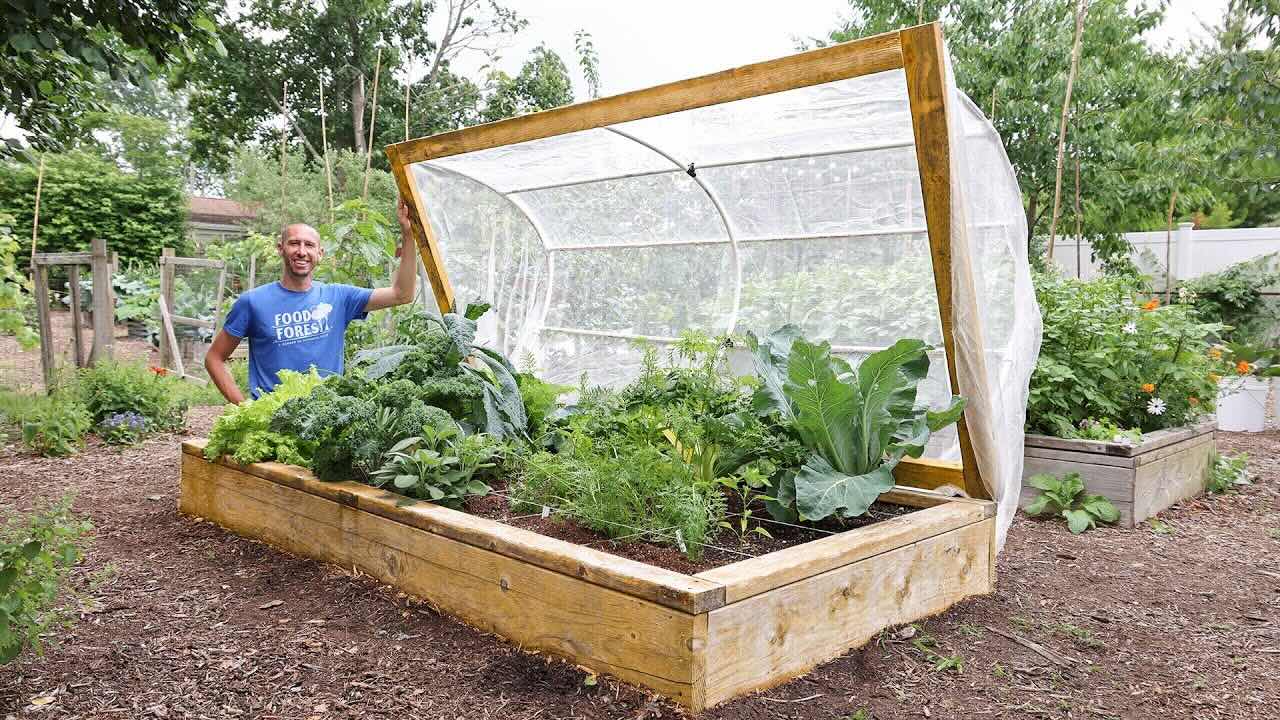
Cold frames are enclosed structures that trap heat from the sun. They can be made with plastic covers and are particularly effective for starting seedlings early or extending the growing season.
Benefits of Using Plastic Covers
Using plastic covers offers several benefits that can help you achieve a successful winter garden:
- Temperature Regulation: Plastic covers trap heat, creating a warmer environment for plants and reducing the risk of frost damage.
- Extended Growing Season: By using covers, gardeners can extend the growing season, allowing for earlier planting in spring and later harvesting in fall.
- Cost-Effectiveness: Plastic covers are relatively inexpensive and can be reused for multiple seasons, making them a cost-effective solution for winter gardening.
- Ease of Use: Many plastic covers are lightweight and easy to install, making them accessible for gardeners of all skill levels.
Best Practices for Using Plastic Covers
To maximize the effectiveness of plastic covers in your winter garden, consider the following best practices:
1. Choose the Right Cover

Select a cover that suits your plants’ needs and your gardening setup. For larger plants, consider using plastic tunnels, while smaller beds may benefit from row covers.
2. Ensure Proper Ventilation
While plastic covers trap heat, they can also create humid conditions that promote mold and disease. Make sure to ventilate covers during sunny days to prevent overheating.
3. Anchoring Your Covers
Wind can easily displace plastic covers. Use weights or stakes to secure them in place and prevent damage from strong gusts.
4. Monitor Weather Conditions
Stay informed about upcoming weather conditions. Be prepared to adjust or remove covers during unseasonably warm days to prevent overheating.
Case Study: Successful Winter Gardening with Plastic Covers

A notable example of effective winter gardening using plastic covers can be found in the practices of many commercial farmers. For instance, a study conducted by the University of Massachusetts Extension demonstrated that farmers using row covers experienced a 30% increase in yield for early spring crops compared to those who did not use protective measures. Many farmers reported that not only did the covers protect their plants from frost, but they also enhanced the growth rate, leading to earlier harvests.
Additionally, community gardens in urban areas have implemented plastic tunnels to create microclimates that allow for winter vegetable production. By using these tunnels, gardeners have successfully grown kale, spinach, and other hardy vegetables throughout the winter, providing fresh produce even in the coldest months.
Statistics on Winter Gardening
According to the National Gardening Association, approximately 35% of American households engage in some form of gardening during the winter months. Furthermore, a survey conducted by the American Society for Horticultural Science found that gardeners who utilize protective covers report up to a 50% increase in plant survival rates during the winter compared to those who do not.
Conclusion: Embracing Winter Gardening with Plastic Covers
Winter gardening presents unique challenges, but with the right strategies, you can effectively protect your plants and enjoy a thriving garden year-round. Plastic covers offer a versatile and economical solution for safeguarding your plants against the harsh winter elements. By understanding the types of covers available, implementing best practices, and learning from successful case studies, you can ensure that your winter garden not only survives but flourishes. With careful planning and execution, winter gardening can become a rewarding and fruitful endeavor, allowing you to enjoy the beauty and bounty of your garden throughout the year.
