The world of audio is in a constant state of flux, driven by technological advancements, evolving consumer habits, and an insatiable demand for higher fidelity and greater convenience. From the cavernous studios of yesteryear to the pocket-sized recording devices of today, the tools of audio capture have shrunk, become smarter, and often, less tethered. Amidst this sonic revolution, a question lingers, particularly for those who appreciate simplicity and established standards: are 3.5mm jack microphones still relevant in the future of audio?
For decades, the 3.5mm audio jack, often referred to as the headphone jack or mini-jack, has been the ubiquitous standard for connecting microphones, headphones, and other audio peripherals to a vast array of devices. Its affordability, widespread compatibility, and ease of use made it the default choice for everything from personal computers and portable music players to early smartphones and basic recording equipment. However, the landscape is changing rapidly, and the very devices that once championed the 3.5mm jack are now increasingly abandoning it.
The Rise of the Digital Frontier: USB and Wireless Dominance
The most significant shift impacting the relevance of 3.5mm microphones is the ascendancy of digital audio interfaces. USB microphones have, for years, offered a more direct connection to computers and other devices, bypassing the analog-to-digital conversion that occurs within a sound card. This often translates to cleaner audio signals, reduced noise floor, and simplified setups, especially for podcasters, streamers, and home studio enthusiasts.
USB’s Unplugged Advantage
USB microphones come in various forms, from compact plug-and-play models like the Blue Yeti or Rode NT-USB Mini, which are incredibly popular with content creators, to more professional-grade studio microphones that offer higher sample rates and bit depths. The advantage lies in their direct digital transmission, eliminating potential signal degradation that can occur through analog cables and sound cards.
Consider the case of podcasting. Early podcasters relied heavily on XLR microphones connected to audio interfaces that then connected to computers via USB. The advent of USB microphones streamlined this process significantly. Now, a single USB cable can power the microphone and transmit high-quality audio directly to the recording software. This has lowered the barrier to entry for aspiring podcasters, making professional-sounding audio more accessible than ever.
The Wireless Revolution: Freedom from the Cord
Beyond USB, the wireless audio revolution is perhaps the most potent threat to the traditional 3.5mm jack. Bluetooth and dedicated RF (radio frequency) wireless systems offer unparalleled freedom of movement, a crucial factor for live performers, videographers, and anyone who needs to capture audio without being tethered to a device.
Wireless lavalier microphones, such as those from Sennheiser’s EW series or Rode’s Wireless GO II, have become indispensable tools for filmmakers and event videographers. They allow for discreet placement on subjects while providing reliable, high-quality audio transmission to the recording device, which is often a camera or a separate recorder. The convenience and flexibility offered by these systems are simply not achievable with a wired 3.5mm microphone.
Statistics highlight this trend. The global wireless audio devices market is projected to grow significantly in the coming years, driven by consumer demand for convenience and the increasing adoption of wireless technologies across various sectors. This continued growth directly correlates with a declining reliance on wired connections, including the 3.5mm jack.
The Shifting Landscape of Devices: Smartphones Lead the Charge
Perhaps the most definitive indicator of the 3.5mm jack’s declining relevance is its conspicuous absence on an ever-increasing number of flagship smartphones. Apple’s decision to remove the headphone jack from the iPhone in 2016 was a watershed moment, signaling a clear shift towards digital and wireless audio. Since then, many other major smartphone manufacturers have followed suit.
The Port-Less Paradigm

This port-less paradigm has forced consumers to adapt. Instead of plugging a simple 3.5mm microphone directly into their phone, users now often need:
- USB-C to 3.5mm adapters.
- Dedicated USB-C microphones.
- Wireless microphones that connect via Bluetooth or a dedicated receiver.
While adapters provide a workaround, they add an extra point of failure and can sometimes introduce signal degradation. Furthermore, they represent an additional accessory to carry, diminishing the perceived simplicity of the 3.5mm connection.
The impact on the microphone market is undeniable. Manufacturers are now prioritizing the development and production of USB and wireless microphones to cater to the dominant smartphone ecosystem. Companies that once produced a wide array of 3.5mm microphones are now shifting their focus, recognizing where the market is heading.
Where the 3.5mm Jack Still Holds Its Ground
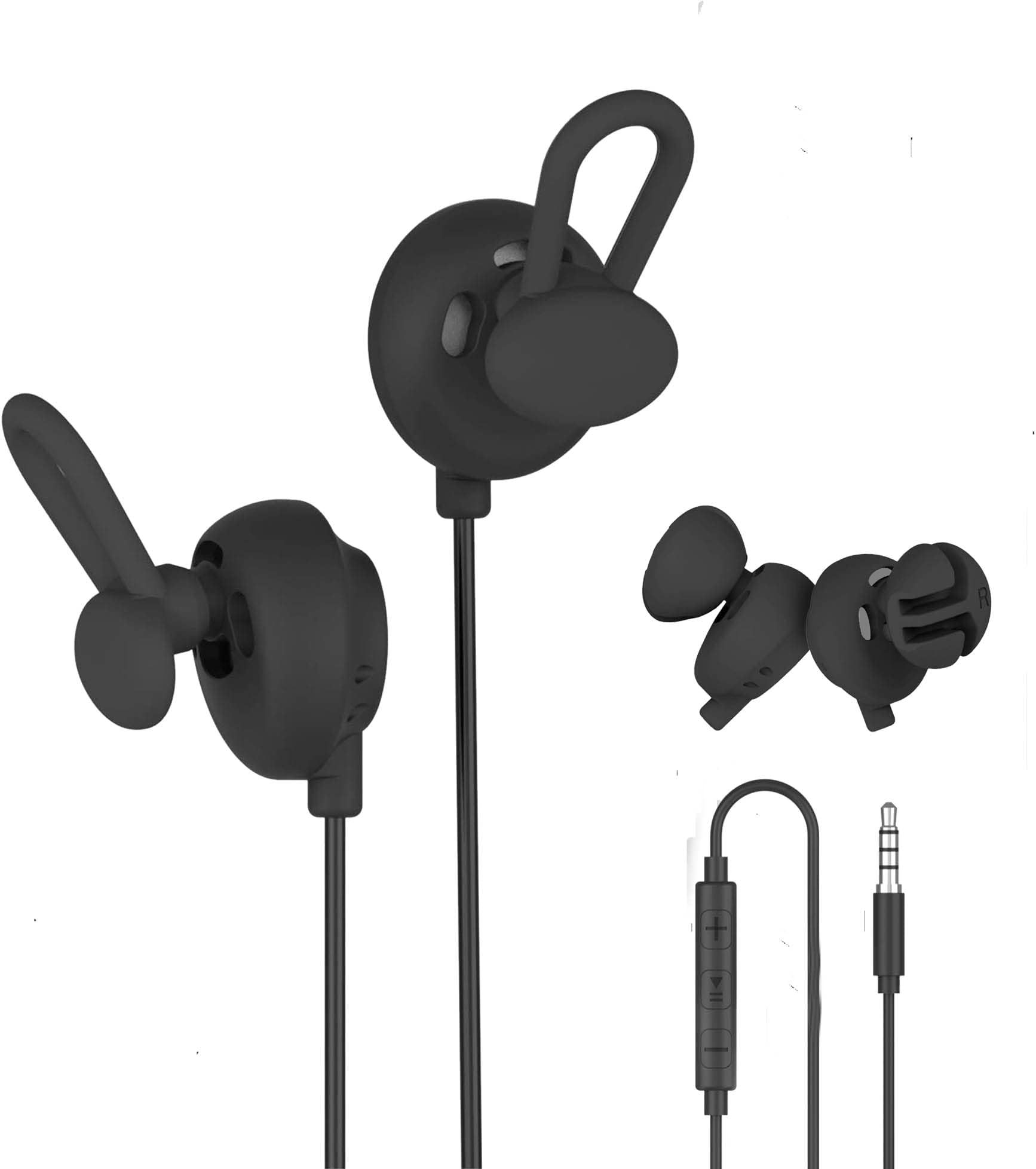
Despite the overwhelming trends, it would be premature to declare the 3.5mm jack completely obsolete. There are still several niches and scenarios where its simplicity, affordability, and broad compatibility make it a relevant choice:
Budget-Friendly and Basic Recording Needs

For individuals or organizations with very limited budgets, 3.5mm microphones remain an attractive option. Basic lavalier microphones or small condenser microphones that plug directly into a computer’s microphone input are significantly cheaper than their USB or wireless counterparts. These are perfectly adequate for:
- Casual voiceovers.
- Basic voice memos.
- Simple video recording on older devices.
- Educational purposes where cost is a primary consideration.
Legacy Equipment and Professional Workflows

In professional audio settings, particularly in broadcasting studios, live sound reinforcement, and some established recording studios, 3.5mm connections, often via adapters from XLR, still play a role. Many older mixing consoles, audio interfaces, and portable recorders feature 3.5mm inputs for microphones or line-level signals. While newer equipment might favor digital connections, the existing infrastructure ensures a continued, albeit diminishing, demand for 3.5mm compatible microphones and accessories.
For instance, a touring musician might still rely on a trusted headset microphone with a 3.5mm connector that interfaces with their stage monitoring system, a system that may have been in place for years and is not easily or affordably upgraded. In such cases, the reliability and familiarity of the 3.5mm connection outweigh the allure of newer technologies.
Creative and DIY Audio Projects
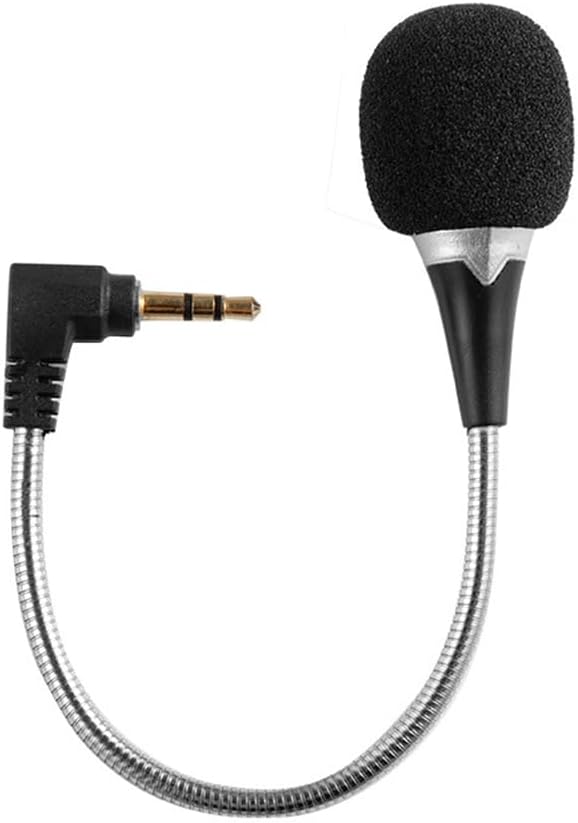
The DIY audio community and hobbyists often find value in the simplicity and hackability of 3.5mm connections. The widespread availability of components and the ease with which they can be integrated into custom circuits or projects make them a go-to choice for experimental audio endeavors.
The Path Forward: Coexistence and Specialization

The future of audio is unlikely to be a complete eradication of the 3.5mm jack but rather a period of coexistence and specialization. USB and wireless microphones will continue to dominate the consumer and professional markets, driven by innovation and user demand for convenience and higher quality.
However, the 3.5mm jack will likely persist in specific applications where its inherent advantages remain relevant:
- Budget-conscious consumers: The cost-effectiveness of 3.5mm microphones will ensure their continued use for basic recording needs.
- Legacy systems: Existing audio infrastructure in professional environments will necessitate continued support for 3.5mm connections.
- Niche applications: Certain specialized audio tools and DIY projects will continue to leverage the simplicity of the 3.5mm interface.
Microphone manufacturers will likely continue to offer a range of 3.5mm microphones, but the focus and investment will undoubtedly be on developing more advanced USB and wireless solutions. Consumers, in turn, will need to be aware of the evolving audio landscape and choose microphones that best suit their specific needs and the devices they intend to use them with.
A Fading, Yet Not Extinct, Echo
In conclusion, the reign of the 3.5mm jack microphone as the undisputed king of audio connectivity is definitively over. The relentless march of digital technology, spearheaded by USB and wireless solutions, has fundamentally reshaped how we capture and transmit sound. Smartphones, the personal audio hubs of billions, have largely abandoned the port, forcing a broader industry shift. While USB microphones offer a cleaner, more direct digital path, and wireless systems provide unprecedented freedom, the 3.5mm jack still possesses a lingering relevance. Its affordability, simplicity, and compatibility with legacy systems ensure its continued presence in budget-friendly options, specific professional workflows, and the realm of DIY audio projects. The future of audio will likely see a landscape where the 3.5mm jack is not extinct, but rather an echo of a past era, coexisting with the dominant digital and wireless technologies, serving its niche purposes while the broader audio world embraces the clarity and convenience of the future.
