The ocean covers more than 70% of our planet’s surface, yet much of it remains a mystery. For centuries, artists and scientists alike have been captivated by the depths of the sea, creating a rich tapestry of artwork inspired by underwater landscapes, marine life, and the experience of diving. This article delves into the world of deep sea diver artwork, examining its evolution, key artists, and the profound impact it has on our understanding of marine ecosystems.
The Evolution of Underwater Art

The depiction of underwater scenes dates back to ancient civilizations. From cave paintings to modern digital art, artists have sought to capture the beauty and mystery of the deep sea.
- Ancient Civilizations: Early examples include murals from the Minoan civilization, which featured marine motifs, and Roman mosaics that showcased sea creatures.
- Renaissance Period: Artists like Leonardo da Vinci and Albrecht Dürer began to explore the relationship between humans and nature, including aquatic life.
- 20th Century: The invention of scuba gear opened up new possibilities for artists to experience underwater environments first-hand, leading to a surge in marine-themed artwork.
With advancements in technology, the portrayal of underwater scenes has become more diverse and sophisticated, reflecting both artistic innovation and environmental concerns.
Key Artists and Their Contributions
Several artists have made significant contributions to the world of underwater art, each offering a unique perspective on marine life and ocean conservation.
1. Wyland

Known as the “Marine Michelangelo,” Wyland is a renowned marine life artist whose large-scale murals adorn buildings around the world. His work emphasizes the beauty of marine ecosystems and aims to inspire conservation efforts.
- Mural Projects: Wyland has created over 100 murals in various cities, raising awareness about ocean conservation.
- Whale Tail Project: This initiative involves painting whale tails to promote awareness about the plight of marine mammals.
2. Zaria Forman
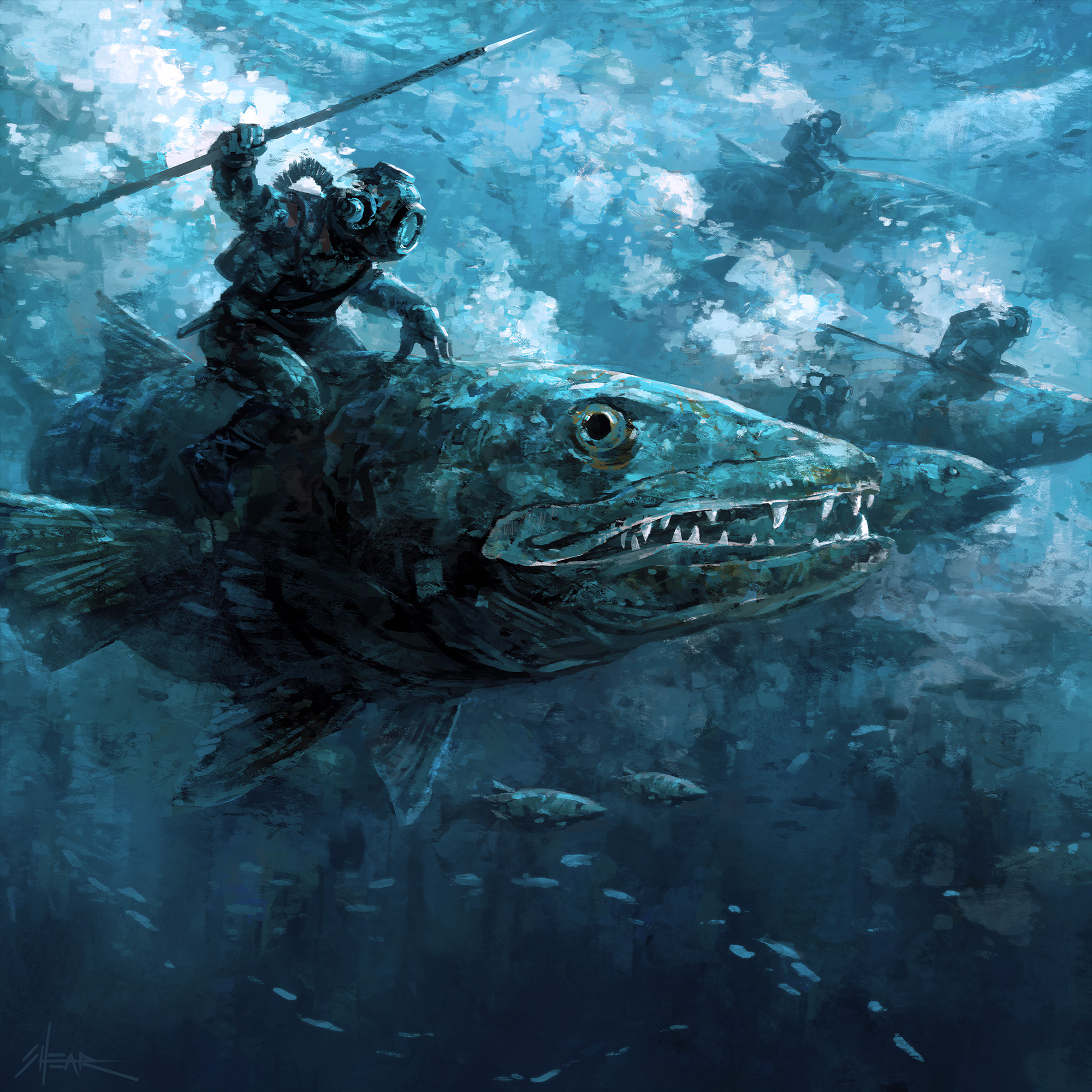
Zaria Forman uses pastel to create stunningly realistic images of ocean waves and icebergs. Her work captures the delicate balance of nature and highlights the impact of climate change on marine environments.
- Transitory Landscapes: Forman’s artworks often depict landscapes that are rapidly changing, emphasizing the urgency of environmental issues.
- Exhibitions: Her exhibitions have been displayed in prestigious venues, drawing attention to the fragility of polar regions and oceans.
3. Alexis Rockman
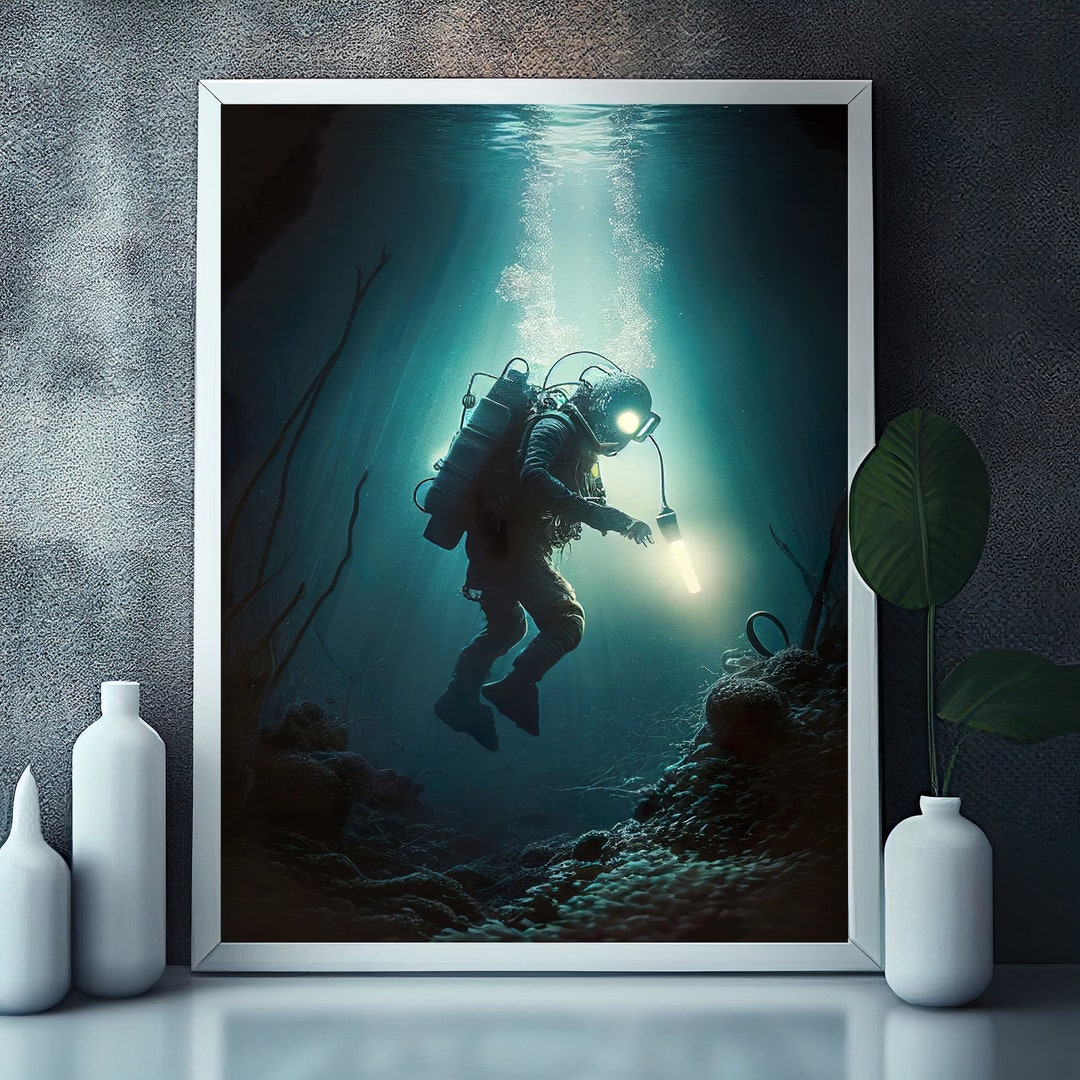
Rockman is known for his large-scale paintings that merge fantasy with reality, often depicting the consequences of human actions on marine life. His works are both visually striking and thought-provoking.
- “Manifest Destiny”: This series presents a dystopian view of the future, showcasing the potential devastation of marine ecosystems.
- Environmental Advocacy: Rockman collaborates with scientists to ensure that his artwork accurately reflects current environmental issues.
Techniques and Mediums in Underwater Art
Artists employ various techniques and mediums to create underwater art, each contributing to the overall message and aesthetic of their work.
- Photography: Underwater photography captures real-time images of marine life, often using specialized equipment to withstand the ocean’s pressures.
- Painting: Traditional painting techniques, including oil, acrylic, and watercolor, are used to convey the vibrant colors and textures of underwater scenes.
- Digital Art: Advances in technology have allowed artists to create intricate digital illustrations that can be manipulated in ways traditional mediums cannot.
Each medium provides a unique lens through which to view the underwater world, allowing artists to share their vision in compelling ways.
Case Studies: Art as a Tool for Conservation

Art is not just a means of expression; it can also serve as a powerful tool for raising awareness and prompting action for marine conservation.
The Ocean Agency
The Ocean Agency is a nonprofit organization that uses visual storytelling to advocate for ocean conservation. Their projects combine art and science to create impactful campaigns.
- “Chasing Coral”: This documentary highlights the devastating effects of coral bleaching, using stunning visuals to engage viewers emotionally.
- “The Ocean’s Breath”: An art installation that showcases the importance of coral reefs, encouraging visitors to reflect on their ecological significance.
Artivism: Merging Art and Activism
Artivism, the fusion of art and activism, is a growing movement among artists who seek to create change through their work. Many underwater artists use this approach to address pressing environmental issues.
- Public Installations: Artists create installations in natural spaces to provoke thought and encourage preservation efforts.
- Collaborations with NGOs: Many artists partner with environmental organizations to amplify their message and reach broader audiences.
The Impact of Deep Sea Diver Artwork on Society

Deep sea diver artwork plays a critical role in shaping societal perceptions of the ocean and its inhabitants. By bringing the beauty and fragility of marine ecosystems to the forefront, artists can inspire action and foster a deeper appreciation for the ocean.
- Raising Awareness: Artwork can communicate complex ideas about marine life and conservation in accessible ways.
- Influencing Policy: Engaging visuals can sway public opinion and influence policymakers to take action on environmental issues.
- Encouraging Responsibility: Artists often encourage viewers to consider their relationship with the ocean, promoting sustainable practices and conservation efforts.
The Future of Deep Sea Diver Artwork
As we move further into the 21st century, the intersection of technology and art continues to evolve, opening new avenues for exploration and expression in underwater art.
- Virtual Reality (VR): Artists are increasingly using VR to create immersive experiences that allow viewers to explore underwater environments.
- Augmented Reality (AR): AR applications can bring underwater scenes to life, enhancing the viewer’s understanding of marine ecosystems.
- Interactive Installations: Artists are creating interactive pieces that encourage audience participation, fostering a deeper connection to the subject matter.
Conclusion: The Underwater Canvas
Deep sea diver artwork serves not only as a visual feast but also as a crucial vehicle for environmental advocacy. Through the lens of creativity, artists are able to convey the beauty and fragility of our oceans, inspiring viewers to take action in preserving these vital ecosystems. As technology continues to advance, the potential for underwater art to engage and educate will only grow. By embracing this artistry, we can foster a greater appreciation for the mysteries that lie beneath the waves and the importance of protecting our planet’s oceans.
