Creating a chicken run that is both functional and enriching for your feathered friends is essential for their health and happiness. A well-designed run not only provides a safe space for chickens to roam but also incorporates plants and features that enhance their environment. In this article, we will explore the best plants to include in your chicken run, as well as other features that can promote the well-being of your chickens.
Understanding the Needs of Chickens

Before diving into specific plants and features, it’s important to understand the basic needs of chickens. Chickens are social creatures that thrive in environments that stimulate their natural behaviors, such as foraging, dust bathing, and nesting. By incorporating the right plants and features into your chicken run, you can provide them with a more natural and enjoyable living space.
Top Plants for Your Chicken Run
When selecting plants for your chicken run, it is crucial to choose those that are non-toxic and beneficial for chickens. Here are some of the best options:
- Herbs: Herbs such as rosemary, mint, and basil not only add flavor to your kitchen but also provide health benefits to chickens. They can help repel pests and may improve the immune system of your birds.
- Sunflowers: Sunflowers are a fantastic addition to any chicken run. They provide seeds for foraging and their large leaves offer shade during hot days.
- Chickweed: This plant is a natural treat for chickens. It is packed with nutrients and is easily found in many gardens, often growing as a weed.
- Comfrey: Comfrey is a nutrient-rich plant that can be fed to chickens in moderation. Its leaves are high in protein and can help improve egg production.
- Oregano: Known for its antibacterial properties, oregano can support digestive health in chickens. It can also be used as a natural remedy for respiratory issues.
Creating Shelter with Trees and Shrubs
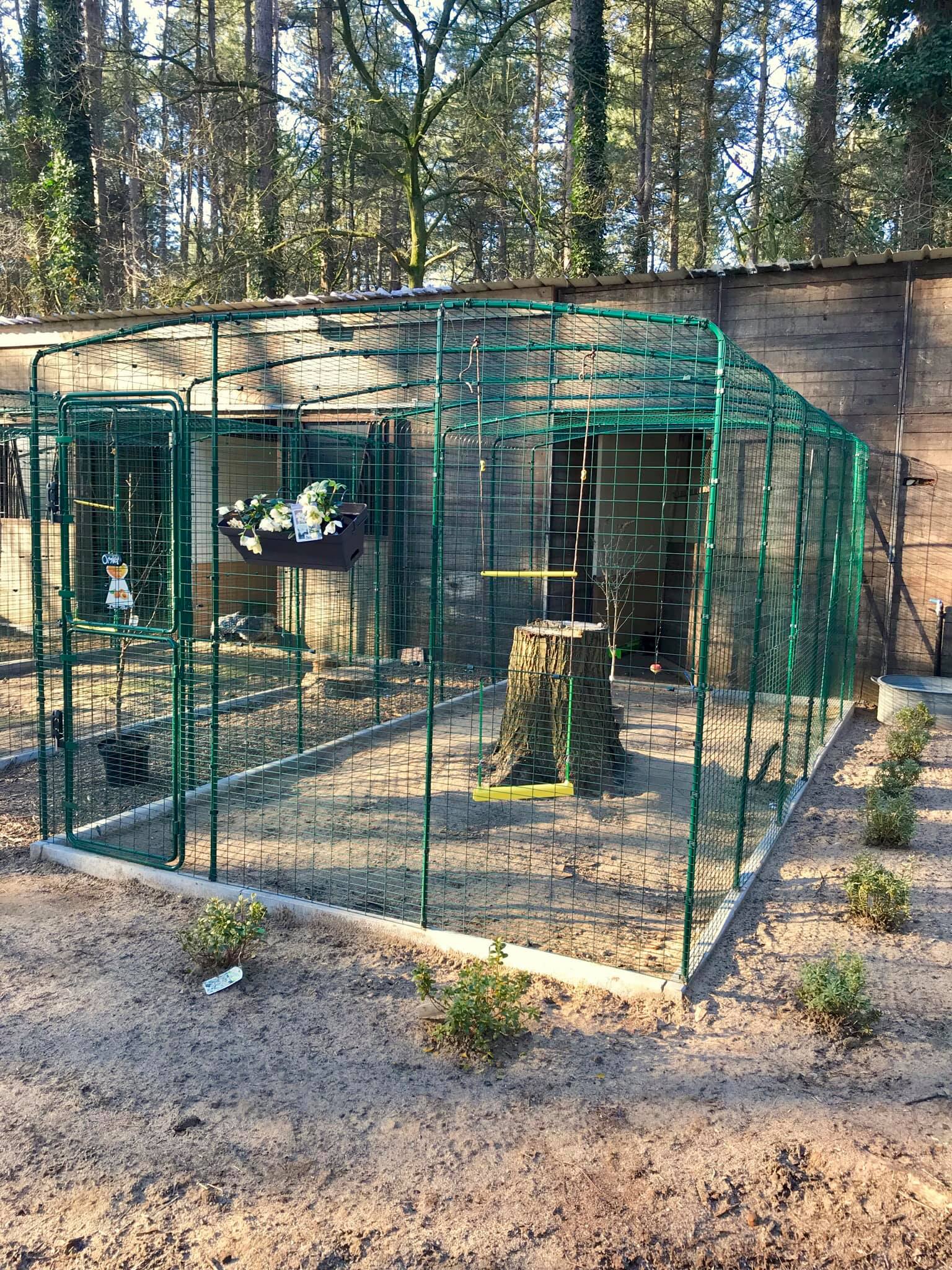
In addition to plants, incorporating trees and shrubs into your chicken run can create a more natural environment. Here are some options:
- Fruit Trees: Apple, pear, and cherry trees not only provide shade but also produce fruit that chickens can eat. Ensure that the fruit is safe and non-toxic for your birds.
- Berry Bushes: Blackberry or raspberry bushes make excellent additions as they offer foraging opportunities and tasty treats for your chickens.
- Willow Trees: Willow trees are fast-growing and provide excellent shade. They are also safe for chickens and can help keep the chicken run cool in the summer.
Essential Features for a Happy Chicken Run

Beyond plants, certain features can enhance the functionality and enjoyment of your chicken run. Here are some must-have items:
- Nesting Boxes: Provide comfortable nesting boxes within the run for hens to lay eggs. These should be clean and sheltered from the elements.
- Perches: Chickens love to roost, so adding perches at varying heights can help satisfy this natural behavior and provide them with a place to feel safe.
- Dust Baths: Chickens enjoy dust bathing, which helps them keep their feathers clean and free from parasites. Create a designated area with sand or fine dirt for this purpose.
- Water Feature: A small water feature or pond can provide birds with a place to drink and cool off. Ensure it is shallow to prevent drowning.
- Fencing: A sturdy, well-maintained fence is vital for keeping your chickens safe from predators. Consider adding a roof if you live in an area with high bird of prey activity.
Case Studies: Successful Chicken Runs
To illustrate the benefits of integrating plants and features, let’s take a look at a couple of case studies:
Case Study 1: The Urban Homesteader

A family in an urban setting converted their small backyard into a chicken run filled with herbs and vegetables. They planted rosemary, basil, and a variety of greens. The chickens thrived, and their owners reported healthier eggs and reduced pest problems in their garden. The family also enjoyed watching the chickens forage through the plants, which brought them closer to nature.
Case Study 2: The Sustainable Farm
On a small sustainable farm, the owner integrated a variety of fruit trees and berry bushes into the chicken run. The chickens not only provided pest control for the fruit trees but also benefited from the fallen fruits as treats. The owner reported that the chickens were happier and healthier, and the farm’s ecosystem became more balanced.
Statistics on Chickens and Their Environment

Research has shown that chickens raised in enriched environments tend to be healthier and more productive. According to a study published in the journal Poultry Science, chickens that had access to outdoor spaces with vegetation exhibited lower stress levels and higher egg production rates compared to those kept in barren environments.
Furthermore, studies indicate that chickens allowed to forage in a natural setting consume a more varied diet, leading to better nutritional profiles in eggs. Eggs from free-range chickens are often higher in omega-3 fatty acids and vitamins compared to those from conventionally raised chickens.
Maintaining Your Chicken Run
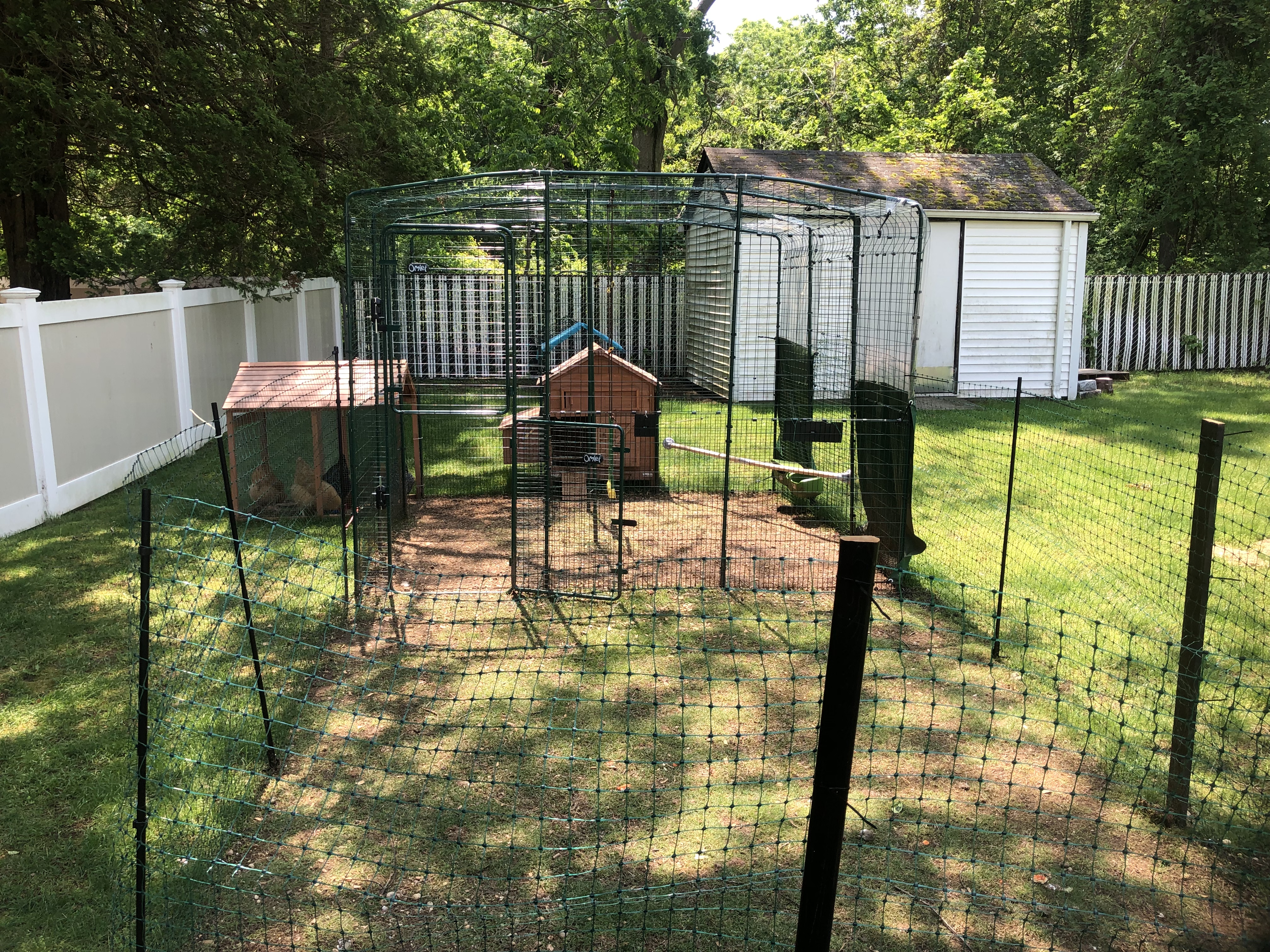
To keep your chicken run thriving, regular maintenance is essential. Here are some tips for maintaining your plants and features:
- Regularly Trim Plants: Keep herbs and bushes trimmed to promote healthy growth and prevent overcrowding.
- Monitor for Pests: Keep an eye out for pests on your plants and take action promptly to prevent infestations.
- Clean Nesting Boxes: Regularly clean and replace bedding in nesting boxes to ensure a hygienic environment for egg-laying.
- Rotate Dust Bath Material: Refresh the dust bath area regularly to maintain cleanliness and prevent the spread of parasites.
Designing a chicken run that incorporates the right plants and features can significantly enhance the quality of life for your chickens. By selecting non-toxic plants like herbs, fruit trees, and providing essential features such as nesting boxes and dust baths, you not only create a safe and enjoyable environment but also promote the health and happiness of your birds. Case studies and research support the idea that enriched environments lead to better outcomes for chickens, making it a worthwhile investment for any chicken keeper.
In summary, pay attention to your chickens’ needs, integrate beneficial plants, create comfortable living spaces, and maintain your setup regularly. With these considerations, you can ensure a thriving chicken run that brings joy to both your chickens and your family.
