The landscape of entertainment is undergoing a seismic shift, moving beyond flat screens and passive consumption. At the forefront of this revolution are Virtual Reality (VR) glasses, devices that are rapidly transforming our mobile experiences from mere viewing into profound immersion. Once confined to the realm of science fiction and expensive, specialized hardware, VR is now becoming increasingly accessible, offering a gateway to entirely new dimensions of interaction, storytelling, and engagement.
The Evolution of Mobile Entertainment: From Pixels to Presence
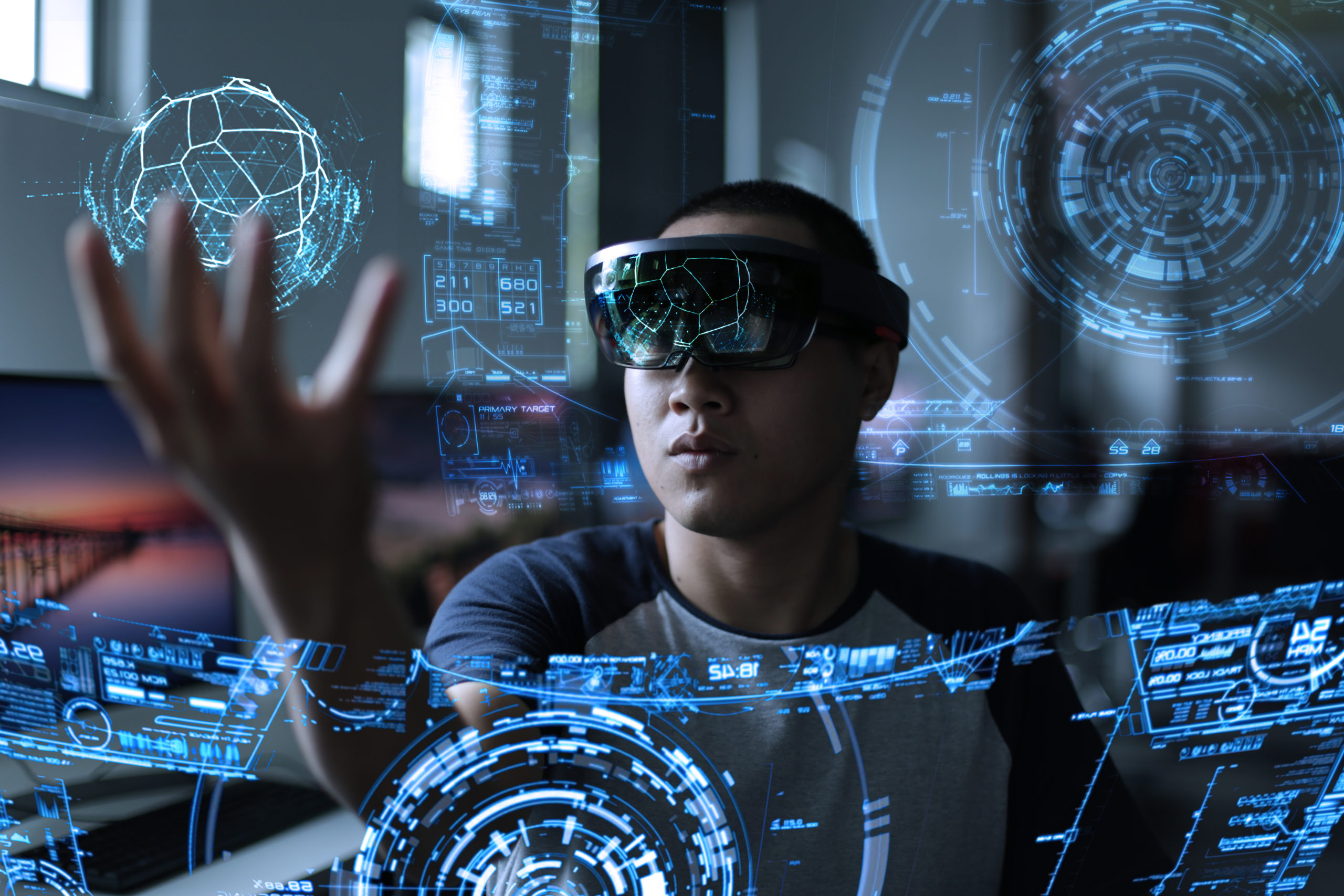
For decades, our mobile devices have been our primary windows to the digital world. Smartphones and tablets have revolutionized communication, information access, and entertainment consumption. We’ve watched movies, played games, and connected with loved ones through these ubiquitous devices. However, this experience has largely remained two-dimensional, tethered to the physical confines of the screen. VR glasses shatter these limitations, offering a paradigm shift by placing us *inside* the content, not just in front of it.
The evolution can be traced through several key stages:
- Early Mobile Gaming: Simple 2D sprites and touch controls.
- 3D Mobile Gaming: Enhanced graphics and stereoscopic 3D on some devices, but still screen-bound.
- Augmented Reality (AR) on Mobile: Overlaying digital elements onto the real world via the device’s camera (e.g., Pokémon GO). This offered a glimpse of interaction beyond the screen but lacked true immersion.
- Virtual Reality: A complete sensory replacement, transporting users to entirely virtual environments.
Understanding VR Glasses: More Than Just Goggles

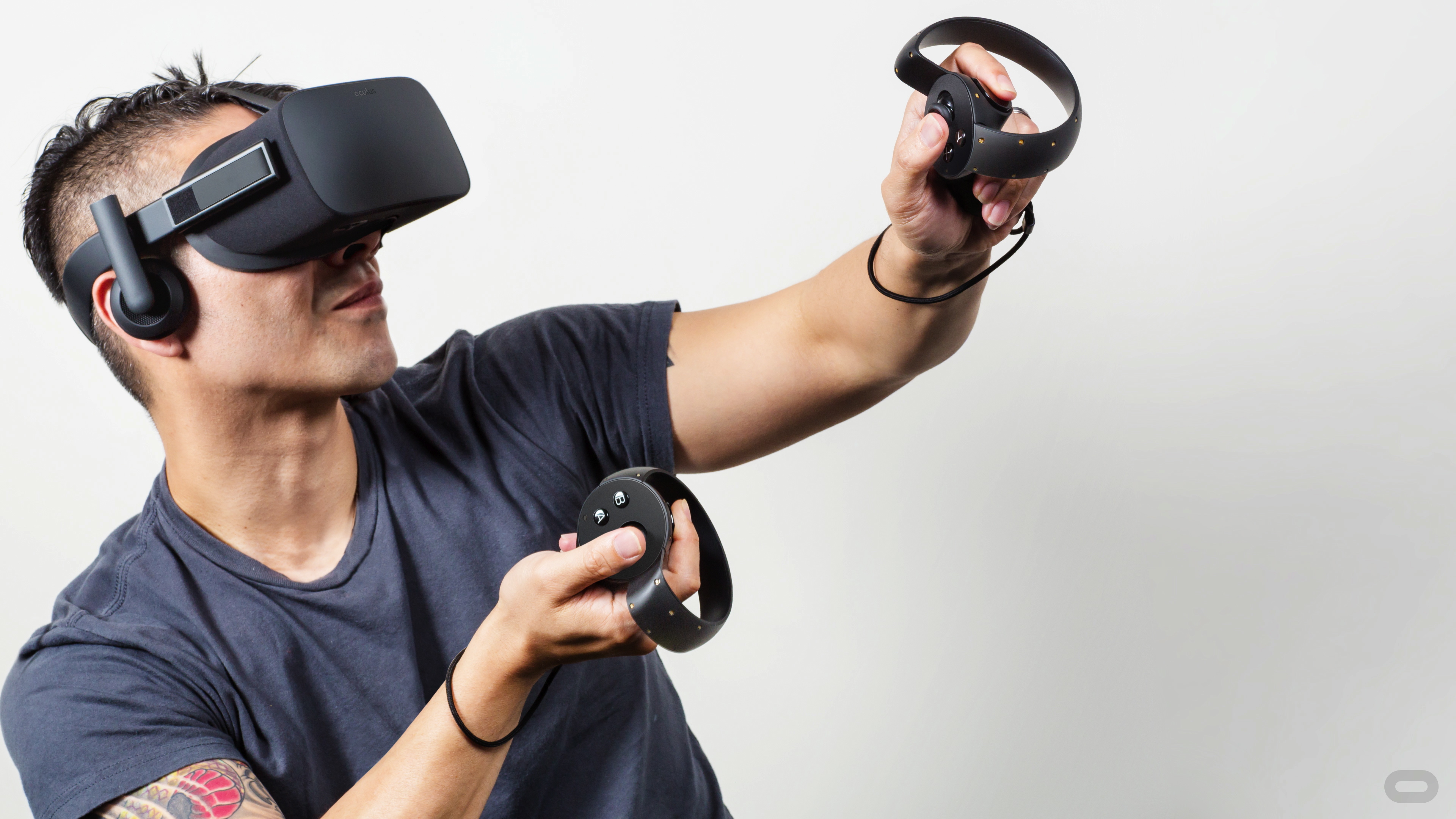
VR glasses, often referred to as VR headsets, are sophisticated pieces of technology that work by presenting different images to each eye, creating a stereoscopic effect that mimics how our brains perceive depth. This is typically achieved through:
- High-Resolution Displays: Modern VR headsets boast impressive pixel densities to minimize the “screen door effect” (where individual pixels are visible).
- Lenses: Specially designed lenses magnify and distort the displays to fill your field of view, creating a sense of scale and immersion.
- Head Tracking: Inertial Measurement Units (IMUs) and external sensors meticulously track your head movements, allowing you to look around the virtual environment naturally.
- Input Devices: Handheld controllers, gesture tracking, and even eye-tracking allow for intuitive interaction within VR worlds.
The recent surge in standalone VR headsets, such as the Meta Quest series, has been instrumental in democratizing VR. These devices eliminate the need for a powerful PC or tethering to a smartphone, offering a truly wireless and untethered experience. This accessibility is a critical factor in their ability to transform the broader mobile entertainment landscape.
Transforming the Mobile Gaming Experience
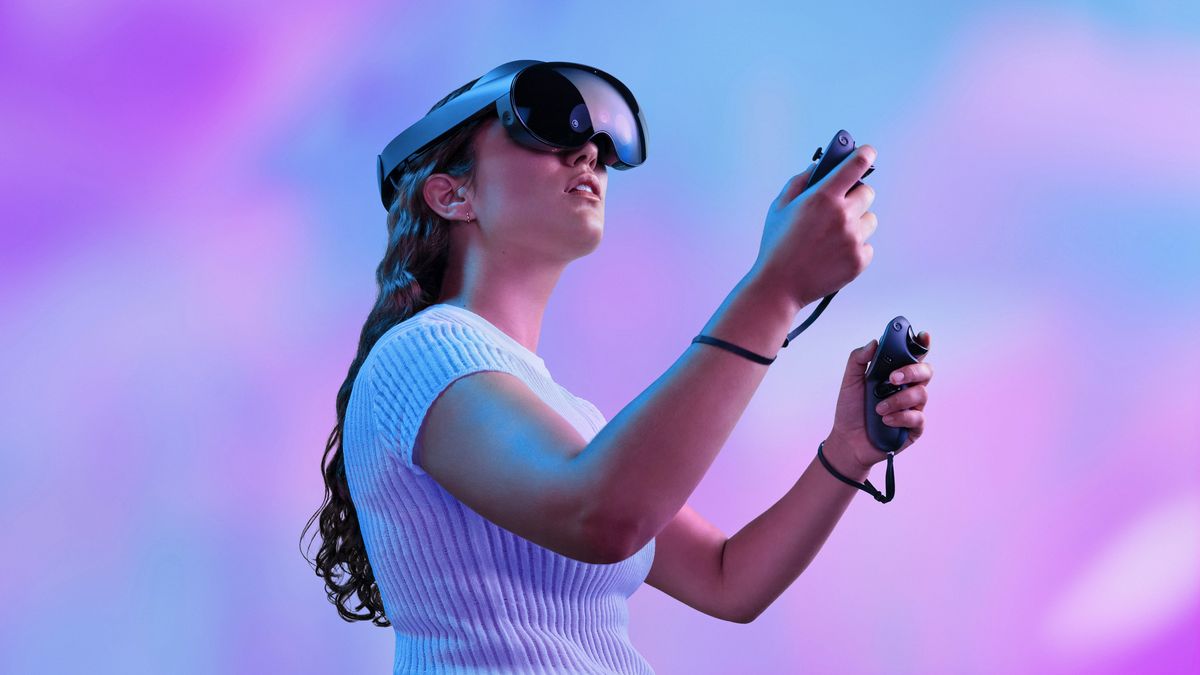
Perhaps the most immediate and dramatic impact of VR glasses is on mobile gaming. Traditional mobile games, while engaging, often rely on repetitive mechanics and limited player agency. VR elevates gaming to an entirely new level of realism and interaction.
From Player to Participant: Unprecedented Immersion
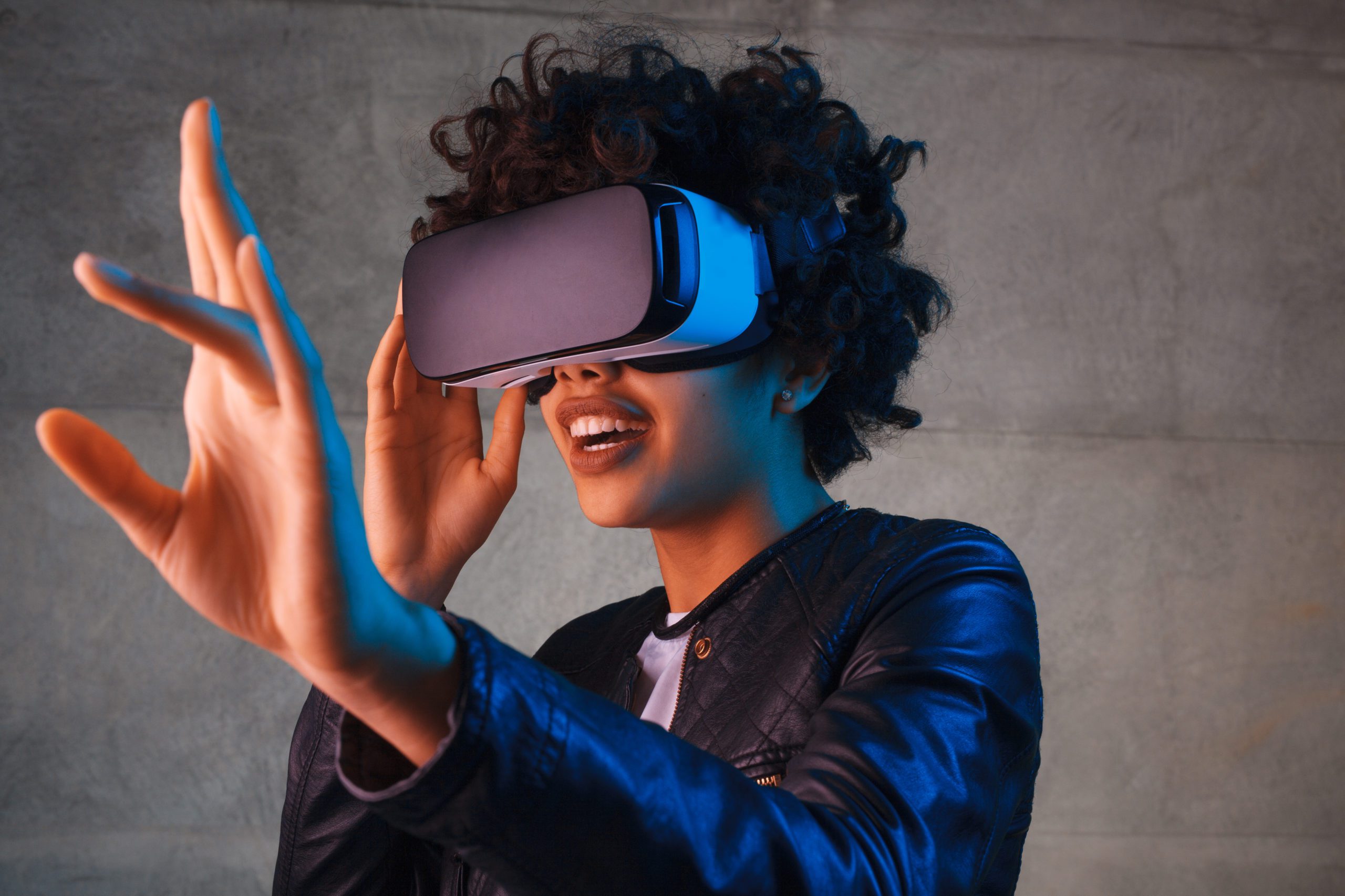
Imagine stepping into the shoes of a warrior battling dragons, piloting a starship through nebulae, or solving intricate puzzles in a fantastical realm. VR makes this a reality. Instead of pressing buttons on a screen, you physically duck behind cover, swing a sword, or point and gesture to interact with the game world. This kinesthetic engagement leads to:
- Heightened Realism: The feeling of “being there” is unparalleled, amplifying adrenaline and engagement.
- Intuitive Controls: Natural movements translate into in-game actions, reducing the learning curve for many games.
- New Gameplay Mechanics: Developers can create experiences that are impossible on traditional platforms, leveraging the full range of human movement.
Examples of VR gaming’s transformative power include:
- Beat Saber: A rhythm game where players slash blocks in time with music. The physical act of swinging your arms to the beat is incredibly satisfying and addictive.
- Half-Life: Alyx: Widely considered a benchmark for VR storytelling and gameplay, it offers a deeply immersive narrative experience that utilizes VR’s unique capabilities for interaction and exploration.
- Superhot VR: A stylish action game where time only moves when you do, forcing players to strategically plan their every move in a visually striking environment.
Statistics highlight the growth of the VR gaming market. According to Statista, the global VR gaming market is projected to reach USD 72.9 billion by 2030, showcasing its significant and growing appeal.
Beyond Gaming: A New Era for Content Consumption
The influence of VR glasses extends far beyond the gaming arena, fundamentally altering how we consume other forms of digital content.
Cinematic Journeys and Interactive Storytelling
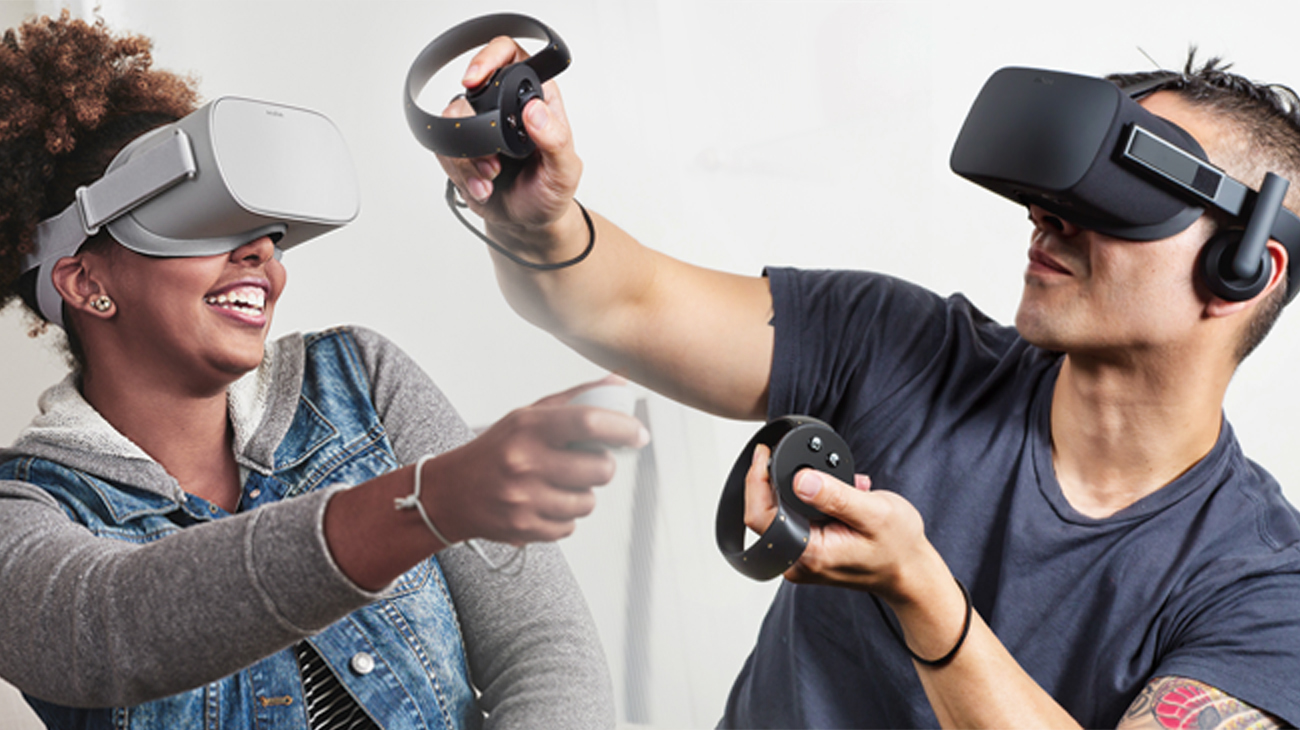
The movie-watching experience is being redefined. Instead of sitting in front of a TV, you can find yourself in a virtual cinema, with a colossal screen that dwarfs traditional displays. Better yet, VR allows for truly immersive cinematic experiences where you can explore the movie’s world, interact with characters, or even influence the narrative.
- 360-Degree Videos: These allow viewers to look in any direction, creating a sense of presence within the filmed environment. Documentaries about remote locations, concerts, or even fictional narratives can be experienced as if you were there.
- Interactive Films: This emerging genre allows viewers to make choices that affect the storyline, blurring the lines between passive viewing and active participation.
- Virtual Theaters: Platforms are emerging that allow friends to gather in virtual spaces to watch movies together, replicating the social aspect of cinema attendance in a digital format.
Companies like Oculus (Meta) and platforms like YouTube VR are actively pushing the boundaries of VR content creation. The ability to experience a concert from the front row or explore ancient ruins virtually offers an educational and entertainment value that traditional media struggles to replicate.
Social VR: Connecting in Virtual Spaces
The pandemic accelerated the need for new ways to connect and socialize. VR has emerged as a powerful tool for fostering social interaction in virtual environments. Platforms like VRChat and Meta Horizon Worlds allow users to create avatars, meet up with friends, explore virtual worlds, and engage in a variety of activities together.
- Shared Experiences: Attending virtual events, playing games, or simply chatting with friends in a shared virtual space creates a sense of presence and connection that is often missing from traditional video calls.
- Overcoming Geographical Barriers: VR allows people from across the globe to interact as if they were in the same room, fostering new forms of global communities.
- Creative Expression: Users can build their own virtual spaces, design their avatars, and express themselves in unique ways within these digital realms.
While still in its nascent stages, social VR holds immense potential for the future of online interaction and community building.
The Practicalities and Future of VR on Mobile
The widespread adoption of VR glasses hinges on several factors, including:
- Hardware Advancements: Continued improvements in display resolution, field of view, comfort, and processing power are crucial.
- Content Library Growth: A diverse and compelling range of applications and experiences is essential to attract and retain users.
- Accessibility and Price: As VR hardware becomes more affordable and user-friendly, its appeal will broaden.
- User Comfort: Addressing issues like motion sickness and ensuring comfortable wear for extended periods remains a focus.
The integration of VR with other mobile technologies is also a significant area of development. We’re seeing:
- Hybrid Experiences: The blending of AR and VR capabilities, where virtual elements can be seamlessly integrated into real-world views.
- Improved Connectivity: Faster and more reliable wireless connections will enhance streaming and multiplayer VR experiences.
- AI Integration: Artificial intelligence will play a greater role in creating more dynamic and responsive virtual environments and characters.
The future of VR in mobile entertainment is incredibly bright. As the technology matures and the content ecosystem expands, VR glasses will undoubtedly become a commonplace tool for experiencing entertainment in ways we are only just beginning to imagine.
Embracing the Immersive Frontier
VR glasses are no longer a futuristic novelty; they are a tangible and transformative force in mobile entertainment. They are dismantling the barriers between our physical reality and the digital world, offering experiences that are richer, more engaging, and profoundly immersive. From heart-pounding games to breathtaking cinematic journeys and meaningful social connections, VR is redefining what it means to be entertained. As the technology continues to evolve and become more accessible, we are on the cusp of a new era where our mobile devices will not just show us the world, but transport us into countless others, forever changing the way we play, learn, and connect.
