In recent years, the focus on sustainability and eco-friendly products has gained significant traction, with consumers increasingly seeking materials that are not only beautiful but also environmentally responsible. Among the many options available, mango wood has emerged as a popular choice for furniture and home décor. This article delves into the numerous environmental benefits of using mango wood in your home, exploring its sustainability, versatility, and overall impact on the environment.
Understanding Mango Wood
Mango wood comes from the mango tree (Mangifera indica), which is primarily cultivated in tropical regions, particularly in India, Southeast Asia, and parts of South America. Known for its rich color, unique grain patterns, and durability, mango wood is increasingly being used in furniture production, cabinetry, and decorative items. However, its environmental benefits extend far beyond aesthetic appeal.
1. Sustainability: A Renewable Resource

One of the primary environmental benefits of mango wood is its sustainability. Mango trees are cultivated primarily for their fruit, and once they reach the end of their productive life, they are often cut down to make way for new growth. This cycle of replanting and harvesting means that mango wood is a renewable resource.
- Rapid Growth: Mango trees grow quickly, reaching maturity in just 6 to 7 years, which is significantly shorter than many other hardwoods.
- Responsible Harvesting: Since mango trees are often cultivated for fruit production, their timber is a byproduct, reducing the need for deforestation.
- Tree Replantation: Many mango farms engage in replanting programs, ensuring that the ecosystem remains balanced and the tree population is maintained.
2. Reducing Deforestation
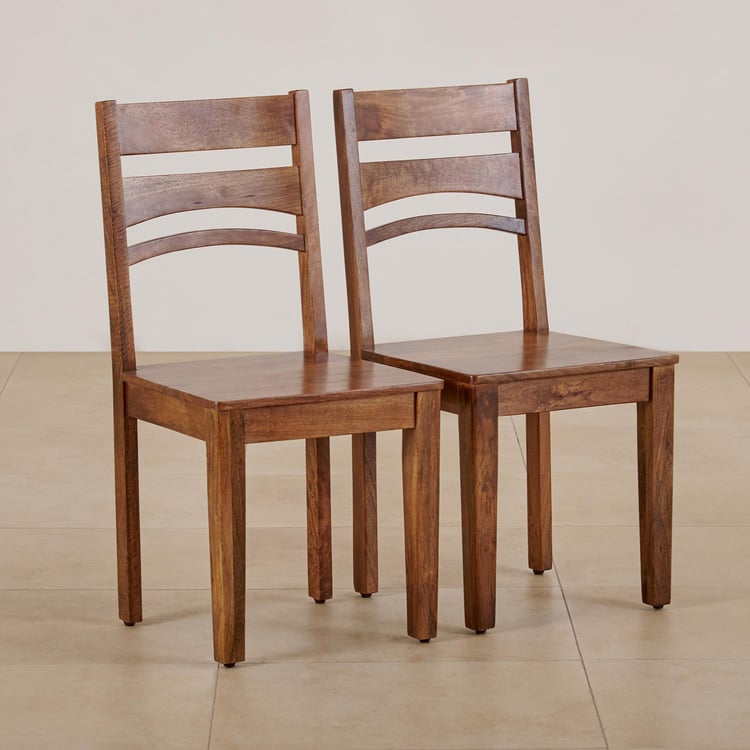
The demand for traditional hardwoods like teak, mahogany, and oak has led to widespread deforestation, threatening ecosystems and biodiversity. In contrast, mango wood offers a sustainable alternative.
- Byproduct Utilization: Using mango wood helps in utilizing a resource that would otherwise go to waste, thus reducing the pressure on forests.
- Conservation of Biodiversity: By choosing mango wood, consumers are indirectly supporting the conservation of endangered hardwood species.
- Eco-Friendly Alternatives: Mango wood provides a viable alternative for furniture makers and consumers, promoting responsible sourcing and consumption.
3. Carbon Sequestration and Climate Impact

Forests play a crucial role in carbon sequestration, absorbing carbon dioxide from the atmosphere and helping to mitigate climate change. By supporting mango wood production, individuals and businesses contribute to this essential process.
- Carbon Storage: Mango trees, like all trees, absorb carbon dioxide as they grow, storing carbon in their biomass.
- Lower Carbon Footprint: Using locally sourced mango wood reduces transportation emissions compared to importing exotic hardwoods from distant locations.
- Support for Local Communities: Promoting mango wood supports local economies, which can lead to better stewardship of natural resources.
4. Durability and Longevity

Mango wood is not only sustainable but also incredibly durable. Its strength and resilience mean that products made from mango wood can last for generations, reducing the need for replacements and minimizing waste.
- Resistance to Damage: Mango wood is known for its ability to resist wear and tear, making it ideal for furniture that undergoes daily use.
- Minimal Maintenance: With proper care, mango wood items can last a lifetime, reducing the frequency of replacements.
- Timeless Aesthetic: The rich tones and unique patterns of mango wood make it a timeless choice, encouraging consumers to invest in long-lasting pieces.
5. Biodegradability and Eco-Friendliness

Unlike synthetic materials that can take hundreds of years to decompose, mango wood is biodegradable, making it an environmentally friendly choice for furniture and home décor.
- Natural Decomposition: When mango wood products reach the end of their lifecycle, they can decompose naturally, returning nutrients to the soil.
- Low Environmental Impact: The production of mango wood furniture typically involves fewer harmful chemicals compared to the manufacturing processes of plastic or metal items.
- Non-Toxic Finishes: Many manufacturers use non-toxic finishes on mango wood, enhancing its eco-friendliness and ensuring a healthier indoor environment.
6. Case Studies and Examples
Several companies and artisans around the world have embraced mango wood for its environmental benefits, showcasing innovative designs and sustainable practices.
- Indian Furniture Makers: Many furniture manufacturers in India have shifted to using mango wood, promoting local craftsmanship while preserving the environment.
- Global Brands: Brands such as “Mango Wood Creations” focus exclusively on using mango wood for their products, emphasizing sustainability in their business models.
- Community Initiatives: Local communities are engaging in reforestation projects that involve planting mango trees, contributing to both the economy and the environment.
7. Making the Switch: How to Choose Mango Wood Products

If you are considering incorporating mango wood into your home, it’s essential to make informed choices. Here are some tips for selecting quality mango wood products:
- Research Suppliers: Look for reputable suppliers who source mango wood responsibly and transparently.
- Check Certifications: Seek out products that have certifications indicating sustainable sourcing practices.
- Inspect Quality: Ensure that the wood is well-finished and free of defects to guarantee longevity and durability.
Mango wood presents a multitude of environmental benefits, making it a compelling choice for those looking to create a more sustainable home. From its renewable nature and contribution to reducing deforestation to its durability and biodegradability, mango wood stands out as an eco-friendly alternative to traditional hardwoods. By choosing mango wood products, consumers are not only making a stylish statement in their homes but are also supporting sustainable practices that benefit the planet. As we become more conscious of our environmental footprint, integrating materials like mango wood into our lives can significantly impact our ecological well-being.
