The image of a dragon – a colossal, fire-breathing reptile with leathery wings and scales of ancient lore – is deeply etched into the human psyche. From the epic sagas of Saint George to the intricate tapestries of medieval Europe and the ancient myths of the East, these magnificent creatures have captivated our imaginations for millennia. They are symbols of power, wisdom, terror, and primal force. But are dragons purely the stuff of fantasy, or is there a kernel of truth, a forgotten reality, hidden within these enduring legends? This article delves into the fascinating world of dragons, separating the myth from the potential reality, and exploring what these creatures might represent in our modern world.
The Ubiquitous Dragon: A Cross-Cultural Phenomenon
The prevalence of dragon myths across disparate cultures is striking. It suggests a shared human experience or a fundamental aspect of our collective unconscious. While specific characteristics vary, core similarities persist:
- Reptilian Form: Most dragons are depicted as large, scaly, reptilian beings.
- Power and Majesty: They are almost universally associated with immense strength, often capable of immense destruction.
- Supernatural Abilities: Fire-breathing is the most iconic, but flight, venom, and even magical foresight are common attributes.
- Guardianship or Hoarding: Dragons often guard treasures, sacred sites, or powerful artifacts.
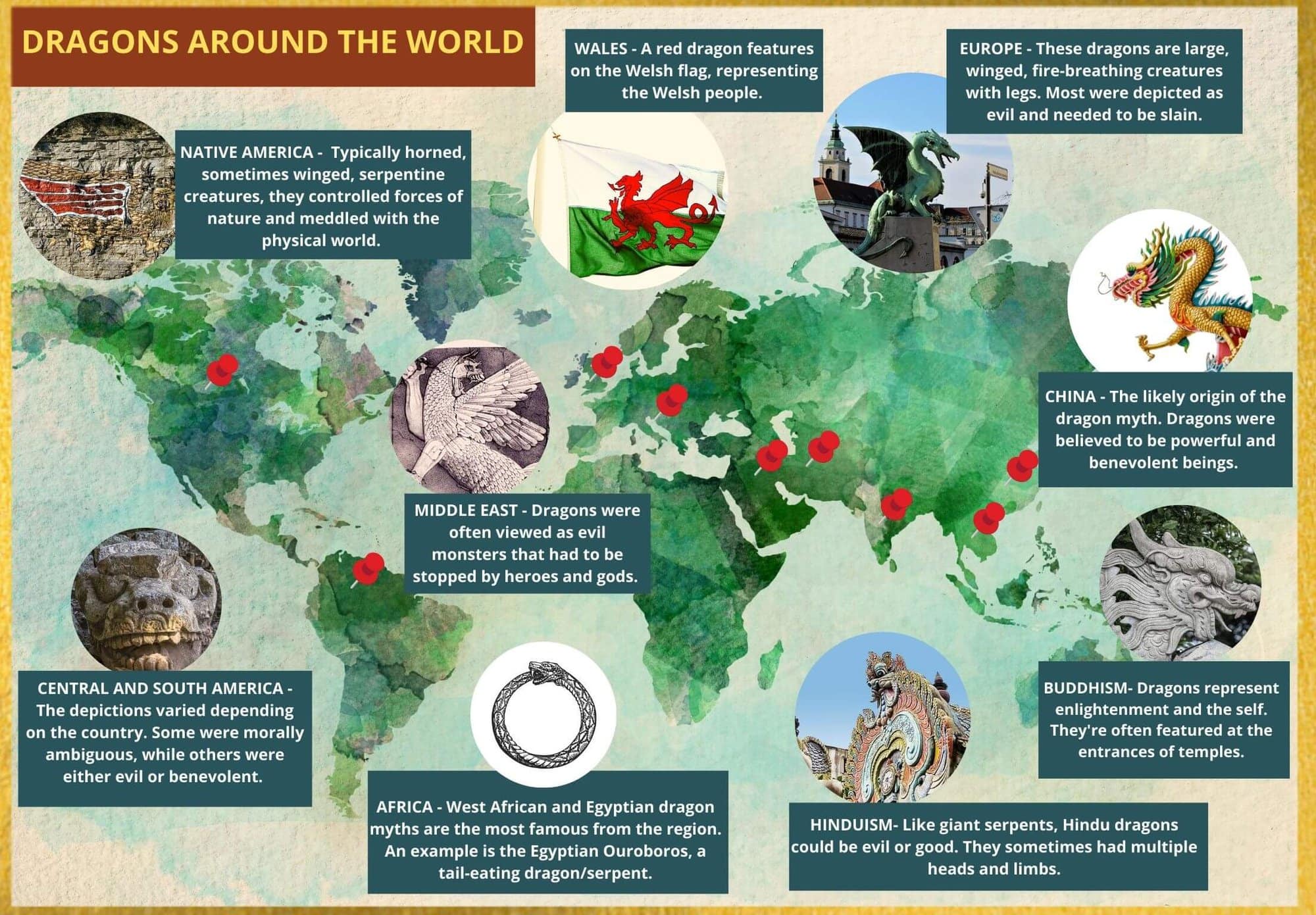
In Western mythology, dragons are often depicted as malevolent beasts to be slain by heroes, representing chaos and evil. Think of the Wyrm in Norse mythology or the dragon slain by Beowulf. Conversely, in East Asian cultures, particularly China, dragons (known as *lóng*) are benevolent beings associated with good fortune, prosperity, rain, and imperial power. They are revered, not feared, and are considered auspicious symbols.
The Scientific Scrutiny: Seeking Tangible Evidence
From a purely scientific standpoint, the existence of a literal, winged, fire-breathing reptile of the scale and power attributed to mythical dragons is highly improbable, if not impossible. The biological constraints are significant:
-
Flight Mechanics:
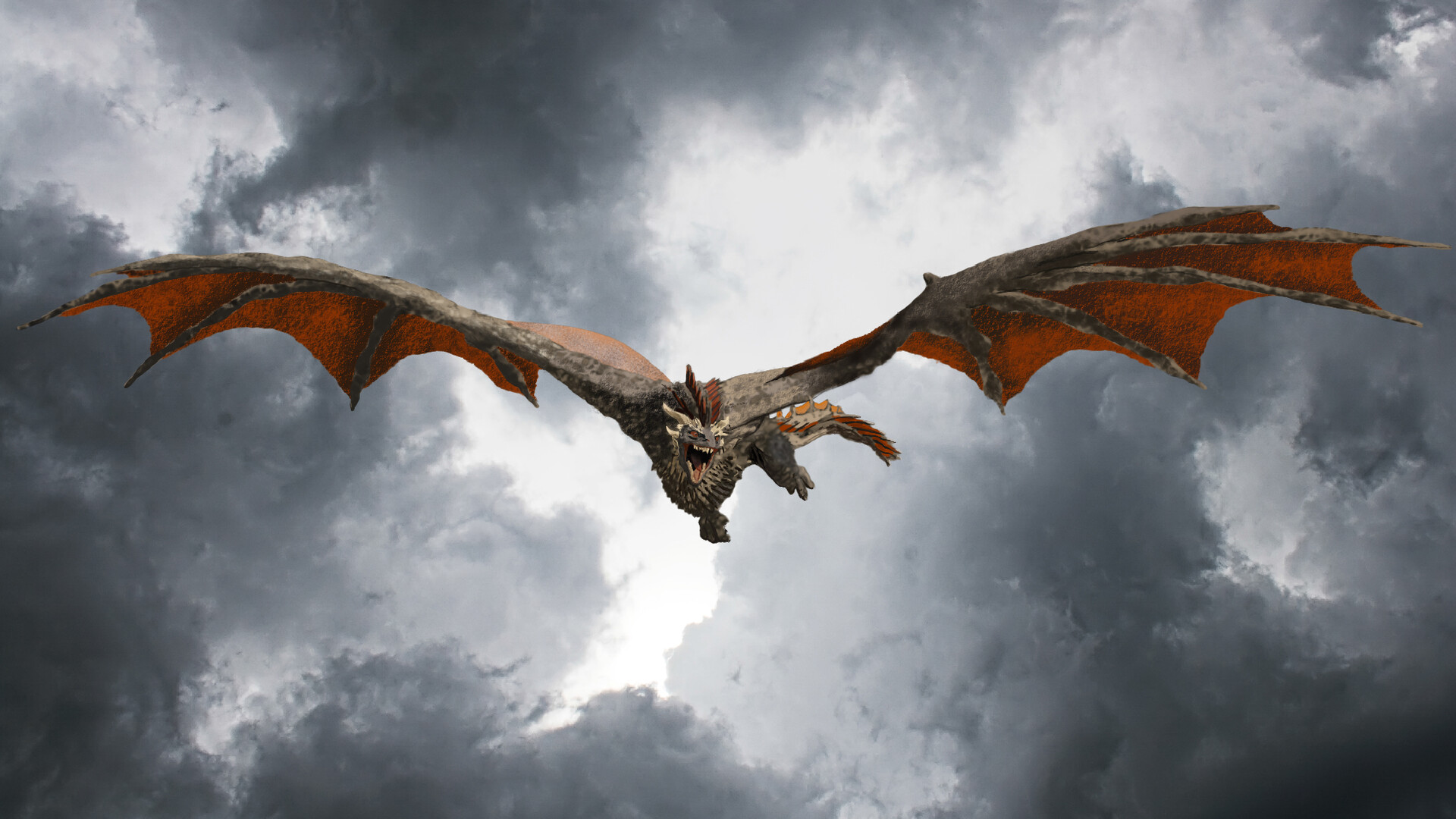
Game Of Thrones Dragons For a creature of immense size, the necessary wing span and muscle power for sustained flight would be astronomical. Consider the largest flying birds, like the albatross, which are dwarfed by dragon descriptions. The physics of lift and weight are formidable hurdles. While pterosaurs, ancient flying reptiles, were large, they were not dragons. -
Fire Generation:

35.5k Likes, 278 Comments Dragons & Monsters (dragons_monsters) on The biological mechanism for generating and expelling fire on demand is a profound challenge. While some creatures possess bioluminescence or chemical defenses (like bombardier beetles that spray hot chemicals), a sustained, controlled inferno is beyond known biological processes. Theories involving stored methane gas and a spark mechanism are speculative and lack evidence. -
Metabolism and Size:
The metabolic demands of such a large, active creature, especially one that expends energy on fire-breathing, would be immense. Maintaining such a large body mass would require a constant and vast food supply, potentially leading to ecological imbalances.
Despite the lack of direct fossil evidence for mythical dragons, paleontology has unearthed some fascinating candidates that may have fueled early imaginations. The discovery of giant fossilized reptiles, such as certain species of *Megalania* (a giant monitor lizard) or even exceptionally large crocodiles, could have contributed to the awe and fear that dragons inspire. Furthermore, the remains of extinct megafauna, like mammoths or giant ground sloths, could have been misinterpreted by early humans as remnants of monstrous beings.
The “Dragons” of History: Misinterpretations and Exaggerations
Several historical discoveries and phenomena have been posited as potential origins for dragon myths:
-
Fossil Discoveries:

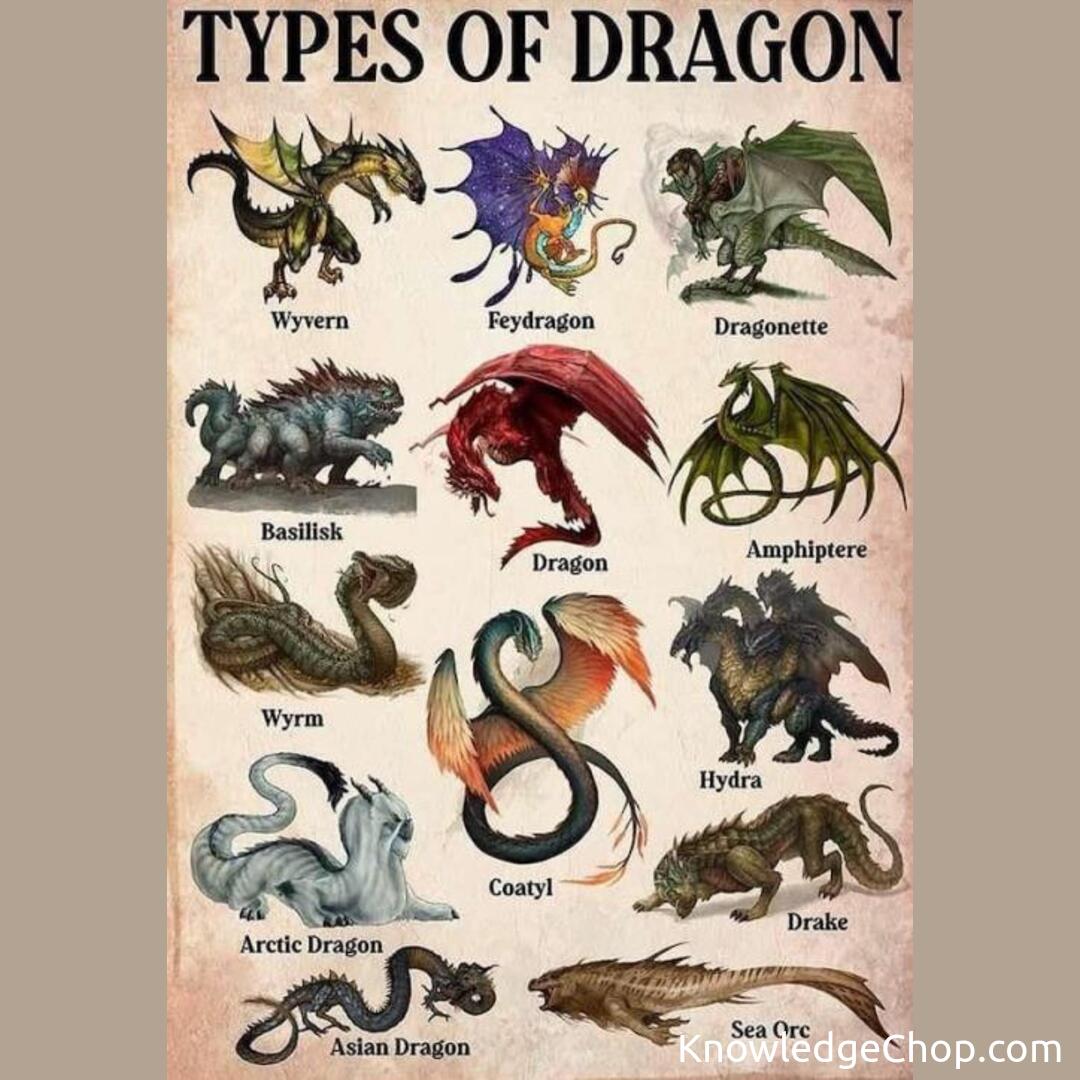
a poster with different types of dragon’s and their names on it As mentioned, encountering the bones of large, extinct animals would have been a profound and terrifying experience for ancient peoples. The sheer size and strangeness of these remains could easily have been attributed to mythical beasts. For example, the discovery of dinosaur fossils in China has led some to believe that these findings contributed to the Chinese dragon lore. -
Misidentified Animals:
Reports of large, exotic animals from distant lands, filtered through oral tradition and exaggeration, could have coalesced into dragon narratives. Think of tales of large snakes or crocodiles being embellished as they traveled across continents.
-
Natural Phenomena:
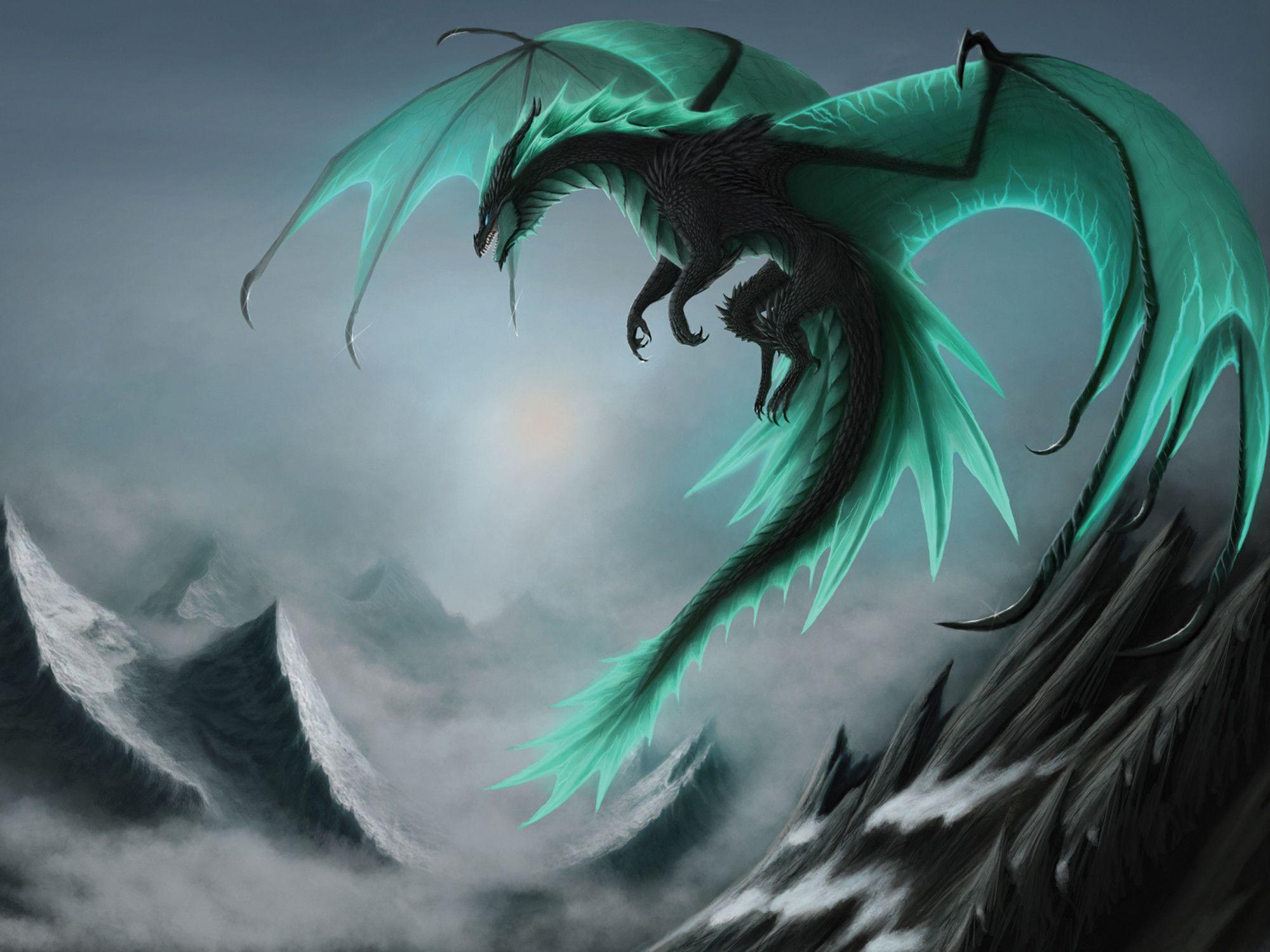
Blue Dragon Wallpapers Wallpaper Cave Certain natural events might also have contributed. The sight of a meteor shower could be interpreted as a celestial dragon breathing fire. Volcanic eruptions, with their smoke and fiery spewing, could have inspired tales of earth-dwelling dragons.
Consider the case of the Portuguese explorer Fernão Mendes Pinto in the 16th century, who, upon encountering a rhinoceros in Southeast Asia, described it in a way that some believe may have been influenced by dragon lore, adding to the exotic and monstrous depictions of unfamiliar creatures.
The Psychological and Symbolic Significance of Dragons
Beyond the biological and historical, the enduring appeal of dragons lies in their profound psychological and symbolic resonance. They embody primal fears and aspirations:
-
The Shadow Self:
Different types of dragons. 🥷 Knowledge Ninja In Jungian psychology, dragons can represent the “shadow self” – the repressed, darker aspects of our personality. Confronting and integrating this shadow, much like a hero slaying a dragon, is crucial for individuation and self-awareness. -
Guardians of the Unknown:
Dragons often inhabit remote, inaccessible places – caves, mountains, the depths of the sea. They symbolize the mysteries of the world and the challenges that lie beyond our immediate comprehension.
-
Wisdom and Ancient Knowledge:
In some traditions, dragons are not just beasts but ancient, wise beings who possess profound knowledge. Their longevity and detachment from human concerns grant them a unique perspective.
-
Power and Transformation:
The ability to fly and breathe fire signifies immense power and the potential for radical transformation. This can be interpreted as the destructive force of nature or the transformative power of change within ourselves.
The appeal of dragons in modern storytelling, from J.R.R. Tolkien’s Smaug to George R.R. Martin’s Daenerys Targaryen, demonstrates their continued relevance. These narratives often explore themes of greed, power, courage, and the struggle between order and chaos, all embodied by the dragon.
“Dragons” in the Modern World: Metaphorical Manifestations
While literal dragons may be confined to myth, “dragons” in a metaphorical sense undeniably exist among us. These are the challenges, obstacles, and destructive forces that we must confront:
-
Environmental Threats:
Climate change, pollution, and resource depletion can be seen as the destructive “breath” of a dragon, threatening our planet’s future. The fight against these issues requires collective action and a willingness to face uncomfortable truths.
-
Societal Ills:
Corruption, inequality, and injustice are the monstrous beasts that plague societies. Overcoming them requires heroes in the form of activists, reformers, and engaged citizens.
-
Personal Demons:
Addiction, fear, and self-doubt are the internal dragons we must battle. The journey of personal growth often involves facing and conquering these inner adversaries.
-
Technological Advancements:
While often beneficial, powerful new technologies can also be seen as “dragons” with the potential for unintended consequences, demanding careful stewardship and ethical consideration. Consider the ethical debates surrounding artificial intelligence.
The statistics on global warming are stark, with the Intergovernmental Panel on Climate Change (IPCC) reporting an increase in global average temperature of about 1.1 degrees Celsius since the pre-industrial era. This undeniable threat requires a dragon-slaying spirit to combat.
Similarly, the World Health Organization (WHO) reports that non-communicable diseases (NCDs) account for 71% of all deaths globally. These “diseases of modern life” can be seen as metaphorical dragons that require proactive measures and lifestyle changes to conquer.
The Enduring Legacy of the Dragon
The question of whether dragons truly existed is less important than understanding why they continue to captivate us. The evidence for literal, fire-breathing dragons remains firmly in the realm of fantasy. However, the deep-seated human need to conceptualize and grapple with immense power, primal fears, and ultimate challenges has given rise to these enduring myths.
From the fossilized remains of colossal extinct creatures to the psychological archetypes of the collective unconscious, and the metaphorical “dragons” of our modern world, these legends offer a rich tapestry of interpretation. They remind us of our vulnerability, our courage, and our capacity to face the unknown, whether it be a mythical beast or the pressing issues of our time. The dragon, in its many forms, is not merely a creature of myth but a powerful symbol that continues to resonate with the deepest aspects of the human experience.
