The gentle lapping of water, the distant quack of a mallard, and the thrill of a well-executed cast – duck fishing, or more accurately, waterfowl hunting, is a sport steeped in tradition and demanding of skill. While often conflated with traditional fishing for aquatic species, waterfowl hunting requires a distinct set of strategies, preparation, and an understanding of avian behavior. This article delves into the nuanced world of duck fishing game strategies, aiming to equip both novice and seasoned hunters with the knowledge to significantly increase their success rates and experience more rewarding outings.
Understanding Your Quarry: The Science of Duck Behavior

Before even thinking about decoys or camouflage, a deep understanding of duck behavior is paramount. Ducks are intelligent, adaptable, and often wary creatures. Their movements are dictated by a complex interplay of factors, including food availability, weather patterns, breeding cycles, and predator avoidance.
Seasonal Migration Patterns

The vast majority of duck hunting success hinges on understanding migration. Ducks are not static residents; they are on the move.
- Fall Migration: This is the prime hunting season for most regions. As temperatures drop and food sources diminish in northern breeding grounds, ducks begin their southward journey. Understanding the timing of these waves is crucial. Major continental flyways (Atlantic, Mississippi, Central, Pacific) provide a roadmap for these movements.
- Wintering Grounds: Ducks seek out areas with open water and abundant food during winter. Wetlands, coastal marshes, and agricultural fields with leftover grain are prime wintering locations. Hunting near these areas can be highly productive.
- Spring Migration: While often less productive for hunting, spring migration offers an opportunity to observe ducks in their breeding plumage and understand their northward journey back to nesting sites.
Daily Routines and Feeding Habits
Ducks exhibit predictable daily routines.
- Morning Feed: Many duck species are most active feeding in the early morning hours, often venturing out from safer roosting sites.
- Midday Rest: During the heat of the day, ducks tend to loaf in safer, less accessible areas, conserving energy.
- Evening Feed: Similar to mornings, the evening also presents a feeding opportunity as ducks replenish their energy reserves before roosting for the night.
Their feeding habits are species-specific. Dabbling ducks, like mallards and pintails, feed on the surface or by tipping their bodies, consuming seeds, aquatic vegetation, and invertebrates. Diving ducks, such as canvasbacks and redheads, plunge beneath the surface to feed on mollusks, fish, and aquatic plants. Knowing which species inhabit your hunting area and their feeding preferences will inform your decoy selection and calling strategies.
Scouting: The Foundation of Success
Scouting is not merely an optional step; it is the cornerstone of successful duck fishing game. Without thorough scouting, even the most elaborate setup can be rendered ineffective.
Identifying Prime Hunting Locations
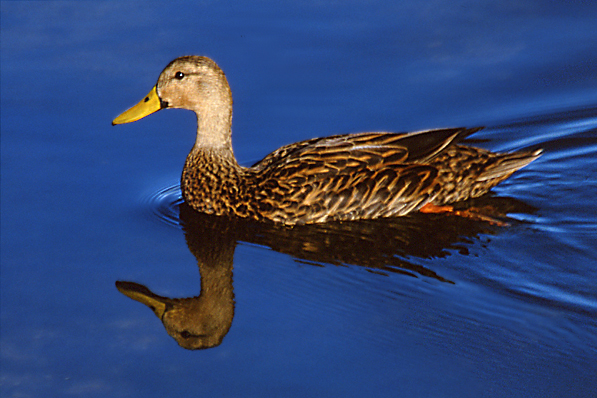
Effective scouting involves identifying areas where ducks want to be, not just where you want to hunt.
- Water Sources: Look for areas with reliable water. This could be natural wetlands, agricultural fields flooded for irrigation, or even marshy edges of lakes and rivers.
- Food Availability: Ducks are driven by food. Scout for fields with harvested crops (corn, soybeans, rice), natural aquatic vegetation, or areas where invertebrates are abundant.
- Roosting and Loafing Sites: Identify protected areas with ample cover where ducks can rest safely, especially during midday. These are often open water areas with nearby vegetation for concealment.
- Wind Direction: Wind plays a significant role in duck behavior. Ducks often prefer to fly and land into the wind. Understanding prevailing wind patterns can help you position your blind and decoys effectively.
Modern Scouting Techniques
Beyond traditional boots-on-the-ground methods, technology has revolutionized scouting.
- Satellite Imagery and Aerial Maps: Platforms like Google Earth and specialized hunting apps provide invaluable insights into topography, water bodies, and surrounding vegetation, allowing for pre-scouting from your home.
- Online Waterfowl Forums and Local Biologist Reports: Engaging with online communities and local wildlife agencies can provide real-time information on duck numbers and movements in your area.
- Trail Cameras: Strategically placed trail cameras in promising locations can confirm duck usage patterns and identify species present.
Decoy Strategies: Creating an Irresistible Illusion
Decoys are your visual attractants, designed to mimic a flock of feeding or resting ducks, convincing incoming birds that the area is safe and bountiful.
Decoy Spread Fundamentals
The arrangement of your decoys is as important as the decoys themselves.
- The “J” or “U” Shape: This classic spread creates a landing zone in the open water, allowing ducks to comfortably approach your blind.
- Spacing: Avoid clustering decoys too tightly, which can appear unnatural. Vary spacing to mimic natural flock behavior.
- Wind Direction: Always orient your decoys to face into the prevailing wind, as this is how ducks naturally approach.
- Species-Specific Spreads: Different duck species have different flocking behaviors. For example, mallards often form larger, more spread-out groups than smaller divers.
Decoy Types and Their Purpose
A diverse spread often yields better results.
- Full Body Decoys: Offer the most realistic appearance and are effective in open water.
- Shell Decoys: Lighter and more portable, they are good for filling in gaps and creating visual bulk in your spread.
- Jigs and Motion Decoys: These add movement to your spread, mimicking feeding or alert ducks, and are highly effective at attracting attention. A common tactic is to place a spinning-wing decoy at the head of your landing zone.
- Feeders and Contented Decoys: These mimic ducks that are relaxed and feeding, signaling safety to passing birds.
- Milo Feeders (for divers): Specialized decoys designed to attract diving ducks in specific feeding scenarios.
Decoy Placement Case Study: The Green-Winged Teal Challenge
Green-winged teal are known for their fast, erratic flight patterns and can be notoriously difficult to decoy. A common strategy for teal involves a compact spread of only 5-7 decoys, often with one or two spinning-wing decoys in the center. The idea is to create a small, appealing target that they might investigate on a fly-by rather than a large, inviting spread that might spook them. This highlights the importance of adapting decoy strategies to specific species.
Calling: The Sonic Invitation
Calling is the art of mimicking duck vocalizations to attract birds. Effective calling requires practice, patience, and an understanding of duck language.
Essential Calls and Techniques
While various duck calls exist, mastering a few fundamental ones is key.
- The Mallard “Comeback” Call: A series of loud, high-pitched quacks designed to attract distant ducks.
- The “Feed” Call: A rapid series of short, soft quacks that mimics ducks feeding, signaling contentment.
- The “Greeting” Call: A single or double quack used to acknowledge a passing flock.
- The “Lonesome Hen” Call: A short, mournful quack used to draw in hens.
The key is to listen to real ducks and try to replicate their sounds. Over-calling can be detrimental, scaring birds away. A good rule of thumb is to call in moderation, listen for responses, and adjust your calling accordingly.
Calling Statistics and Effectiveness
Studies have shown that well-executed calling can increase the likelihood of a flock diverting to investigate your spread by up to 50%. However, poor calling can have the opposite effect, with some research suggesting that unnaturally loud or off-key calls can cause ducks to veer away from a setup entirely.
Blind Construction and Camouflage: Becoming Invisible
Your blind is your sanctuary, your vantage point from which to observe and execute your hunt. Effective camouflage is essential to blend seamlessly with the natural environment.
Blind Placement Principles
Strategic blind placement is crucial for maximizing your chances.
- Downwind Advantage: Position your blind so that the prevailing wind blows towards the incoming ducks and into your spread.
- Concealment: Utilize natural cover as much as possible. If natural cover is insufficient, construct a blind that mimics the surrounding vegetation.
- Sun and Shadow: Avoid positioning your blind where the sun is shining directly into the faces of incoming birds, or where your shadow is cast prominently.
- Escape Routes: Consider how ducks might approach and depart your blind, ensuring you have clear shooting lanes without exposing yourself unnecessarily.
Mastering Camouflage Techniques

Effective camouflage is about breaking up your silhouette and blending with the background.
- Natural Materials: Incorporate local vegetation like reeds, cattails, or branches into your blind’s construction.
- Camouflage Netting and Burlap: These provide a base for attaching natural materials and offer excellent concealment.
- Color Matching: Pay attention to the dominant colors in your hunting environment and ensure your camouflage reflects them.
- Concealment of Movement: Minimize any unnecessary movement within the blind. Most hunters wear camouflage clothing that blends with their surroundings.
Shotgun and Ammunition Selection: The Final Element

While often overlooked in the strategic planning, the right shotgun and ammunition are critical for ethical and effective harvesting.
Gauge and Choke Considerations
12-gauge shotguns are the most popular choice for waterfowl hunting due to their versatility and power. However, 20-gauge shotguns can also be effective, especially for smaller waterfowl or for hunters seeking lighter recoil. The choice of choke significantly impacts shot pattern density and range:
- Improved Cylinder (IC): A more open choke, suitable for closer ranges (up to 30 yards).
- Modified (Mod): A good all-around choke for medium ranges (30-40 yards).
- Full (F): A tighter choke for longer ranges (40+ yards), but can result in a less dense pattern at closer distances.
Shot Size and Material
Shot selection is dictated by the species you are hunting and ammunition regulations.
- Steel Shot: The most common and mandated shot material due to lead poisoning concerns for waterfowl. Common sizes include #2, #3, and #4, with #2 and #3 being popular choices for most duck species.
- Tungsten and Bismuth Shot: These heavier, more expensive materials offer better energy transfer at longer ranges and can be a good option where regulations allow for non-toxic alternatives to steel.
It’s vital to understand and adhere to local regulations regarding legal shot sizes and materials. Statistics from organizations like the U.S. Fish and Wildlife Service highlight the impact of non-toxic shot regulations on waterfowl populations and hunter ethics.
Ethical Hunting Practices: Respecting the Resource
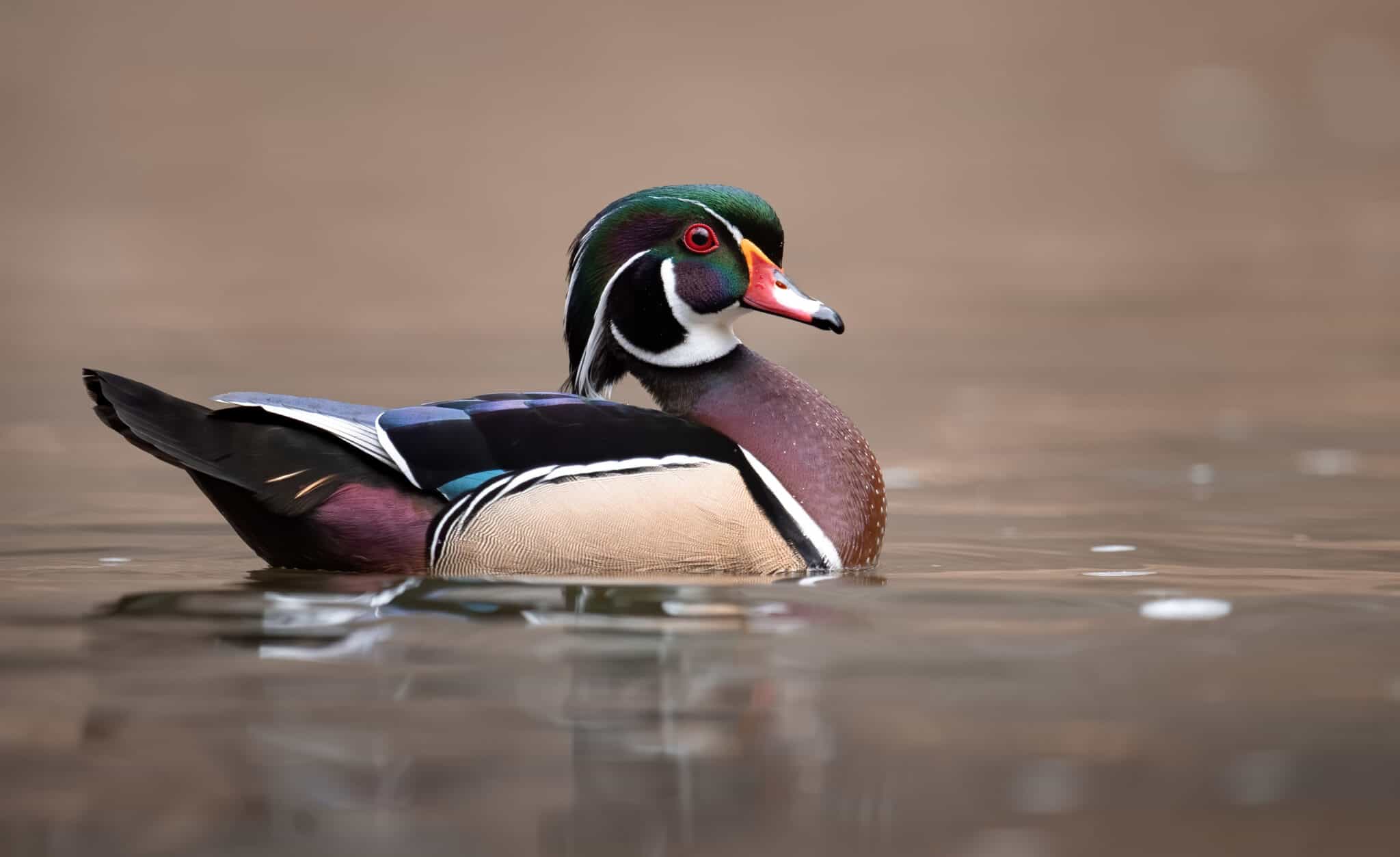
Responsible waterfowl hunting is not just about filling limits; it’s about conservation and respecting the resource.
- Know Your Limits: Always adhere to bag limits and possession limits established by wildlife agencies.
- Ethical Shot Placement: Aim for clean, humane harvests by taking shots within your effective range.
- Retrieve All Game: Make every effort to recover downed birds to prevent waste. This often involves using a well-trained retriever.
- Leave No Trace: Pack out all trash and leave your hunting location as you found it.
- Respect Private Property: Always obtain permission before hunting on private land.
The long-term sustainability of waterfowl populations relies heavily on the commitment of hunters to ethical practices. Organizations like Ducks Unlimited play a vital role in habitat conservation, underscoring the importance of hunter involvement in this endeavor.
A Symphony of Strategy and Skill
Catching more ducks is not a matter of luck; it is the result of a meticulously planned and executed strategy. From the foundational understanding of duck behavior and rigorous scouting to the nuanced art of decoy placement and calling, every element plays a crucial role. Mastering these duck fishing game strategies requires dedication, continuous learning, and a deep respect for the wild. By embracing the principles of effective scouting, intelligent decoy deployment, skillful calling, and thorough camouflage, coupled with ethical hunting practices, anglers can transform their waterfowl hunting experiences, fostering a deeper connection with nature and ensuring the continued abundance of these magnificent creatures for generations to come.
