Bringing a hermit crab home is an exciting endeavor, promising a unique and rewarding pet ownership experience. These fascinating crustaceans, often perceived as low-maintenance, actually require a carefully curated environment to truly thrive. Simply placing them in a glass tank with some sand and a water dish is a recipe for stress, illness, and a significantly shortened lifespan. This article delves deep into the essential supplies needed to construct a hermit crab habitat that mimics their natural environment, ensuring your scuttling companions live long, healthy, and happy lives.
The Foundation: Choosing the Right Tank
The cornerstone of any hermit crab habitat is the enclosure itself. Size and material are paramount considerations.
Tank Size Matters: Room to Roam and Explore
Hermit crabs are active creatures and require ample space to forage, climb, and socialize. Underestimating their spatial needs is a common and detrimental mistake. For a beginner, a minimum of a 10-gallon tank is recommended for two small hermit crabs. However, as your collection grows or if you have larger species, this quickly becomes inadequate. Experts consistently advise that bigger is always better. A 20-gallon long tank provides significantly more floor space, which is crucial for burrowing and exploration, than a standard 20-gallon high tank. For larger hermit crab species, such as the Ecuadorian or large land hermit crabs, a 55-gallon tank or even larger is often recommended.
Case Study: A study published in the “Journal of Crustacean Biology” highlighted how hermit crabs in overcrowded conditions exhibited increased stress hormones, reduced activity levels, and a higher susceptibility to molting complications. Conversely, crabs in larger enclosures demonstrated more natural behaviors, including extensive burrowing and social interaction.
Tank Material: Glass vs. Plastic
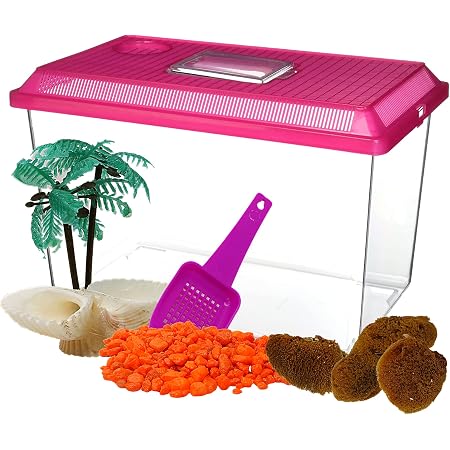
The most common choices for hermit crab tanks are glass aquariums and plastic terrariums.
- Glass Aquariums: These are widely available, relatively inexpensive, and offer excellent visibility. They are durable and easy to clean. However, they can be heavy and are susceptible to breaking if dropped.
- Plastic Terrariums: These are lighter and less prone to shattering. Some plastic terrariums come with built-in ventilation, which can be advantageous. However, they can scratch over time, and some plastics may not be as effective at retaining humidity.
Regardless of the material, a secure lid is non-negotiable. Hermit crabs are escape artists, and a well-fitting lid will prevent unwanted excursions.
Substrate: The Key to a Happy Burrower
The substrate, or bedding, is what lines the bottom of your hermit crab’s tank. It’s not just for aesthetics; it plays a vital role in humidity regulation, burrowing, and molting.
The Golden Ratio: Sand and Coconut Fiber
The universally recommended substrate mix for hermit crabs is a combination of play sand and coconut fiber (often sold as Eco Earth or similar brands). This mixture provides the ideal consistency for burrowing while also retaining moisture effectively.
- Play Sand: Opt for clean, washed play sand. Avoid coarse, sharp sands or those with added chemicals. The sand should be fine enough to allow for easy burrowing and compacting.
- Coconut Fiber: This material is excellent at holding moisture and is crucial for maintaining humidity levels. When dry, it can become dusty, so it’s important to mix it with sand.
The ideal ratio is generally considered to be 5 parts play sand to 1 part moistened coconut fiber. This creates a substrate that is firm enough to hold its shape when damp but still allows for comfortable burrowing. The depth of the substrate is equally important. Hermit crabs need to be able to bury themselves completely, especially during their molting process. A depth of at least 6 inches is recommended for smaller crabs, and 8-10 inches or more for larger species.
Statistics: Studies on hermit crab molting have shown that successful molts are significantly more likely when crabs have a deep, appropriately moist substrate to burrow into. Inadequate substrate depth or composition has been linked to incomplete molts and even death.
Maintaining the Perfect Moisture Level
The substrate should be damp, but not waterlogged. When you squeeze a handful, it should hold its shape without dripping. You can achieve this by misting the substrate regularly with dechlorinated water. A hygrometer is an essential tool to monitor humidity levels within the tank.
Water Sources: Essential for Hydration and Shell Cleaning
Hermit crabs require two distinct types of water to survive and thrive.
Freshwater Oasis: For Drinking and Hydration

A dish of fresh, dechlorinated water is essential for your hermit crabs to drink. Tap water contains chlorine and chloramines, which are toxic to hermit crabs. You must use a dechlorinator specifically designed for reptiles and amphibians, or age tap water for at least 24-48 hours to allow the chlorine to evaporate (though this does not remove chloramines).
The dish should be shallow enough to prevent drowning but deep enough for the crab to submerge itself. Small, natural-looking dishes or even strategically placed rocks can create a safe entry and exit point. Ensure the water is changed daily to maintain freshness.
Saltwater Spa: For Shell Cleaning and Osmoregulation
Hermit crabs are semi-terrestrial, meaning they still require saltwater for osmotic balance and to keep their shells clean and healthy. This saltwater bath helps them shed exoskeletons and maintain the integrity of their shells.
Use a marine salt mix specifically designed for saltwater aquariums. Never use table salt. Mix the salt with dechlorinated freshwater according to the package instructions. This saltwater dish should be the same depth and accessibility as the freshwater dish. It’s also important to have a separate dish for saltwater to avoid diluting the salinity.
Dish Types: Non-Porous and Secure
Avoid porous materials like terracotta, which can harbor bacteria. Non-porous plastic or glass dishes are ideal. Ensure the dishes are stable and won’t easily tip over.
Hiding Places and Climbing Opportunities: Mimicking Nature’s Design

In their natural environment, hermit crabs navigate a complex world of rocks, driftwood, and foliage. Recreating this complexity in their habitat is crucial for their well-being.
Shells, Shells Everywhere! The Importance of Spare Homes

Hermit crabs must change shells as they grow. Providing a variety of appropriately sized shells is paramount. The opening of the new shell should be slightly larger than the crab’s current opening.
- Shell Types: Common and well-loved shells include Murex, turban, and whelk shells.
- Preparation: Always boil new shells in dechlorinated water and let them cool completely before introducing them to the tank to remove any potential parasites or debris.
- Quantity: Offer at least 2-3 spare shells per hermit crab.
Example: A hermit crab might refuse a new shell simply because the lip is too thick or the interior is too narrow. Offering variety increases the chances of finding a suitable replacement.
Vertical Exploration: Creating a Jungle Gym
Hermit crabs love to climb. Providing opportunities for vertical movement enriches their environment and provides exercise.
- Driftwood and Chola Wood: These natural materials offer excellent climbing surfaces and also add to the aesthetic appeal of the habitat.
- Coconut Husks and Pods: These can be used as climbing structures and hiding places.
- Artificial Plants: Durable, non-toxic artificial plants can provide additional climbing surfaces and visual interest. Ensure they are securely anchored.
Caution: Avoid anything with sharp edges or small parts that could be ingested. Always ensure all decorations are thoroughly cleaned before placement.
Climate Control: Temperature and Humidity

Maintaining the correct temperature and humidity is perhaps the most critical aspect of hermit crab care. These are tropical creatures, and deviations can have severe consequences.
Heating Solutions: Keeping Things Cozy
Hermit crabs require a consistent temperature range, typically between 75°F and 85°F (24°C to 29°C).
- Under-Tank Heater (UTH): The most effective and recommended heating method is an under-tank heater. These adhesive strips are placed on the side or back of the tank (never on the bottom, as this can overheat the substrate and harm molting crabs).
- Thermostat: A thermostat is essential to regulate the UTH and prevent overheating. This is a non-negotiable safety device.
- Thermometer: A reliable thermometer is needed to monitor the ambient temperature within the tank.
Humidity Levels: The Breath of Life
Humidity is crucial for hermit crabs to breathe. They have modified gills that require moisture to function. The ideal humidity level is between 70% and 80%.
- Hygrometer: A digital hygrometer is indispensable for accurately measuring humidity.
- Misting: Regular misting of the substrate and the tank walls with dechlorinated water will help maintain humidity.
- Lid Choice: A solid or partially solid lid is better for retaining humidity than a fully mesh lid. If using a mesh lid, you may need to cover a portion of it with plastic wrap or plexiglass.
Statistics: A significant percentage of hermit crab deaths in captivity are attributed to low humidity, leading to suffocation and respiratory distress. Maintaining consistent, high humidity is paramount.
Feeding Your Hermit Crab: A Varied and Nutritious Diet
Providing a balanced and diverse diet is essential for your hermit crab’s health and longevity.
Dietary Staples: What They Eat in the Wild
In their natural habitats, hermit crabs are scavengers and omnivores, consuming a wide range of foods. Replicating this variety is key.
- Commercial Hermit Crab Food: Look for high-quality commercial foods that do not contain copper sulfate, ethoxyquin, or other artificial preservatives.
- Fruits: Apples, bananas, mangoes, papaya, and berries are generally safe. Avoid citrus fruits.
- Vegetables: Cooked sweet potatoes, carrots, broccoli, and spinach are excellent choices.
- Proteins: Cooked unseasoned chicken or turkey, hard-boiled eggs, and shrimp (unsalted) can be offered in moderation.
- Calcium Sources: Cuttlebone is a fantastic source of calcium.
Foods to Avoid: The Danger Zone
Certain foods are toxic to hermit crabs and should never be offered.
- Copper: Copper is highly toxic to hermit crabs. Avoid any food or water source that contains copper.
- Onions and Garlic: These can be harmful.
- Processed Foods: Anything with high salt content, artificial flavors, or preservatives is dangerous.
- Citrus Fruits: The acidity can be detrimental.
Example: A hermit crab fed a diet solely of commercial pellets might develop deficiencies, leading to poor molting and weakened exoskeletons. Introducing a variety of fresh foods ensures they receive all the necessary nutrients.
Essential Accessories: The Finishing Touches
Beyond the core components, a few accessories can significantly enhance the hermit crab habitat.
- Spray Bottle: For misting the substrate and maintaining humidity.
- Sponge for Water Dishes (Optional): Some owners add a small sponge to water dishes to help prevent drowning of smaller crabs, though this can harbor bacteria if not cleaned regularly.
- Feeding Dish: A small, shallow dish for presenting food.
- Magnifying Glass: For observing your hermit crabs up close and checking for any signs of distress or illness.
Building a Thriving Ecosystem for Your Hermit Crab

Creating an optimal hermit crab habitat is an investment in the well-being and longevity of these fascinating creatures. By understanding and providing the essential supplies—a spacious and secure tank, a properly mixed and deep substrate, dual water sources, plenty of climbing opportunities and spare shells, and consistent climate control—you are setting the stage for a healthy and fulfilling life for your hermit crab companions. Remember, the goal is to mimic their natural environment as closely as possible, offering them the space, resources, and conditions they need to thrive, not just survive. A well-maintained habitat is a testament to responsible pet ownership and a gateway to truly appreciating the unique charm of hermit crabs.
