In an increasingly digital world, the allure of the physical book might seem like a quaint relic of the past. Yet, for many, the tactile sensation of turning a page, the comforting weight in their hands, and the unique scent of paper and ink remain irreplaceable. Beyond their narrative power, real books possess an extraordinary ability to infuse warmth, character, and a tangible sense of personality into our living spaces. They are not merely objects to be read; they are decorative elements, conversation starters, and portals to curated worlds, capable of transforming sterile environments into cozy, inviting havens. This article explores the profound impact of real books on our homes, from their aesthetic appeal to their psychological benefits, demonstrating how these tangible treasures can truly elevate our spaces.
The Aesthetic Powerhouse: Beyond Mere Decoration
Books, when arranged thoughtfully, are far more than just functional items. They are dynamic design elements that can inject color, texture, and visual interest into any room. Their spines, in a myriad of hues and styles, create a vibrant tapestry, a testament to diverse interests and journeys. The sheer volume and variety of books available offer a palette for interior designers and homeowners alike to craft unique and personal statements.
Curating a Color Story
One of the most immediate ways books transform a space is through their color. A well-organized bookshelf can act as a living piece of art. Consider a monochromatic scheme: a collection of vintage novels with aged, cream-colored pages and muted leather bindings can create an atmosphere of understated elegance and historical depth. Alternatively, a rainbow arrangement of contemporary paperbacks can inject a playful, vibrant energy into a room. This approach can be particularly effective in minimalist interiors, providing a much-needed pop of color and personality without overwhelming the space.
Adding Texture and Depth
The materiality of books adds another layer of aesthetic richness. The smooth gloss of a coffee table book, the rough texture of a well-loved paperback, or the embossed details on a hardcover binding all contribute to the tactile and visual appeal of a space. Stacking books, varying their sizes, and juxtaposing different materials can create visual intrigue and depth. A cluster of thick, hardback tomes on a side table can provide a grounding element, while a collection of slender poetry books arranged vertically can offer a sense of delicate refinement.
The Coffee Table Book as a Statement Piece
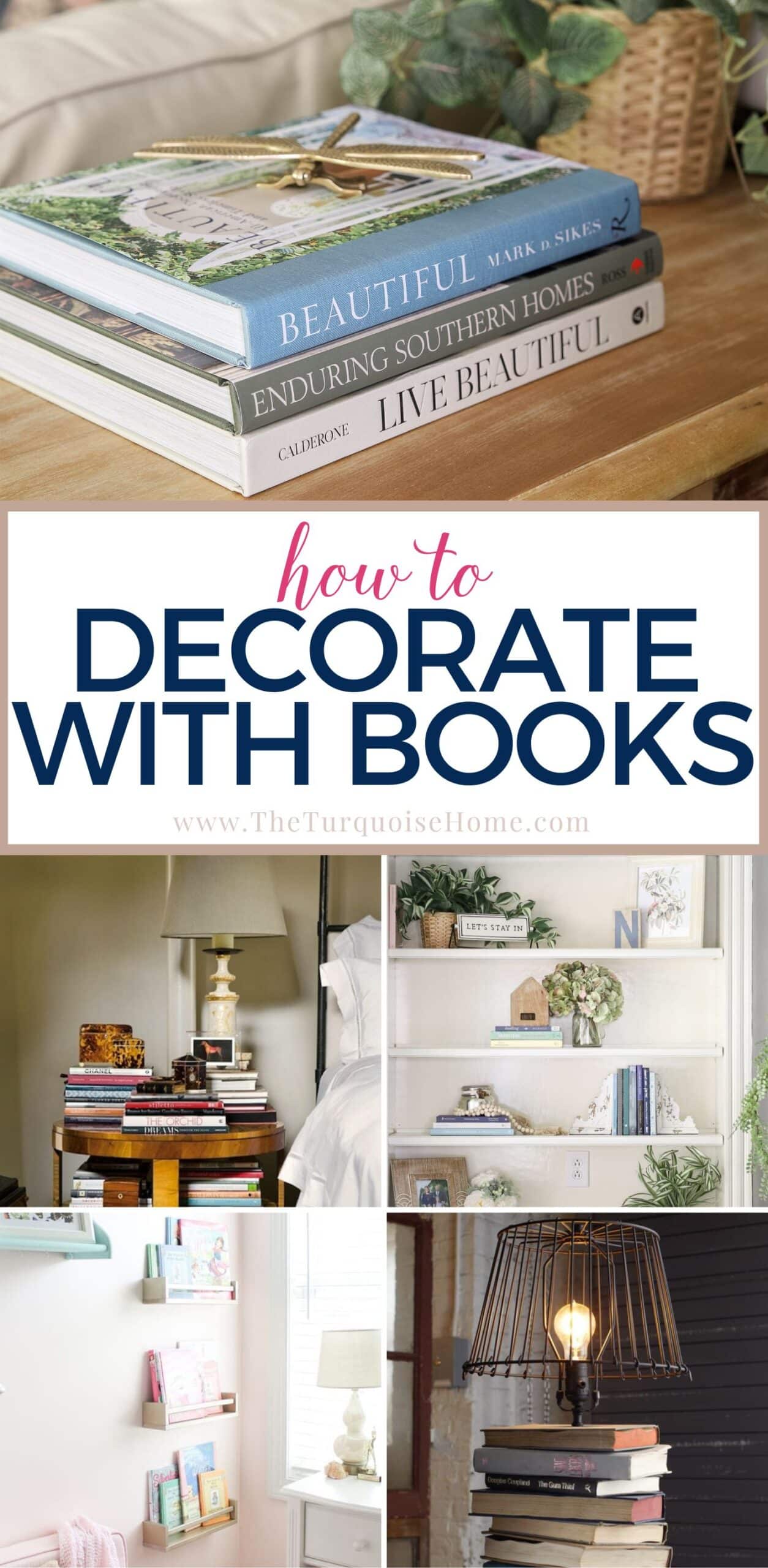
Coffee table books are specifically designed for display and often feature stunning photography, intricate artwork, or compelling narratives. Placed strategically on a coffee table, they become instant conversation starters and reflections of the homeowner’s passions. A large format book on architecture can anchor a living room, while a collection of art books can inspire creativity. These oversized volumes are not just for casual browsing; they are curated objects that add intellectual cachet and visual flair to the heart of the home.
Beyond the Visual: The Psychological and Emotional Resonance

The impact of books extends far beyond their aesthetic qualities. They hold a unique power to shape the atmosphere of a room and influence our moods and feelings. The presence of books can create a sense of intellectual stimulation, comfort, and personal history.
Fostering an Atmosphere of Intellectual Curiosity
A room filled with books naturally evokes a sense of learning and intellectual curiosity. Seeing shelves lined with diverse titles can encourage contemplation and conversation. Studies have shown that the presence of books in a home is associated with higher levels of reading and literacy within families. A study published in the journal *Reading Research Quarterly* found that children growing up in homes with more books had significantly better reading skills than those in book-scarce environments. This intellectual atmosphere can make a home feel more engaging and stimulating, encouraging personal growth and exploration.
Creating a Sense of Comfort and Sanctuary
For many, books are intrinsically linked to comfort and relaxation. The act of curling up with a good book is often synonymous with unwinding and escaping the stresses of daily life. A reading nook, complete with a comfortable armchair, good lighting, and shelves filled with beloved novels, can become a personal sanctuary. The very presence of these familiar objects can evoke a sense of security and well-being, transforming a corner of a room into a tranquil retreat.
Personalization and Storytelling

Each book on a shelf tells a story, not just within its pages, but about its owner. Dog-eared pages, underlined passages, inscriptions from loved ones – these are all markers of a life lived and experiences shared. Books collected over time become a tangible representation of our intellectual journeys, our evolving interests, and our personal histories. They are a powerful form of self-expression, allowing us to curate our environment to reflect who we are and what we value.
Practical Applications: Integrating Books Thoughtfully into Your Space

Transforming your space with books is not about simply piling them up; it’s about intentional curation and strategic placement. Here are some practical ways to incorporate real books to enhance your home:
1. Strategic Shelving Solutions
- Built-in bookshelves: These offer a seamless and integrated look, creating a dedicated literary hub.
- Floating shelves: Ideal for smaller spaces or for showcasing specific collections, they add a modern and airy feel.
- Modular shelving: Versatile and adaptable, these can be reconfigured to suit changing needs and spaces.
- Ladder shelves: A stylish and functional option that can add vertical interest and display capabilities.
2. Beyond the Bookshelf: Unexpected Placements
Don’t limit books to traditional bookshelves. Consider these creative placements:
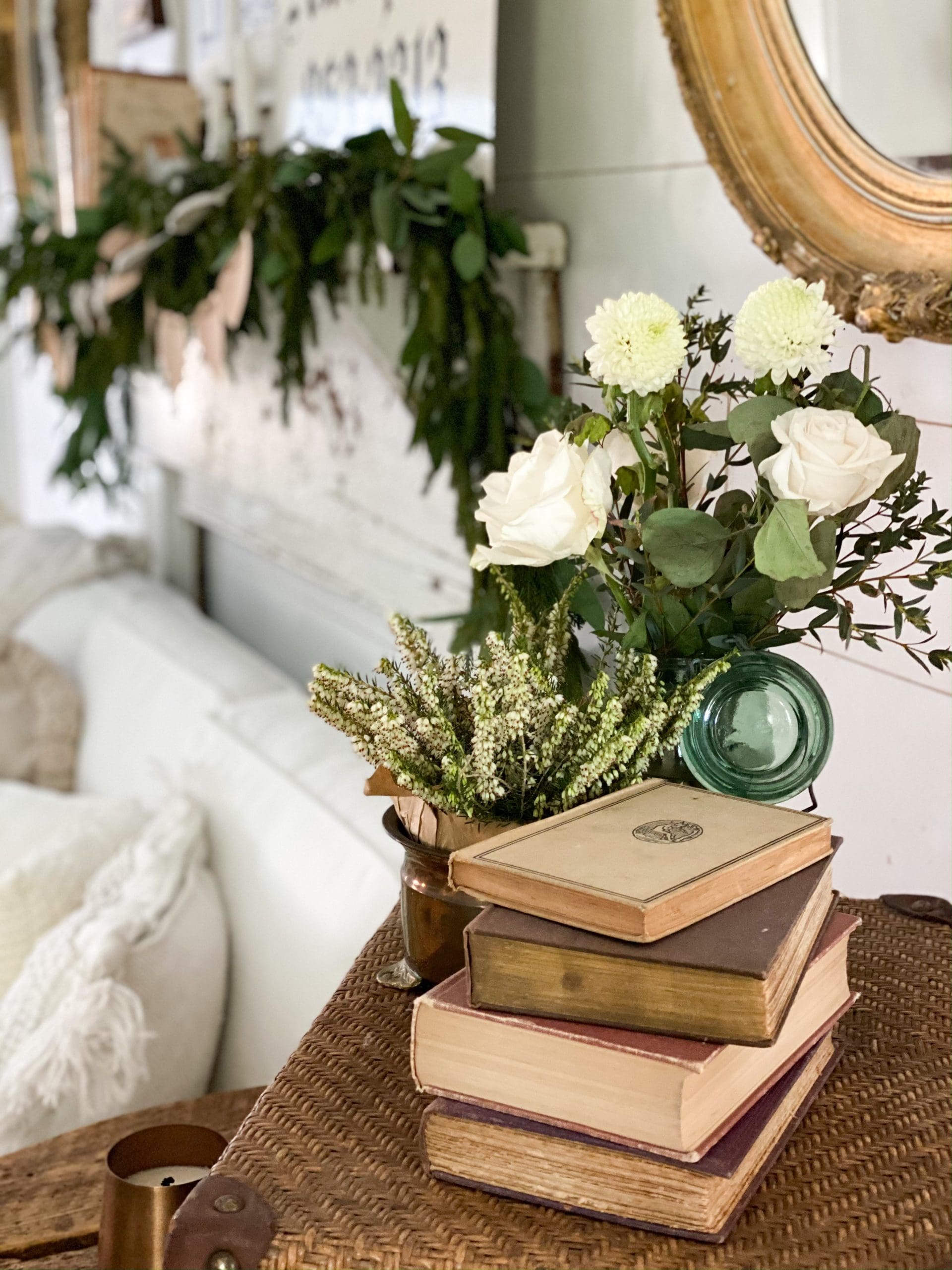
- On side tables: A stack of art books or novels can add character to a bedside table or end table.
- In the kitchen: Cookbooks are essential for any culinary enthusiast, and they can also add a warm, inviting touch to kitchen countertops.
- In the bathroom: A few well-chosen magazines or light reading material can make a bathroom feel more spa-like and relaxing.
- As risers: Use stacks of books to elevate decorative objects, creating visual interest and varying heights.
3. The Art of Arrangement

The way you arrange your books can significantly impact the overall aesthetic:
- By color: As mentioned, this can create a vibrant visual statement.
- By size and height: Alternating vertical and horizontal stacks can add visual rhythm.
- By subject or genre: This can make it easier to find what you’re looking for and can also create thematic groupings.
- Mixing with decorative objects: Interspersing books with photographs, plants, or sculptures creates a layered and dynamic display.
Case Study: The Cozy Reading Nook
Consider the transformation of a small, underutilized corner in a living room into a dedicated reading nook. By installing a comfortable armchair, a small side table, and a set of floating shelves, the space is instantly revitalized. The shelves are then filled with a curated selection of the homeowner’s favorite novels, poetry collections, and a few art books. The spines create a warm, inviting color palette, and the tactile nature of the books adds to the cozy ambiance. The presence of these tangible objects transforms a mere corner into a personal sanctuary, encouraging moments of quiet reflection and escape. This transformation, driven by the simple inclusion of real books, demonstrates their power to imbue even the smallest of spaces with character and purpose.
The Enduring Charm of Tangible Knowledge
In a world dominated by screens, the enduring charm of real books remains undeniable. From their aesthetic capacity to inject color, texture, and personality into our homes, to their profound psychological impact in fostering intellectual curiosity and creating havens of comfort, books offer a unique dimension to our living spaces. They are more than just vessels of information; they are decorative elements, conversation starters, and tangible reflections of our individual journeys. By thoughtfully integrating real books onto our shelves and tables, we invite a richer, more inviting, and deeply personal atmosphere into our homes, proving that the tactile beauty and intellectual weight of physical literature can indeed transform our spaces in profound and lasting ways.
