Stained glass ceiling lights are not only functional fixtures; they are also stunning works of art that can enhance the beauty of any space. However, like any decorative item, they require regular maintenance to keep them looking their best. This article will provide you with essential tips and insights to ensure your stained glass ceiling lights remain vibrant and shining for years to come.
The Importance of Maintenance

Maintaining your stained glass ceiling lights is crucial for several reasons:
- Aesthetic Appeal: Regular cleaning and care keep the colors vibrant and the glass clear.
- Longevity: Proper maintenance can extend the lifespan of your fixtures, preventing costly replacements.
- Safety: Keeping lights clean can help prevent fire hazards caused by dust and grime accumulation.
By following a few simple maintenance tips, you can ensure your stained glass ceiling lights continue to illuminate your home beautifully.
Regular Cleaning Procedures
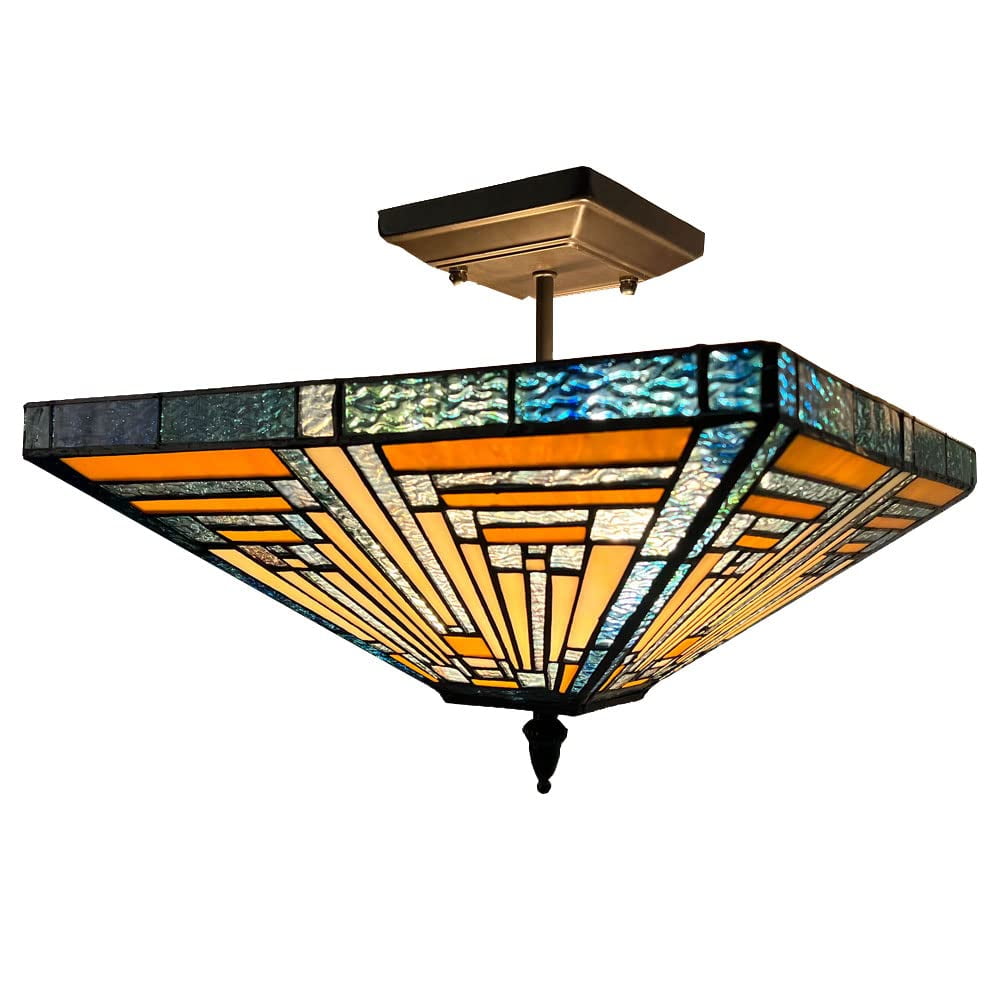
Cleaning your stained glass ceiling lights doesn’t have to be a daunting task. Here are some effective steps to ensure your fixtures are kept spotless:
1. Gather the Right Supplies
Before you begin cleaning, make sure you have the following supplies:
- Soft, lint-free cloths
- Non-abrasive glass cleaner or a mixture of warm water and mild dish soap
- Soft-bristled brush (optional for intricate designs)
- Bucket or bowl for soapy water
- Step ladder or sturdy stool (if needed)
2. Dusting the Fixture
Begin by dusting your stained glass ceiling lights using a soft, dry cloth. This helps to remove any loose dirt and dust. For intricate designs, you may want to use a soft-bristled brush to reach into the crevices.
3. Cleaning the Glass
Once dusted, use a non-abrasive glass cleaner or a mixture of warm water and mild dish soap:
- Apply the cleaner to a cloth, not directly onto the glass, to prevent over-saturation.
- Gently wipe the glass surface, being careful not to scratch or damage it.
- For stubborn stains, let the cleaner sit for a few minutes before wiping.
4. Rinsing and Drying
After cleaning, rinse the glass with clean water (if using soap) and dry it with a soft cloth to avoid water spots.
Dealing with Stains and Damage
Despite regular cleaning, stains and damage can still occur. Here’s how to address these issues:
1. Identifying Stains
Common types of stains on stained glass include:
- Water spots from mineral deposits
- Grease stains from cooking fumes
- Smoke residue from candles or fireplaces
2. Removing Stains
For specific stains, consider the following methods:
- Water Spots: Use a vinegar solution (1 part vinegar to 3 parts water) to wipe the affected areas. Rinse with clean water and dry.
- Grease Stains: Apply a small amount of dish soap to a cloth and gently scrub the stained area, then rinse and dry.
- Smoke Residue: Use rubbing alcohol on a cloth to clean smoke stains, followed by a rinse.
3. Repairing Damage
If you notice any cracks or broken pieces in your stained glass, it’s essential to address these issues promptly. Here are steps to consider:
- Assess the Damage: Determine whether it’s a minor crack or a significant break.
- Temporary Fix: For small cracks, use clear nail polish as a temporary seal until you can get it professionally repaired.
- Professional Repair: Contact a stained glass artist or restoration specialist for significant repairs. This ensures the integrity and beauty of the piece is maintained.
Preventative Measures
Taking preventative measures can save you time and hassle in the long run. Here are some suggestions to consider:
1. Installing Filters

If your stained glass ceiling lights are near windows or in direct sunlight, consider installing UV filters on the windows. This can help prevent fading and discoloration of the glass over time.
2. Avoiding Harsh Chemicals

Avoid using abrasive cleaners or chemicals that can damage the glass or lead soldering. Stick to mild, non-abrasive cleaners for the best results.
3. Regular Inspections
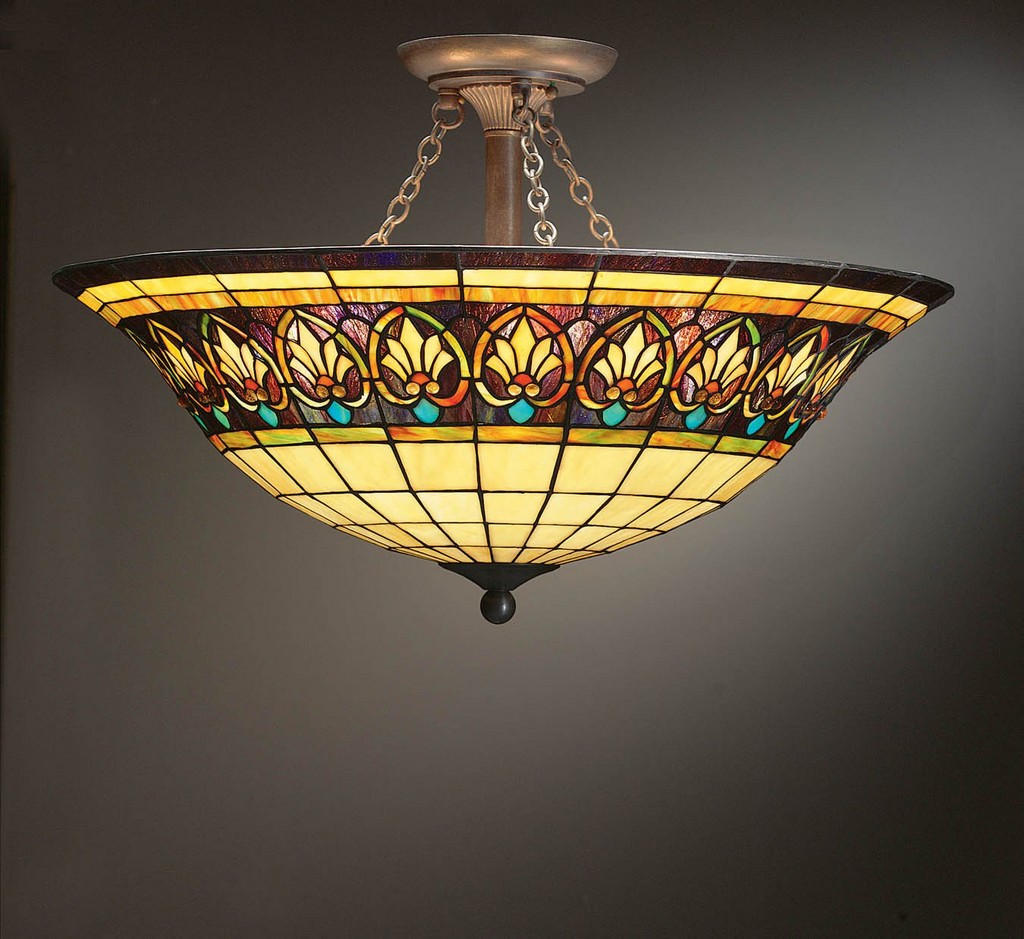
Periodically inspect your stained glass fixtures for any signs of wear or damage. Catching issues early can prevent more extensive repairs later on.
Seasonal Maintenance Tips
Different seasons can bring unique challenges to maintaining your stained glass ceiling lights. Here are some seasonal tips:
1. Spring Cleaning
As part of your spring cleaning routine, take the time to do a thorough clean of your stained glass fixtures. Check for dust accumulation and any potential damage that may have occurred during winter months.
2. Summer Sun Protection
In the summer months, the sun can be particularly harsh. Consider using shades or curtains to limit direct sunlight exposure, which can fade colors over time.
3. Fall Preparation
As leaves fall and winter approaches, ensure that any dust and debris are cleaned from your fixtures to avoid buildup. This is also a good time to check for any possible leaks or drafts that could affect your lighting.
4. Winter Care
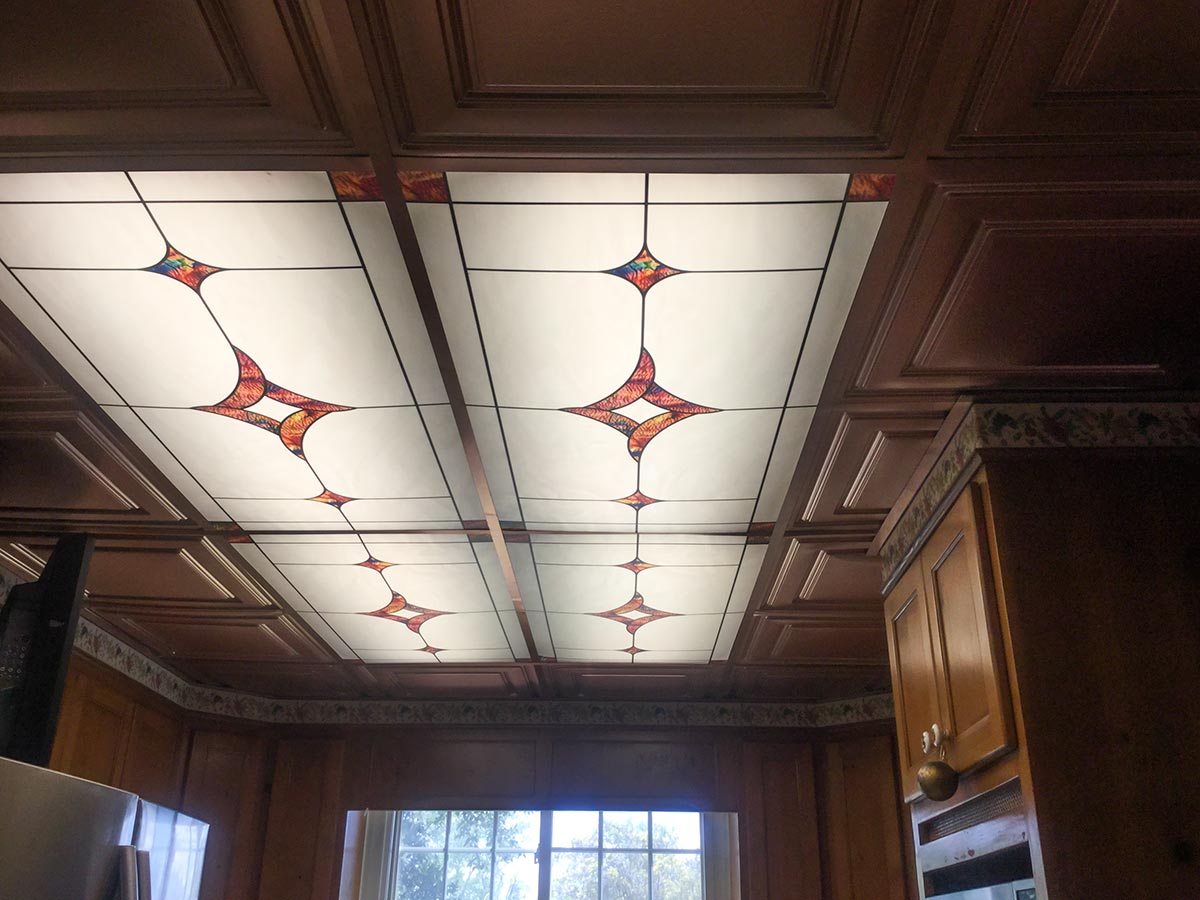
During the winter, ensure that your home remains humidified to prevent the glass from becoming brittle due to dry air. This is especially important for antique pieces.
Stained glass ceiling lights are a breathtaking addition to any home, but they require regular maintenance to remain stunning. By following the cleaning procedures outlined above, addressing stains and damages promptly, and taking preventative measures, you can keep your stained glass fixtures shining brightly. Regular inspections and seasonal care will ensure that your lights remain beautiful and functional for years to come. Remember, a little effort in maintaining your stained glass can go a long way in preserving its beauty and value.
