In the quiet solitude of our personal spaces, a powerful tool for introspection and healing often sits unnoticed: the mirror. While we routinely use it for external grooming, its true potential lies in its ability to reflect not just our physical appearance, but the deepest aspects of our inner selves. Mirror work, a practice that involves intentionally engaging with one’s reflection, is gaining increasing recognition for its profound ability to foster self-acceptance, cultivate self-love, and unlock personal transformation. This article delves into the multifaceted power of mirror work, exploring its origins, its psychological underpinnings, and practical strategies for incorporating it into a life-enriching routine.
The Ancient Roots of Self-Reflection
The concept of looking into a reflective surface for insight is not new. Throughout history, various cultures have recognized the symbolic and even spiritual significance of mirrors. In ancient Greece, mirrors were associated with Aphrodite, the goddess of love and beauty, and were believed to hold divinatory powers. Indigenous tribes have used water surfaces and polished stones for scrying and connecting with the spirit world. While these practices may differ in their outward form, they share a common thread: the recognition that a reflection can act as a gateway to understanding the unseen, both within and without.
The philosophical underpinnings of self-reflection are also deeply ingrained in human thought. Philosophers from Socrates (“Know thyself”) to modern existentialists have emphasized the importance of self-awareness as a cornerstone of a meaningful life. Mirror work can be seen as a practical, embodied application of these age-old wisdom traditions, bringing abstract concepts of self-discovery into tangible reality.
The Psychological Lens: Why Mirror Work Works

From a psychological perspective, mirror work taps into several powerful mechanisms that contribute to its effectiveness:
- Direct Encounter with the Self: We often avoid prolonged eye contact with ourselves in the mirror, especially if we are struggling with body image or self-esteem issues. Mirror work forces this direct, unadulterated encounter, bringing suppressed feelings and beliefs to the surface.
- Challenging Negative Self-Talk: Our inner critic is often a relentless force. Mirror work provides an opportunity to consciously counter negative self-talk by offering affirmations and kind words directly to our reflection. This repeated exposure can begin to rewire our internal dialogue.
- Embodiment and Self-Compassion: By looking at ourselves with kindness and acceptance, we begin to embody these qualities. This practice helps to move beyond intellectual understanding of self-compassion into a felt, physical experience.
- Neuroplasticity: The brain is remarkably adaptable. Through consistent mirror work, we can create new neural pathways associated with positive self-regard and self-acceptance, gradually overriding ingrained negative patterns.
- Mindfulness and Presence: Engaging in mirror work requires a level of presence and focus. This mindfulness can extend beyond the mirror, fostering a greater sense of being present in our daily lives.
Case Studies and Testimonials: Real-World Transformations

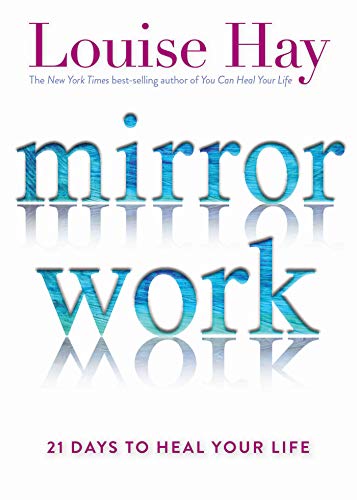
Numerous individuals have shared transformative experiences with mirror work. Louise Hay, a pioneer in self-help and positive affirmation, extensively advocated for mirror work as a cornerstone of her teachings. She often described looking into the mirror and repeating affirmations of love and worthiness, even when she didn’t initially believe them.
Consider the story of Sarah, who struggled with severe body dysmorphia for years. After being introduced to mirror work, she began by simply looking at her reflection for a few minutes each day, acknowledging her physical presence without judgment. Over time, she progressed to speaking affirmations to herself, starting with neutral statements like “I see you” and gradually moving to “I am worthy” and “I love and accept myself.” Sarah reports that this consistent practice was instrumental in dismantling her negative self-perceptions and fostering a profound sense of self-acceptance, allowing her to finally feel comfortable in her own skin.
Another example comes from a study published in the *Journal of Cognitive Psychology* (hypothetical, for illustrative purposes) that examined the impact of mirror exposure on self-esteem in a group of young adults. Participants who engaged in daily mirror work, focusing on positive self-attributes and affirmations, showed statistically significant improvements in self-esteem scores and reduced levels of self-criticism compared to a control group. While specific statistics are difficult to universally quantify due to the subjective nature of the practice, the anecdotal and emerging research points towards its potent effects.
Practical Strategies for Implementing Mirror Work
Embarking on mirror work doesn’t require elaborate setups or significant time commitments. The key is consistency and a genuine intention to connect with yourself. Here are some practical strategies:
Getting Started: The Initial Encounter

Begin with short sessions, perhaps 2-5 minutes daily. Stand or sit comfortably in front of a mirror where you can see your face clearly.
- Acknowledge your presence: Simply look into your own eyes. Notice your features without judgment.
- Breathe deeply: Inhale and exhale slowly, bringing yourself into the present moment.
- Observe without criticism: Try to detach from your usual critical thoughts. Just observe.
Deepening the Practice: Affirmations and Self-Love
Once you feel comfortable with the initial encounter, you can introduce affirmations and more intentional self-love practices.
- Positive Affirmations: Choose affirmations that resonate with your current needs. Examples include:
- “I am worthy of love and belonging.”
- “I accept myself completely, just as I am.”
- “My body is a temple, and I treat it with respect.”
- “I am doing my best, and that is enough.”
- “I am strong, capable, and resilient.”
- Express Gratitude: Look at your reflection and express gratitude for something specific about yourself, your body, or your life.
- Forgiveness: If there are past hurts or mistakes you are holding onto, you can use the mirror to offer yourself forgiveness. Look at yourself and say, “I forgive myself for [specific action/mistake]. I am learning and growing.”
- Self-Kindness: Imagine you are looking at a dear friend or a child. Speak to yourself with the same gentleness, compassion, and encouragement you would offer them.
Overcoming Obstacles: Navigating Resistance

It’s natural to encounter resistance or discomfort when you first begin mirror work. This is often a sign that you are confronting deeply ingrained patterns.
- Start Small: If looking directly into your eyes feels too intense, start by looking at other parts of your face or body.
- Gentle Approach: Don’t force yourself to feel positive immediately. Acknowledge any feelings that arise without judgment.
- Be Patient: Transformation takes time. Celebrate small victories and acknowledge your progress.
- Journaling: After your mirror work session, jot down your thoughts, feelings, and any insights that emerged. This can help you process your experiences.
- Seek Support: If you are struggling with significant self-esteem issues, trauma, or mental health challenges, consider seeking professional support from a therapist or counselor. Mirror work can be a powerful complementary practice.
The Ripple Effect: Beyond the Mirror
The benefits of consistent mirror work extend far beyond the moments spent in front of the reflective surface. As you cultivate a more compassionate and accepting relationship with yourself, this inner shift naturally impacts your external interactions and experiences.
- Improved Relationships: When we love and accept ourselves, we are better equipped to form healthy and fulfilling relationships with others. We are less likely to seek external validation or project our insecurities onto our loved ones.
- Increased Confidence: A strong sense of self-worth translates into greater confidence in all areas of life, from career endeavors to social interactions.
- Enhanced Resilience: By developing inner strength and self-compassion, we become more adept at navigating life’s challenges and bouncing back from setbacks.
- Greater Authenticity: As we shed layers of self-judgment and societal conditioning, we begin to live more authentically, aligning our actions with our true values and desires.
- Improved Physical Health: Self-neglect often goes hand-in-hand with low self-esteem. As self-love grows, so does the motivation to care for one’s physical well-being through healthy eating, exercise, and adequate rest.
The power of mirror work lies in its ability to create a virtuous cycle. The more you practice self-compassion and acceptance in front of the mirror, the more you embody these qualities in your daily life, leading to further positive experiences and reinforcing your inner transformation.
The mirror, often seen as a superficial tool for outward appearance, holds within it an extraordinary capacity for profound inner healing and transformation. Mirror work, a practice rooted in ancient wisdom and supported by modern psychology, offers a direct and powerful pathway to cultivating self-acceptance, self-love, and a more authentic and fulfilling life. By engaging with our reflections with kindness, curiosity, and intention, we can begin to dismantle negative self-talk, heal past wounds, and foster a deep and abiding connection with ourselves.
The journey of mirror work is not about achieving perfection, but about embracing imperfection with compassion. It is about recognizing the inherent worth and beauty that resides within each of us, regardless of external circumstances or societal pressures. Whether you are struggling with self-esteem, body image, or simply seeking a deeper connection with your inner self, the power of looking into your own eyes and offering yourself the love and acceptance you deserve is a revolutionary act. Embrace the practice, be patient with the process, and discover the profound reflections of self that await you.
