Mirrors have long been more than just functional objects; they are portals to the past, reflections of our identities, and timeless pieces of art. Among the myriad of styles available, old rustic mirrors hold a special allure that captivates homeowners, collectors, and designers alike. This article delves into the charm of rustic mirrors, exploring their history, craftsmanship, and the emotional connections they forge.
The History of Mirrors
To understand the allure of rustic mirrors, one must first appreciate their rich history. The earliest mirrors were made from polished stones such as obsidian, dating back to around 6000 B.C. The ancient Egyptians and Greeks began to create mirrors from metal, while the Venetians perfected glass mirrors in the 16th century. Here’s a brief timeline highlighting key developments in mirror history:
- 6000 B.C.: Polished obsidian mirrors in ancient Mesopotamia.
- 4000 B.C.: Metal mirrors crafted by the Egyptians.
- 16th Century: Development of glass mirrors in Venice.
- 19th Century: The introduction of silvering processes that enhanced reflective quality.
By the 19th century, mirrors had become ubiquitous in homes, reflecting not just light but also the changing styles and tastes of society. Rustic mirrors, in particular, began to emerge as a response to industrialization, serving as a reminder of simpler times.
What Makes Rustic Mirrors Unique?
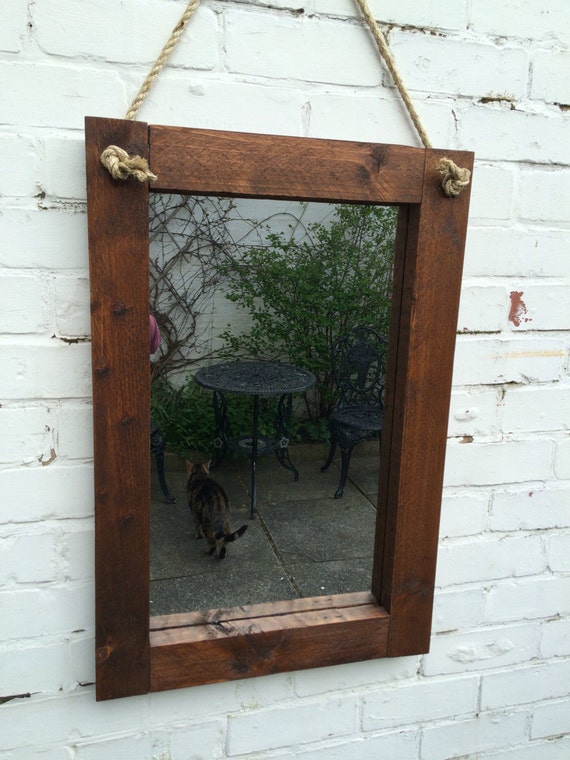
Rustic mirrors are distinguished by their natural materials, aged finishes, and handcrafted qualities. They often showcase imperfections that tell a story, making each piece unique. Here are some features that contribute to their charm:
- Materials: Typically made from wood, wrought iron, or reclaimed materials, rustic mirrors highlight natural textures.
- Finish: The patina and wear that come with age add character, making them visually appealing and inviting.
- Craftsmanship: Many rustic mirrors are handcrafted, showcasing the skills of artisans and the beauty of traditional techniques.
These elements combine to create mirrors that are not just functional but also serve as focal points in home décor. They evoke a sense of nostalgia and tranquility, which can be appealing in today’s fast-paced world.
The Emotional Connection to Rustic Mirrors

Rustic mirrors often carry emotional weight. They can evoke memories of family gatherings, childhood homes, or cherished moments. This connection to the past is one reason they remain popular in interior design. Many people appreciate the stories these mirrors can tell, making them more than mere decorative objects.
Consider the following emotional aspects associated with rustic mirrors:
- Sentimentality: They can remind us of times spent with loved ones or places we hold dear.
- Connection to Nature: Utilizing natural materials fosters a connection to the environment, evoking feelings of peace.
- Artistic Expression: The unique designs often reflect personal tastes and styles, making them an extension of the owner’s identity.
In a world where technology often dominates, rustic mirrors offer a sanctuary of authenticity and warmth, allowing people to connect with their roots.
Rustic Mirrors in Interior Design

Rustic mirrors have found their place in various design styles, from farmhouse chic to modern bohemian. They enhance spaces by adding depth, light, and character. Here are some ways to incorporate rustic mirrors into different interior design themes:
1. Farmhouse Style
In farmhouse-style interiors, rustic mirrors can serve as statement pieces. They often feature distressed wood frames that complement the overall aesthetic. Placing a large rustic mirror above a mantel or couch can create a focal point that draws the eye.
2. Bohemian Décor
Rustic mirrors fit seamlessly into bohemian spaces, where eclectic and layered designs are celebrated. Using multiple smaller mirrors with varying shapes and frames can add a playful touch to a room.
3. Modern Minimalism
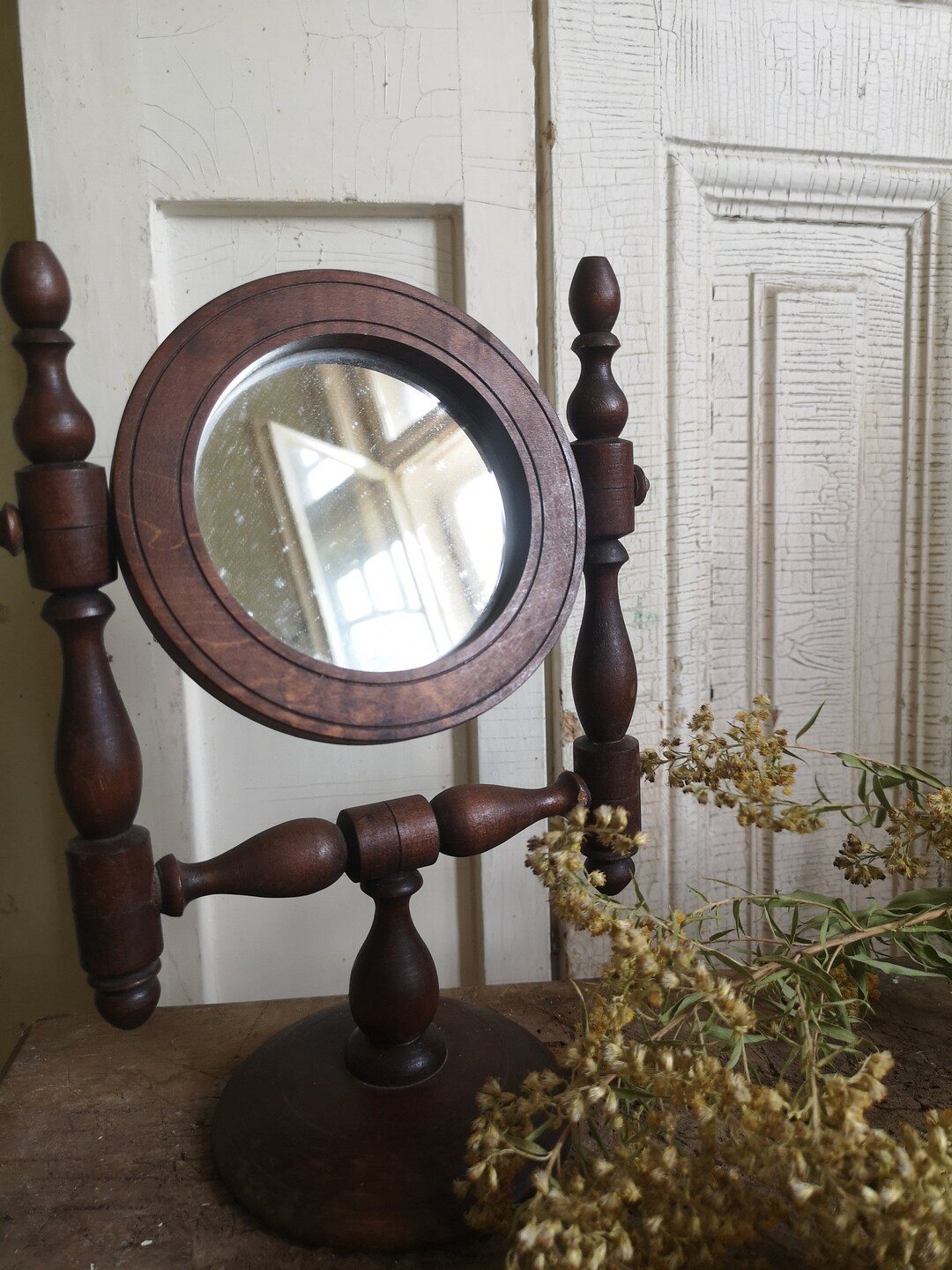
Even in minimalist settings, rustic mirrors can provide a grounding effect. Opt for a simple, large rustic mirror to contrast sleek lines and modern furnishings, adding warmth without overwhelming the space.
Case Studies: The Popularity of Rustic Mirrors

Across various markets, the demand for rustic mirrors has surged, especially as the trend towards sustainable and handcrafted goods grows. Here are a couple of examples that illustrate this trend:
Case Study 1: Restoration Hardware
Restoration Hardware, a well-known retailer, has embraced the rustic mirror trend, offering a range of mirrors that blend vintage charm with modern sensibilities. Their products often feature reclaimed wood and artisanal finishes, catering to consumers who value both style and sustainability.
Case Study 2: Etsy and Handmade Markets

Platforms like Etsy have seen a significant rise in shops selling handcrafted rustic mirrors. Many artisans emphasize the use of recycled materials and traditional techniques, appealing to eco-conscious consumers. According to a report from Etsy, sales in the home décor category rose by 30% in 2020, highlighting the growing interest in unique, handcrafted items.
Statistics on Consumer Preferences
Understanding consumer preferences is essential for grasping the allure of rustic mirrors. Recent surveys have revealed interesting insights:
- 80% of homeowners: Prefer decor that tells a story or has historical significance.
- 65% of consumers: Are willing to pay more for handcrafted or artisanal products.
- 45%: Cite sustainability as a key factor influencing their purchasing decisions.
These statistics indicate a shift towards valuing authenticity and craftsmanship, making rustic mirrors an attractive choice for many.
The Future of Rustic Mirrors
As the trend towards sustainable and unique home decor continues, the popularity of rustic mirrors is likely to grow. Innovations in design and materials will further expand their appeal. Here are a few predictions for the future:
- Increased Customization: Consumers will seek personalized options that reflect their individual styles.
- Sustainable Materials: The use of reclaimed and eco-friendly materials will become even more prevalent.
- Integration with Technology: Smart mirrors that combine rustic aesthetics with modern technology may emerge.
The timeless appeal of rustic mirrors suggests they will continue to resonate with consumers seeking to connect with their past while enhancing their living spaces.
The allure of old rustic mirrors lies in their rich history, unique craftsmanship, and emotional connections. As we’ve explored, these mirrors are more than just reflective surfaces; they are storytellers of our past and expressions of our identity. Their role in interior design is significant, bridging the gap between tradition and modernity. As consumer preferences shift towards authenticity and sustainability, rustic mirrors will continue to captivate hearts and homes alike. By embracing the charm of these reflective treasures, we invite a piece of history into our lives, enriching our spaces and our stories.
