As the days grow shorter and winter’s chill descends, many dog owners find themselves venturing out for walks in the dim light of dawn or the twilight of dusk. For those who embrace the beauty of a nighttime stroll, safety and visibility become paramount. Without adequate illumination, both dog and owner are vulnerable to unseen hazards and the risk of accidents. This article delves into the crucial importance of dog walking lights, exploring the various options available, their benefits, and how to make informed choices for your canine companion’s safety and your peace of mind during those essential nighttime adventures.
The Growing Need for Visibility

The statistics paint a stark picture. While precise numbers for dog-related accidents due to poor visibility are difficult to isolate, general road safety statistics highlight the dangers of darkness. According to the National Highway Traffic Safety Administration (NHTSA) in the US, a disproportionate number of pedestrian fatalities occur in low-light conditions. While dogs aren’t pedestrians in the same vein, the principle remains the same: if you cannot be seen, you are at a significantly higher risk of being involved in an incident. This is amplified when you consider the added factor of an enthusiastic, four-legged friend who might be more preoccupied with scents than the approaching headlights of a car.
Consider this:
- A study by the American Automobile Association (AAA) found that driving at night significantly increases the risk of accidents due to reduced visibility.
- The Centers for Disease Control and Prevention (CDC) consistently reports that falls are a leading cause of injury in older adults, and poor lighting is a major contributing factor. This can be relevant to dog walkers who may be less agile.
- Anecdotal evidence from numerous dog owner forums and community groups frequently features stories of near misses with cars or cyclists due to lack of visibility during evening walks.
These points underscore a fundamental truth: when darkness falls, our senses are diminished, and so is our ability to be detected by others. For dog walkers, this means actively taking steps to enhance visibility for both themselves and their beloved pets.
Why Lights are Non-Negotiable for Nighttime Walks

Investing in dog walking lights is not just about convenience; it’s a critical safety measure. Here’s why:
Preventing Accidents with Vehicles
This is arguably the most significant reason. Cars, cyclists, and even scooter riders have a limited field of vision in the dark. A dark-colored dog, or even a dog in dark clothing, can blend seamlessly into the shadows. Lights on your dog and yourself act as beacons, alerting approaching traffic to your presence well in advance. This allows drivers to slow down, adjust their course, and avoid a potentially tragic collision. A flashing light, in particular, is highly effective at grabbing attention.
Enhancing Visibility for Pedestrians and Other Dog Walkers
It’s not just about cars. In dimly lit parks or on sidewalks, you might encounter other pedestrians, joggers, or even other dog walkers. Without lights, you could inadvertently startle someone or their dog, leading to an uncomfortable or even dangerous situation. Being visible ensures polite navigation and prevents unexpected encounters.
Improving Your Own Safety

Beyond the risks posed by external factors, lights also illuminate the path ahead for you. This helps you avoid tripping hazards like uneven pavement, potholes, or discarded debris, which can be particularly treacherous in the dark. A well-lit path contributes to a more relaxed and enjoyable walk for both you and your dog.
Meeting Legal Requirements
In some regions, there may be local ordinances or bylaws that mandate the use of reflective gear or lights for dogs and their owners when walking in public spaces after dark. Staying informed about your local regulations can prevent fines and ensure compliance.
Types of Dog Walking Lights: Illuminating Your Options
The market offers a diverse range of lighting solutions for dog walking, each with its own strengths. Understanding these options will help you choose the best fit for your needs:
Collar and Leash Lights

These are small, lightweight lights that attach directly to your dog’s collar or leash. They are a popular choice for their ease of use and direct visibility of your pet.
- Types: LED clips, pendant lights, light-up collars, and leashes with integrated LEDs.
- Pros: Relatively inexpensive, easy to attach and remove, provide direct visibility of your dog.
- Cons: Can sometimes be less bright than other options, battery life can vary, may not illuminate the entire dog.
- Example: A small, clip-on LED light that can be attached to your dog’s D-ring offers excellent visibility of your dog’s position.
Harness Lights

Harnesses designed with reflective strips or with integrated light attachments provide broader visibility for your dog. Some harnesses even have dedicated slots for attaching lights.
- Types: Reflective harnesses with added light loops, full LED harnesses.
- Pros: Distribute light more evenly across the dog’s body, can be more secure than collar attachments.
- Cons: Requires a harness, might be an additional purchase if you already use a collar.
- Example: A reflective harness with a small loop on the back is perfect for clipping on a bright blinking light, making your dog highly visible from all angles.
Human Lights (for the Walker)
Don’t forget yourself! Being visible as the handler is equally important.
- Types: Headlamps, chest lights, reflective vests, armbands.
- Pros: Illuminate your path, make you more visible to others, can be used for multiple purposes.
- Cons: An additional item to carry or wear.
- Example: A bright headlamp not only lights your way but also illuminates your dog’s face and body, creating a unified visible unit.
Combination Solutions
Many products are designed to offer a comprehensive visibility solution, combining reflective elements with LED lights.
- Types: Reflective leashes with integrated LED handles, collars with built-in lights and reflective stitching.
- Pros: Offer multiple layers of visibility, convenient all-in-one solutions.
- Cons: Can be more expensive.
Key Features to Look For When Choosing Dog Walking Lights
When making your selection, consider these important features:
- Brightness (Lumens): Higher lumens generally mean a brighter light. For nighttime walks, look for lights with sufficient brightness to be seen from a reasonable distance.
- Color Options: While white and red are common, vibrant colors like blue, green, and pink can also be highly visible. Consider the color of your dog’s fur to ensure good contrast.
- Mode Settings (Solid vs. Flashing): Flashing lights are generally more attention-grabbing and effective for signaling presence. Solid lights can be useful for illuminating the path. Many lights offer multiple modes.
- Battery Life and Power Source: Check the estimated battery life and whether the lights use disposable batteries or are rechargeable. Rechargeable options are often more eco-friendly and cost-effective in the long run.
- Durability and Water Resistance: Your dog might run through puddles or encounter dew-covered grass. Look for lights that are built to withstand outdoor conditions and are water-resistant.
- Ease of Use and Attachment: The lights should be simple to attach to your dog’s collar, harness, or leash without causing discomfort.
- Reflectivity: Even without active lights, reflective materials can significantly enhance visibility by bouncing back light from external sources like car headlights.
Case Study: The Impact of Proactive Visibility Measures
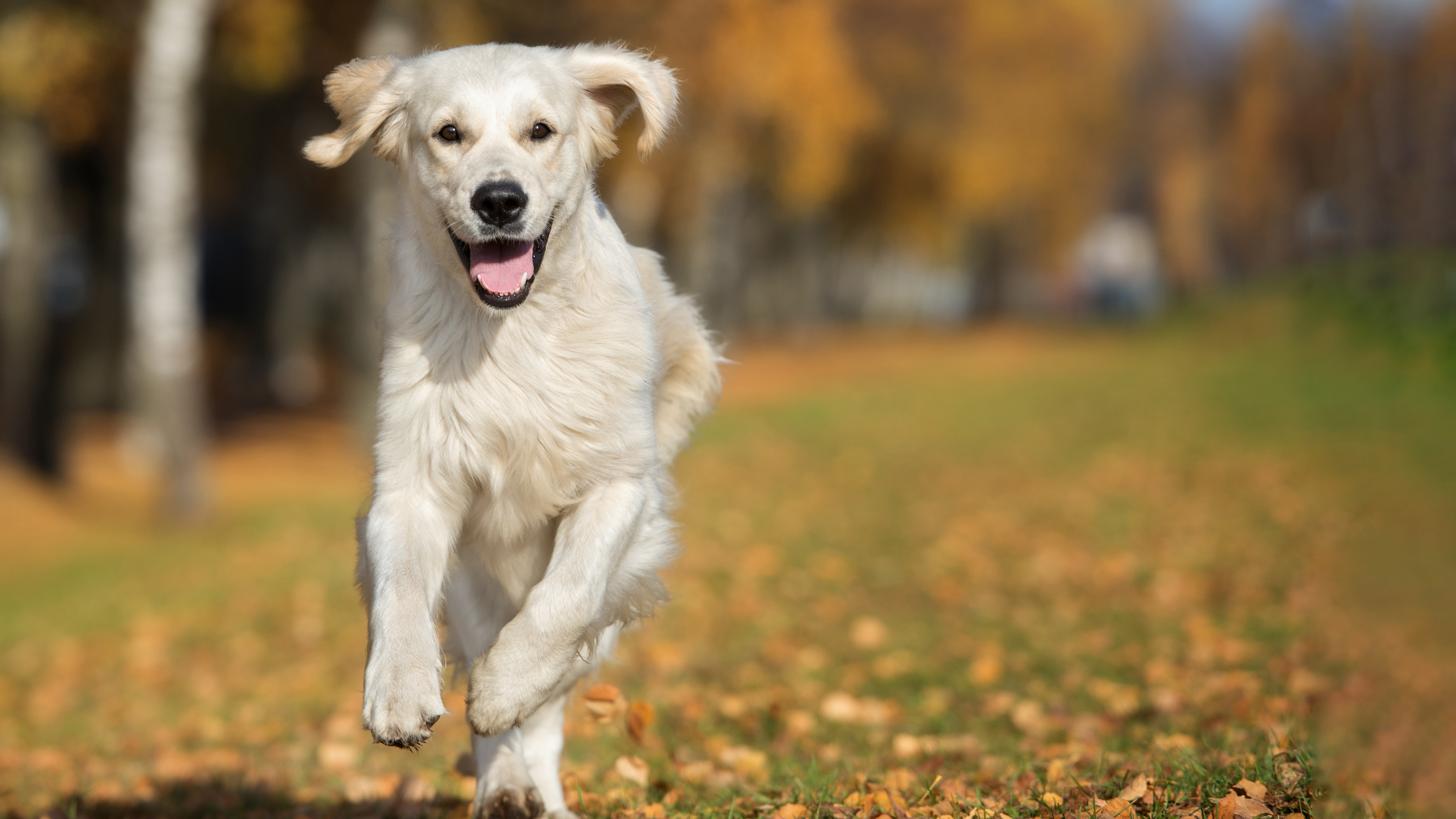
Meet “Buddy,” a spirited Golden Retriever living in a suburban area with winding roads and limited street lighting. His owner, Sarah, was always cautious during their evening walks, but a close call with a speeding car one foggy evening spurred her into action. Sarah invested in a bright, flashing LED collar for Buddy and a reflective vest for herself. She also started using a headlamp. The difference was immediate and palpable.
On their subsequent walks, drivers would spot Buddy’s glowing collar from a much greater distance, often slowing down or giving them a wider berth. Sarah felt a significant reduction in anxiety, knowing that Buddy was no longer a dark silhouette against the night. The headlamp also made her feel more secure navigating darker pathways. This simple change in their routine transformed their nighttime adventures from a source of worry into a source of enjoyment, all thanks to proactive visibility measures.
Tips for Maximizing Safety During Nighttime Dog Walks
Beyond just using lights, consider these additional tips:
- Choose well-lit routes whenever possible.
- Keep your dog on a leash, especially in areas with traffic.
- Be aware of your surroundings and potential hazards.
- Avoid distractions like your phone.
- Consider your dog’s temperament and training. A reactive dog might require extra caution.
- Introduce new lights gradually to your dog to ensure they are comfortable.
- Regularly check your lights to ensure they are functioning correctly and have fresh batteries.
By incorporating these practices, you create a layered approach to safety that complements the effectiveness of your dog walking lights.
Illuminating Peace of Mind
Nighttime dog walks can be a cherished part of a dog owner’s routine, offering a peaceful and often magical experience. However, this beauty comes with inherent risks that cannot be ignored. The essential dog walking lights discussed in this article are not mere accessories; they are vital safety tools that can prevent accidents, enhance visibility, and provide invaluable peace of mind. By understanding the various options, prioritizing key features, and implementing safe walking practices, you can ensure that your nighttime adventures with your canine companion are always safe, enjoyable, and well-lit.
