In the realm of interior design, few pieces of furniture have seen as much transformation as the étagère. This multi-shelf unit, originally designed for displaying decorative items and books, has evolved over centuries to reflect changing tastes and styles. From its roots in the 18th century to its contemporary interpretations, the étagère embodies a fascinating journey of design evolution, merging vintage charm with modern elegance.
A Brief History of the Étagère

The term “étagère” is derived from the French word “étager,” meaning “to put on shelves.” This piece of furniture has its origins in the 18th century, primarily in France, where it was used to display porcelain, books, and other decorative items. The étagère was often characterized by its intricate designs, delicate craftsmanship, and ornate details.
- 18th Century: The earliest étagères were often made of wood and showcased elaborate carvings, reflecting the Rococo style that was popular at the time.
- 19th Century: The Victorian era saw the étagère become more functional, with designs that incorporated storage and display elements, often featuring dark woods and heavy ornamentation.
- 20th Century: The mid-20th century introduced minimalist designs, with the étagère taking on a sleek, streamlined look, aligning with modernist principles.
Vintage Charm: The Classic Étagère
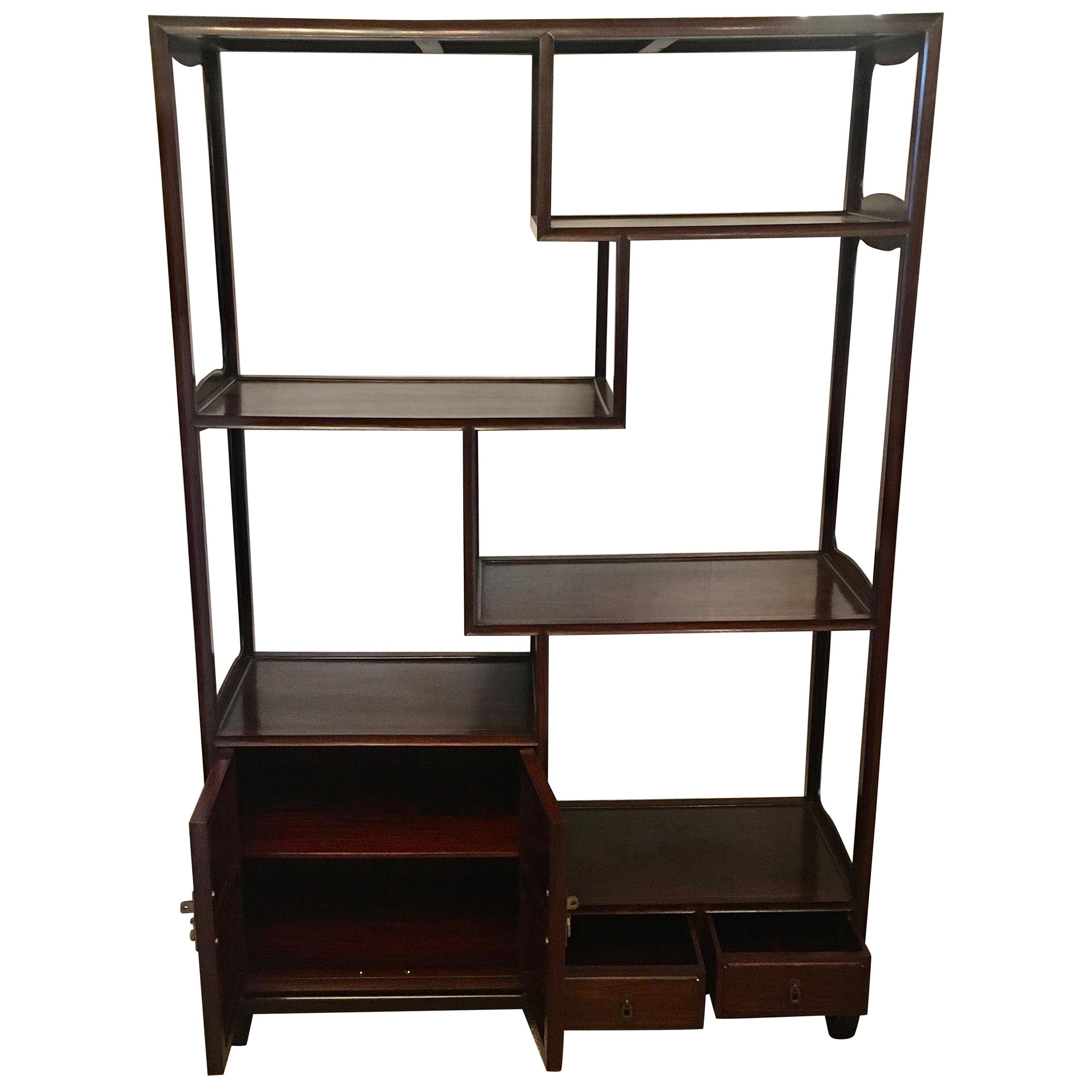
Vintage étagères are celebrated for their charm and character. Often crafted from high-quality materials such as mahogany, walnut, or oak, these pieces reflect the artistry of their time. Antique étagères, particularly those from the Victorian and Edwardian periods, are often adorned with intricate carvings and embellishments.
Examples of vintage étagères include:
- Victorian Étagères: These often featured multiple shelves, ornate moldings, and were designed to display collections of china or books.
- French Louis XVI Style: Characterized by neoclassical elements, these étagères showcased symmetry and elegance, often painted in soft pastels.
- Mid-Century Modern Étagères: These pieces emphasized functionality and simplicity, often made with materials like teak or walnut and featuring clean lines.
As the popularity of vintage étagères grew, so did the interest in upcycling and restoring these classic pieces. Antique shops and online marketplaces, such as Etsy and eBay, have made it easier for vintage enthusiasts to find unique étagères, creating a resurgence in their appeal.
The Shift to Modern Elegance

As design aesthetics shifted towards minimalism and functionality, the étagère underwent significant changes. Modern interpretations prioritize sleek lines, open spaces, and a fusion of materials, moving away from the heavy ornamentation of the past.
- Materials: Modern étagères often incorporate materials like metal, glass, and acrylic, creating a lighter appearance that complements contemporary interiors.
- Design: Contemporary designs emphasize geometric shapes and modular forms, allowing for versatile use in various spaces.
- Functionality: Many modern étagères serve dual purposes, functioning as room dividers or additional storage units, making them ideal for smaller living spaces.
Some notable modern étagère designs include:
- Scandinavian Minimalism: Featuring natural wood finishes and simple lines, these pieces embody the essence of “less is more.”
- Industrial Style: Characterized by metal frames and reclaimed wood shelves, industrial étagères add a raw, urban edge to home decor.
- Mid-Century Modern Revival: A resurgence of interest in mid-century styles has led to new interpretations of classic designs, merging vintage aesthetics with modern functionality.
Case Studies: Successful Integrations of Étagère in Modern Interiors
To illustrate the versatility and appeal of the modern étagère, let’s explore a few case studies of successful integrations in contemporary interior design.
1. Urban Loft Living
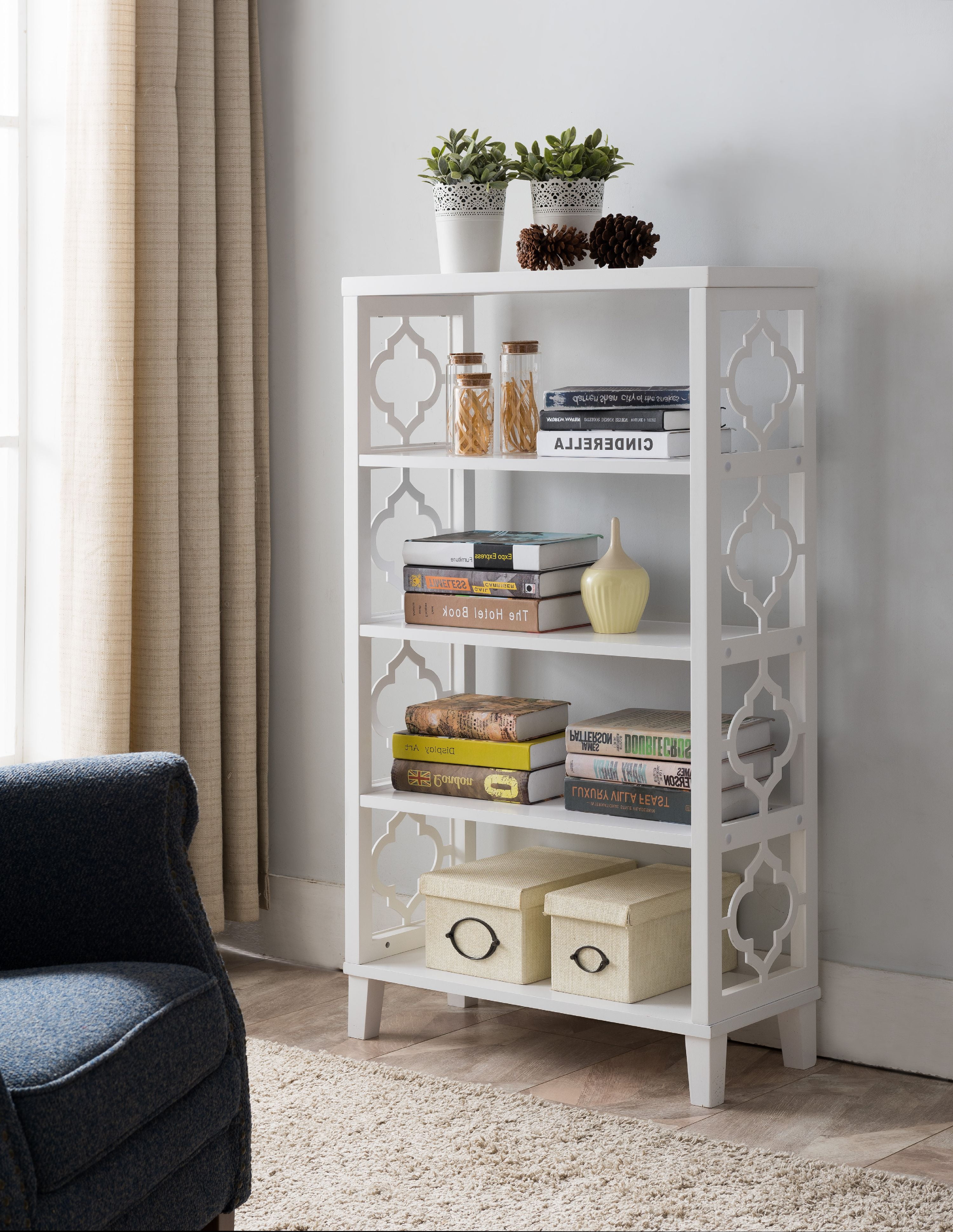
In urban apartments where space is often at a premium, the étagère has become a popular choice for both storage and display. An open-concept loft designed by renowned interior designer Sarah Sherman Samuel incorporated a sleek metal and wood étagère as a room divider. This piece not only provided storage for books and plants but also defined the living area without closing it off.
2. Minimalist Homes
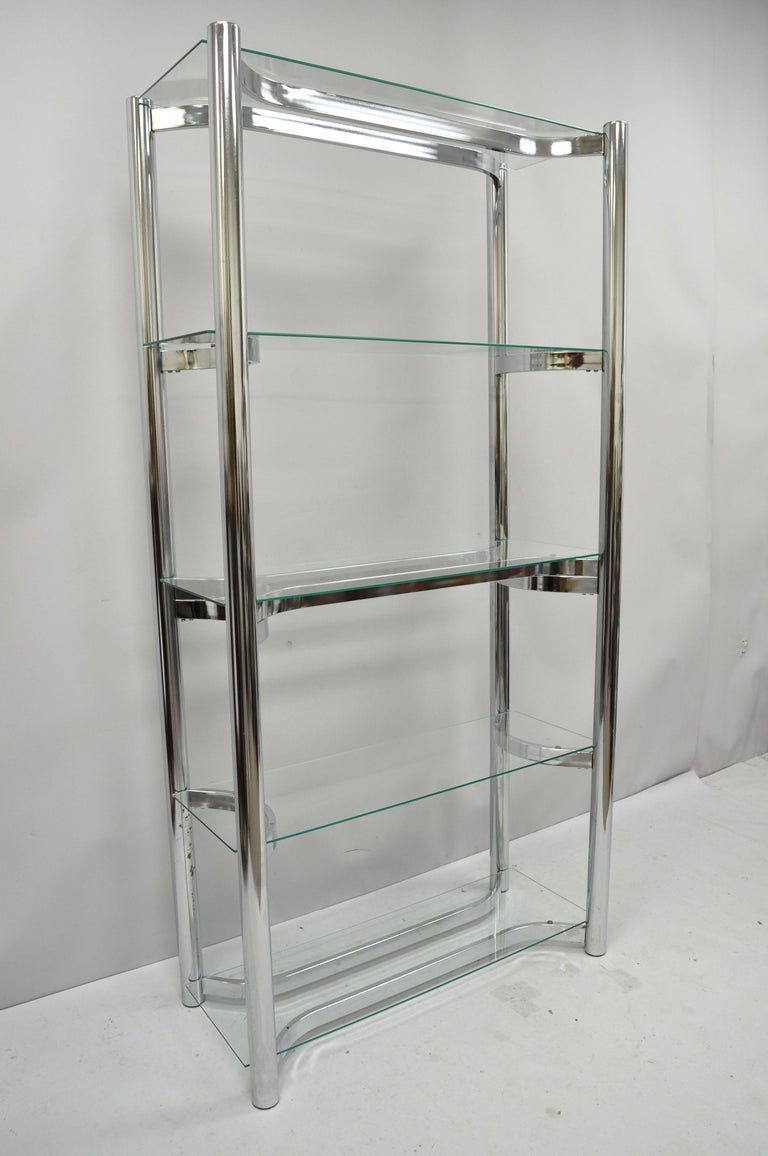
A minimalist home designed by Studio McGee features a glass and metal étagère that elevates the space. Positioned in the living room, the étagère showcases a curated selection of decorative items, adding personality without cluttering the space. The transparency of the glass shelves creates an illusion of openness, aligning perfectly with minimalist principles.
3. Eclectic Interiors
In a vibrant, eclectic home, an antique étagère was restored and painted in a bold color, transforming it into a statement piece. Interior designer Emily Henderson used this étagère to showcase an array of colorful books, art, and collectibles, blending vintage charm with modern vibrancy. This approach highlights the versatility of the étagère, allowing it to adapt to various design styles.
Statistics and Trends in Étagère Popularity

The resurgence of the étagère in modern design can be quantified through various trends and statistics:
- Increased Sales: According to a report by Grand View Research, the global furniture market is expected to reach $650 billion by 2027, with shelf units like étagères driving significant growth.
- Social Media Influence: Platforms like Instagram and Pinterest have seen a 60% increase in posts featuring étagères in the last year alone, indicating a growing trend among home decorators and influencers.
- Sustainability Focus: The rise of sustainable living has led to increased interest in upcycled and vintage furniture, with étagères being a popular choice for eco-conscious consumers.
The evolution of the étagère from vintage charm to modern elegance reflects broader trends in interior design and lifestyle. As a versatile piece of furniture, the étagère has adapted to meet the needs of contemporary living while retaining its timeless appeal. Whether as a functional storage solution or a decorative display, the étagère continues to inspire creativity and innovation in home decor. Embracing both its historical roots and modern interpretations, the étagère stands as a testament to the beauty of design evolution, proving that some pieces never go out of style.
