Dragons, those magnificent, often terrifying, reptilian behemoths of myth and legend, have long captivated the human imagination. From the fiery breath of Smaug to the wise counsel of Shenron, their presence permeates our stories, art, and even our language. But their influence extends far beyond mere entertainment. Dragons, in their myriad forms, are deeply embedded in the fabric of our cultures, shaping our values, anxieties, and aspirations in ways we often fail to recognize. This article explores the hidden presence of dragons, revealing how these mythical creatures have become powerful archetypes that continue to mold our world.
From Ancient Fears to Modern Fantasies: The Evolution of the Dragon
The dragon is not a monolithic entity. Its form and symbolism have evolved dramatically across different cultures and historical periods. Understanding this evolution is key to appreciating their enduring cultural impact.
Serpentine Terrors of the Ancient World
In many early civilizations, dragons were primarily viewed as monstrous forces of chaos and destruction. In Mesopotamia, Tiamat, a primordial goddess depicted as a sea dragon, represented the untamed forces of creation and the abyss. Similarly, in ancient Greece, the Hydra, a multi-headed serpent, embodied the overwhelming challenges that heroes had to overcome. These early dragons were often guardians of sacred places or embodiments of natural disasters, reflecting humanity’s struggle to understand and control the unpredictable forces of nature.
Even in biblical narratives, dragons or serpent-like creatures like Leviathan symbolize immense power and opposition to divine order. The dragon in the Book of Revelation is a potent symbol of evil and defiance against God.
The Auspicious Dragon of the East
Contrastingly, in East Asian cultures, particularly China, the dragon (Lóng) is a benevolent and auspicious symbol. Unlike their Western counterparts, these dragons are often depicted as serpentine creatures with avian and mammalian features, commanding the elements, especially water and rain. They are associated with:
- Good fortune and prosperity
- Power and strength
- Wisdom and longevity
- Imperial authority
The dragon remains a potent symbol of Chinese identity and heritage. The “Dragon Dance,” a vibrant tradition performed during festivals like Lunar New Year, is a testament to its positive cultural resonance, believed to bring good luck and ward off evil spirits. The concept of “Longma jingjing” (dragon-horse spirit) embodies vigorous energy and remarkable talent.
The Medieval Dragon: A Symbol of Evil and the Hero’s Challenge

During the Middle Ages in Europe, the dragon re-emerged as a primary antagonist in Christian mythology and folklore. It became a potent symbol of Satan and heresy, a monstrous embodiment of sin that needed to be vanquished by virtuous knights. The legend of Saint George slaying the dragon is perhaps the most iconic example, representing the triumph of good over evil, faith over paganism.
This imagery cemented the dragon’s role as a formidable adversary in tales of chivalry and romance, setting the stage for its enduring portrayal as the ultimate challenge for heroes in countless stories.
Dragons in Modern Storytelling: More Than Just Monsters
The 20th and 21st centuries have witnessed a resurgence and diversification of dragon portrayals in literature, film, and gaming. While some retain their monstrous nature, many have taken on more complex and nuanced roles.
The Rise of the Sympathetic Dragon
Modern fantasy literature has explored the concept of dragons as intelligent, sentient beings capable of complex emotions and relationships. J.R.R. Tolkien’s Smaug, while undeniably greedy and dangerous, is a character with depth, driven by his obsession with treasure. More recently, works like Anne McCaffrey’s “Dragonriders of Pern” series and Christopher Paolini’s “Inheritance Cycle” have depicted dragons as loyal companions and integral partners to humans, fostering a sense of mutual respect and interdependence.
These sympathetic portrayals challenge the simplistic good-versus-evil dichotomy, allowing for exploration of themes like prejudice, understanding, and the nature of power. Dragons become metaphors for the “other,” prompting readers to question their own biases and assumptions.
Dragons as Metaphors for Power and Responsibility
Even when portrayed as antagonists, modern dragons often serve as potent metaphors for overwhelming power that must be understood and managed. In the “Game of Thrones” series, Daenerys Targaryen’s dragons are instruments of immense destruction but also symbols of her lineage and her potential to reclaim a lost throne. Their growth and control become central to her character arc, highlighting the heavy responsibility that comes with wielding such power.
The economic impact of dragon-themed media is also significant. The “How to Train Your Dragon” franchise, for instance, has generated billions of dollars through films, TV shows, and merchandise, demonstrating the continued commercial appeal and cultural penetration of dragon narratives. Data from Statista shows the global merchandise market for popular animated franchises, where dragon-themed properties consistently rank high.
The Language of Dragons: Echoes in Our Everyday Lives
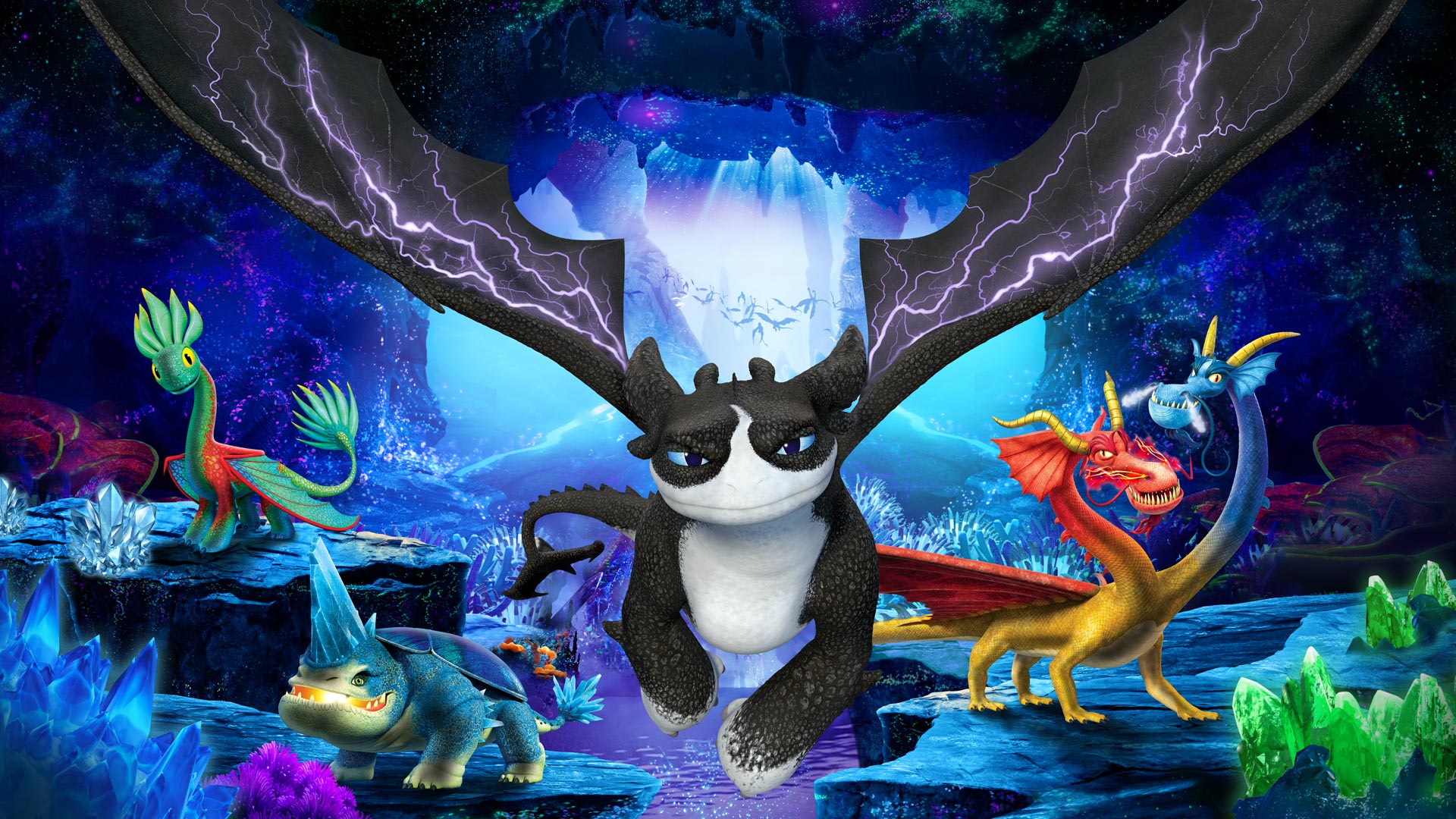
Our fascination with dragons has even seeped into our language, leaving subtle imprints on how we express ourselves.
Idioms and Expressions
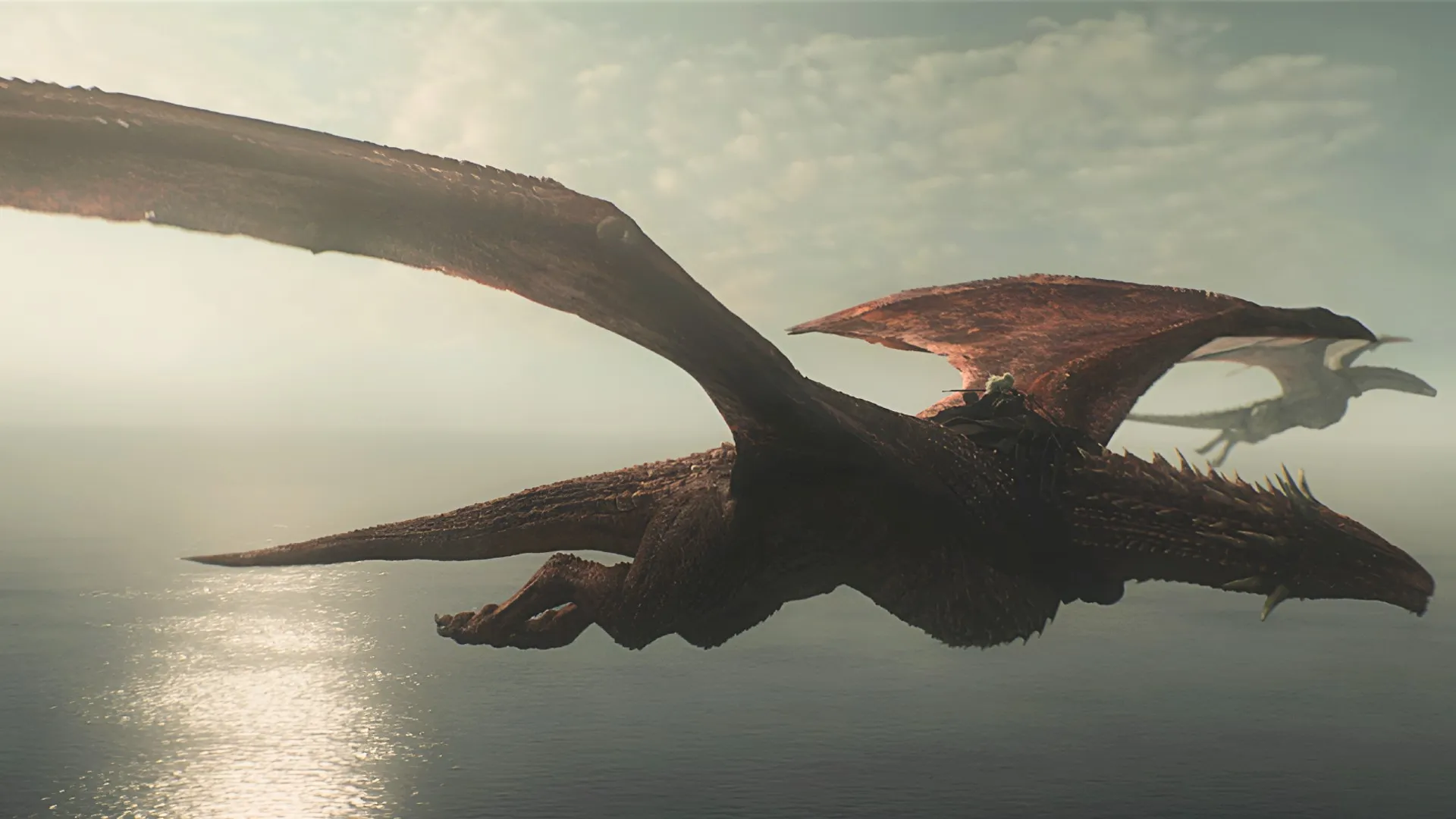
Many common idioms and expressions are rooted in dragon lore, often reflecting their perceived characteristics:
- “Dragon’s den”: Refers to a dangerous or intimidating place.
- “Chasing the dragon”: A slang term for drug addiction, alluding to the elusive and destructive pursuit.
- “To throw down the gauntlet”: While not directly dragon-related, it evokes the warrior spirit often associated with dragon-slaying tales.
- “Dragon’s breath”: Can refer to extremely hot liquor or a sharp, fiery exhalation.
These phrases, often used without conscious thought of their origin, demonstrate the deep integration of dragon symbolism into our collective consciousness.
Cultural Values and Aspirations
The archetypal dragon, whether feared or revered, embodies certain fundamental human desires and anxieties. The Western dragon often represents the ultimate challenge, urging us to confront our fears, develop courage, and strive for mastery. The Eastern dragon, conversely, symbolizes harmony, prosperity, and the pursuit of good fortune, reflecting a desire for balance and abundance.
When we admire a powerful and majestic dragon in a story, we are often admiring qualities we aspire to: strength, resilience, wisdom, and the ability to overcome adversity. Conversely, when we fear a destructive dragon, we are confronting our own anxieties about chaos, loss, and the unknown.
Case Study: Dragons in Video Games – An Interactive Cultural Canvas
Video games have become a significant medium for dragon representation, offering interactive experiences that allow players to engage with these creatures on a visceral level.
From Boss Battles to Companions
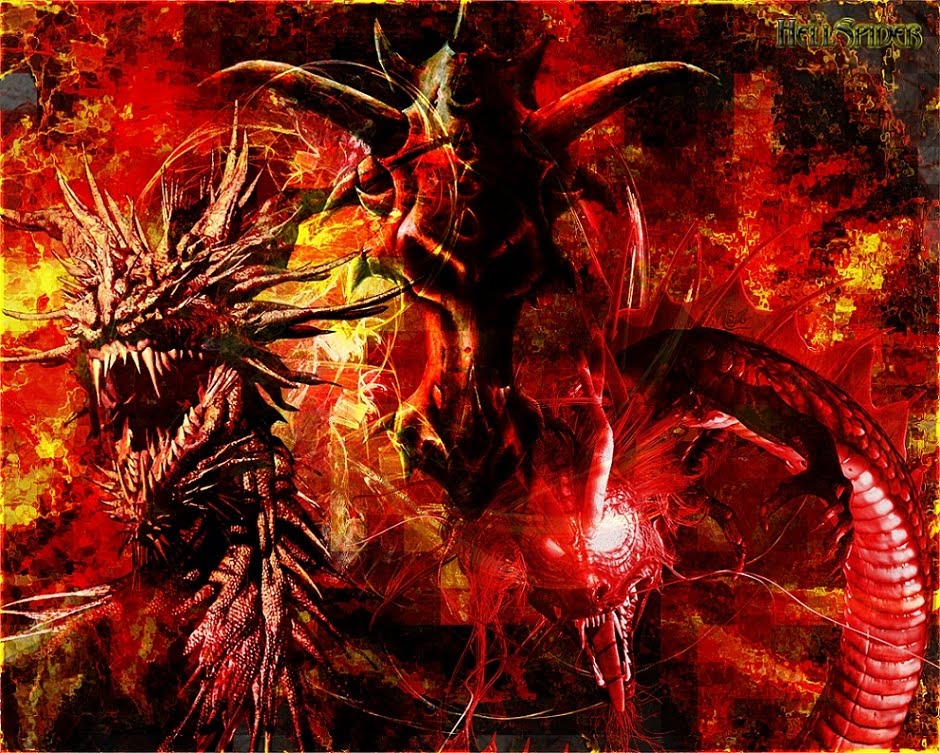
Iconic games like “The Elder Scrolls V: Skyrim” feature epic dragon battles that are central to the player’s journey and the game’s lore. The player, as the “Dragonborn,” has a unique connection to dragons, blending the thrill of combat with a sense of destiny. Similarly, “Dragon Age: Inquisition” features massive dragon encounters that require strategic planning and teamwork, solidifying the dragon as a formidable, albeit often heroic, force.
On the other hand, games like “Monster Hunter” allow players to hunt and harness the power of dragon-like creatures, exploring themes of resourcefulness and adaptation. The “Spyro the Dragon” series offers a lighter, more whimsical take, with a young dragon protagonist whose adventures emphasize exploration and problem-solving.
Statistics on Gaming and Dragon Popularity

The popularity of dragon-themed games is undeniable. As of 2023, the “Monster Hunter” franchise has sold over 90 million units worldwide. “Skyrim,” released in 2011, continues to be a best-seller, with over 60 million units sold across all platforms. These figures highlight the immense commercial success and widespread appeal of interactive dragon narratives, demonstrating their power to engage diverse audiences.
The Enduring Legacy of Dragon Mythology
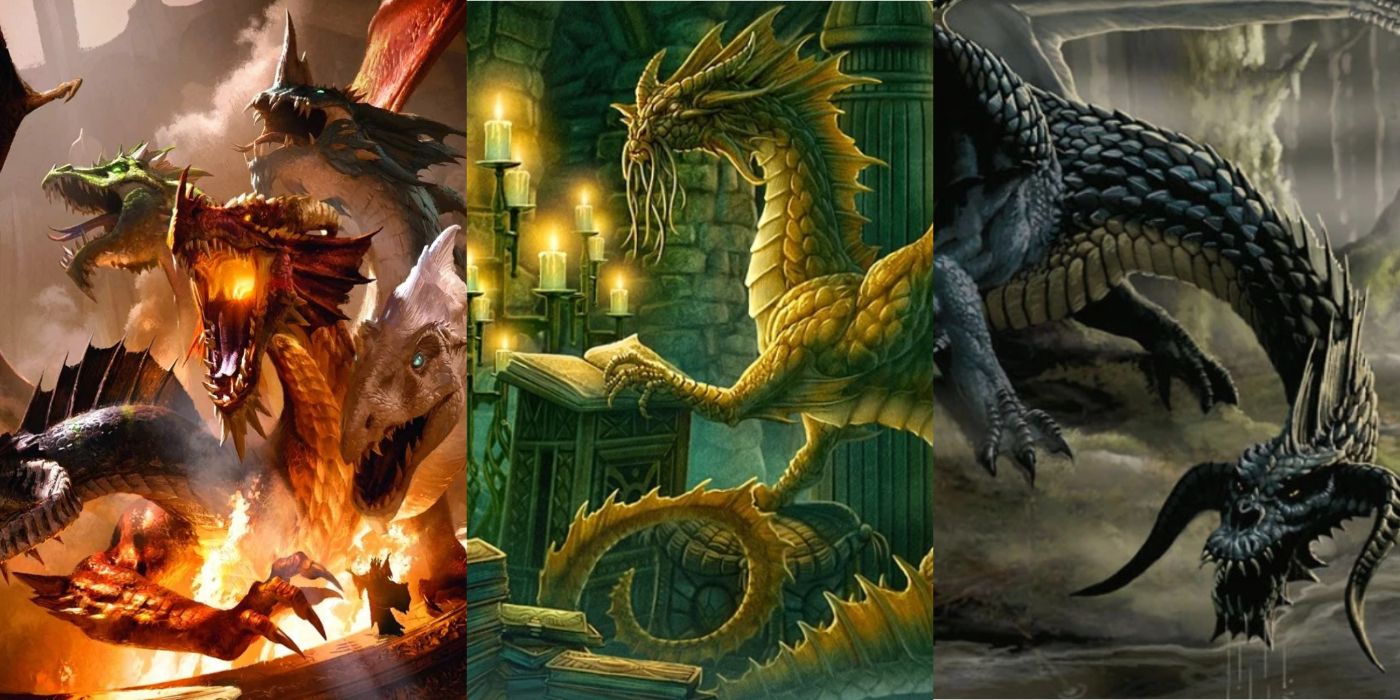
The hidden presence of dragons in our culture is a testament to their enduring power as archetypes. They are more than just mythical beasts; they are mirrors reflecting our deepest fears and highest aspirations.
Dragons as Symbols of Transformation
Across cultures, dragons often represent transformation. The shedding of scales, the emergence from eggs, and the mastery of elements all speak to processes of change and rebirth. This resonates with our own human journeys of growth, adaptation, and overcoming personal challenges.
The Future of Dragon Lore
As our understanding of the world evolves, so too will the ways in which we interpret and portray dragons. Future narratives might explore dragons in even more complex ecological contexts, as symbols of environmental conservation, or as metaphors for emerging technologies. The adaptability of the dragon myth ensures its continued relevance.
From the ancient fears of chaotic forces to the modern marvel of intelligent, empathetic companions, dragons have been a constant, albeit often unseen, presence shaping our cultural landscape. They have provided us with powerful metaphors for good and evil, for power and responsibility, for challenge and triumph. The language we speak, the stories we tell, and even the games we play are all touched by the enduring legacy of these magnificent creatures. By understanding the deep roots of dragon mythology, we gain a richer appreciation for the very threads that weave together the tapestry of human culture and imagination.
