Cooking a perfect roast is a culinary art that combines technique, timing, and the right tools. One such tool that has gained popularity in recent years is the indoor fireplace grate. This article will explore various cooking techniques for roasting with fireplace grates, providing you with a comprehensive guide to achieving that perfectly cooked roast, whether it’s for a special occasion or a cozy family dinner.
Understanding the Basics of Roasting

Roasting is a dry heat cooking method that uses an oven or an open flame. It’s a popular technique for cooking meats, vegetables, and even fruits. The goal is to develop rich flavors through caramelization and the Maillard reaction, which occurs when proteins and sugars undergo chemical reactions at high temperatures.
When using an indoor fireplace grate, you are essentially creating a small oven environment that can enhance these roasting qualities. Here are some key concepts to understand:
- Direct Heat vs. Indirect Heat: Direct heat cooks food quickly and is ideal for searing, while indirect heat allows for slow cooking, which is crucial for larger cuts of meat.
- Moisture Control: Maintaining moisture in the cooking environment helps to keep the roast tender and juicy. Techniques like using a water pan can assist with this.
- Temperature Monitoring: Using a meat thermometer is essential for ensuring your roast reaches the desired doneness without overcooking.
Setting Up Your Indoor Fireplace Grate
Before you begin roasting, it’s crucial to set up your fireplace grate properly. Here’s how to maximize its potential:
- Clean the Grate: Ensure that the grate is clean and free from any leftover ash or debris from previous fires.
- Positioning: Place your grate in the center of the fireplace to allow for even heat distribution.
- Fuel Choice: Use hardwood logs for a steady, hot burn. Avoid softwoods, as they can produce too much smoke and creosote.
- Use a Heat Shield: If your fireplace has a lot of heat coming from the front, consider using a heat shield to deflect some heat towards the back, ensuring even cooking.
Selecting the Perfect Roast
Choosing the right cut of meat is crucial for a successful roast. Here are some popular options:
- Prime Rib: Known for its tenderness and rich flavor, prime rib is a classic choice for special occasions.
- Pork Loin: This cut is versatile and can be seasoned in various ways, making it suitable for different tastes.
- Whole Chicken: Roasting a whole chicken can be a family favorite, providing both meat and crispy skin.
- Leg of Lamb: This cut is perfect for a unique flavor profile and pairs beautifully with herbs.
Preparing Your Roast: Seasoning and Marinating
The preparation of your roast can significantly affect the final flavor. Here are some effective techniques:
- Dry Rubs: A mixture of salt, pepper, and various spices can create a flavorful crust. Common spices include garlic powder, paprika, and rosemary.
- Marinades: Marinating your meat for several hours (or overnight) can infuse it with flavor. A simple marinade might include olive oil, vinegar, and herbs.
- Brining: For poultry, brining can help retain moisture. A simple brine consists of water, salt, and sugar.
Cooking Techniques: The Roasting Process

With your fireplace grate ready and your roast prepared, the next step is the cooking process. Here are some techniques to follow:
1. Preheat Your Fireplace
Just like an oven, preheating your fireplace is essential. Allow the fire to burn down until you have a good bed of coals. This will provide a consistent heat source for roasting.
2. Searing the Meat

For larger cuts of meat, start by searing the outside over direct heat. This creates a delicious crust and locks in juices:
- Place the roast on the grate and let it sear for 2-3 minutes on each side.
- Use long-handled tongs to turn the meat safely.
3. Roasting with Indirect Heat
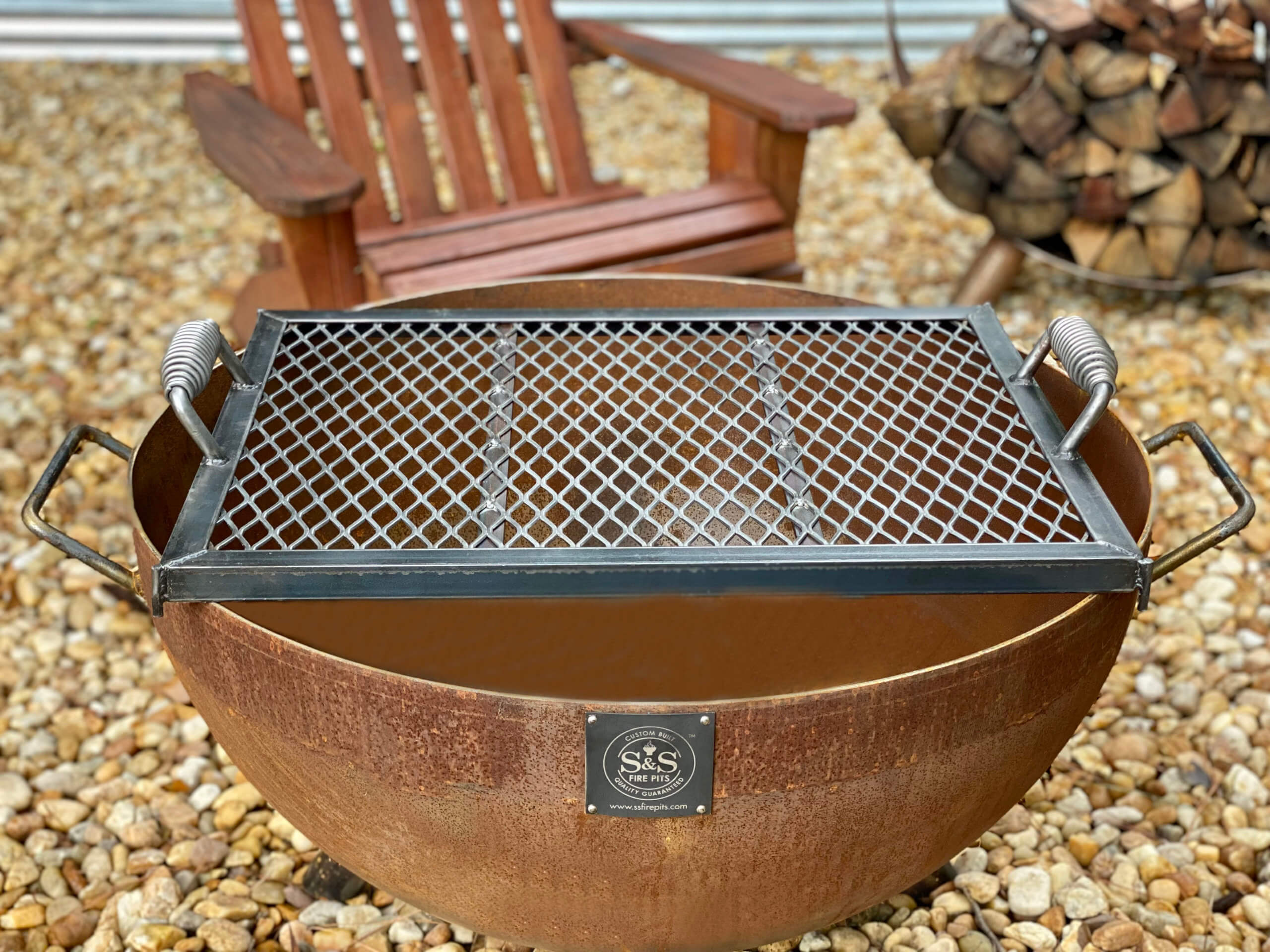
After searing, move the roast to the cooler side of the grate for indirect cooking:
- Position a drip pan underneath the roast to catch juices and prevent flare-ups.
- Monitor the temperature closely, adjusting the fire as necessary to maintain a steady cooking temperature.
4. Basting
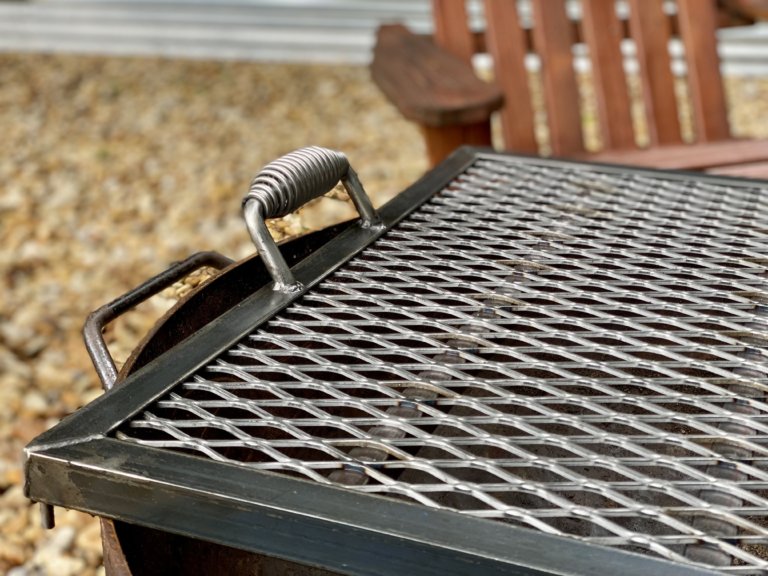
Basting your roast every 30 minutes helps keep it moist. Use the juices collected in the drip pan or a simple mixture of broth and butter.
5. Checking Doneness
Use a meat thermometer to check for doneness:
- Rare: 125°F (52°C)
- Medium Rare: 135°F (57°C)
- Medium: 145°F (63°C)
- Medium Well: 150°F (66°C)
- Well Done: 160°F (71°C)
Serving and Enjoying Your Roast
Once your roast has reached the desired temperature, remove it from the fire and let it rest for at least 15-20 minutes. This resting period allows the juices to redistribute, resulting in a more tender and flavorful roast.
While the roast rests, you can prepare complementary sides such as roasted vegetables, mashed potatoes, or a fresh salad. A well-rounded meal enhances the experience of your perfectly cooked roast.
Conclusion: Mastering the Perfect Roast

Roasting with an indoor fireplace grate can elevate your culinary skills and provide a unique cooking experience. By understanding the fundamentals of roasting, selecting the right cut of meat, and mastering the techniques outlined in this article, you can achieve that perfect roast every time. Remember to preheat, sear, baste, and monitor the temperature closely. With practice, you’ll be able to impress your family and friends with a beautifully cooked roast that showcases your skills and creativity in the kitchen.
So gather your ingredients, set up your fireplace grate, and embark on the delicious journey of mastering the perfect roast!
