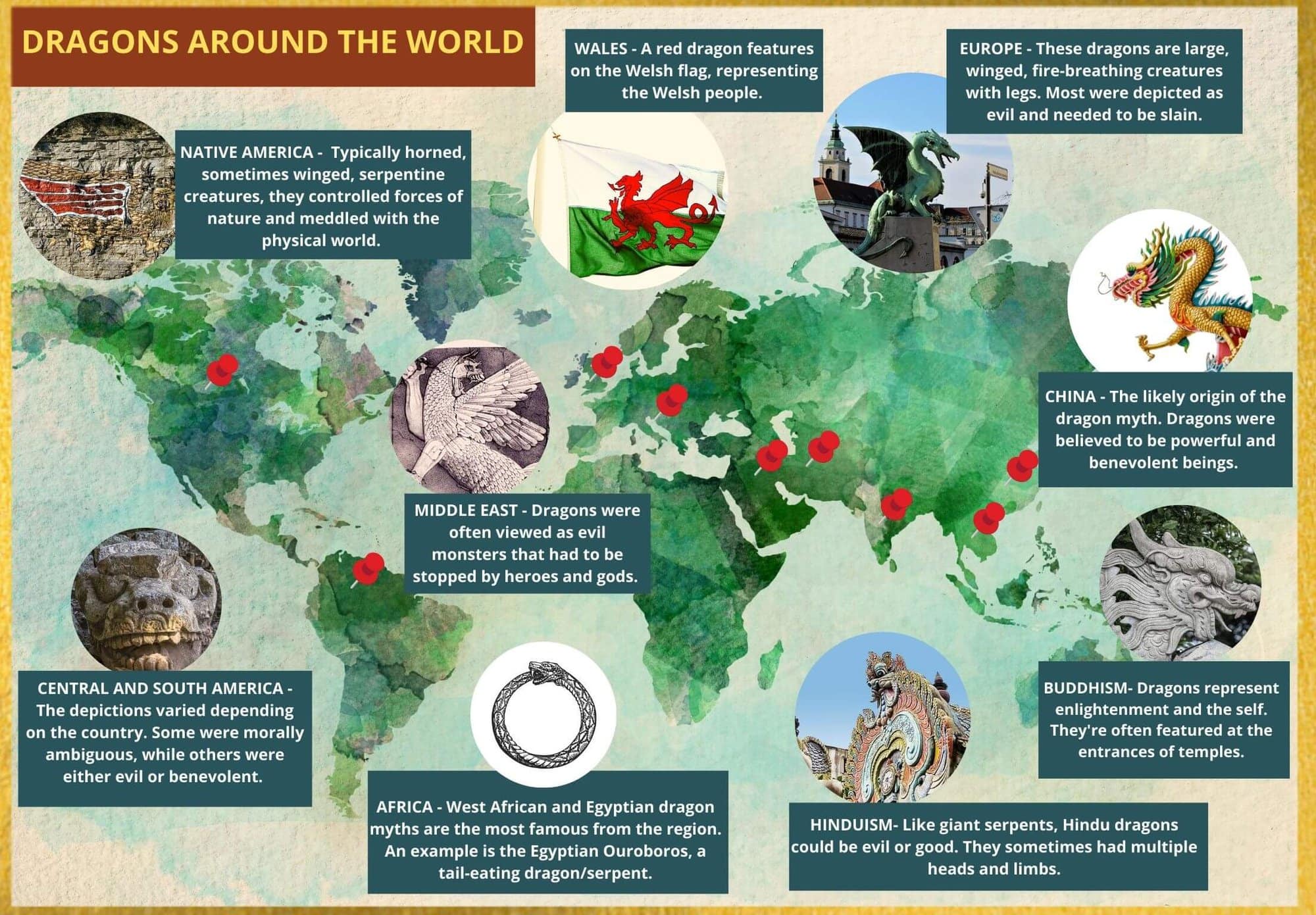
Dragons. The very word conjures images of colossal, fire-breathing reptiles soaring through ancient skies, their scales shimmering like jewels, and their roars echoing through mountain passes. For millennia, these magnificent creatures have dominated human folklore, appearing in the myths and legends of virtually every culture on Earth. From the benevolent, wise dragons of East Asian traditions to the fearsome, hoard-guarding beasts of European tales, their ubiquity is undeniable. But are dragons merely products of unbridled human imagination, or could there be a scientific basis for these enduring myths? This article delves into the realm of scientific plausibility, exploring potential real-life inspirations and the biological and geological phenomena that might have fueled the dragon legend.
From Folklore to Fossil: The Paleontological Connection

One of the most compelling theories regarding the origin of dragon myths centers on the discovery of ancient fossils. For early humans, unburdened by the scientific understanding we possess today, the unearthed bones of colossal extinct creatures would have been a profound and terrifying discovery. Imagine stumbling upon the massive skeleton of a dinosaur or a prehistoric mammal. Without context, such finds could easily be interpreted as the remains of monstrous beings that once roamed the Earth.
When Giants Walked the Earth
The discovery of dinosaur fossils, in particular, offers a potent explanation. Throughout history, and even today in some regions, paleontological sites have yielded immense skeletons. These ancient bones, often partially exposed by erosion, could have been seen as evidence of gigantic, reptilian entities. Consider the discovery of *Megalosaurus* in 17th-century England. While now recognized as a dinosaur, early interpretations could have leaned towards more mythical explanations.
- Size and Scale: The sheer immensity of dinosaur fossils, such as the sauropods, would have been awe-inspiring. The thigh bone of a *Brachiosaurus*, for instance, can be taller than a human.
- Reptilian Features: Many dinosaurs possessed reptilian characteristics – scales, claws, and powerful jaws – aligning perfectly with the visual descriptions of dragons.
- Predatory Nature: The fossil record also reveals evidence of fierce predators like *Tyrannosaurus Rex*. The idea of a powerful, carnivorous beast hunting across the land is a recurring theme in dragon lore.
It’s not just dinosaurs. The discovery of large prehistoric mammal fossils, such as woolly mammoths or giant sloths, might have also contributed. Their formidable size and peculiar features could have been interpreted through a mythical lens.
Case Study: The “Dragon Bone” Discoveries

Throughout history, numerous cultures have unearthed large fossilized bones, often labeling them as “dragon bones.” In ancient China, fossilized remains, likely of rhinoceroses and other large mammals, were ground into powders and used in traditional medicine, believed to possess dragon-like healing properties. Similarly, in medieval Europe, large fossilized bones found in caves were often attributed to dragons. The famous legend of Saint George slaying a dragon is often interpreted as a symbolic representation of humanity overcoming primal forces, which could have been inspired by the discovery of large, ancient animal remains.
The Fiery Breath: Exploring Biological Mechanisms
The most iconic attribute of many dragons is their ability to breathe fire. While seemingly impossible from a biological standpoint, science offers several intriguing, albeit speculative, avenues for how such a phenomenon might manifest, or at least how it could have been perceived.
Chemical Warfare in Nature
Nature is replete with examples of organisms employing potent chemical defenses. The bombardier beetle, for instance, is a remarkable case study. When threatened, it sprays a boiling, noxious chemical mixture onto its attacker. This mixture is created by combining two separate chemicals stored in different internal sacs. The reaction is exothermic, generating heat and a forceful expulsion of spray.
- Biochemical Reactions: Similar, albeit far more complex, biochemical processes could hypothetically be the inspiration for fire-breathing. An organism might evolve to store two or more reactive chemicals that, when mixed, combust or produce intense heat.
- Methane Production: Some animals, like cows and termites, produce methane gas as a byproduct of digestion. While not inherently flammable in its gaseous state without an ignition source, a concentrated expulsion of flammable gas, combined with a spark mechanism, could theoretically lead to a brief flame.
- Bioluminescence and Heat: While not directly fire-breathing, some deep-sea creatures exhibit bioluminescence, producing light through chemical reactions. It’s a stretch, but imagine a hypothetical creature that could also generate intense heat through a similar but more aggressive biochemical pathway.
The key challenge here is the sheer quantity of fuel required and the protective mechanisms needed to prevent the creature from burning itself. However, evolution is a relentless innovator, and the pressure of predation could drive the development of extraordinary survival strategies.
The Spark of Inspiration: Ignition Sources
Even with flammable chemicals, an ignition source is crucial for fire. Here too, nature offers potential parallels:
- Electric Eels: These aquatic creatures can generate significant electrical charges, powerful enough to stun prey or deter predators. A hypothetical terrestrial creature could potentially develop a similar bio-electrical organ to create a spark.
- Frictional Ignition: The act of rubbing two materials together can generate heat and, under the right conditions, ignite. While difficult to imagine in a biological context for sustained fire, short bursts of flame from internal friction are not entirely outside the realm of biological possibility if the right materials were involved.
The most plausible scenario for fire-breathing might involve a combination of storing flammable chemicals and a dedicated mechanism for ignition. This creature would need highly specialized adaptations for its mouth and throat to withstand such extreme temperatures and chemical reactions.
Giants of the Sky and Sea: Inspirations from Existing Fauna
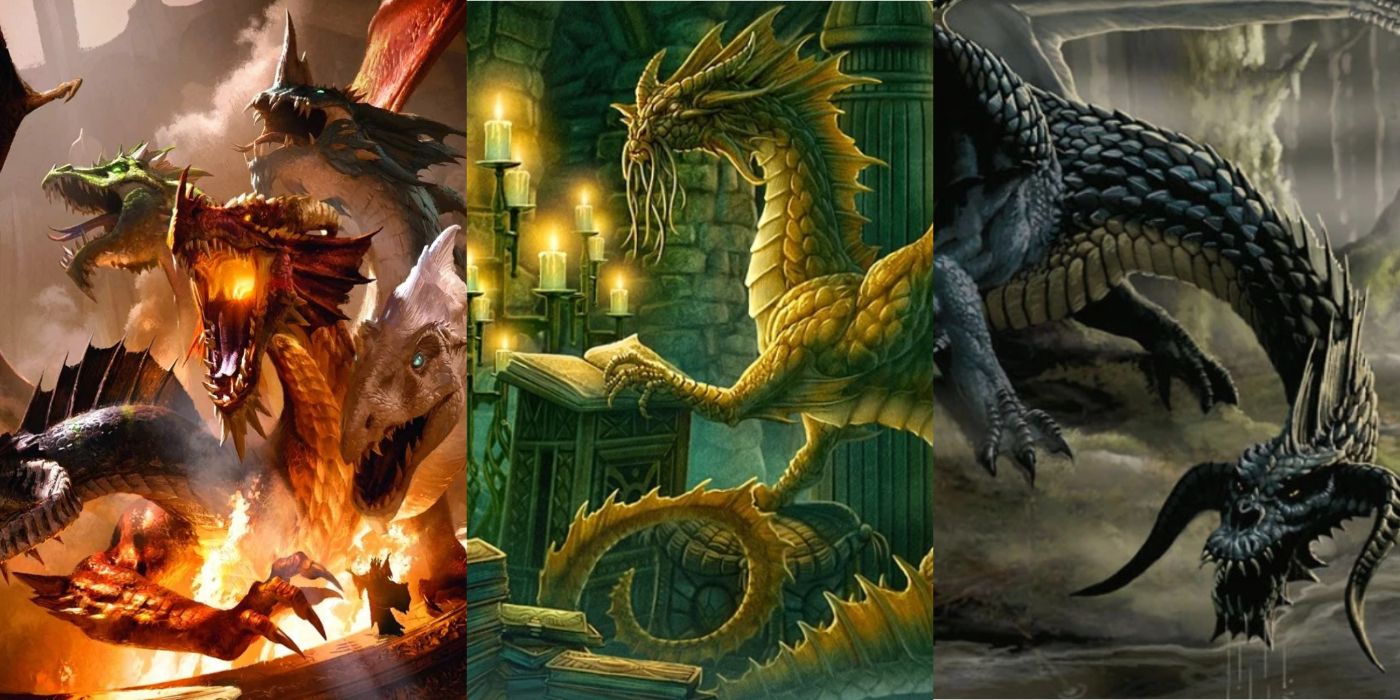
Beyond fossils and hypothetical biology, the natural world itself offers a wealth of inspiration for dragon-like creatures, even if they lack the mythical powers.
Flying Reptiles and Giant Birds
The long-extinct pterosaurs, with their vast wingspans and reptilian bodies, bear a striking resemblance to the winged dragons of Western mythology. Creatures like *Quetzalcoatlus*, with a wingspan estimated to be over 10 meters, would have been truly awe-inspiring sights in the prehistoric skies. While they didn’t breathe fire, their sheer size and reptilian appearance would have been a significant influence on early human perceptions.
Giant birds of prey, while not reptilian, also contribute to the dragon archetype. The colossal Roc of Arabian Nights, a bird so large it could carry elephants, taps into the primal fear and wonder associated with immense flying predators. The Haast’s Eagle of New Zealand, which preyed on the flightless Moa, was one of the largest eagles to ever exist, reaching up to 15 kg. Such apex predators would have instilled a sense of awe and terror in early human observers.
Serpents of the Deep
The immense sea serpents of legend, often depicted as dragon-like entities dwelling in the ocean’s depths, could have been inspired by encounters with large marine life. Whales, colossal squid, and even large schools of fish moving in unison could create the illusion of a single, gargantuan creature. The legendary Kraken, a creature of immense size and power, is often attributed to sightings of giant squid or perhaps even hallucinations brought on by extreme conditions at sea.
Geological Phenomena: The Earth’s Fiery Breath

The “fire-breathing” aspect of dragons could also be a metaphorical interpretation of powerful geological events.
Volcanic Fury
Volcanoes, with their fiery eruptions, spewing molten rock, ash, and toxic gases, are a potent and terrifying force of nature. For ancient civilizations living in proximity to volcanic activity, these spectacles would have been nothing short of the wrath of gods or the manifestations of monstrous beings. The image of a volcano spewing fire and smoke could easily be translated into a fire-breathing dragon.
- Lava Flows: The molten rock flowing down a volcano’s slopes resembles a fiery tongue, a characteristic often attributed to dragons.
- Volcanic Ash Clouds: The massive ash clouds that billow from eruptions can resemble smoky breath, further solidifying the connection.
- Geothermal Vents: In some regions, naturally occurring geothermal vents release hot steam and gases. In a less scientifically inclined era, these could have been perceived as the exhalations of subterranean creatures.
The earth’s raw power, manifested through volcanoes, provides a tangible and awe-inspiring connection to the mythical dragon’s destructive capabilities.
Methane Pockets and Natural Gas Explosions
In certain geological formations, pockets of natural gas, primarily methane, can accumulate underground. If ignited by lightning or other natural phenomena, these could lead to sudden and dramatic explosions. Indigenous communities living in areas with such geological features might have witnessed these events, interpreting them as the fiery breaths of unseen entities lurking beneath the earth.
The Psychology of Fear and Awe
Beyond tangible inspirations, the enduring power of dragon myths also lies in their psychological resonance. Dragons embody primal fears and desires. They represent the untamed, the powerful, and the unknown. Their depiction often taps into:
- Fear of the Wild: Dragons can symbolize the dangers of the natural world, the predators that lurked beyond the safety of the campfire.
- The Power of Nature: Their immense strength and destructive potential mirror the awe-inspiring and terrifying forces of nature like storms and earthquakes.
- Desire for Control: The act of slaying a dragon in many myths represents humanity’s triumph over chaos and adversity, a narrative that resonates deeply.
- Guardians and Hoarders: The association of dragons with treasure reflects a human fascination with wealth and the desire to protect what is valuable, often through force.
The archetypal nature of the dragon allows it to adapt and persist across cultures and time periods, resonating with fundamental human emotions and experiences.
While dragons as depicted in myth may not have walked the Earth in reality, the science behind their enduring legend is a fascinating tapestry woven from paleontology, biology, geology, and human psychology. The colossal bones of extinct creatures, the ingenious chemical defenses of nature, the awe-inspiring scale of existing fauna, and the terrifying power of geological events all contribute to the rich wellspring of inspiration that fueled dragon myths across the globe. These tales, born from a desire to explain the unexplainable and to confront the primal fears and wonders of the world, continue to captivate our imaginations. The science of dragons, therefore, is not about debunking myth, but about understanding the profound ways in which humanity has observed, interpreted, and ultimately immortalized the extraordinary forces and creatures that have shaped our planet and our understanding of it.
