In the ever-evolving landscape of interior design, where trends come and go with the seasons, certain materials and furniture pieces possess an enduring appeal. Among these steadfast favorites, the mango wood coffee table stands out, exuding a unique blend of natural beauty, craftsmanship, and versatility that transcends fleeting fads. More than just a surface for your morning brew or evening reads, a mango wood coffee table is a statement piece, a conversation starter, and a testament to sustainable living and artisanal skill.
The Allure of Mango Wood: A Symphony of Natural Qualities
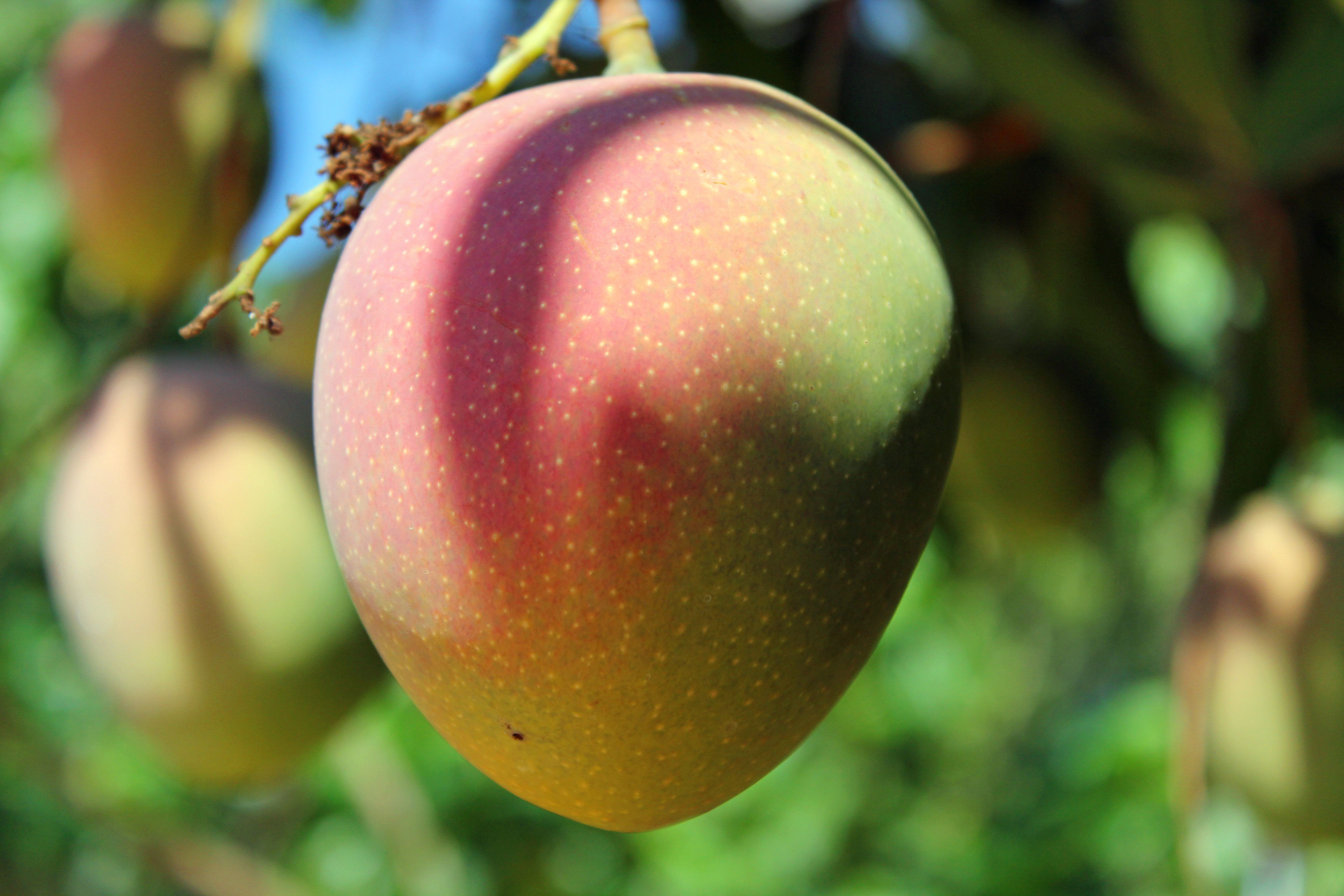
Mango wood, derived from the mango tree (Mangifera indica), has steadily risen in popularity within the furniture industry, and for good reason. Its inherent qualities make it an exceptional choice for coffee tables, offering a compelling alternative to more conventional hardwoods.
A Rich Tapestry of Grain and Color

One of the most striking features of mango wood is its inherent visual richness. Each piece of mango wood boasts a unique grain pattern, characterized by flowing lines, knots, and variations in color. This natural variation ensures that no two mango wood coffee tables are exactly alike, imbuing each piece with its own distinct personality and story. The color palette of mango wood can range from pale golden hues to deeper browns with reddish undertones, often exhibiting a beautiful contrast and depth.
Consider the case of sustainable furniture brands that actively promote the use of mango wood. Companies like The Citizenry and West Elm often highlight the “one-of-a-kind” nature of their mango wood pieces, emphasizing the artisanal approach to sourcing and crafting. This appeals to consumers who are increasingly seeking furniture that reflects individuality and a connection to natural materials.
Durability and Resilience: A Long-Term Investment
Beyond its aesthetic appeal, mango wood is renowned for its durability and resilience. While it is considered a hardwood, it is generally lighter than oak or mahogany, making it easier to move and handle. Its density allows it to withstand daily wear and tear, resisting scratches and dents better than softer woods. This makes it an ideal material for a high-traffic item like a coffee table.
Statistics from woodworking guilds and furniture associations consistently point to mango wood’s comparable hardness and stability to other popular hardwoods. This means a well-maintained mango wood coffee table can last for generations, becoming an heirloom piece that tells the story of your family’s history.
Sustainability: A Conscious Choice
In an era where environmental consciousness is paramount, the sustainability of furniture materials is a significant consideration. Mango trees are primarily grown for their fruit, and once their fruit-bearing years decline, the wood is harvested for lumber. This makes mango wood a by-product of the agricultural industry, preventing waste and offering an eco-friendly alternative to virgin timber. This practice aligns perfectly with the principles of circular economy and responsible consumption.
A study by the Forest Stewardship Council (FSC) indicated a significant increase in the demand for certified sustainable hardwoods, with mango wood increasingly being recognized as a responsible choice. Furniture retailers that prioritize FSC-certified mango wood are not only offering beautiful products but also contributing to responsible forest management.
Designing with Mango Wood Coffee Tables: Versatility Redefined
The inherent beauty and adaptability of mango wood make it a perfect canvas for a wide array of design styles. Whether your home leans towards minimalist chic, rustic charm, bohemian eclecticism, or contemporary sophistication, a mango wood coffee table can seamlessly integrate and elevate your décor.
Rustic and Farmhouse Charm
The natural grain patterns and sometimes rustic finishes of mango wood lend themselves beautifully to farmhouse and rustic aesthetics. A chunky, solid mango wood coffee table with visible knots and a slightly distressed finish can become the anchor of a cozy living room, complementing elements like linen upholstery, woven baskets, and wrought iron accents.
Imagine a living room featuring a reclaimed-style mango wood coffee table with metal detailing. Paired with a plush, neutral-toned sofa and a hand-knitted throw, it creates an inviting and warm ambiance that embodies the essence of rustic comfort. This style is particularly popular in regions with a strong connection to nature and traditional crafts.
Mid-Century Modern Elegance
For those who appreciate the clean lines and organic forms of mid-century modern design, mango wood offers a perfect fit. Its warm tones and subtle grain can complement the characteristic tapered legs, geometric patterns, and a blend of natural and man-made materials that define this era. A mango wood coffee table with a streamlined silhouette and minimalist hardware can add a touch of organic warmth to a mid-century-inspired space.
Think of a low-profile mango wood coffee table with a kidney-shaped top and slender, angled legs. This design evokes the iconic furniture of the 1950s and 60s, bringing a sense of retro sophistication to contemporary living spaces. Brands specializing in mid-century replicas often incorporate mango wood for its aesthetic and structural integrity.
Bohemian Rhapsody

The bohemian style thrives on individuality, texture, and a free-spirited vibe. Mango wood coffee tables, with their inherent uniqueness and often hand-carved details, are a natural fit for this eclectic aesthetic. A mango wood coffee table with intricate carvings, a live-edge finish, or a vibrant painted detail can become a focal point in a bohemian living room, surrounded by an assortment of patterned rugs, textured cushions, and globally inspired artifacts.
Picture a coffee table featuring a hand-inlaid mosaic design on its surface or a set of carved legs inspired by tribal art. These pieces, crafted from mango wood, add an artisanal and worldly charm that is central to the bohemian ethos. Online marketplaces like Etsy are replete with examples of such unique, handcrafted mango wood coffee tables.
Contemporary Minimalism
Even in the realm of minimalist design, mango wood can find its place. A simple, unadorned mango wood coffee table with a smooth, polished finish and clean, geometric lines can provide a grounding element of natural warmth to a predominantly neutral palette. The subtle variations in the wood grain prevent the space from feeling sterile, adding a touch of organic sophistication.
Consider a rectangular mango wood coffee table with a matte finish and concealed storage drawers. Its understated elegance complements minimalist décor, offering functionality without compromising on aesthetic purity. This approach highlights the beauty of the material itself, allowing it to speak for its design.
Caring for Your Mango Wood Coffee Table: Preserving Its Timeless Beauty
While mango wood is durable, like any natural material, it benefits from proper care to ensure its longevity and maintain its inherent charm. Simple, consistent maintenance will keep your coffee table looking its best for years to come.
Daily Care and Cleaning
For everyday spills and dust, a soft, damp cloth is usually sufficient. Avoid abrasive cleaners or harsh chemicals, as these can damage the wood’s finish and dull its natural sheen. For more stubborn marks, a mild soap solution can be used, followed by a thorough wipe down with a clean, damp cloth and then dried immediately.
Protection from Heat and Moisture
While mango wood is relatively resistant to moisture, it’s always wise to use coasters for hot or cold beverages to prevent water rings and heat damage. Trivets should also be used for hot dishes. Similarly, avoid placing your coffee table in direct sunlight for extended periods, as this can cause the wood to fade and dry out.
Occasional Conditioning
To maintain the richness and prevent the wood from drying out, occasional conditioning with a good quality furniture polish or beeswax is recommended. This replenishes the natural oils in the wood and provides an extra layer of protection. Always test any polish or conditioner on an inconspicuous area of the table first.
Repairing Minor Imperfections
Minor scratches or scuffs can often be addressed with wood repair markers or touch-up pens that match the color of your mango wood. For deeper gouges, professional restoration may be necessary, but the inherent beauty of mango wood often means that minor imperfections add to its character rather than detract from it.
The Enduring Appeal: Why Mango Wood Coffee Tables Remain a Coveted Choice

In conclusion, the timeless charm of mango wood coffee tables lies in a harmonious confluence of factors. They represent a conscious choice towards sustainability, a celebration of natural artistry, and a versatile design element that adapts to diverse interior styles. The inherent beauty of their unique grain patterns, coupled with their robust durability, ensures that a mango wood coffee table is not merely a piece of furniture but a lasting investment in both style and substance.
The market statistics for sustainable furniture continue to show robust growth, with consumers increasingly prioritizing ethically sourced and environmentally friendly options. Mango wood coffee tables perfectly align with this growing demand, offering a beautiful and responsible choice for conscious homeowners. Their ability to blend seamlessly with various décor trends, from rustic farmhouse to sleek contemporary, solidifies their position as a perpetually relevant and desirable piece for any living space.
