In today’s fast-paced and collaborative work environment, office design plays a pivotal role in enhancing productivity and creativity. One of the most innovative trends that have emerged in modern office spaces is the use of whiteboard walls. These versatile surfaces not only serve a practical purpose but also foster an environment conducive to brainstorming and collaboration. In this ultimate guide, we will explore the benefits, design considerations, and best practices for implementing whiteboard wall designs in your office.
Understanding the Benefits of Whiteboard Walls
Before diving into the design aspects, it’s essential to understand why whiteboard walls have become a popular choice for offices. Here are some key benefits:
- Enhanced Collaboration: Whiteboard walls facilitate group brainstorming sessions, allowing teams to visualize ideas and concepts collectively.
- Increased Creativity: The freedom to sketch, write, and erase promotes a culture of creativity and innovation among employees.
- Improved Communication: Visual aids help convey complex ideas more effectively, reducing misunderstandings and promoting clarity in discussions.
- Space Optimization: Instead of traditional whiteboards that occupy floor space, whiteboard walls maximize vertical space, making them ideal for smaller offices.
According to a recent survey by Steelcase, 90% of employees believe that a collaborative work environment enhances their productivity. This statistic underscores the importance of incorporating features like whiteboard walls into office design.
Types of Whiteboard Wall Materials
When considering whiteboard walls, the material you choose can significantly impact usability and aesthetics. Here are some popular options:
- Paint: Whiteboard paint transforms any wall into a writable surface. This option is cost-effective and customizable, allowing for large areas to be covered.
- Glass Boards: Glass whiteboards offer a sleek, modern look and are easy to clean. They are available in various colors and sizes and provide a durable writing surface.
- Magnetic Whiteboard Panels: These panels can be mounted on walls and allow for the attachment of magnetic accessories, making them versatile for various office needs.
- Vinyl Whiteboard Wallpaper: This is an easy-to-apply option that can be customized with different designs and is suitable for temporary installations.
Design Considerations for Whiteboard Walls
Designing an effective whiteboard wall requires careful consideration of several factors:
1. Location and Accessibility

The placement of your whiteboard wall is crucial. Consider the following:
- Position the wall in a high-traffic area to encourage collaboration.
- Ensure it is easily accessible to all team members, including those with disabilities.
- Consider proximity to power sources if you plan to integrate technology.
2. Size and Scale
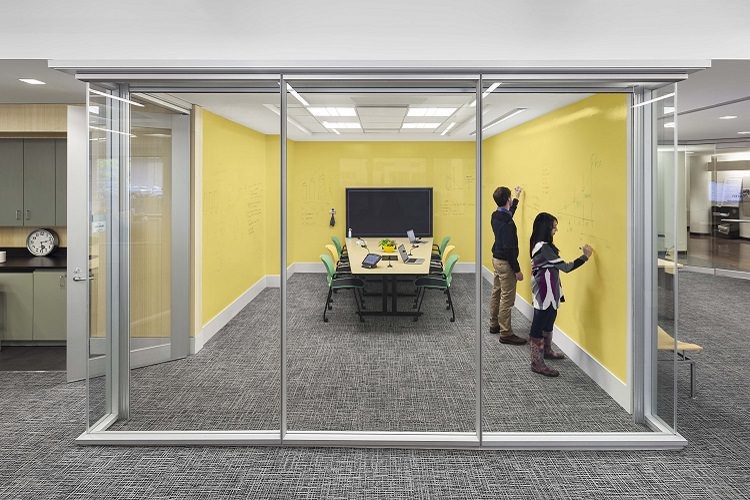
The size of the whiteboard wall should align with the office’s needs:
- Large walls are ideal for brainstorming sessions, while smaller surfaces may suffice for quick notes and reminders.
- Consider your office layout. An oversized whiteboard may feel overwhelming in a small space.
3. Aesthetic Integration
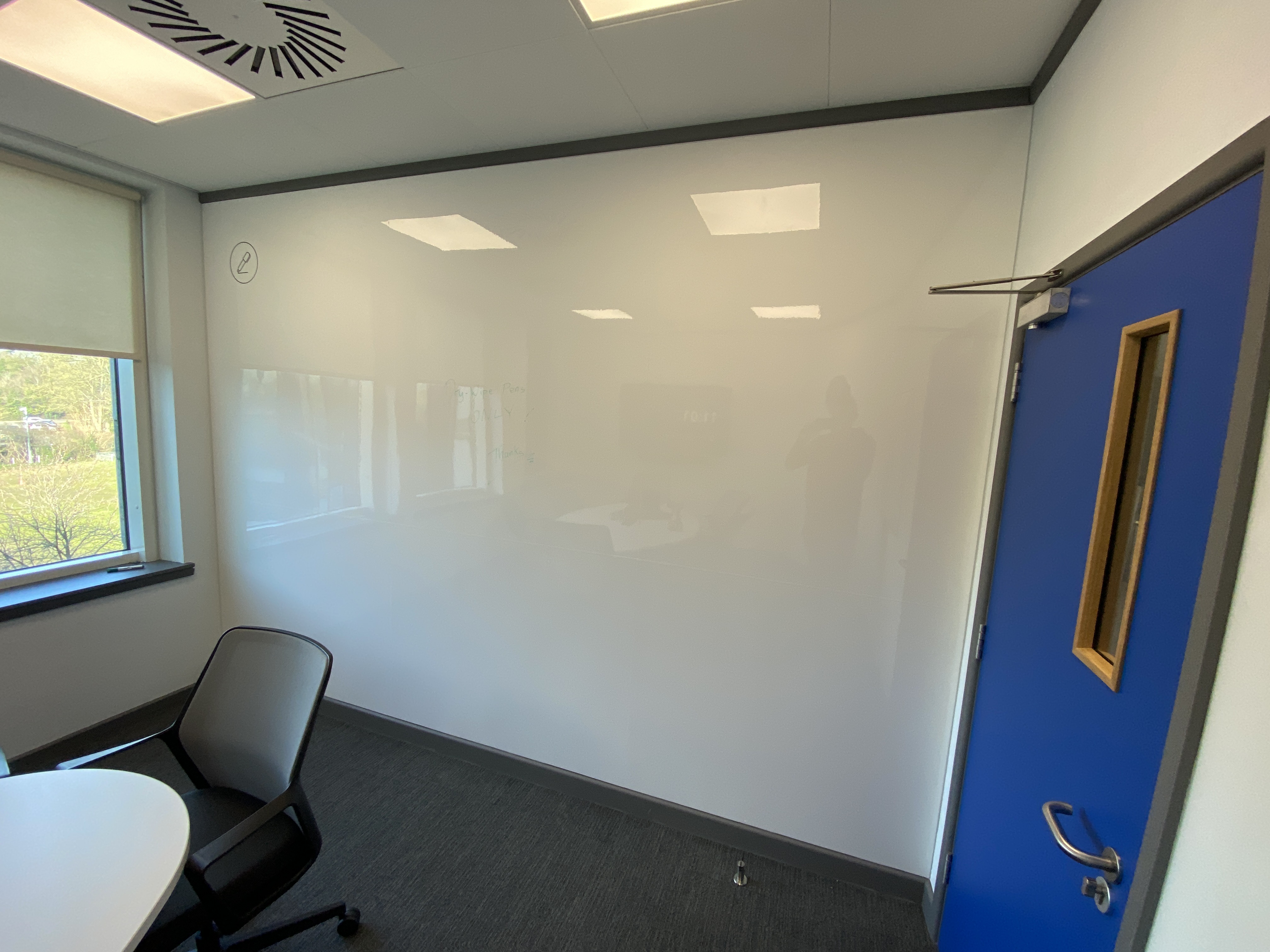
Whiteboard walls should complement the overall office design:
- Choose colors and finishes that align with your branding.
- Incorporate design elements that enhance the visual appeal, such as frames or surrounding decor.
- Consider using different wall sections for various functions (e.g., a space for updates, brainstorming, and project timelines).
Best Practices for Using Whiteboard Walls
Once you have designed and installed your whiteboard wall, it’s essential to maximize its effectiveness. Here are some best practices:
1. Regular Maintenance
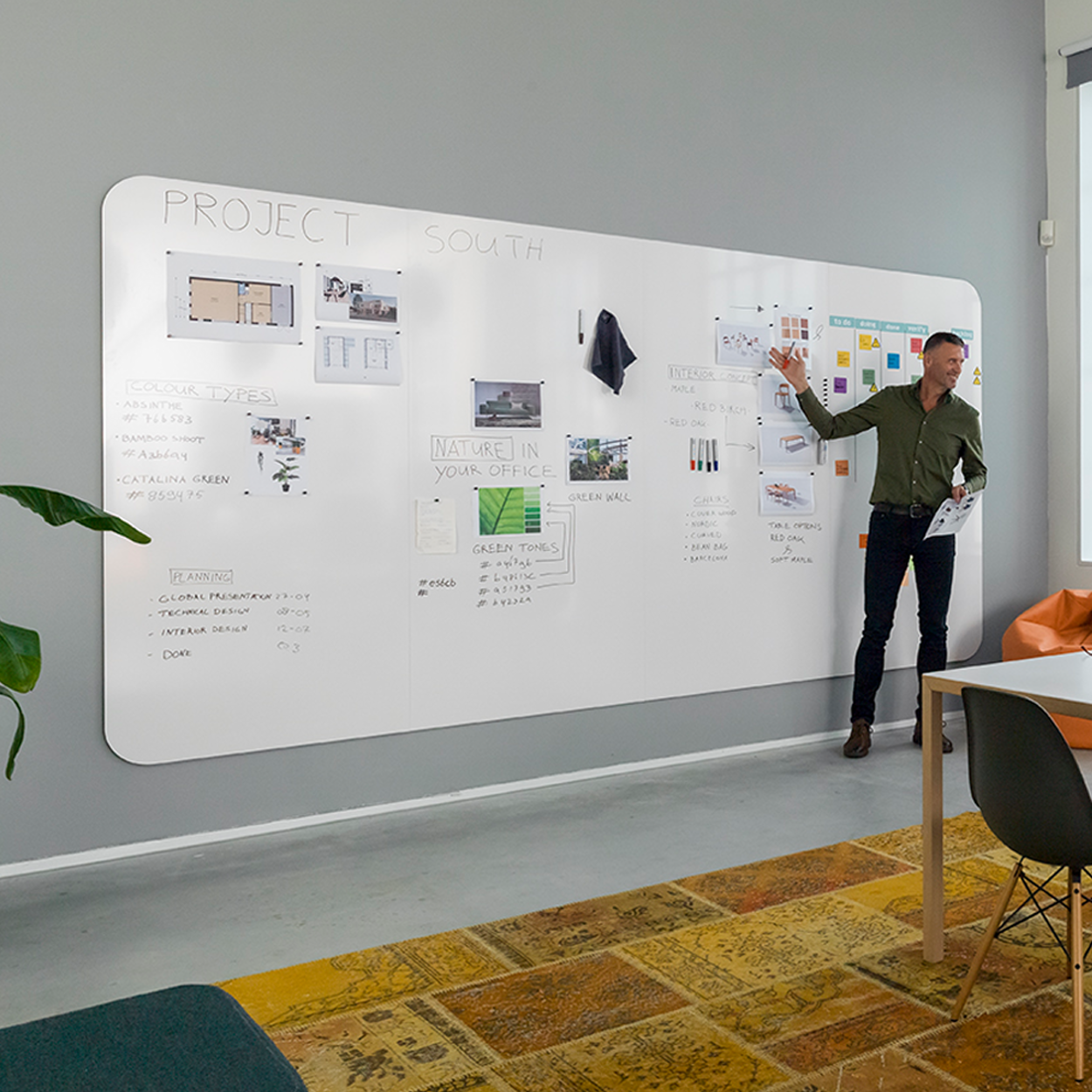
To keep your whiteboard wall in optimal condition:
- Use quality markers that are specifically designed for whiteboards to prevent staining.
- Clean the surface regularly with appropriate cleaners to avoid ghosting.
- Instruct employees on proper usage to preserve the wall’s longevity.
2. Encourage Usage
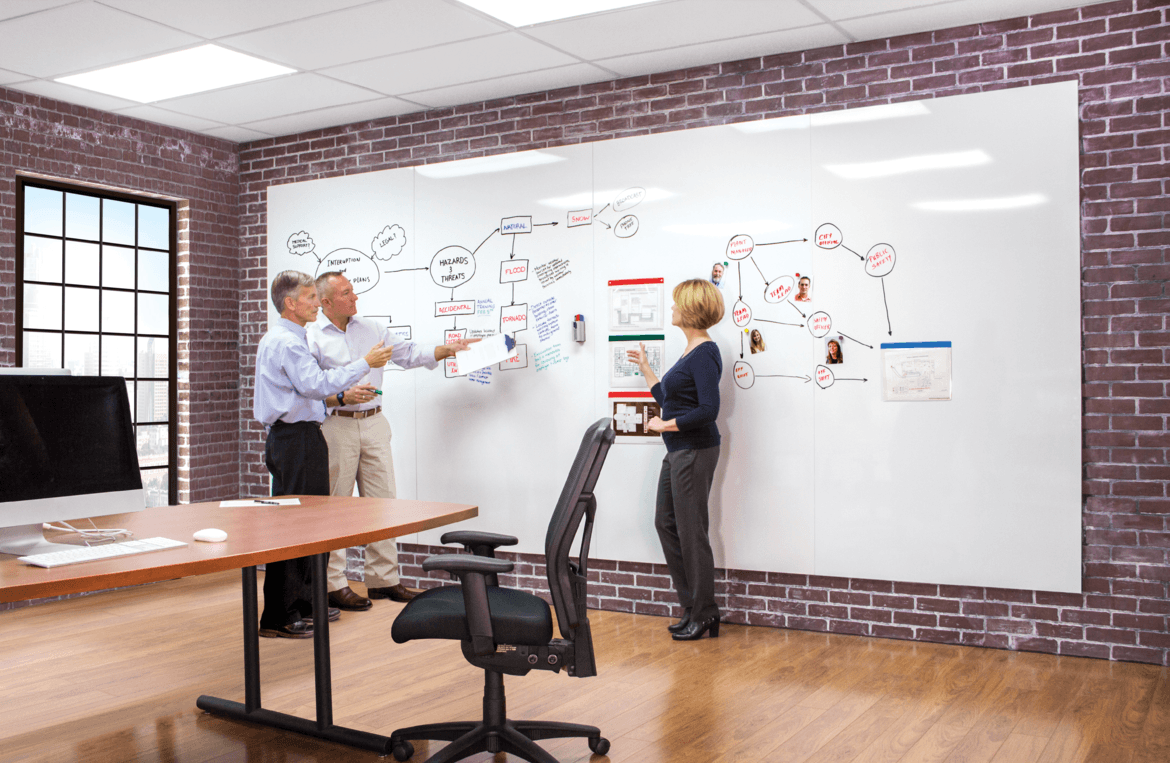
Promote a culture of collaboration by:
- Organizing brainstorming sessions and workshops utilizing the whiteboard wall.
- Creating a dedicated space for project tracking and team goals.
- Encouraging employees to share ideas and feedback on the wall regularly.
3. Incorporate Technology
Enhance your whiteboard wall with the integration of technology:
- Consider using smart whiteboards that can save and share content digitally.
- Integrate projectors or screens nearby for presentations and visual aids.
- Utilize apps that allow team members to contribute ideas digitally, which can then be displayed on the wall.
Case Studies: Successful Whiteboard Wall Implementations
To illustrate the impact of whiteboard walls, let’s explore a couple of case studies:
1. Google’s Creative Workspaces

Google’s offices are renowned for their unique and collaborative work environments. In their New York City office, they have implemented large whiteboard walls that span entire rooms, facilitating open brainstorming sessions. Employees are encouraged to utilize these walls for creative expression, leading to innovative product ideas and solutions.
2. IDEO’s Design Process
IDEO, a global design company, uses whiteboard walls extensively in their project rooms. These walls are filled with sketches, user insights, and design iterations, enabling teams to visualize the design process. This practice has resulted in a more dynamic and engaging work environment, enhancing their creative output and collaboration.
Statistics Supporting Whiteboard Wall Effectiveness
Numerous studies highlight the effectiveness of collaborative environments and tools like whiteboard walls:
- A study by the Harvard Business Review found that teams who engage in collaborative brainstorming outperform individualistic approaches by 20%.
- Research from the University of Texas indicated that visual aids significantly enhance learning and retention, which is applicable in office settings as well.
- According to a survey by Wainhouse Research, companies that foster collaborative cultures see a 30% increase in employee satisfaction and retention.
Conclusion: The Future of Office Design with Whiteboard Walls
Incorporating whiteboard walls into office design is not just a trend; it represents a shift towards more collaborative and creative work environments. The benefits of enhanced collaboration, increased creativity, and improved communication make whiteboard walls an essential feature in modern offices. By carefully considering materials, design elements, and best practices, organizations can create spaces that foster innovation and productivity.
As we move forward, the integration of technology and the promotion of a collaborative culture will further enhance the effectiveness of whiteboard walls. Organizations that embrace these innovative design strategies will not only improve employee satisfaction but also drive success in an increasingly competitive marketplace.
In summary, whiteboard walls are more than just writable surfaces; they are tools for collaboration, creativity, and communication that can transform the way teams work together. Embrace the possibilities of whiteboard wall design, and watch your office culture thrive.
