Duck fishing, a term that might raise an eyebrow or two amongst seasoned anglers, refers to the art of strategically attracting and catching ducks, primarily for observation, photography, or in some traditional hunting contexts, for sustenance. While the term “fishing” might be a playful misnomer, the principles of understanding your quarry, employing effective techniques, and respecting the environment are very much akin to successful angling. In this in-depth guide, we’ll delve into the top 5 tips to truly master the duck fishing game, transforming you from a casual observer into a knowledgeable and successful enthusiast.
Understanding Your Prey: The Foundation of Success
Before you even think about setting out decoys or mastering calls, the most crucial element of duck fishing is a profound understanding of your target species. Ducks are not a monolithic entity; they are diverse creatures with specific habits, preferences, and vulnerabilities. Recognizing this diversity is the bedrock upon which all successful strategies are built.
Species Identification: Know Who You’re Calling

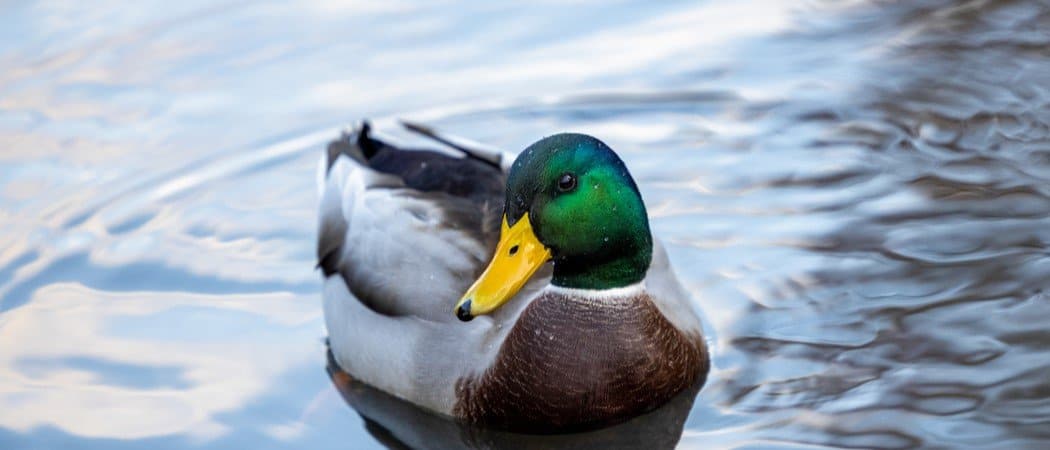
Different duck species have distinct feeding habits, preferred habitats, and vocalizations. For example, puddle ducks (dabblers) like Mallards and Teal tend to feed on seeds and aquatic vegetation found in shallow water. They are often attracted to spilled grain or areas with abundant plant life. In contrast, diving ducks, such as Canvasbacks and Redheads, forage for mollusks and crustaceans in deeper water, often near submerged vegetation. Their feeding patterns and responses to stimuli will differ significantly.
Case Study: The Mallard Magnet
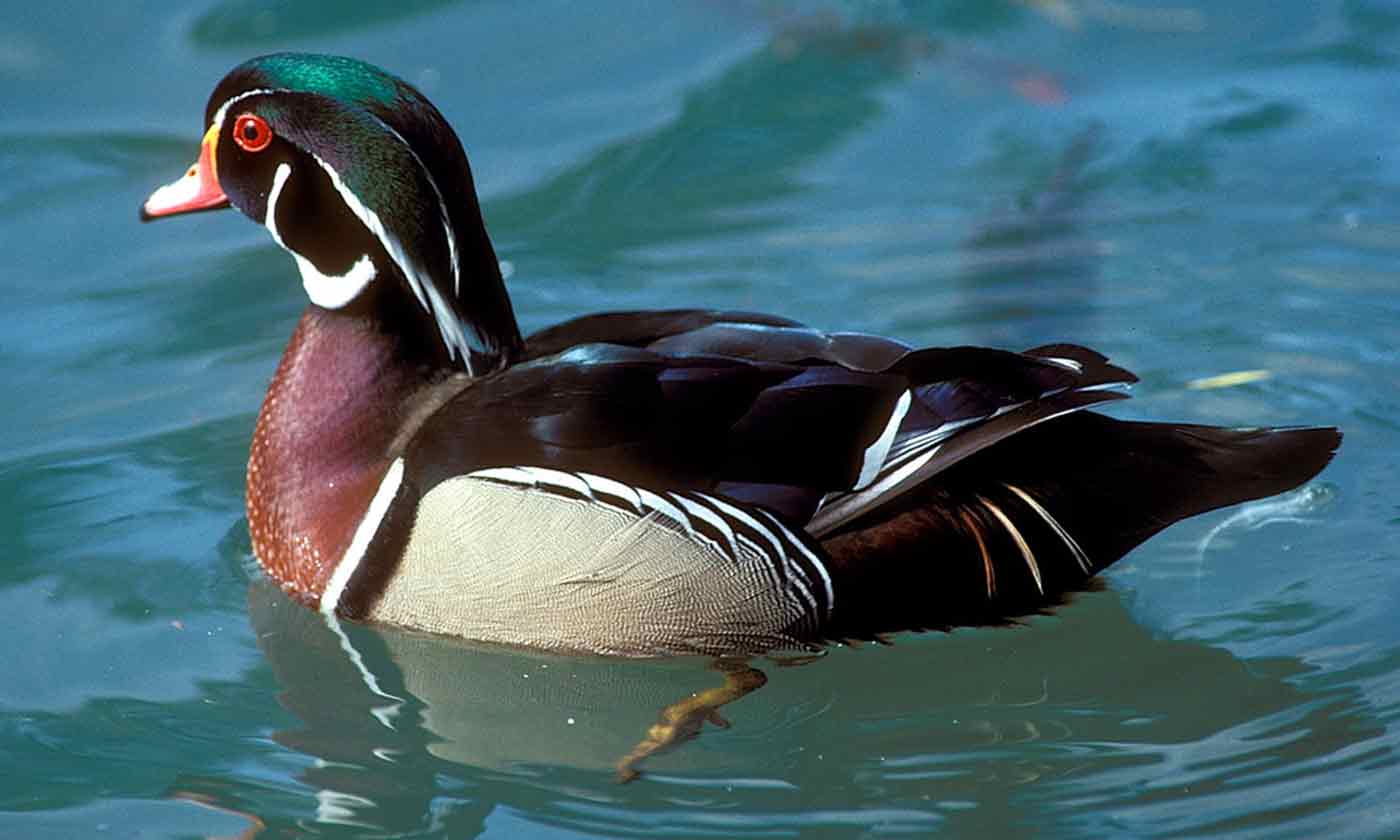
Consider the Mallard, one of the most common and widely distributed duck species. They are opportunistic feeders and readily respond to the presence of other ducks. Understanding this, a duck fisher might utilize a small spread of Mallard decoys in a shallow, vegetated bay to attract passing flocks. The key is to mimic their natural feeding behavior. Similarly, knowing that Wood Ducks prefer wooded swamps and the cover of fallen trees will dictate different placement strategies and potentially the use of more subtle attraction methods.
Behavioral Insights: When and Where to Find Them
Beyond species identification, understanding their daily routines and seasonal movements is paramount. Ducks are most active during dawn and dusk, times when they feel safest to feed. They also have preferred roosting and feeding sites. During migration periods, their numbers can fluctuate dramatically, and their movements can be influenced by weather patterns. Researching local waterfowl migration charts and understanding the prevailing wind direction can offer significant advantages.
Statistical Advantage: Population Dynamics
While precise statistics for “duck fishing” success are elusive due to its niche nature, general waterfowl population data can be insightful. Organizations like the U.S. Fish and Wildlife Service provide annual waterfowl population estimates. Understanding which species are abundant in your region during a particular season can inform your decoy selection and calling strategies. For instance, if Teal populations are high in your area during early fall, focusing on techniques that attract them would be more effective than targeting species that are less prevalent.
The Art of Attraction: Decoys and Calls

Once you understand your quarry, the next step is to employ techniques that draw them in. Decoys and calls are the primary tools for creating a realistic illusion of a safe and inviting environment.
Decoy Strategies: Mimicking Reality
The effectiveness of decoys lies in their realism and strategic placement. A well-designed spread can convince wary ducks that they’ve found a safe haven. Consider the following:
- Species Specificity: Use decoys that match the species you’re trying to attract. A mix of feeding and resting decoys can enhance realism.
- Spread Design: Avoid the “firing line” effect. Create natural-looking groups, with gaps for landing and feeding. Consider the wind direction – ducks typically land into the wind.
- Movement: Incorporating motion decoys or using jerk cords to create subtle ripples can significantly increase attraction, especially on still days.
- Silhouette Decoys: For species like Snow Geese, large numbers of silhouettes can be highly effective due to their flocking behavior.
Example: The Puddle Duck Spread
For puddle ducks, a typical spread might involve placing several Mallard decoys in a feeding posture, with a few upright decoys scattered around. A designated “landing zone” is crucial, usually an open area where ducks feel comfortable approaching. The direction of the spread should naturally funnel towards this landing zone.
Calling Techniques: The Language of the Flock
Duck calls are not just noise; they are a form of communication. Mastering different calls for various species and situations is an advanced skill.
- The Quack: The basic call for Mallards, often used to signal contentment or attract attention.
- The Feed Call: A rapid series of short quacks, mimicking ducks feeding, which can be irresistible.
- The Whistle: Used for species like Teal, which respond well to higher-pitched sounds.
- The Comeback Call: A louder, more insistent series of calls designed to bring back a flock that has flown overhead.
Statistical Insight: The Impact of Calling
Studies have shown that well-executed calling can increase the likelihood of ducks responding to decoys by a significant margin. While hard numbers are difficult to quantify broadly, experienced duck fishers consistently report higher success rates with proficient calling.
Location, Location, Location: Finding the Duck Havens
The best decoys and calls are useless if you’re not in an area where ducks want to be. Understanding their preferred habitats and migration routes is key.
Waterfowl Ecology: Where They Eat, Sleep, and Drink

Ducks frequent various types of water bodies depending on their species and time of year. Key areas to scout include:
- Shallow Marshes and Ponds: Ideal for dabbling ducks, offering abundant vegetation and insects.
- Lakes and Rivers with Edges: Provide feeding opportunities and cover.
- Agricultural Fields (during certain seasons): Especially flooded fields or those with spilled grain, which attract many species.
- Coastal Estuaries: Important for sea ducks and during migration.
Seasonal Shifts: Following the Migration
Waterfowl migration is a natural phenomenon that dictates their presence. Understanding the timing of these migrations in your region is crucial.
Case Study: The Fall Flyway
During the fall migration, ducks are moving south to escape the cold. Areas along established flyways, where they naturally travel, become prime locations. Scouting these areas for food sources and resting spots will significantly increase your chances. For example, a farmer who floods a field after harvest might create an irresistible attraction for migrating ducks.
Scouting is Non-Negotiable
Spend time observing waterfowl in your area. Look for areas where they are consistently present, feeding, or loafing. This pre-season scouting will provide invaluable information for your duck fishing expeditions.
Camouflage and Stealth: Becoming Invisible
Ducks have excellent eyesight and are naturally wary. Once you’ve attracted them, the final hurdle is to remain undetected until the opportune moment.
Blinds and Cover: Merging with the Environment
Your presence should be as unobtrusive as possible. This means utilizing natural cover or constructing effective blinds.
- Natural Cover: Position yourself behind reeds, cattails, or fallen trees that naturally break up your silhouette.
- Portable Blinds: Layout blinds, boat blinds, and ghillie suits can effectively conceal you.
- Blind Placement: Ensure your blind doesn’t present an unnatural shape or color against the background.
Movement and Sound Discipline: The Silent Hunter
Even with the best camouflage, sudden movements or unnecessary noise can spook ducks. Practice remaining still and minimizing any rustling or shuffling.
Statistical Observation: The Impact of Movement
Anecdotal evidence and observations from photographers suggest that excessive movement can cause ducks to veer away from a setup even when decoys and calls are used effectively. Patience and stillness are paramount.
Ethical Considerations and Environmental Stewardship
Responsible duck fishing, regardless of your ultimate goal, requires a strong commitment to ethical practices and environmental stewardship. This aspect is not just about success; it’s about sustainability and respect for the natural world.
Respecting the Birds: Observation Over Disturbance
For those focused on photography or observation, the primary goal is to document and appreciate without causing undue stress to the birds. This means:
- Maintaining Distance: Use telephoto lenses and avoid approaching nesting sites or flocks that appear agitated.
- Minimizing Noise: Keep voices low and avoid sudden loud noises that could scare them.
- Avoiding Feeding Beyond Natural Attraction: Do not artificially supplement food sources in a way that creates dependency or alters natural behavior.
Conservation and Sustainability: The Long Game
For those involved in more traditional hunting aspects, understanding and adhering to regulations is non-negotiable. This includes:
- Bag Limits and Seasons: Strictly observe all legal hunting regulations.
- Species Identification: Be absolutely certain of your identification before any action.
- Ethical Harvesting: Ensure clean shots and proper retrieval to minimize waste and suffering.
- Habitat Preservation: Support efforts to protect and restore waterfowl habitats.
Statistical Relevance: The Importance of Sustainable Practices
Waterfowl populations have seen fluctuations over time. Conservation efforts, guided by scientific research and regulated hunting, have been instrumental in their recovery. By practicing ethically and sustainably, you contribute to the long-term health of these populations.
Mastering the duck fishing game is a journey of continuous learning and refinement. It requires a blend of scientific understanding, practical application, and a deep respect for the natural world. By focusing on understanding your quarry, employing effective attraction techniques, strategically choosing your locations, practicing stealth, and upholding ethical standards, you will undoubtedly elevate your success and enjoyment. Whether your goal is to capture stunning photographic moments, simply observe these magnificent creatures in their element, or engage in traditional practices, these five tips provide a robust framework for achieving your objectives and becoming a true master of the marsh.
