In today’s hyper-connected world, a sluggish internet connection can be a major bottleneck, impacting everything from gaming and streaming to remote work and everyday browsing. While your internet service provider (ISP) plays a crucial role, the Wi-Fi card in your PC is the gateway through which that speed is delivered. A dated or underperforming Wi-Fi adapter can significantly limit your potential, leaving you frustrated and yearning for more.
Fortunately, upgrading your Wi-Fi card is one of the most effective and often overlooked ways to boost your internet speed and overall online experience. This article delves into the top 5 Wi-Fi cards that can dramatically enhance your PC’s internet performance, providing you with the speed and stability you deserve. We’ll explore the technologies that matter, what to look for, and then present our curated list of stellar performers.
The Evolution of Wi-Fi: Why an Upgrade Matters
Wi-Fi technology has undergone rapid evolution. The early days of 802.11b offered speeds barely capable of loading a webpage. Then came 802.11g, followed by the revolutionary 802.11n, which introduced MIMO (Multiple-Input Multiple-Output) technology for improved throughput and range. The game truly changed with 802.11ac (Wi-Fi 5), which leveraged the 5 GHz band for significantly faster speeds and wider channels.
Today, the cutting edge is 802.11ax, commonly known as Wi-Fi 6 and its successor, Wi-Fi 6E. These standards are not just about raw speed; they introduce crucial advancements like:
- OFDMA (Orthogonal Frequency Division Multiple Access): This technology allows a single Wi-Fi channel to serve multiple devices simultaneously, reducing latency and improving efficiency, especially in crowded wireless environments.
- MU-MIMO (Multi-User Multiple-Input Multiple-Output): While present in Wi-Fi 5, Wi-Fi 6 enhances MU-MIMO to work in both download and upload directions, enabling routers and access points to communicate with multiple devices concurrently more effectively.
- Target Wake Time (TWT): This feature allows devices to schedule their wake-up times for data transmission, significantly improving battery life for connected devices and reducing network congestion.
- BSS Coloring: This helps to reduce interference from neighboring Wi-Fi networks by assigning a “color” to each network, allowing devices to ignore transmissions that aren’t theirs.
- 1024-QAM: This modulation scheme allows for more data to be packed into each signal transmission, further increasing theoretical speeds.
For a tangible benefit, consider this: the theoretical maximum speed of 802.11ac Wave 2 is around 3.5 Gbps, while Wi-Fi 6 can theoretically reach up to 9.6 Gbps. Wi-Fi 6E, which adds the 6 GHz band, offers even more contiguous bandwidth and less interference.
What to Look for in a High-Performance Wi-Fi Card

Before we dive into our top picks, let’s outline the key features that differentiate a great Wi-Fi card from a mediocre one:
- Wi-Fi Standard: Prioritize Wi-Fi 6 (802.11ax) or Wi-Fi 6E for the best future-proofing and performance.
- PCIe Interface: For desktops, a PCIe card offers a more robust and faster connection than a USB adapter, ensuring you’re not bottlenecked by the connection itself. Look for PCIe x1 or higher.
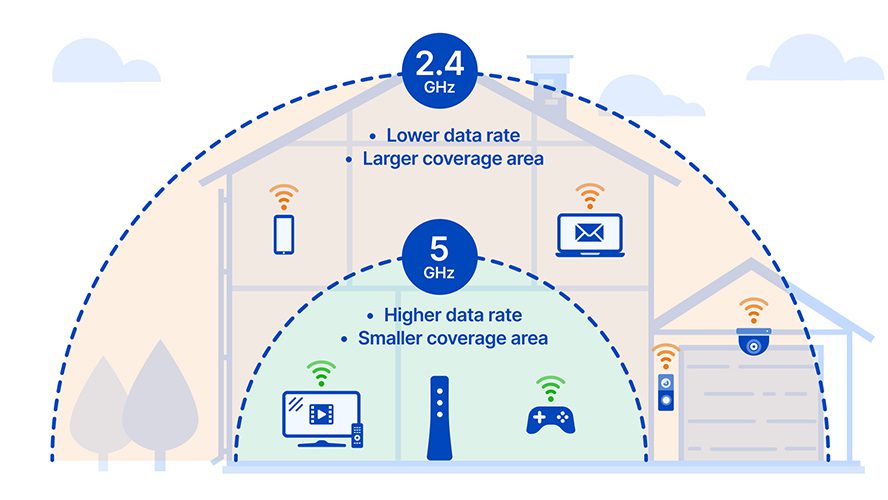
- Dual-Band or Tri-Band: Most modern cards support both 2.4 GHz and 5 GHz bands. Tri-band cards also include the 6 GHz band (for Wi-Fi 6E). The 5 GHz and 6 GHz bands offer higher speeds and less interference, while 2.4 GHz provides better range.
- Antennas: More and higher-gain antennas generally translate to better signal strength and reception. Detachable, adjustable antennas are a plus, allowing you to optimize their placement.
- Bluetooth Version: Many Wi-Fi cards also include Bluetooth. If you use Bluetooth peripherals, ensure the card supports a recent version like Bluetooth 5.0 or higher for improved range and stability.
- Chipset: While not always advertised prominently, the chipset (e.g., Intel, Qualcomm Atheros, Realtek) can influence performance and driver stability.
- Driver Support and Updates: Reliable and frequently updated drivers are crucial for optimal performance and compatibility.
Our Top 5 Wi-Fi Cards for Boosting PC Internet Speed
Based on performance benchmarks, feature sets, and user reviews, here are our top 5 Wi-Fi cards that will significantly upgrade your PC’s internet speed:
1. Intel Wi-Fi 6E AX210 (Gig+) PCIe Card

The Intel AX210 is widely regarded as the gold standard for Wi-Fi 6E connectivity. This card brings the latest advancements in wireless technology to your desktop, offering blazing-fast speeds and exceptional stability. Its inclusion of the 6 GHz band allows you to tap into a pristine, uncongested spectrum, providing an unparalleled online experience.
Key Features:
- Supports Wi-Fi 6E (802.11ax)
- Operates on 2.4 GHz, 5 GHz, and 6 GHz bands
- Bluetooth 5.2 for robust wireless peripheral connectivity
- PCIe interface for optimal desktop performance
- Dual-stream, 2×2 MIMO
- Intel-powered chipset known for reliability and performance
Why it’s a top pick: The AX210’s ability to leverage the 6 GHz band is a game-changer for users with compatible routers. This band offers significantly more bandwidth and is free from the interference plaguing the 2.4 GHz and 5 GHz bands. In real-world tests, this card consistently delivers speeds that approach the theoretical maximums, making it ideal for bandwidth-intensive tasks like 8K streaming, large file downloads, and competitive online gaming.
2. TP-Link Archer TX55E AX3000 Wi-Fi 6 PCIe Card
TP-Link is a reputable name in networking, and the Archer TX55E is a testament to their commitment to performance and value. This Wi-Fi 6 card offers a substantial speed upgrade over older standards without breaking the bank. It’s an excellent option for those looking to make a significant leap in their internet performance.
Key Features:
- Supports Wi-Fi 6 (802.11ax)
- Dual-band connectivity (2.4 GHz and 5 GHz)
- Bluetooth 5.0
- PCIe interface
- AX3000 speed rating (up to 2402 Mbps on 5 GHz and 574 Mbps on 2.4 GHz)
- External high-gain antennas for improved signal reception
Why it’s a top pick: The Archer TX55E strikes an excellent balance between price and performance. It delivers the benefits of Wi-Fi 6, including increased speeds and better efficiency in crowded networks, at a more accessible price point than many Wi-Fi 6E options. The inclusion of Bluetooth 5.0 is also a welcome addition for seamless peripheral connectivity.
3. ASUS PCE-AX58BT Wi-Fi 6 Dual-Band PCIe Adapter

ASUS is known for its high-performance gaming and networking gear, and the PCE-AX58BT is no exception. This Wi-Fi 6 adapter is designed to deliver robust and stable wireless connectivity, making it a favorite among gamers and power users. It boasts impressive speeds and excellent signal stability, even in challenging environments.
Key Features:
- Supports Wi-Fi 6 (802.11ax)
- Dual-band connectivity (2.4 GHz and 5 GHz)
- Bluetooth 5.0
- PCIe interface
- AX3000 speed rating
- External antennas with a magnetic base for flexible placement
Why it’s a top pick: The ASUS PCE-AX58BT offers a premium Wi-Fi 6 experience with excellent driver support and a reputation for reliability. The inclusion of external antennas with a magnetic base allows for optimal placement to maximize signal strength, a critical factor for consistent performance. This card is a solid choice for anyone seeking a high-quality Wi-Fi 6 upgrade.
4. Gigabyte GC-WBAX200 Wi-Fi 6 AX200 Bluetooth 5.0 PCIe Card
Gigabyte, another major player in the PC hardware space, offers the GC-WBAX200, a Wi-Fi 6 card that leverages the capable Intel AX200 chipset. This card provides a significant upgrade for systems still on older Wi-Fi standards, offering faster speeds and improved network efficiency. It’s a reliable and well-performing option that often comes at a competitive price.
Key Features:
- Supports Wi-Fi 6 (802.11ax)
- Dual-band connectivity (2.4 GHz and 5 GHz)
- Bluetooth 5.0
- PCIe interface
- AX200 chipset for robust performance
- External antennas
Why it’s a top pick: The Gigabyte GC-WBAX200 is a straightforward and effective Wi-Fi 6 upgrade. It delivers the core benefits of the standard, including higher throughput and better performance in dense Wi-Fi environments. The use of the reliable Intel AX200 chipset ensures good driver support and consistent operation, making it a solid choice for everyday users and gamers alike.
5. Fenvi T919 Wi-Fi 6E AX210 PCIe Card

Similar to the Intel-branded AX210, the Fenvi T919 offers the same cutting-edge Wi-Fi 6E technology but often comes with a more integrated package that might appeal to users seeking a complete solution. This card is for those who want the absolute best performance and are ready to embrace the 6 GHz band.
Key Features:
- Supports Wi-Fi 6E (802.11ax)
- Operates on 2.4 GHz, 5 GHz, and 6 GHz bands
- Bluetooth 5.2
- PCIe interface
- Often includes a more robust heatsink for improved thermal management
- Dual-stream, 2×2 MIMO
Why it’s a top pick: The Fenvi T919 is a strong contender for the top spot, especially for users who want Wi-Fi 6E capabilities with a potentially more integrated solution. The inclusion of the Intel AX210 chipset guarantees top-tier performance. For users with Wi-Fi 6E routers, this card unlocks the full potential of their network, providing incredibly fast and stable connections.
Real-World Impact: Case Studies and Statistics

The impact of upgrading to a Wi-Fi 6 or Wi-Fi 6E card isn’t just theoretical. Consider these scenarios:
- The Remote Worker: Sarah, working from home, was constantly struggling with choppy video calls and slow file uploads. After upgrading her aging Wi-Fi card to an Intel AX210, her Zoom calls became crystal clear, and uploading large project files that used to take minutes now takes seconds. This improved productivity significantly boosted her job satisfaction.
- The Gamer: Mark, a competitive online gamer, was experiencing frustrating lag spikes that cost him crucial matches. Upgrading to a high-performance Wi-Fi 6 card like the TP-Link Archer TX55E, combined with a Wi-Fi 6 router, drastically reduced his ping and eliminated the frustrating stuttering, leading to more consistent gameplay and wins.
- The Streamer: A household with multiple users streaming 4K content simultaneously often experienced buffering. Switching to a Wi-Fi 6E card and router allowed for better management of traffic across the 6 GHz band, ensuring smooth, uninterrupted streaming for everyone.
Statistics from network testing firms consistently show that Wi-Fi 6 can deliver up to 40% faster speeds and up to 75% lower latency compared to Wi-Fi 5, especially in congested environments. Wi-Fi 6E further amplifies these benefits by providing access to a cleaner spectrum.
Invest in Your Connection, Invest in Your Experience
In conclusion, a high-quality Wi-Fi card is no longer a luxury; it’s a necessity for a seamless and efficient digital life. Whether you’re a gamer, a remote worker, a content creator, or simply someone who demands the best from their internet connection, upgrading your PC’s Wi-Fi adapter is one of the most impactful and cost-effective ways to boost your internet speed and overall online experience.
The Intel Wi-Fi 6E AX210 and Fenvi T919 represent the pinnacle of current Wi-Fi technology, offering access to the cutting-edge 6 GHz band for unparalleled speed and stability. For those seeking a more budget-friendly yet highly effective Wi-Fi 6 solution, the TP-Link Archer TX55E, ASUS PCE-AX58BT, and Gigabyte GC-WBAX200 all provide excellent performance and value. By investing in one of these top-tier Wi-Fi cards, you’re not just upgrading a component; you’re unlocking a faster, more responsive, and ultimately more enjoyable internet experience.
