The shimmering allure of a crystal-clear swimming pool can be quickly overshadowed by the unsightly and stubborn buildup of calcium deposits on pool tiles. Often appearing as white, chalky crusts, this mineral residue, commonly known as limescale, not only detracts from your pool’s aesthetic appeal but can also damage tile grout and even affect water circulation. Fortunately, a variety of effective products and methods exist to combat this persistent problem. This article delves into the top products and strategies for calcium removal from pool tiles, empowering you to reclaim the pristine beauty of your aquatic oasis.
Understanding the Enemy: The Science Behind Calcium Buildup
Before we can effectively tackle calcium deposits, it’s crucial to understand why they form. Calcium carbonate, the primary component of limescale, precipitates out of water when the water becomes supersaturated with calcium ions. Several factors contribute to this supersaturation:
- High Calcium Hardness: Pool water naturally contains dissolved calcium. When the calcium hardness level, measured in parts per million (ppm), is too high, the water struggles to keep all the calcium in solution.
- High pH Levels: A higher pH (alkalinity) also reduces the water’s ability to hold dissolved calcium. The ideal pH range for pool water is typically between 7.2 and 7.6.
- High Total Alkalinity: While related to pH, total alkalinity also plays a role. High alkalinity can exacerbate calcium precipitation.
- High Water Temperature: Warmer water can hold less dissolved calcium, increasing the likelihood of precipitation.
- Evaporation: As pool water evaporates, the dissolved minerals, including calcium, are left behind, concentrating them and leading to oversaturation.
These conditions are often amplified in warmer climates or with frequent water usage, making calcium buildup a common concern for pool owners.
The Arsenal of Cleanliness: Top Products for Calcium Removal

Fortunately, the market offers a range of specialized products designed to tackle calcium deposits. These can be broadly categorized into chemical removers and mechanical tools, often used in conjunction for optimal results.
Chemical Calcium Removers: The Dissolving Force

These products leverage acidic properties to break down and dissolve calcium carbonate. It’s essential to select a product specifically formulated for pool tiles, as harsher chemicals can damage grout or even etch certain tile surfaces.
1. Acid-Based Cleaners (Muriatic Acid and Citric Acid Based)**
Muriatic acid (hydrochloric acid) is a powerful and fast-acting chemical used for severe calcium buildup. However, its corrosive nature necessitates extreme caution, proper ventilation, and protective gear. It’s often diluted and applied with a brush, followed by thorough rinsing.
Example: A pool owner in Arizona, known for its hard water, might use a diluted muriatic acid solution to meticulously scrub away thick calcium rings around the waterline. The process involves applying the diluted acid with a stiff brush, allowing it to fizz and dissolve the deposits, and then immediately rinsing the area thoroughly with fresh water. This requires gloves, eye protection, and good ventilation.
Citric acid-based cleaners offer a more environmentally friendly and less aggressive alternative. They are effective for moderate buildup and are generally safer to handle. They work by chelating (binding to) calcium ions, making them soluble.
Case Study: A family in Florida noticed a white haze forming on their travertine pool tiles. Instead of opting for harsh chemicals, they chose a citric acid-based pool tile cleaner. They applied the cleaner to a small, inconspicuous area first to test its efficacy and safety. After a few minutes, they scrubbed the area with a non-abrasive brush and rinsed it off. Satisfied with the results, they proceeded to clean the entire affected tile surface, reporting a significant reduction in the white haze and no damage to the tiles or grout.
2. Specialized Pool Tile Cleaners (Commercial Formulations)**
Many reputable pool supply brands offer commercially formulated tile cleaners designed for calcium removal. These often contain a blend of acids, chelating agents, and surfactants for effective cleaning and stain removal. They are typically ready to use or require simple dilution.
Key Features to Look For:
- “Limescale Remover” or “Calcium Remover” label: This clearly indicates the product’s intended purpose.
- Non-corrosive or tile-safe formulation: Essential for protecting your pool’s surfaces.
- Biodegradable options: For environmentally conscious pool owners.
- Ease of use: Spray-on, brush-on, or soak-in applications.
Statistic: According to a survey by the Pool & Hot Tub Alliance, an estimated 70% of pool owners experience some form of mineral staining or buildup annually, highlighting the demand for effective cleaning solutions.
3. Enzymatic Pool Cleaners
While primarily known for breaking down organic debris, some advanced enzymatic cleaners also possess properties that can help prevent and break down mineral deposits over time. They work by targeting specific molecules, and while their calcium-dissolving power might be less immediate than acids, they offer a gentler, preventative approach.
How they work: Enzymes in these cleaners can bind to mineral crystals and disrupt their structure, making them easier to flush away. They are often used as a maintenance solution.
Mechanical Calcium Removal: The Brute Force Approach

For stubborn, caked-on calcium that chemical removers struggle with, mechanical methods can be highly effective. These involve physically scraping or scrubbing the deposits away.
1. Pool Brushes (Stiff Bristle and Metal)**
A good quality pool brush is an indispensable tool. For general cleaning and light calcium, stiff nylon or polypropylene bristles are sufficient. For more severe buildup, a brush with stainless steel bristles can be employed, but with extreme care to avoid scratching tiles or grout.
Tip: Always use a brush appropriate for your tile type. Porcelain and ceramic tiles can generally withstand stiffer bristles than natural stone or delicate mosaics.
2. Pool Tile Scrubbers and Squeegees**
Specialized pool tile scrubbers, often featuring abrasive pads or rotating heads, can provide more targeted cleaning power. Some designs incorporate a squeegee to help remove loosened debris and water.
Example: A pool owner with a persistent calcium ring around the waterline might find a dedicated pool tile scrubber with a long handle and an abrasive pad to be highly effective. By applying moderate pressure and scrubbing in a circular motion, they can gradually break down the hardened deposits.
3. Pumice Stones (Pool-Specific)**
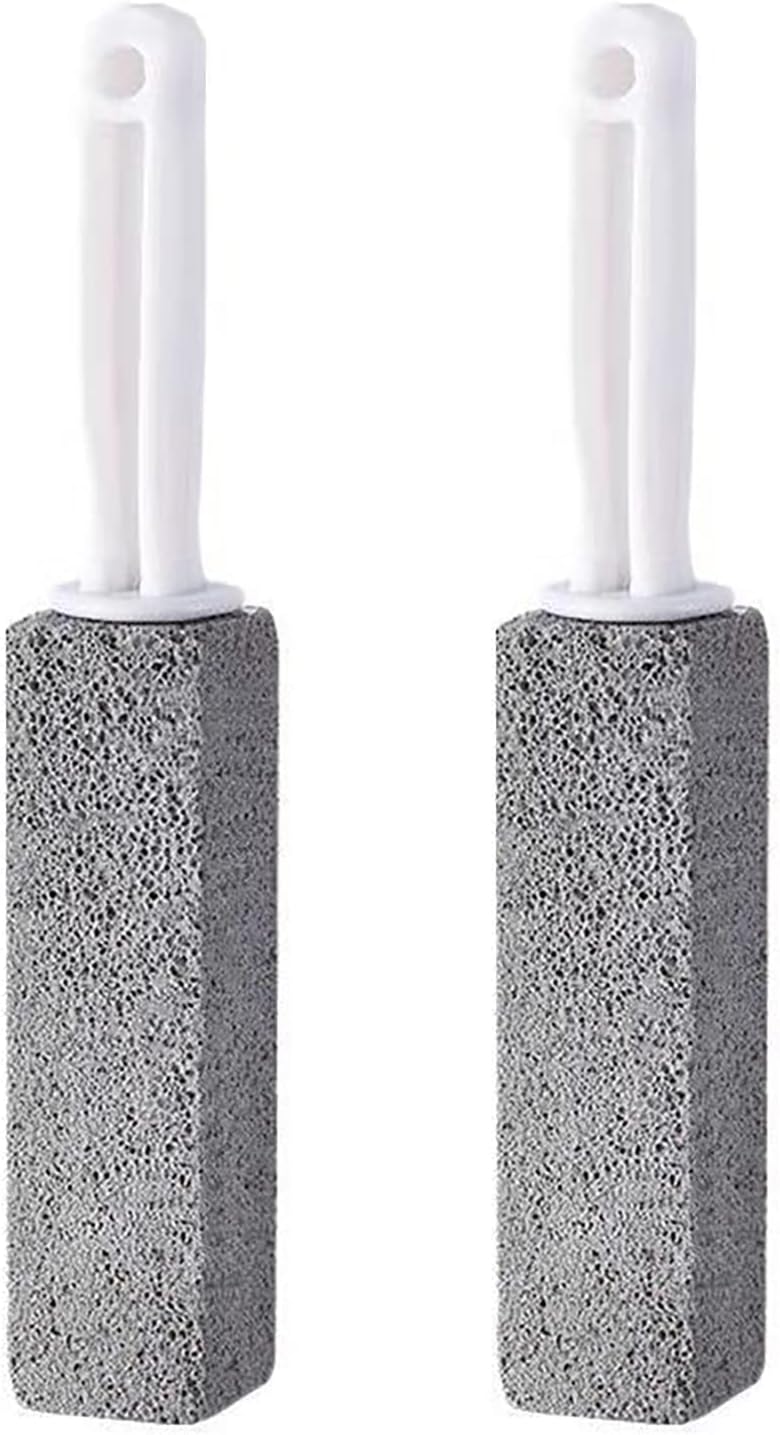
Pumice stones designed for pool use are a classic method for removing tough calcium deposits. They are porous volcanic rocks that are surprisingly effective at gently scraping away mineral buildup without damaging most tile surfaces. It’s crucial to use the stone with water to lubricate the surface and prevent scratching.
Caution: Always test a pumice stone on an inconspicuous area first, especially on delicate or highly glazed tiles. Keep the stone wet during use.
4. Pressure Washers (with Caution)**
For large areas with extensive calcium buildup, a pressure washer can be a powerful tool. However, this method requires significant caution. The high pressure can easily damage grout, loosen tiles, or etch softer tile materials if not used correctly. It’s best to use a low-pressure setting with a wide spray nozzle and keep the nozzle at a safe distance.
Recommendation: This method is generally best left to professional pool maintenance services due to the inherent risks involved.
Preventative Measures: Keeping Calcium at Bay

The most effective way to deal with calcium buildup is to prevent it from occurring in the first place. Regular water testing and balancing are paramount.
- Regular Water Testing: Test your pool water at least weekly for pH, total alkalinity, and calcium hardness.
- Maintain Ideal Water Chemistry:
- pH: Keep between 7.2 and 7.6.
- Total Alkalinity: Maintain between 80 and 120 ppm.
- Calcium Hardness: Aim for 200 to 400 ppm. In very hard water areas, you might need to dilute pool water by partially draining and refilling.
- Use Scale Inhibitors: These chemical additives help prevent calcium from precipitating out of the water. They work by forming a protective barrier around calcium crystals, keeping them suspended.
- Regular Pool Cleaning: Brushing your tiles regularly, even when no visible buildup is present, can help prevent deposits from forming.
- Consider a Pool Cover: Reducing evaporation can significantly help in preventing mineral concentration.
Choosing the Right Product for Your Needs

The best product for calcium removal depends on several factors:
- Severity of Buildup: Light haze might respond to enzymatic cleaners or mild acid-based products, while thick encrustations will likely require stronger chemical removers or mechanical action.
- Tile Material: Natural stone, glass tiles, and delicate mosaics require gentler approaches than porcelain or ceramic tiles. Always check product compatibility.
- Your Comfort Level with Chemicals: If you’re hesitant about using strong acids, opt for citric acid-based cleaners or mechanical methods.
- Environmental Concerns: Look for biodegradable and eco-friendly options.
Always read and follow the manufacturer’s instructions carefully for any product you use. Wear appropriate personal protective equipment (PPE), including gloves and eye protection, especially when working with acidic cleaners.
A Sparkling Finale
Calcium buildup on pool tiles can be a persistent adversary, but with the right knowledge and tools, it can be effectively conquered. Understanding the root causes of this mineral precipitation is the first step towards prevention. When removal is necessary, a diverse range of chemical and mechanical products are available to restore the pristine beauty of your pool tiles. From powerful acid-based cleaners for stubborn deposits to gentler, preventative enzymatic treatments, there’s a solution for every level of buildup and every pool owner’s preference. By prioritizing regular water testing, maintaining proper water chemistry, and employing the right cleaning products and techniques, you can ensure your pool tiles remain a dazzling highlight of your backyard oasis for years to come.
