Cloth books, with their tactile appeal and durability, offer a unique sensory experience for young children. Unlike traditional paper pages, fabric creations invite little hands to explore, crinkle, and even chew, making them a beloved early learning tool. However, the success of a cloth book hinges significantly on the choice of fabric panels used. Selecting the right materials is not just about aesthetics; it’s about safety, durability, washability, and providing the optimal sensory engagement for a child.
This comprehensive guide will delve into the critical factors to consider when choosing fabric panels for your cloth book projects, empowering you to create cherished, long-lasting keepsakes. We’ll explore various fabric types, essential considerations, and practical tips to ensure your creations are both beautiful and functional.
The Foundation of Tactile Delight: Understanding Fabric Properties

The world of fabric is vast and varied, each material offering a unique set of properties. For cloth books, these properties directly impact the user experience and the longevity of the product. Understanding these fundamental aspects is the first step towards making informed decisions.
Durability and Longevity: Withstanding Little Explorers
Children are not gentle. Their curiosity often involves pulling, tugging, and sometimes even a bit of roughhousing. Therefore, the fabric panels you choose must be able to withstand this enthusiastic exploration. Look for fabrics with a high thread count and a tight weave. These characteristics indicate a denser fabric that is less prone to tearing or fraying.
Key Indicators of Durability:
- Thread Count: A higher thread count generally means more threads per square inch, resulting in a stronger fabric. For quilting cottons, aiming for 200 or higher is a good starting point.
- Weave Type: Plain weave (like in quilting cotton) is sturdy and readily available. Twill weaves (like in denim or chino) offer even greater durability due to their diagonal ribbing.
- Fabric Weight (GSM): While not always explicitly stated for all fabrics, heavier fabrics generally indicate greater durability. For cloth books, a medium-weight fabric is often ideal.
Case Study: The Fraying Nightmare
Imagine a lovingly crafted cloth book made with a lightweight, loosely woven linen. While beautiful, after a few weeks of a toddler’s enthusiastic page-turning, the edges begin to fray significantly, making the book look worn and potentially creating small, loose threads that could be a hazard. This highlights the importance of prioritizing durability from the outset.
Washability and Hygiene: Keeping it Clean and Safe

Cloth books are inevitably going to encounter spills, dribbles, and whatever else life throws at them. The ability to easily wash and maintain the book is paramount for hygiene and longevity. Opt for fabrics that are machine washable and colorfast. Pre-washing your fabrics before cutting and sewing is also a crucial step to prevent shrinkage and color bleeding in the finished product.
Washability Checklist:
- Machine Washable: Can the fabric be cleaned in a standard washing machine?
- Colorfastness: Does the fabric bleed color when washed? Test a small swatch before committing to your project.
- Shrinkage: Does the fabric shrink significantly after washing? Pre-washing helps manage this.
- Drying Method: Can it be tumble-dried or air-dried? Consider your drying preferences and the fabric’s capabilities.
Statistic Spotlight: The Hygiene Factor
According to a study by the American Academy of Pediatrics, toys that are frequently handled and put in the mouth should be cleaned regularly to prevent the spread of germs. Cloth books, being a prime example of such items, necessitate fabrics that can withstand repeated washing.
Sensory Experience: Engaging Young Minds and Fingers
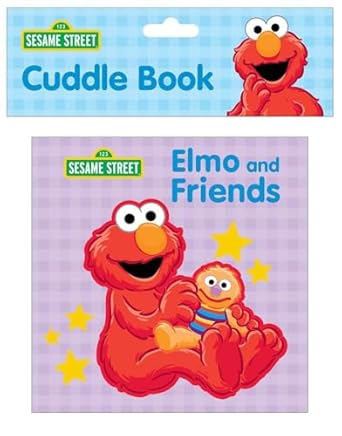
The true magic of cloth books lies in their ability to stimulate a child’s senses. The variety of textures, sounds, and visual elements contributes to a rich learning experience. Choosing fabric panels with diverse textures is key to unlocking this potential.
A Symphony of Textures:
- Smooth and Silky: Satin or silk (though silk might be too delicate for heavy use) can offer a luxurious feel.
- Soft and Plush: Minky, fleece, or velvet provide a comforting, cuddly texture.
- Crinkly and Crunchy: Cellophane or specialized crinkle fabric adds an exciting auditory and tactile element.
- Textured Weaves: Linen or textured cottons offer a subtle roughness that can be stimulating.
- Embellishments: Pompoms, ribbons, or even carefully secured buttons can add further tactile interest.
Example: The “Busy Book” Concept
Many successful cloth books incorporate a “busy book” concept, integrating various textures and interactive elements. A panel might feature a smooth zipper, a fuzzy patch of faux fur, and a crinkly section. This multi-sensory approach keeps babies engaged for longer periods.
Popular Fabric Choices for Cloth Books: Pros and Cons
Now that we understand the core properties, let’s explore some of the most popular fabric choices and their suitability for cloth book creation.
1. Quilting Cotton (100% Cotton)
Quilting cotton is often the go-to fabric for many crafters, and for good reason. It’s readily available in a vast array of colors and prints, relatively inexpensive, and easy to work with.
Pros:
- Excellent print selection.
- Stable and easy to cut and sew.
- Machine washable and generally colorfast (especially with good quality brands).
- Can be pre-washed to prevent shrinkage.
- Good breathability.
Cons:
- Can fray at the edges if not finished properly.
- May not be as soft as some other options unless pre-washed multiple times.
- Durability can vary depending on the thread count and weave.
Tips for Quilting Cotton: Always pre-wash your quilting cotton. Consider using pinking shears or a zigzag stitch to finish raw edges and prevent fraying. High-quality quilting cottons with a higher thread count will offer better durability.
2. Minky Fabric (Polyester)

Minky is renowned for its incredibly soft, plush texture, making it a favorite for baby items. Its short pile creates a luxurious feel that babies often adore.
Pros:
- Extremely soft and cuddly.
- Offers a comforting sensory experience.
- Doesn’t fray easily.
- Can add a sense of warmth and coziness.
Cons:
- Can be more challenging to sew due to its slippery nature and tendency to stretch.
- Not as breathable as natural fibers like cotton.
- Can attract lint and pet hair.
- Requires specific needle and stitch settings for best results.
Tips for Minky: Use a walking foot or a roller foot on your sewing machine to help feed the fabric evenly. Cut with a rotary cutter and mat for cleaner edges. Consider using a serger to finish edges, as it encapsulates the fibers. Minky should be washed on a gentle cycle and air-dried or tumble-dried on low heat.
3. Fleece (Polyester)
Fleece is another popular choice for its softness and warmth. It’s a good mid-ground between the crispness of cotton and the extreme plushness of minky.
Pros:
- Soft and cozy.
- Doesn’t fray easily.
- Relatively easy to sew.
- Good insulation.
Cons:
- Can pill over time with heavy use and washing.
- Not as breathable as cotton.
- Can attract lint.
- Less variety in prints compared to quilting cotton.
Tips for Fleece: Fleece can be cut with scissors or a rotary cutter. A standard sewing machine needle works well. Overlocking or zigzag stitches are effective for finishing raw edges. Wash on a gentle cycle and air-dry or tumble-dry on low.
4. Felt (Wool or Acrylic)
Felt is a non-woven fabric that doesn’t fray, making it ideal for appliqué, small details, and durable elements. Wool felt is softer and more luxurious but also more expensive and less washable than acrylic felt.
Pros:
- Does not fray.
- Easy to cut and appliqué.
- Offers a slightly stiff texture for structured elements.
- Good for visual contrast.
Cons:
- Acrylic felt can be less durable and may pill.
- Wool felt is expensive.
- Not as soft or cuddly as minky or fleece.
- Washability depends on the type (wool felt is hand-washable, acrylic can be spot-cleaned).
Tips for Felt: Use felt for details like eyes, mouths, or decorative shapes. Wool felt is generally preferred for its quality and durability. If using acrylic felt, choose a good quality craft or eco-fi felt. Consider hand-sewing felt pieces for a more tactile finish.
5. Crinkle Fabric
This specialized fabric is designed to make a satisfying crinkling sound when squeezed, providing auditory stimulation for babies.
Pros:
- Engaging auditory element.
- Adds an exciting surprise factor.
- Typically safe for babies.
Cons:
- Limited texture variety beyond the crinkle.
- May need to be sandwiched between other fabrics for structure.
- Availability can vary.
Tips for Crinkle Fabric: Purchase crinkle fabric specifically designed for baby toys to ensure safety standards are met. It can be sewn into pockets or used as an insert between layers of cotton for a durable crinkle experience.
Beyond the Fabric: Essential Considerations for Your Cloth Book
Choosing the right fabric panels is only one piece of the puzzle. Several other factors contribute to the creation of a safe, engaging, and well-loved cloth book.
Safety First: Avoiding Choking Hazards and Allergens

Safety should always be the top priority when crafting for children. Beyond fabric choice, consider:
- Embellishments: Avoid small, detachable embellishments like buttons, beads, or sequins that could become choking hazards. If you must use them, ensure they are securely sewn down with multiple stitches and are too large to fit through a toilet paper roll (the standard choking hazard test).
- Thread Choice: Use strong, durable thread, preferably 100% cotton or a high-quality polyester thread.
- Stuffing: If your book has padded elements, use a hypoallergenic polyester fiberfill.
- Dyes and Finishes: Opt for OEKO-TEX certified fabrics or those labeled as safe for children, ensuring they are free from harmful chemicals.
- Allergies: If you or the intended recipient have known allergies, research fabric types and avoid wool or other potential irritants if necessary.
Color Palette and Visual Appeal: Stimulating Young Eyes
Babies’ vision develops over time, and they are initially drawn to high-contrast colors. As they grow, they become more receptive to a wider range of colors and patterns.
Color Strategies:
- High Contrast: For newborns, black and white patterns, or bold primary colors against a neutral background, are highly effective.
- Bright and Bold: As babies develop, vibrant colors and cheerful prints can stimulate their interest.
- Thematic Cohesion: Consider a theme for your book and choose fabrics that complement each other in color and design.
- Variety: Incorporate a mix of solid colors, simple patterns, and more complex prints to keep the visual experience interesting.
Ease of Construction: From Design to Delight
While aesthetic appeal is important, consider your own sewing skills and the complexity of the fabrics you choose. Some fabrics, like minky, can be more challenging for beginners.
Construction Tips:
- Start Simple: If you’re new to cloth book making, begin with quilting cotton and simple shapes.
- Layering is Key: Most cloth books involve layering fabric panels. Consider how different textures will feel when layered together.
- Interfacing: For added structure and durability, consider using fusible interfacing on some fabric panels, especially if they are lighter weight.
- Edge Finishing: Properly finishing raw edges (e.g., with a zigzag stitch, serger, or pinking shears) is crucial to prevent fraying and extend the life of the book.
Putting It All Together: Crafting Your Perfect Cloth Book
The best fabric panels for your cloth book will be a harmonious blend of durability, washability, sensory appeal, and safety. Don’t be afraid to experiment with different textures and combinations. Think about the age and developmental stage of the child who will be using the book.
For a book designed for infants, prioritize super-soft textures like minky and fleece, along with high-contrast visual elements. For older toddlers, you can introduce more complex textures, interactive elements like zippers or buttons (securely attached!), and a wider array of colors and patterns.
Remember to always pre-wash your fabrics, finish your seams meticulously, and double-check for any potential safety hazards. A well-made cloth book is not just a toy; it’s an educational tool that can foster a lifelong love of reading and exploration. By carefully considering the fabric panels you choose, you’re investing in a cherished keepsake that will be enjoyed for years to come.
Choosing the right fabric panels for your cloth books is a thoughtful process that blends practicality with creativity. By prioritizing durability, washability, and a rich sensory experience, you can create books that are not only aesthetically pleasing but also safe, engaging, and long-lasting. From the smooth embrace of quilting cotton to the comforting plushness of minky, each fabric offers unique advantages. Remember to consider the safety of your chosen materials and embellishments, ensuring a hazard-free environment for little hands and mouths. Ultimately, the best fabric panels are those that spark joy, stimulate development, and weave a beautiful tapestry of learning and exploration for the child who holds them.
