In the realm of interior design, wallpaper has long been a popular choice for those looking to add character and style to their spaces. Among the various types of wallpaper available, non-pasted wallpaper has gained significant traction due to its ease of use and versatility. This article delves into the world of non-pasted wallpaper, highlighting its benefits, creative applications, and design trends that are shaping the modern home.
What is Non-Pasted Wallpaper?

Non-pasted wallpaper, as the name suggests, is wallpaper that does not come pre-coated with adhesive on the back. Instead, users apply paste directly to the wall or the wallpaper itself before installation. This approach allows for greater flexibility and creativity in application, making it an attractive option for DIY enthusiasts and professional decorators alike.
Benefits of Non-Pasted Wallpaper
Non-pasted wallpaper offers several advantages over traditional, pre-pasted options. Here are some of the key benefits:
- Customization: Since the adhesive is applied separately, users can choose the type of paste that best suits their needs, allowing for more tailored applications.
- Easy Removal: Non-pasted wallpapers can be easier to remove, as they do not rely on water-activated adhesives that can damage walls during removal.
- Durability: Many non-pasted wallpapers are made from durable materials that can withstand wear and tear, making them suitable for high-traffic areas.
- Variety of Materials: Non-pasted wallpapers are available in various materials, including vinyl, fabric, and paper, providing a wider range of textures and finishes.
Creative Applications of Non-Pasted Wallpaper
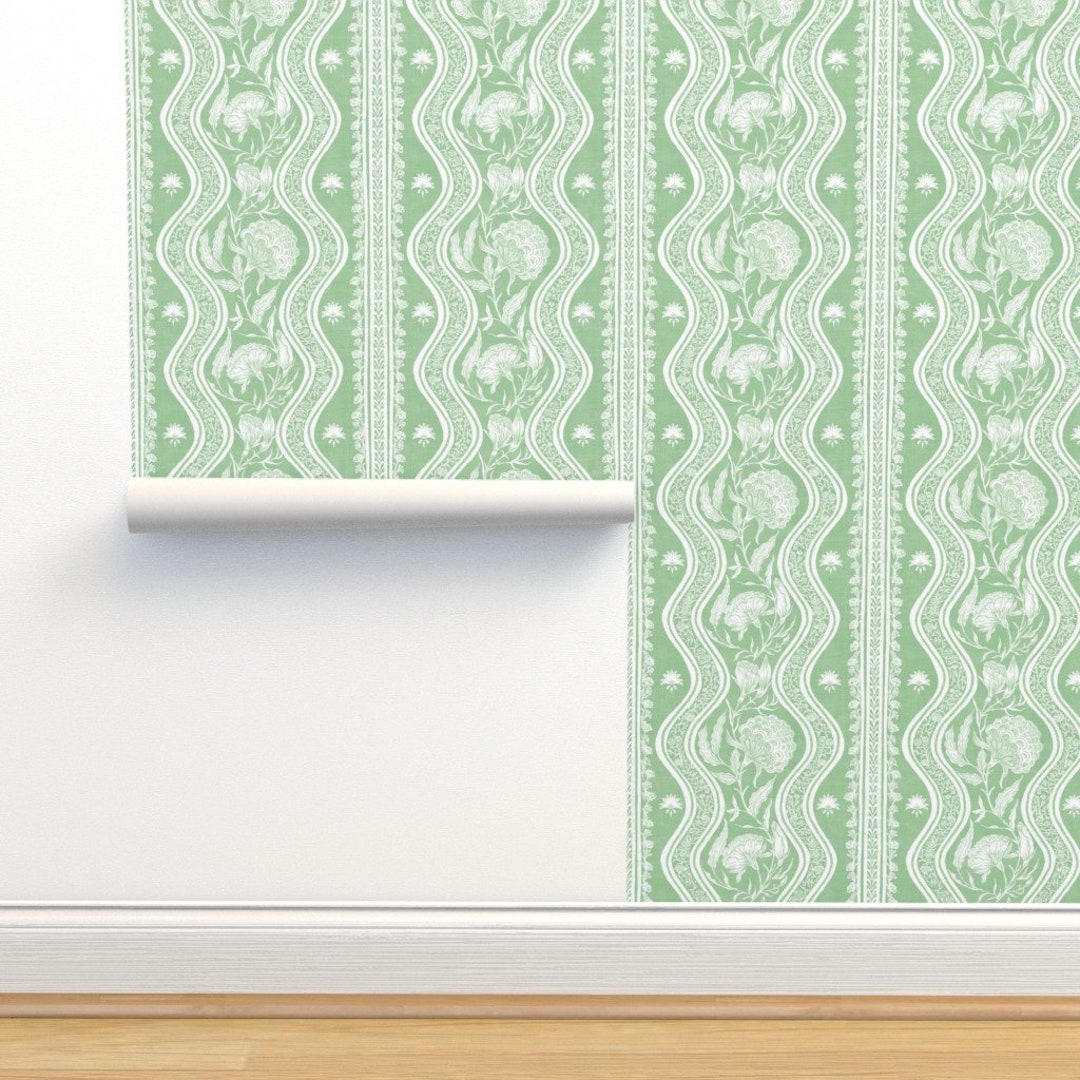
Non-pasted wallpaper opens up a world of creative possibilities for interior design. Here are some innovative ways to use it in your home:
Accent Walls
One of the most popular applications of non-pasted wallpaper is creating accent walls. By applying a bold or patterned wallpaper to a single wall, homeowners can create a stunning focal point in any room. For example, a rich, textured non-pasted wallpaper can dramatically enhance a living room or bedroom.
Ceiling Treatments
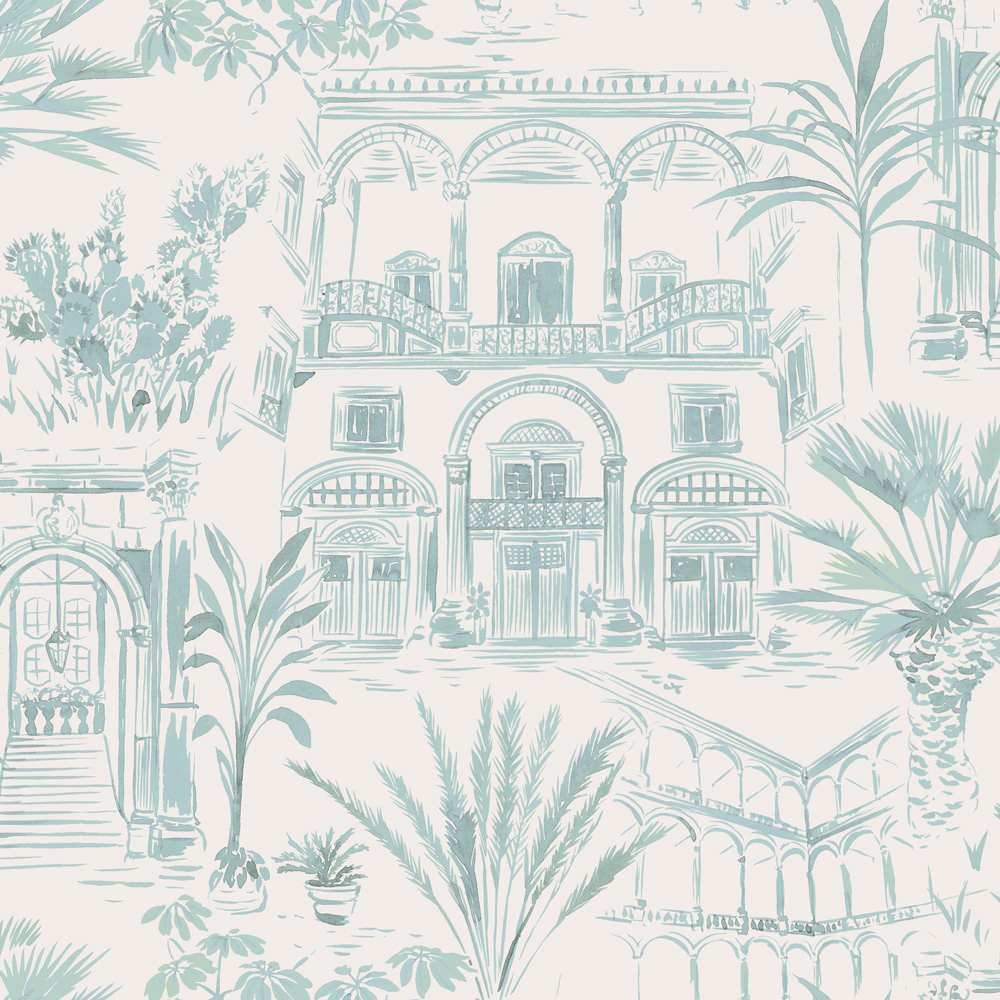
Ceilings are often overlooked in interior design, but non-pasted wallpaper provides an excellent opportunity to elevate this space. Applying a striking wallpaper to the ceiling can add unexpected charm and sophistication. For instance, a floral or geometric pattern can convert a standard ceiling into a captivating design element.
Furniture Makeovers
Non-pasted wallpaper can also be used to revitalize furniture pieces. By applying wallpaper to the surface of dressers, cabinets, or even tabletops, homeowners can create unique, customized furniture that stands out. This approach is particularly effective for upcycling old furniture and giving it a fresh, modern look.
Artistic Murals
For those looking to make a bold statement, non-pasted wallpaper can be used to create artistic murals. These murals can transform an ordinary wall into a canvas, featuring intricate designs or large-scale images. This technique is perfect for children’s rooms, play areas, or any space where creativity is encouraged.
Design Trends in Non-Pasted Wallpaper
As the design landscape evolves, so do the trends in wallpaper. Here are some of the latest trends in non-pasted wallpaper that are making waves in the interior design community:
- Natural Materials: Non-pasted wallpaper made from eco-friendly materials is gaining popularity, with options like grasscloth and cork offering organic textures and aesthetics.
- Bold Patterns: Geometric shapes, large florals, and abstract designs are trending, allowing homeowners to express their personal style and add drama to their spaces.
- Textured Finishes: Textured non-pasted wallpapers, such as those with raised patterns or tactile surfaces, are becoming increasingly sought after for their visual and physical depth.
- Vintage Revival: Retro patterns and colors are making a comeback, with many designers drawing inspiration from the 60s, 70s, and 80s.
Statistics on Wallpaper Usage

The popularity of wallpaper, particularly non-pasted varieties, can be evidenced by recent statistics:
- According to a report by Research and Markets, the global wallpaper market is projected to reach $45 billion by 2026, growing at a CAGR of 4.4%.
- A survey conducted by Home Improvement Research Institute indicated that 25% of homeowners plan to use wallpaper in their next home renovation project.
- In a recent study, 42% of interior designers stated they prefer non-pasted wallpaper for its versatility and ease of use.
Case Studies: Successful Non-Pasted Wallpaper Projects
Let’s take a look at a few case studies that highlight the successful implementation of non-pasted wallpaper in various settings:
Case Study 1: The Eclectic Cafe
A local café wanted to create a vibrant and inviting atmosphere for its customers. The owners opted for non-pasted wallpaper featuring oversized floral patterns. The installation of this wallpaper on one accent wall immediately drew attention and became a talking point among patrons, significantly increasing foot traffic and social media engagement.
Case Study 2: The Modern Office

A tech startup sought to create a dynamic work environment to foster creativity among employees. They invested in non-pasted wallpaper with geometric designs for their meeting rooms. The result was a visually stimulating space that inspired innovative thinking and collaboration. Employee satisfaction increased, as reflected in a subsequent survey, with 78% of staff reporting enhanced motivation and productivity.
Tips for Installing Non-Pasted Wallpaper
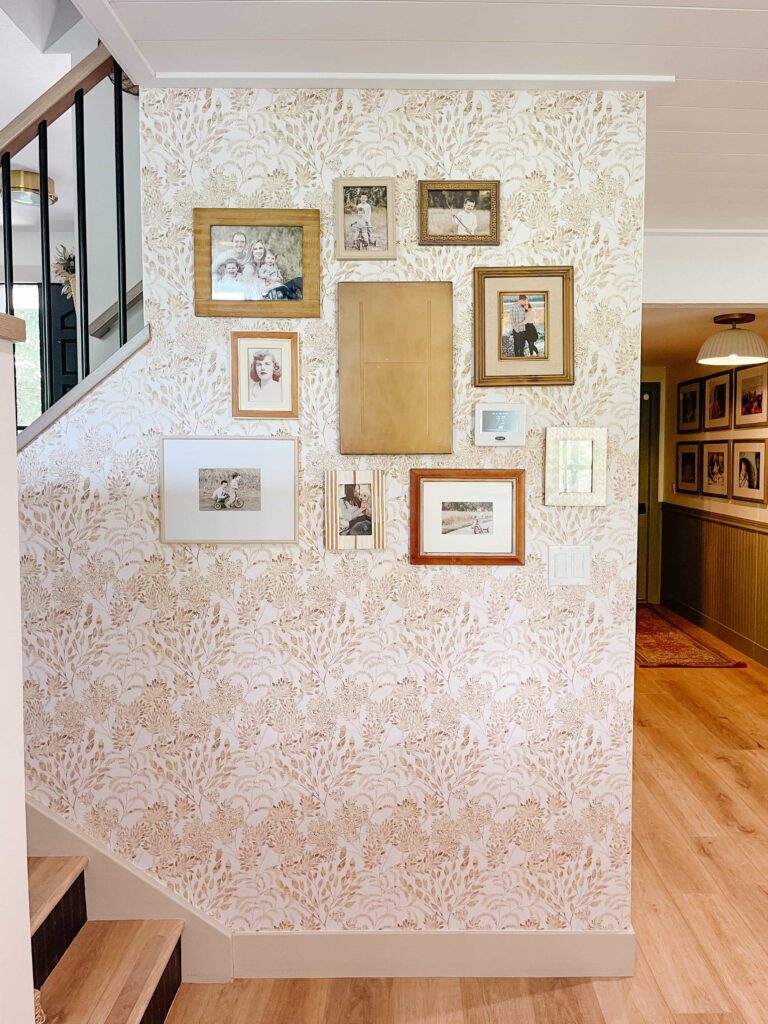
Installing non-pasted wallpaper can be a straightforward process if you follow these tips:
- Preparation: Ensure the walls are clean, smooth, and dry before applying wallpaper. Fill in any holes or imperfections.
- Choose the Right Paste: Select a high-quality paste suitable for your wallpaper material to ensure proper adhesion.
- Measure Carefully: Take accurate measurements of your walls to avoid wastage and ensure a seamless look.
- Use a Level: When applying wallpaper, use a level to ensure it is straight, preventing unsightly gaps or overlaps.
Non-pasted wallpaper represents a creative design revolution that offers homeowners and designers a plethora of options for personalizing spaces. With benefits such as customization, easy removal, and durability, it is no wonder that this type of wallpaper has gained immense popularity. The ability to create accent walls, artistic murals, and furniture makeovers showcases the versatility of non-pasted wallpaper.
As trends continue to evolve, the future of non-pasted wallpaper looks bright, embracing natural materials, bold patterns, and textured finishes. The successful case studies further illustrate the impact of non-pasted wallpaper on both commercial and residential spaces. For anyone looking to transform their interior design, non-pasted wallpaper is undoubtedly an avenue worth exploring, allowing for creativity to flourish in every corner of the home.
