Cooking over an indoor fireplace can be both a cozy and enjoyable experience, especially during colder months. However, it requires a thorough understanding of safety practices to prevent accidents and ensure a delightful cooking experience. This article explores essential safety tips, best practices, and considerations when using a cooking grate over your indoor fireplace.
Understanding Indoor Fireplace Cooking Grates

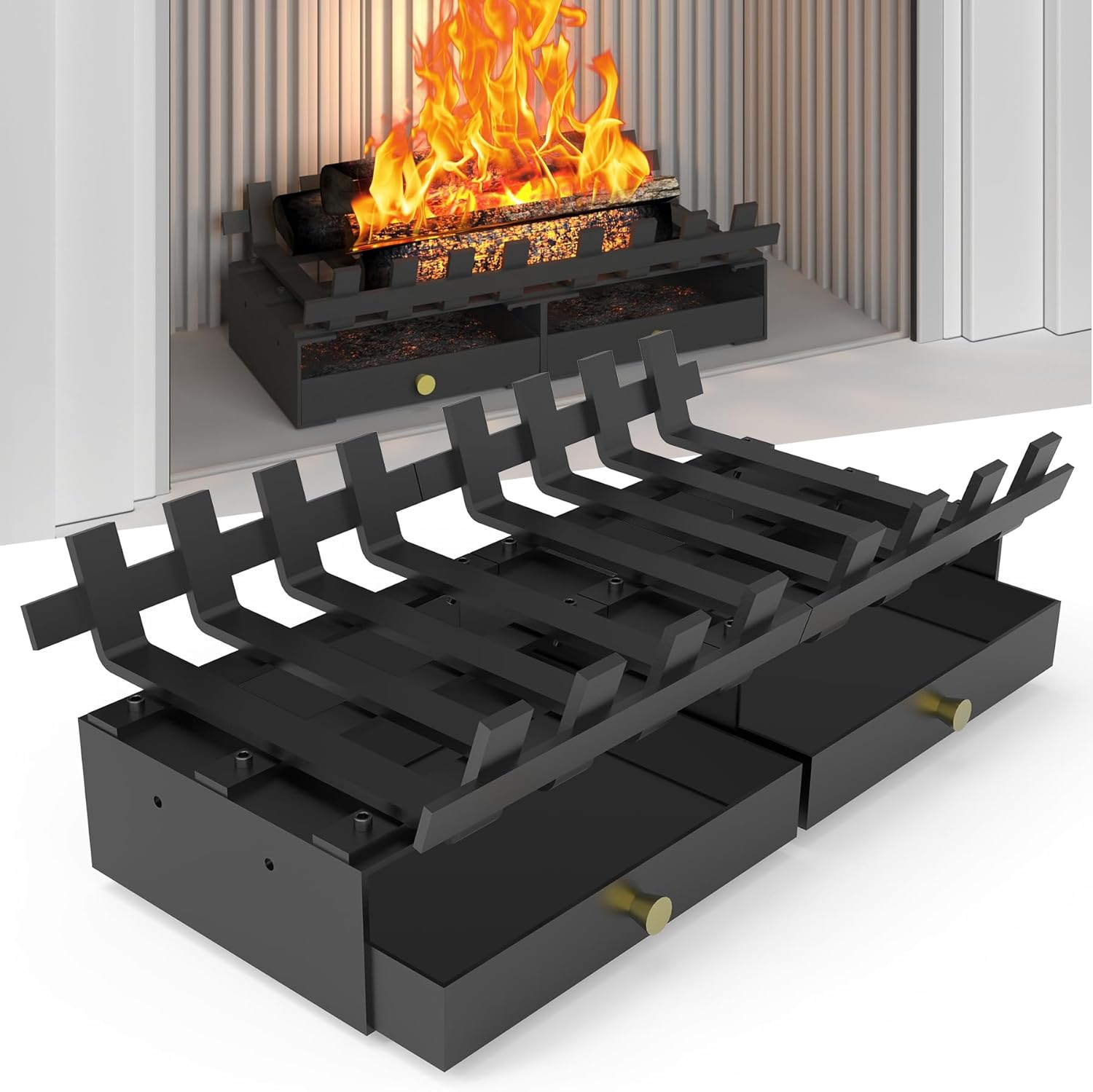
An indoor fireplace cooking grate is specifically designed to provide a stable cooking surface over an open flame. While traditional cooking methods involve stovetops and ovens, using a fireplace can enhance flavor and create a warm ambiance. However, there are unique risks associated with this method, making it crucial to follow safety protocols.
Essential Safety Tips
1. Choose the Right Grate
Not all cooking grates are suitable for indoor fireplaces. When selecting a grate, consider the following factors:
- Material: Opt for grates made of durable, heat-resistant materials such as cast iron or stainless steel.
- Size: Ensure the grate fits securely over the fireplace opening without obstructing airflow.
- Design: Look for grates with a stable surface and sufficient support to hold your cookware.
2. Ensure Proper Ventilation
Cooking over an open flame can produce harmful gases such as carbon monoxide. Proper ventilation is crucial for maintaining air quality. Here are some steps to ensure good airflow:
- Open windows to allow fresh air in.
- Use exhaust fans if available.
- Consider installing a carbon monoxide detector in the vicinity of your fireplace.
3. Monitor the Flame
Keeping an eye on the flames is essential for safety and cooking quality. Here’s how to monitor effectively:
- Use a fireplace screen to contain sparks and embers.
- Keep a fire extinguisher nearby and familiarize yourself with its use.
- Never leave the cooking unattended, as flames can quickly grow or change.
4. Use Appropriate Cookware
Not all cookware is suitable for use over an open flame. Choose cookware designed for high temperatures, such as:
- Cast iron pans and Dutch ovens, which distribute heat evenly.
- Stainless steel pots that can withstand direct heat.
- Heavy-duty aluminum pans that are flame-resistant.
5. Maintain a Safe Distance
Safety should always come first. To prevent burns and accidents:
- Keep a safe distance from the flames while cooking.
- Ensure children and pets are kept at least three feet away from the fireplace.
- Use long-handled tools to reduce the risk of burns.
Case Study: The Importance of Safety in Indoor Fireplace Cooking

In a 2018 study conducted by the National Fire Protection Association (NFPA), it was revealed that improper use of indoor fireplaces led to over 2,000 home fires annually. Many of these incidents stemmed from cooking accidents, emphasizing the need for strict safety protocols. For instance, one case involved a family attempting to roast marshmallows over their fireplace without proper monitoring, resulting in a fire that caused significant damage to their home. This highlights the importance of following the safety tips outlined above.
Statistics on Indoor Cooking Safety

According to the U.S. Fire Administration, cooking is the leading cause of home fires, accounting for nearly 50% of all residential fires. Specifically, the use of open flames within the home presents a unique risk factor. Understanding these statistics reinforces the need for vigilance and adherence to safety measures when cooking over an indoor fireplace.
Best Practices for Cooking with an Indoor Fireplace Grate

1. Pre-Cooking Preparations
Before you start cooking, take the necessary steps to prepare your cooking area:
- Clear the area around the fireplace of any flammable materials.
- Gather all your ingredients and utensils beforehand to minimize movement while cooking.
- Ensure that the fireplace and grate are clean to avoid smoke and flare-ups.
2. Cooking Techniques
Cooking over an indoor fireplace requires adapting to different techniques:
- Use indirect heat for simmering or slow cooking by placing the pot away from the direct flames.
- For grilling, ensure the grate is hot enough before placing food on it to prevent sticking.
- Rotate food regularly for even cooking and to prevent burning.
3. Cleaning Up Safely

After cooking, proper cleanup is vital for safety:
- Allow the grate and cookware to cool before handling them.
- Use a damp cloth to wipe down the grate and surrounding area to remove ash and soot.
- Store tools and ingredients away from the fireplace to prevent accidental fires.
Cooking with an indoor fireplace cooking grate can create a unique culinary experience, but safety should always be prioritized. By adhering to the safety tips and best practices outlined in this article, you can enjoy a delicious meal in a warm, inviting atmosphere while minimizing the risks associated with open flames. Remember to choose the right grate, ensure proper ventilation, monitor the flames, use appropriate cookware, maintain a safe distance, and practice thorough cleanup. With these precautions in place, you can savor the joys of fireplace cooking while keeping your home and loved ones safe.
