The mobile gaming landscape is in a perpetual state of flux, driven by relentless technological advancements and an ever-growing global player base. While smartphones have already revolutionized how and where we play, a new frontier is emerging, promising to transcend the limitations of traditional touchscreens and usher in an era of unparalleled immersion. This frontier is paved with VR glasses for smartphones, a technology poised to redefine mobile gaming as we know it.
The Dawn of Accessible Virtual Reality

Virtual Reality (VR) has long been the stuff of science fiction dreams, conjuring images of fully realized digital worlds. However, the high cost of dedicated VR headsets like the Oculus Rift or HTC Vive has kept this dream largely out of reach for the average consumer. This is where smartphone-powered VR glasses come into play. By leveraging the processing power and display technology already present in our pockets, these devices offer a significantly more accessible entry point into the world of VR.
How Smartphone VR Glasses Work
At their core, smartphone VR glasses are essentially enclosures that hold your smartphone and project its display in a stereoscopic 3D format. Lenses within the glasses split the screen into two slightly different images, one for each eye, creating the illusion of depth and immersion. Sensors within the smartphone, such as the gyroscope and accelerometer, track head movements, allowing users to look around within the virtual environment naturally. This symbiotic relationship between the smartphone and the VR housing is the key to unlocking a portable and affordable VR experience.
Key Components of Smartphone VR Systems:
- Smartphone: The brain of the operation, providing processing power, display, and sensors.
- VR Housing/Headset: A physical shell that holds the smartphone and contains lenses to create the stereoscopic effect.
- Lenses: Crucial for splitting the screen image and correcting for distortion.
- Sensors (Gyroscope, Accelerometer): Enable head tracking for intuitive navigation.
The evolution of smartphone VR has been rapid. Early iterations were rudimentary, offering a somewhat blurry and disorienting experience. However, recent advancements in display resolution, refresh rates, and lens technology have dramatically improved the quality and comfort of smartphone VR. Companies like Google (with its defunct Daydream platform), Samsung (Gear VR), and numerous third-party manufacturers have contributed to this progress, paving the way for more sophisticated applications.
The Gaming Revolution: Beyond the Touchscreen
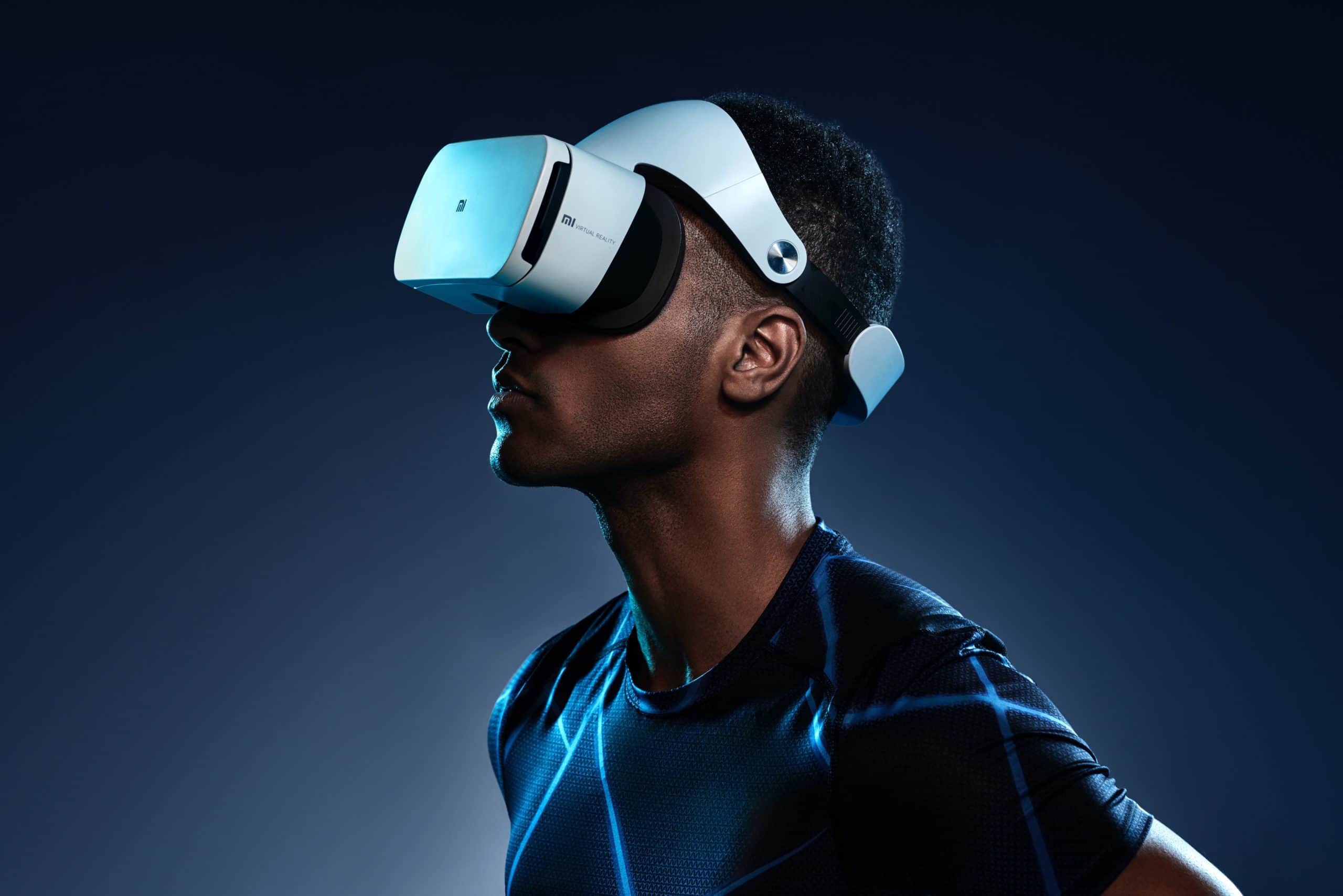
The most significant impact of VR glasses for smartphones will undoubtedly be felt in the gaming sector. The limitations of touch controls are well-documented, often leading to imprecise inputs and a disconnect between player action and in-game response. VR, on the other hand, offers a fundamental shift in interaction, moving from indirect manipulation to direct presence.
Unleashing New Gameplay Mechanics
Imagine playing a first-person shooter where you physically aim your weapon by looking at your target, or a puzzle game where you manipulate objects with your virtual hands. Smartphone VR opens up a universe of gameplay possibilities that are simply not feasible with traditional mobile controls. This can lead to:
- Enhanced Immersion: Feeling truly present within the game world.
- Intuitive Controls: Natural head and body movements translate directly into in-game actions.
- New Genres: The emergence of entirely new game genres tailored for VR experiences.
- Increased Engagement: Deeper emotional connection and higher levels of player engagement.
Case Studies and Emerging Examples
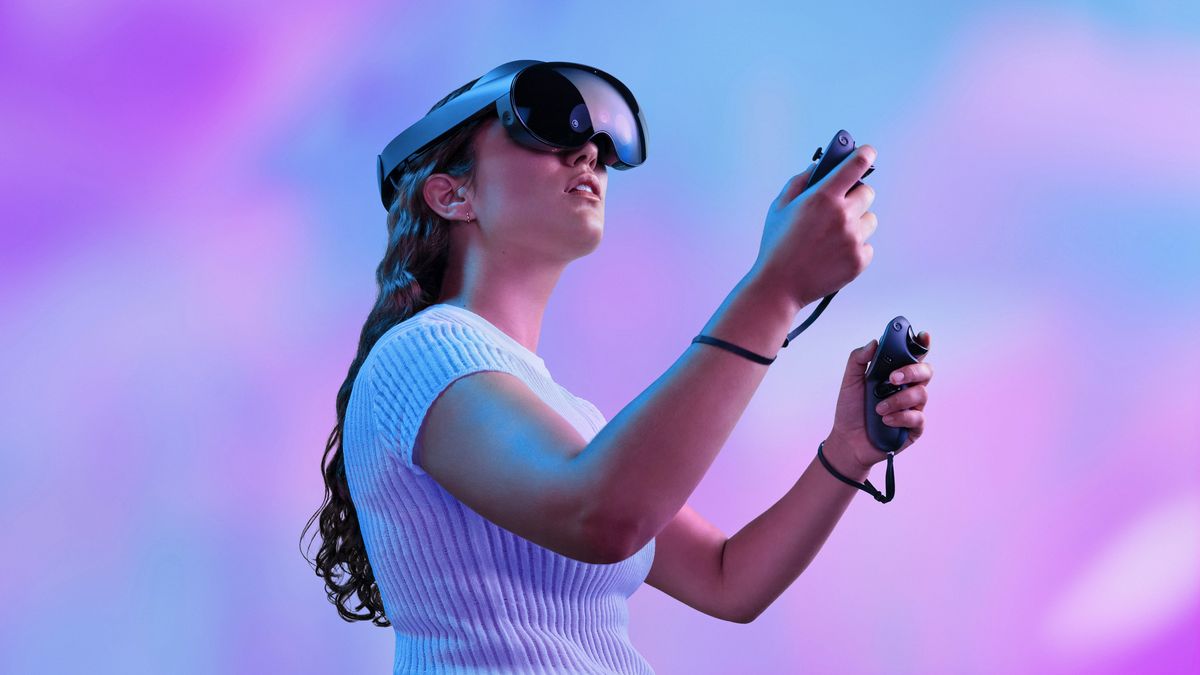
While the market is still developing, we are already seeing promising examples of how VR can enhance mobile gaming. Games like *Resident Evil 7: Biohazard* (playable on PlayStation VR, showcasing the potential of VR horror), and simpler mobile VR experiences like *Titans of Space* or *Google Earth VR* (though not strictly mobile, it demonstrates the core concept of exploration) offer glimpses into the future. Developers are experimenting with:
- Exploration and Adventure Games: Allowing players to wander through detailed environments and interact with their surroundings.
- Rhythm and Music Games: Where players can physically move to the beat and interact with visualizers.
- Action and Shooter Games: Offering a more visceral and reactive combat experience.
- Simulation and Strategy Games: Providing a more commanding view and direct control over game elements.
The accessibility of smartphone VR means that a vast and diverse player base can now experience these new forms of gameplay. This democratizes VR gaming, moving it beyond the niche market of dedicated PC or console VR users.
Challenges and Opportunities in the VR Mobile Gaming Ecosystem
Despite the immense potential, the widespread adoption of VR smartphone glasses for gaming is not without its hurdles. Addressing these challenges will be crucial for unlocking the full promise of this technology.
Technical Limitations and User Experience
Several technical aspects need further refinement for a truly seamless experience:
- Processing Power: While modern smartphones are powerful, rendering complex VR environments can still strain their capabilities, leading to lower frame rates and visual fidelity.
- Display Resolution and Field of View: A wider field of view and higher resolution are essential to minimize the “screen door effect” (visible pixels) and enhance immersion.
- Motion Sickness: For some individuals, VR can induce motion sickness. Improved tracking, comfortable frame rates, and optimized game design are key to mitigating this.
- Battery Life: VR applications are notoriously power-hungry, and the continuous use of the smartphone’s display and processors can drain batteries quickly.
- Heat Dissipation: Extended VR sessions can cause smartphones to overheat, impacting performance and user comfort.
The Content Conundrum
The success of any gaming platform hinges on its content library. For smartphone VR gaming to flourish, a robust ecosystem of high-quality, engaging games needs to emerge. This requires:
- Developer Investment: Encouraging developers to invest time and resources into creating VR-optimized mobile games.
- Standardization: Greater standardization across VR platforms and input methods could simplify development and broaden audience reach.
- Discoverability: Making it easier for users to find and access compelling VR games within app stores.
Market Adoption and Accessibility
While more affordable than dedicated VR systems, smartphone VR glasses still represent an additional purchase. For mass adoption, the cost-benefit analysis needs to be compelling. Furthermore, ensuring ease of use and setup for non-tech-savvy individuals will be vital.
The Road Ahead: Future Innovations and Predictions
The trajectory of smartphone VR gaming is one of continuous innovation. Several key trends and advancements are likely to shape its future:
Advancements in Hardware
We can expect to see:
- Higher Resolution Displays: As smartphone screen technology advances, so too will the clarity of VR experiences.
- Improved Optics: Lenses with wider fields of view and reduced distortion will become commonplace.
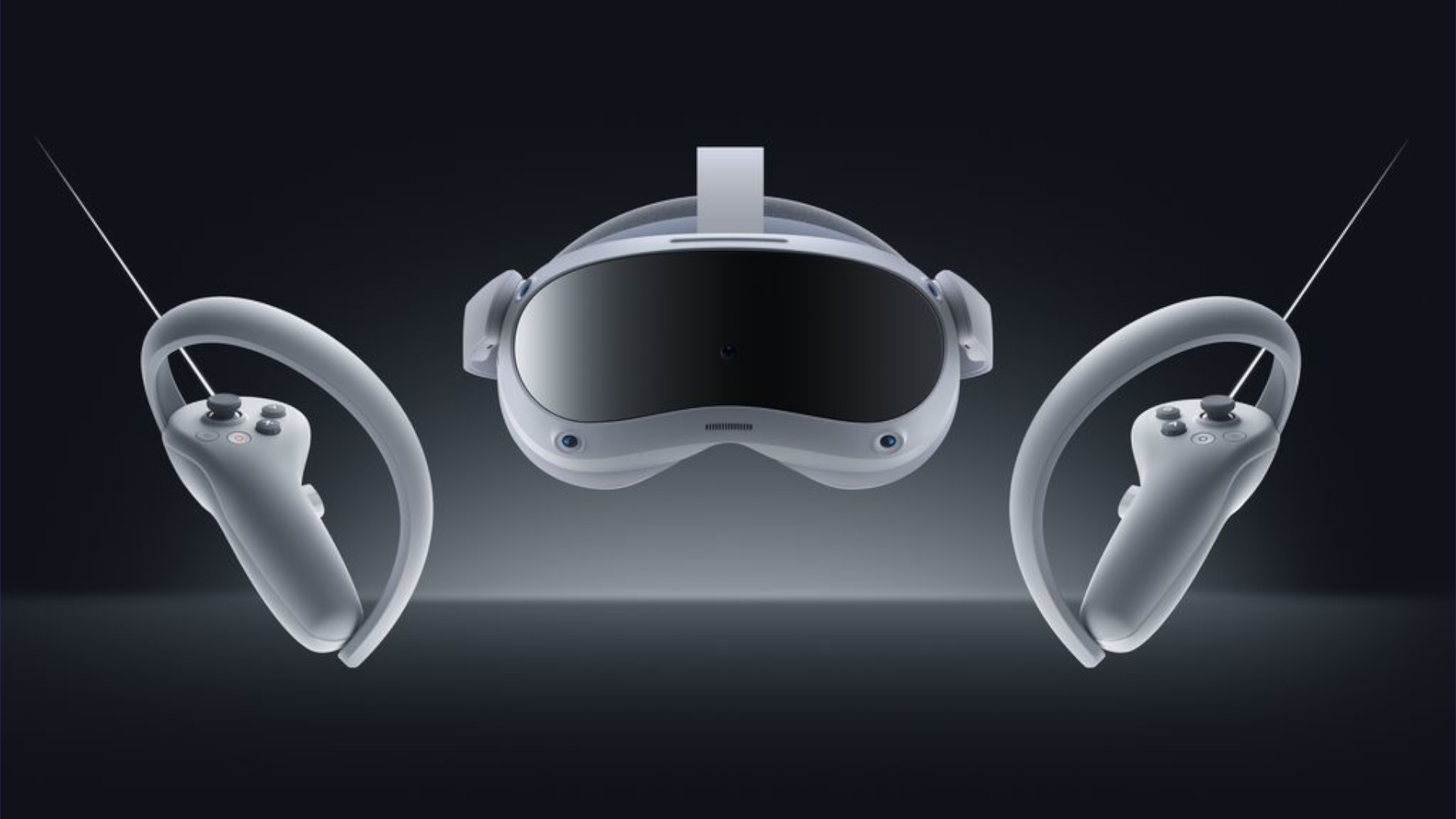
- Integrated Tracking: Future smartphone VR headsets might incorporate inside-out tracking, eliminating the need for external sensors.
- Haptic Feedback: More sophisticated haptic feedback integrated into controllers or even the headset itself will enhance the sense of touch.
Software and AI Integration
The role of software will be paramount:
- AI-Powered Game Design: AI could dynamically generate content, adapt challenges to player skill, and create more intelligent NPCs.
- Cloud Streaming for VR: Offloading demanding rendering tasks to the cloud could enable richer VR experiences on less powerful devices.
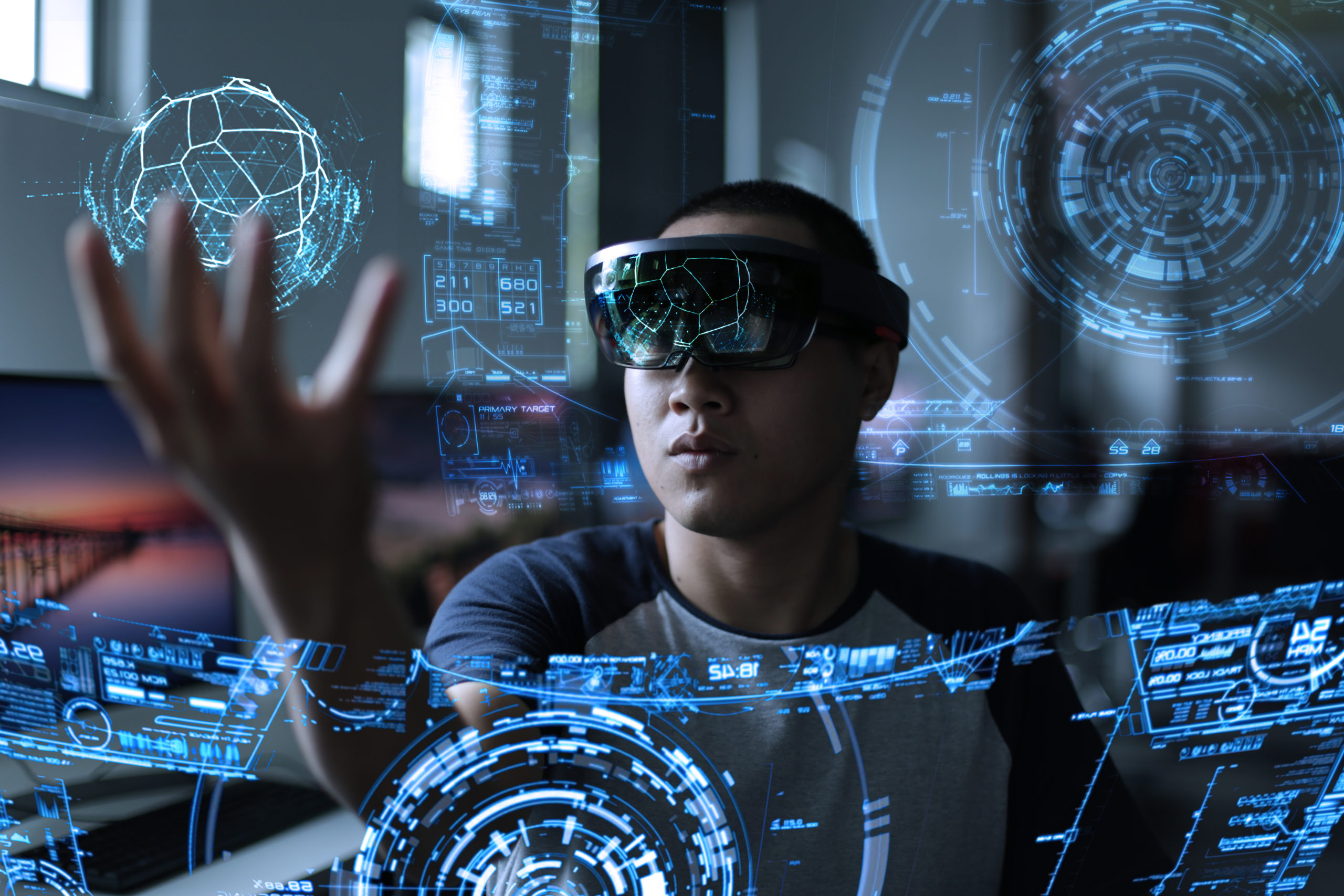
- Augmented Reality (AR) Convergence: The lines between VR and AR are blurring. Future devices may offer seamless transitions between fully immersive VR and blended AR/VR experiences, opening up even more gaming possibilities.
The Role of 5G and Beyond
The rollout of 5G networks is a game-changer for mobile VR. Its:
- Low Latency: Crucial for responsive VR interactions, minimizing lag and motion sickness.
- High Bandwidth: Enables the streaming of high-fidelity graphics and complex game data.
- Massive Connectivity: Supports a multitude of devices and cloud-based gaming services.
As network speeds increase, the potential for seamless cloud-powered VR gaming on smartphones will be fully realized, democratizing access to AAA-quality VR experiences.
A New Era of Pocket-Sized Worlds

The future of mobile gaming, viewed through the lens of VR smartphone glasses, is one of immense promise. By transforming our smartphones into portals to immersive virtual worlds, this technology is poised to democratize VR gaming, making it accessible and engaging for a global audience. While challenges related to hardware, software, and content remain, the rapid pace of innovation, coupled with the widespread adoption of powerful smartphones and the transformative potential of 5G, suggests that the era of truly compelling pocket-sized virtual realities is not a distant dream, but an unfolding reality.
