As we navigate through the evolving landscape of work, the demand for flexibility has never been more pronounced. The traditional 9-to-5 office model is gradually giving way to more adaptable work environments that cater to the needs of a diverse workforce. One of the most significant innovations in this realm is the introduction of ergonomic furniture, particularly L-shaped executive standing desks. These desks not only facilitate a healthier work posture but also align with the growing trend of remote and hybrid work models. In this article, we will explore the implications of this shift, the benefits of L-shaped standing desks, and their role in the future of work.
The Shift Towards Flexible Work Environments

The concept of work has transformed dramatically over the past few years. Organizations are increasingly recognizing that flexibility leads to higher employee satisfaction and productivity. A report by Gartner indicated that 82% of company leaders plan to allow employees to work remotely at least part-time, even after the pandemic subsides.
- Employee Well-Being: Flexible work environments contribute to mental and physical well-being, reducing stress and enhancing job satisfaction.
- Increased Productivity: Workers often report greater productivity when they can choose their working hours and environments.
- Attracting Talent: Companies that offer flexible work options are more likely to attract top talent, especially among younger generations.
L-Shaped Executive Standing Desks: An Overview

L-shaped standing desks have emerged as a popular choice for modern workplaces, combining functionality with aesthetics. These desks allow users to have multiple work zones, accommodating both sitting and standing positions, which is essential for maintaining energy levels and focus throughout the day.
Key features of L-shaped executive standing desks include:
- Spacious Work Areas: The L-shape provides ample surface area for multiple monitors, paperwork, and other essentials.
- Adjustability: Many models offer electric or manual height adjustments, allowing users to switch between sitting and standing easily.
- Ergonomic Design: Designed to promote good posture, these desks can help reduce the risk of musculoskeletal disorders.
The Health Benefits of Standing Desks
One of the most significant advantages of using standing desks is their positive impact on health. Research has shown that prolonged sitting can lead to various health issues, including obesity, diabetes, and cardiovascular diseases. In contrast, standing desks can mitigate these risks.
- Weight Management: Standing burns more calories compared to sitting. A study published in the Journal of Physical Activity and Health found that standing for an additional 3 hours a day can result in an annual weight loss of around 10 pounds.
- Reduced Back Pain: A study by the American Journal of Preventive Medicine found that participants using standing desks reported a significant reduction in lower back pain after just a few weeks.
- Improved Mood and Energy Levels: Standing desks have been linked to improved mood and energy levels. A study published in the journal Ergonomics showed that participants using standing desks felt less fatigued and more engaged in their work.
Case Studies: Companies Embracing L-Shaped Executive Standing Desks
Several organizations have implemented L-shaped executive standing desks as part of their strategy to promote flexibility and employee well-being.
1. Tech Giants Leading the Charge

Companies like Google and Microsoft have long championed flexible work environments. Google, for instance, has integrated standing desks into their open office spaces, allowing employees to choose their preferred working position. This move has not only enhanced employee satisfaction but also fostered collaboration and creativity.
2. Startups Fostering Innovation

Startups like Buffer and Trello have embraced the flexible work model by providing their teams with ergonomic furniture, including L-shaped standing desks. This investment in employee comfort has been linked to higher retention rates and increased innovation. Buffer, for instance, reported that their employees felt more productive and engaged after switching to standing desks.
3. Case Study: A Financial Services Firm
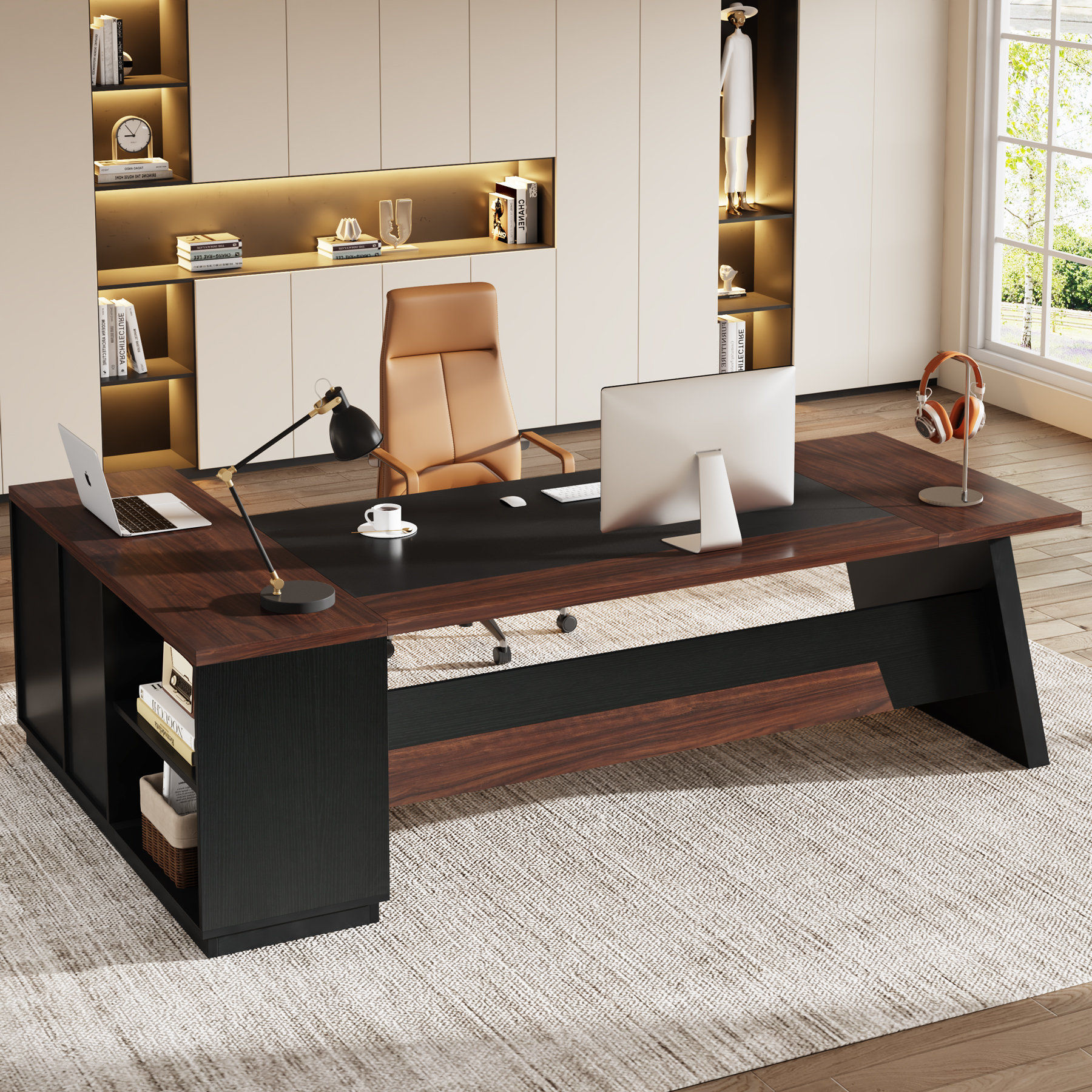
A financial services company recently transitioned to an open office plan that included L-shaped standing desks for all employees. Within six months, they saw a 15% increase in productivity and a 30% decrease in reported health complaints related to sitting. This case highlights the tangible benefits of investing in ergonomic solutions in a traditionally sedentary industry.
The Economic Implications of Flexibility

Adopting flexible work environments and ergonomic furniture like L-shaped standing desks can also have significant economic implications for companies.
- Reduced Healthcare Costs: Healthier employees lead to lower healthcare costs for companies. According to the CDC, employers can save around $3 for every $1 spent on employee wellness programs.
- Increased Employee Retention: Employees are less likely to leave organizations that prioritize their well-being, which can save companies thousands in recruitment and training costs.
- Enhanced Productivity: The initial investment in ergonomic desks can pay off through increased output and efficiency, thereby contributing to the company’s bottom line.
Challenges and Considerations
While the benefits of L-shaped executive standing desks are numerous, some challenges must be addressed before widespread adoption can occur.
- Initial Costs: The upfront investment in ergonomic furniture can be significant, particularly for smaller companies.
- Employee Adaptation: Not all employees may be accustomed to standing desks, and some might require time to adapt to this new working style.
- Space Constraints: L-shaped desks require more space than traditional desks, which can be a challenge in smaller office environments.
The Future Outlook: A Hybrid Work Model
As we move towards a more hybrid work model, the integration of flexible furniture like L-shaped executive standing desks will play a crucial role in shaping the future of work. Companies will need to continue prioritizing employee well-being and adaptability to maintain a competitive edge.
According to a survey by PwC, 83% of employers believe the shift to remote work has been successful for their company, indicating a strong endorsement for flexible working arrangements. As organizations embrace this model, they must invest in the right tools and environments to support their teams effectively.
The future of work is undoubtedly leaning towards flexibility, with L-shaped executive standing desks emerging as a cornerstone of this new paradigm. These desks not only enhance employee well-being by promoting better posture and reducing the risks associated with prolonged sitting but also align with the evolving expectations of the workforce. Companies that prioritize ergonomic solutions will not only see improved employee satisfaction and productivity but also enjoy significant economic benefits. As we continue to redefine the workplace, embracing flexibility through innovative furniture solutions will be essential in fostering a healthier, more engaged workforce.
